
Adaptogens for Athletes: Stress and Recovery
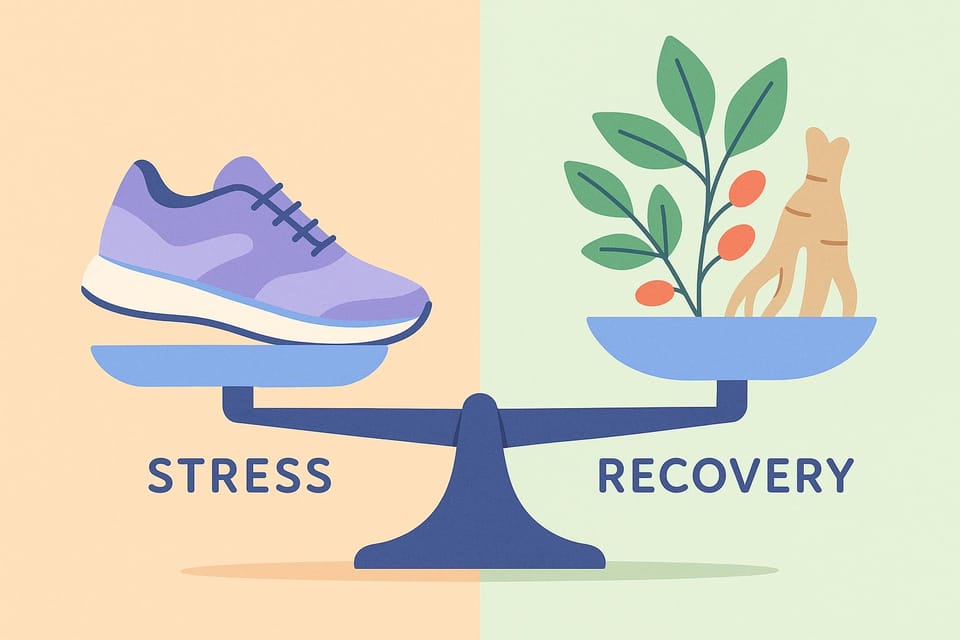
Adaptogens help athletes manage stress, improve recovery, and maintain performance during intense training. These natural herbs and mushrooms support the body by balancing cortisol levels, enhancing endurance, and promoting better sleep. Here's a quick rundown of five key adaptogens and their benefits:
- Ashwagandha: Lowers cortisol, improves aerobic capacity, aids muscle growth, and enhances recovery. Best for athletes under chronic stress or heavy training.
- Rhodiola rosea: Boosts endurance, fights fatigue, and sharpens focus. Works quickly, making it ideal for pre-workout or competition.
- Panax ginseng: Supports energy metabolism and stress adaptation. Helps with sustained energy during long training sessions.
- Cordyceps: Improves oxygen use and aerobic performance. Great for endurance athletes focused on stamina.
- Tulsi (Holy Basil): Reduces stress, improves sleep, and calms the nervous system. Best for athletes balancing training with high psychological stress.
These adaptogens complement recovery strategies like proper sleep, nutrition, and structured training. Their effectiveness depends on consistent use, quality supplements, and alignment with specific athletic goals. Always choose third-party-tested products to ensure safety and purity.
1. Ashwagandha
Ashwagandha (Withania somnifera) is a well-studied adaptogen known for its potential to help with stress management, physical performance, and recovery. For athletes in the U.S. juggling intense training, demanding competition schedules, or everyday stress, ashwagandha offers a natural option to support overall resilience.
Stress Reduction
Ashwagandha plays a role in regulating the hypothalamic–pituitary–adrenal (HPA) axis, which influences cortisol levels. High cortisol, often triggered by intense training or accumulated stress, can lead to sleep issues, muscle breakdown, and mental fatigue. Research consistently shows that ashwagandha can lower cortisol and reduce feelings of stress and anxiety in active individuals.
Unlike quick-acting anti-anxiety medications, ashwagandha works gradually. Most people notice improvements in mood and stress tolerance after 4–8 weeks of daily use, with some experiencing better sleep within the first few weeks. By helping to manage stress, it creates a foundation for better recovery.
Recovery Support
Ashwagandha also helps combat oxidative stress and inflammation, both of which can slow recovery. It’s been shown to improve sleep quality, a key factor in muscle repair and reducing soreness. Resistance-training studies reveal that athletes taking ashwagandha often see greater increases in muscle size and strength compared to those taking a placebo, suggesting enhanced tissue repair between workouts.
For athletes dealing with post-training restlessness or racing thoughts, ashwagandha may help ease evening adrenaline and dopamine levels, promoting a calmer state. These benefits make it a solid choice for athletes managing various physical and mental stressors.
Best Use Case
Ashwagandha is particularly helpful for athletes under chronic stress, whether from intense training, packed competition schedules, or other pressures. It’s especially relevant for:
- Endurance athletes pushing through long training cycles or preparing for peak events.
- Strength and power athletes aiming for muscle growth and performance gains while managing stress.
- Team-sport players navigating tight schedules with limited recovery time.
- Athletes with anxiety that disrupts sleep, mood, or overall readiness.
However, for those already experiencing excellent recovery, low stress, and quality sleep, ashwagandha may not be a priority compared to focusing on nutrition or managing training loads.
Effective Dose Range
Most studies recommend 300–600 mg per day of standardized ashwagandha root extract, usually split into two doses taken with meals. While some research has tested doses up to 700 mg/day, higher amounts don’t always provide extra benefits and could increase the risk of side effects. A good starting point is 300 mg/day, increasing to 600 mg/day if tolerated. Many athletes prefer taking a larger dose in the evening to aid relaxation and nighttime recovery, with a smaller dose in the morning.
When selecting an ashwagandha supplement, look for products that specify a standardized extract with a clear percentage of withanolides. Third-party testing for purity and contaminants is essential, given the variability in supplements. Tools like SlipsHQ (https://slipshq.com) can help verify product quality and check for banned substances.
Safety Considerations
Ashwagandha is generally safe for healthy adults when used within recommended doses. However, certain precautions apply:
- Thyroid conditions: It may affect thyroid hormone levels, so consult a doctor if you have a thyroid issue.
- Autoimmune conditions: Ashwagandha can influence immune function, so medical advice is recommended before use.
- Medication interactions: It may interact with sedatives, anti-anxiety drugs, immunosuppressants, or blood pressure medications.
- Pregnancy and breastfeeding: Its safety hasn’t been well established for these groups and is typically not recommended unless approved by a healthcare provider.
Athletes competing in tested sports should ensure their supplements are certified by organizations like NSF Certified for Sport to avoid contaminants or banned substances.
To track its impact, monitor both subjective factors (like stress levels, mood, sleep quality, and soreness) and objective data (such as resting heart rate, heart rate variability, or training readiness scores) over 4–8 weeks. Signs of effectiveness include better sleep, reduced burnout, and more consistent performance during demanding periods.
2. Rhodiola rosea
Rhodiola rosea brings a refreshing boost to combat stress-related fatigue, helping athletes recover during demanding training cycles. Unlike the calming effects of ashwagandha, Rhodiola energizes and sharpens mental clarity. Its stimulating properties make it a valuable addition to the recovery arsenal, complementing other adaptogens.
Stress Reduction
Rhodiola plays a key role in supporting the body’s stress-response system by regulating the HPA axis. Studies suggest it can help lower perceived stress, ease burnout-like symptoms, and improve resilience during intense periods like training, travel, or competition. It also influences neurotransmitters like serotonin, dopamine, and norepinephrine, which are essential for mood and cognitive performance under stress. Many users report feeling more alert and less fatigued within just 30 minutes of use. Due to its stimulating nature, Rhodiola is best suited as a pre-training or competition aid rather than a long-term solution for managing cortisol levels.
Recovery Support
Rhodiola also contributes to recovery by reducing fatigue and enhancing the body’s antioxidant defenses. It helps balance cortisol levels and protects mitochondria, reducing oxidative stress and inflammation caused by intense exercise. Some research links its effects to improved mitochondrial function and ATP production, which can speed up recovery, reduce post-exercise fatigue, and help athletes maintain their training intensity over time. While it doesn’t directly promote better sleep, its ability to buffer stress can lead to deeper, more restorative rest.
Best Use Case
Rhodiola fits well into a comprehensive approach to building training resilience. It’s particularly helpful for endurance athletes and those in sports requiring sustained physical and mental effort. Distance runners, cyclists, rowers, triathletes, and team-sport athletes in long matches may find it especially advantageous. It’s most effective during periods of heavy training, when physical demands overlap with high stress levels, or when facing environmental challenges like altitude or heat. That said, athletes focused on maximal strength training might notice fewer benefits. Importantly, Rhodiola should never be used to cover up deeper issues like overtraining, poor sleep, or inadequate nutrition - those need to be addressed as priorities.
Effective Dose Range
Most studies on Rhodiola rosea use standardized extracts in doses ranging from 200 to 600 mg per day, typically standardized to 3% rosavins and 1% salidroside. Starting with 100–200 mg in the morning or 30–60 minutes before training is a good approach. If tolerated well, the dose can be increased to 300–400 mg per day, split into one or two doses. Since it has stimulating effects, it’s best avoided later in the day. Many athletes use Rhodiola during intense training phases, race prep, or travel-heavy periods, and then reduce or cycle off during deload weeks. When choosing a supplement, look for standardized extracts and third-party testing for purity and potency. Tools like SlipsHQ (https://slipshq.com) can help compare products, check ingredient safety, and make informed decisions.
Safety Considerations
Rhodiola is generally safe when used at recommended doses, though some people may experience side effects like insomnia, jitteriness, or irritability - especially at higher doses or if taken late in the day. Athletes on medications for mood or blood pressure should use caution. For those in drug-tested sports, opting for supplements certified by organizations like NSF Certified for Sport helps ensure they’re free from contaminants or banned substances. To gauge its effectiveness, athletes can monitor both subjective factors (like fatigue, mood, and sleep) and objective data (such as resting heart rate and heart rate variability) over time.
3. Panax ginseng
Panax ginseng, often referred to as Asian or Korean ginseng, is known for its ability to promote sustained energy and sharpen mental focus. It achieves this through various mechanisms, including balancing the HPA (hypothalamic-pituitary-adrenal) axis, strengthening antioxidant defenses, and boosting mitochondrial function to enhance energy production.
Stress Reduction
For athletes juggling intense training with daily responsibilities, Panax ginseng can be a game-changer. It helps regulate stress responses and cortisol levels, making it easier to manage both physical and mental fatigue. Research suggests it also interacts with neurotransmitters and metabolic pathways to improve how the body handles stress. Many athletes report feeling steadier energy levels throughout the day and reduced burnout when using ginseng consistently over several weeks. This is particularly helpful for those balancing demanding training schedules with work, travel, or academic commitments. Additionally, the active compounds in ginseng, known as ginsenosides, have been shown to support cognitive function under stress, helping athletes maintain focus during long practices or competitions.
Recovery Enhancement
Panax ginseng also plays a role in speeding up recovery after intense physical activity. Its antioxidant and anti-inflammatory properties help reduce oxidative stress and muscle damage, alleviating soreness and promoting faster recovery. Some studies indicate that ginseng supplementation can lead to lower post-exercise lactate levels and quicker heart-rate recovery, signaling improved metabolic efficiency. It also aids in stabilizing blood glucose levels, which helps prevent energy crashes after workouts and supports a more consistent recovery process. While some athletes notice improved sleep quality with ginseng, it’s important to time its use properly, as taking it too late in the day could lead to restlessness. These recovery benefits are particularly valuable during periods of high-intensity training, tournaments, or consecutive events - especially when combined with adequate sleep (7–9 hours), proper protein intake, and a well-structured training plan.
Best Use Case
Panax ginseng is especially beneficial for athletes seeking endurance and mental sharpness. Endurance athletes like runners, cyclists, and triathletes may find it useful for improving fatigue resistance and aerobic capacity. In fact, some studies have shown increases in VO₂ max by 3–7% and longer time to exhaustion. Team-sport athletes enduring long matches or frequent travel, as well as combat sports participants and older competitors looking for energy and metabolic support without heavy stimulants, may also benefit. Its effects are often more pronounced in athletes dealing with significant fatigue or stress.
Effective Dose Range
The most effective doses of Panax ginseng come from standardized extracts containing 4–7% ginsenosides. Typically, doses range from 200 to 400 mg per day, though studies have used amounts as high as 1,000–2,000 mg. Starting with 200 mg is a good way to assess tolerance. A practical approach is to take 200 mg in the morning or 30–60 minutes before training. If well tolerated, the dose can be increased to 300–400 mg per day. Splitting the dose between the morning and early afternoon works well, but avoid taking it later in the day to reduce the risk of insomnia. Many athletes use Panax ginseng consistently for 6–12 weeks during intense training cycles, followed by a 2–4 week break to prevent tolerance and evaluate its effectiveness.
When choosing a Panax ginseng supplement, look for clear labeling that specifies the species (Panax ginseng, not American ginseng), the ginsenoside content, and third-party testing for purity. Prices in the U.S. vary depending on quality. Tools like SlipsHQ (https://slipshq.com) can help compare products, check ingredient purity, and review safety warnings, ensuring you make an informed choice.
Safety Considerations
When taken at recommended doses, Panax ginseng is generally well tolerated. However, some athletes may experience side effects like insomnia, jitteriness, digestive upset, or headaches - especially at higher doses or when combined with stimulants like high-dose caffeine. Taking it earlier in the day can help minimize sleep disturbances. Athletes on medications should be cautious, as ginseng may interact with drugs that affect blood sugar, blood pressure, or blood clotting, as well as certain psychiatric medications. Those with conditions like hypertension, diabetes, or bleeding disorders should consult a healthcare professional before using ginseng. Pregnant or breastfeeding athletes and those with hormone-sensitive conditions are advised to avoid it.
For athletes subject to anti-doping tests, ensuring supplement purity is essential. While Panax ginseng itself is not banned, low-quality products could be contaminated with prohibited substances. Opt for third-party certifications like NSF Certified for Sport or use reliable tools to verify safety and quality. Monitoring both subjective factors (such as mood, fatigue, and sleep quality) and objective data (like resting heart rate, heart rate variability, and training readiness) over 4–6 weeks can help determine if ginseng is delivering the desired results.
4. Cordyceps
Cordyceps, especially the species Cordyceps militaris, has gained popularity among endurance athletes and those aiming to improve oxygen efficiency. Unlike the rare and expensive wild Cordyceps sinensis, most supplements use cultivated C. militaris or standardized mycelial extracts. These contain active compounds like cordycepin and adenosine-related nucleosides, which are known to support cellular energy and oxygen metabolism. This makes Cordyceps particularly appealing to athletes focused on aerobic performance and combating fatigue. Similar to other adaptogens, it supports energy pathways crucial for physical performance.
Stress Reduction
While Cordyceps doesn’t directly influence cortisol levels as strongly as Ashwagandha, it still plays a role in managing the body’s stress response by modulating the HPA axis. This helps normalize cortisol levels during intense training periods, reducing feelings of fatigue and mental strain. Additionally, its antioxidant properties help counteract oxidative stress caused by strenuous exercise, supporting mental resilience and performance under demanding conditions, such as high-altitude training.
Recovery Enhancement
Cordyceps aids post-exercise recovery by enhancing aerobic capacity, which can reduce lactic acid buildup and delay fatigue. This can result in less soreness after workouts. By improving mitochondrial efficiency and ATP production, it helps muscles replenish energy stores more quickly.
In a double-blind study, older adults taking 1,665 mg of a Cordyceps blend daily for 12 weeks experienced a 7% increase in VO₂ max, improved ventilatory thresholds, and longer time to exhaustion. Similarly, college endurance athletes taking 4 grams daily for three weeks showed significant gains in VO₂ max and endurance. However, research on elite athletes has yielded mixed results, suggesting that the benefits may be more noticeable in recreational or moderately trained individuals.
Cordyceps also provides anti-inflammatory and antioxidant effects, which can reduce muscle damage and oxidative stress markers. This may lead to faster tissue repair and less delayed onset muscle soreness (DOMS) during periods of intense training.
Best Use Case
Cordyceps is a great choice for endurance athletes like runners, cyclists, and triathletes who need enhanced aerobic capacity. It’s also beneficial for team sport athletes who require repeated bursts of high-intensity effort with quick recovery. Those training at altitude, struggling with early workout fatigue, or recovering slowly from high-intensity intervals may find it particularly helpful. Additionally, older athletes seeking to maintain stamina without relying heavily on stimulants might see advantages.
Effective Dose Range
Research suggests that effective daily doses of Cordyceps range from 1,000 to 3,000 mg of a standardized extract, with some studies using up to 4,000 mg. A good starting point is 1,000 mg per day to assess tolerance, which can then be split into two doses (e.g., 1,000 mg in the morning and another dose before lunch or training). Consistent use over 2 to 6 weeks is typically needed to notice benefits.
When choosing a Cordyceps supplement, look for products that specify the species and standardized bioactive content. Third-party verification is essential for purity and safety. Tools like SlipsHQ (https://slipshq.com) can help compare formulations and check ingredient safety based on science-backed trust scores.
Safety Considerations
Cordyceps is generally safe when taken at recommended doses. However, some people might experience mild side effects like gastrointestinal discomfort, dry mouth, or skin irritation, which usually resolve with dose adjustments. Its mild blood-thinning properties mean caution is advised for those on anticoagulant or antiplatelet medications. Since Cordyceps can also influence immune function, individuals with autoimmune conditions or those taking immunosuppressants should consult a healthcare provider before use. Those with allergies to fungi or mushrooms should avoid it altogether.
For athletes subject to anti-doping tests, supplement purity is critical. While Cordyceps itself isn’t banned, low-quality products could be contaminated with prohibited substances. Look for certifications like NSF Certified for Sport to reduce risks. Tracking both subjective factors (like energy and recovery) and objective performance metrics over several weeks can help determine if Cordyceps is delivering the desired results.
5. Tulsi (Holy Basil)
Tulsi, also called Holy Basil, has roots in Ayurvedic medicine and is known for helping the body handle both physical and emotional stress. Unlike some herbs that focus on boosting physical performance, tulsi is better at calming the nervous system, improving sleep, and managing psychological stress. Its active compounds - like eugenol, rosmarinic acid, and ursolic acid - offer antioxidant and anti-inflammatory benefits, which can help counteract the oxidative stress caused by intense workouts. This makes tulsi an interesting option for athletes looking to balance stress and recovery.
For athletes juggling tough training schedules alongside work, travel, or competitive pressures, tulsi provides a gentle way to regulate stress throughout the day. It’s especially helpful for those who feel restless after evening workouts or struggle to relax before bed. While it doesn’t offer the immediate energy boost of stimulants or the endurance benefits of Cordyceps, tulsi plays a key role in supporting recovery by improving stress management and sleep quality.
Stress Reduction
Tulsi helps regulate the body’s stress response by modulating the HPA axis and calming the sympathetic nervous system, which can normalize cortisol levels during prolonged stress. This is particularly useful for athletes dealing with competition anxiety, frequent travel, or the challenge of balancing intense training with other responsibilities.
A 2022 systematic review highlighted that tulsi supplementation is linked to lower perceived stress, reduced cortisol levels, and better sleep quality. For athletes, these benefits can lead to improved training consistency, better adherence to workout plans, and reduced risk of overtraining. Lower stress and improved sleep are essential for maintaining peak performance and avoiding burnout during demanding training phases.
Unlike sedatives, tulsi promotes a calm focus without causing daytime drowsiness. This makes it ideal for use in the morning or mid-afternoon to manage stress, with an optional second dose in the evening to support relaxation and sleep. These stress-reducing properties naturally complement tulsi's role in aiding athletic recovery.
Recovery Support
Tulsi’s antioxidant and anti-inflammatory effects help reduce oxidative stress from exercise and support tissue repair. By balancing cortisol levels, it may also help prevent excessive muscle breakdown during high training loads, promoting better recovery and immune health over time.
Athletes who often feel fatigued or frequently catch colds during intense training periods might benefit from tulsi’s traditional use for immune and respiratory health. Its antioxidant properties may also help minimize free radical damage caused by intense workouts, potentially speeding up recovery between sessions.
It’s important to note that tulsi works as an indirect recovery tool. Its benefits come from improving stress management, sleep, and antioxidant defenses, rather than directly repairing muscles. To maximize recovery, athletes should still focus on the basics: eating enough calories, getting quality sleep, consuming adequate protein, and following a well-structured training plan with rest periods.
Best Use Case
Tulsi is especially helpful for athletes dealing with high stress, poor sleep, or signs of nervous system overactivity, rather than those looking for immediate performance boosts. Endurance athletes - such as marathon runners, triathletes, and cyclists - may find it particularly beneficial during long training blocks. Team-sport athletes managing travel and competition schedules can also benefit from tulsi’s calming effects.
Recreational athletes balancing the stresses of daily life and training often find tulsi useful. It’s ideal for scenarios like calming pre-competition nerves, unwinding after late workouts, or managing stress in overworked athletes who aren’t recovering well. By reducing mental strain and improving sleep, tulsi helps maintain performance under pressure.
For those prone to pre-competition anxiety, racing thoughts, or sleep troubles, tulsi offers a gentler alternative to sedatives. It promotes calm focus without causing drowsiness, making it a good option for late-afternoon or evening use. Plus, since it’s caffeine-free, it won’t interfere with sleep like stimulant-based supplements might.
Effective Dose Range
Research suggests that a daily tulsi dose of 300–1,200 mg of standardized extract, divided into one or two servings, is effective. A middle-ground dose of around 600 mg daily is commonly used. For traditional preparations, brewing 1 to 2 grams of dried tulsi leaves into tea once or twice a day is a popular option, though this is more for general wellness than targeted athletic benefits.
For athletes in the U.S., tulsi is often available as capsules, tablets, liquid tinctures, or tea. Starting with 300–600 mg per day and monitoring your response for 2 to 4 weeks is a good approach before increasing the dose. Many athletes split their intake, taking one dose in the morning to manage daytime stress and another 60–90 minutes before bed to promote relaxation and sleep.
When choosing a tulsi supplement, look for products with standardized bioactive content and third-party purity testing. Tools like SlipsHQ (https://slipshq.com) can help you scan product barcodes to check for ingredient quality, safety warnings, and how well the formula aligns with stress and recovery goals. This makes comparing options much easier.
Safety Considerations
Tulsi is generally safe for healthy adults at typical doses, with few reported side effects. However, some individuals may experience mild issues like digestive upset or headaches, especially when starting supplementation or using higher doses.
Because tulsi can slightly affect blood sugar and blood pressure, athletes with diabetes, low blood pressure, or those taking related medications should consult a healthcare provider before use. Close monitoring is advised for those on insulin or blood sugar-lowering medications. Tulsi may also impact blood clotting, so caution is advised for anyone on blood-thinning drugs.
Pregnant or breastfeeding athletes are often advised to avoid tulsi supplements due to limited safety data. Food-level or tea intake, if approved by a healthcare provider, is generally considered safer. People with thyroid conditions should also approach tulsi with caution, as its effects on thyroid function are not well-studied.
For athletes subject to drug testing, supplement purity is crucial. While tulsi itself isn’t banned, low-quality products could be contaminated with prohibited substances. Always choose third-party-certified products with transparent testing data. Apps like SlipsHQ can help identify high-quality options and reduce the risk of contamination.
To determine tulsi’s effectiveness, track subjective factors like stress levels, sleep quality, morning energy, and training readiness over 4 to 8 weeks. Wearable devices can also provide objective data, like resting heart rate, heart rate variability (HRV), and sleep metrics, to measure changes in recovery and stress. Monitoring these metrics alongside tulsi use can help confirm its benefits.
Advantages and Disadvantages
Each adaptogen comes with its own set of perks and drawbacks when it comes to managing stress and aiding recovery. Knowing these differences can help you pick the right one based on your training goals and current needs. Here's a breakdown of the five adaptogens discussed, comparing their stress relief, recovery benefits, performance potential, and practical considerations.
| Adaptogen | Primary Advantages | Key Limitations | Best For | Evidence Strength |
|---|---|---|---|---|
| Ashwagandha | Reduces cortisol and stress; improves sleep; may increase VO₂ max by ~3 mL/kg/min; supports muscle strength and size gains with resistance training | Most studies are short-term (6–12 weeks) and involve small groups; limited research on women and older athletes; potential for GI upset, drowsiness, and thyroid/medication interactions; not recommended during pregnancy | Athletes dealing with chronic training stress, heavy lifting, or poor sleep; boosting strength and aerobic performance | Strong |
| Rhodiola rosea | Provides quick anti-fatigue effects (within ~30 minutes); enhances endurance, mental focus, and perceived exertion; supports mitochondrial function and ATP production | Can be overstimulating; may disrupt sleep if taken late; could raise blood pressure in some; product quality varies | Endurance events, high-intensity intervals, or situations requiring sharp focus and stamina | Moderate |
| Panax ginseng | Helps with general stress and energy regulation; may assist in prolonged efforts during exercise | Performance results are inconsistent; may cause insomnia, headaches, or GI upset; interacts with anticoagulants, blood sugar meds, and stimulants | Athletes in multi-hour efforts seeking steady stress resilience | Moderate |
| Cordyceps | Traditionally supports endurance; may improve VO₂ max and oxygen use; offers antioxidant and anti-inflammatory benefits | Limited benefits in trained athletes; concerns about product purity and species identification with mushroom-based supplements | Endurance athletes (runners, cyclists, etc.) focused on oxygen utilization and recovery; less effective for short, power-based events | Limited |
| Tulsi (Holy Basil) | Reduces perceived stress and cortisol; improves sleep; calming without sedative effects | Minimal direct data on athletic performance; most studies focus on general stress, making its effects more indirect | Athletes managing high psychological stress, poor sleep, or competition anxiety; ideal for recovery periods | Limited |
Ashwagandha stands out with the strongest research backing in athletic populations. Studies have shown it can improve VO₂ max by about 3 mL/kg/min, increase muscle strength, and reduce cortisol levels. However, much of this research focuses on younger men and is short-term, so the findings may not apply to everyone.
Rhodiola rosea is unique for its quick-acting effects, often noticeable within 30 minutes and lasting up to six hours. This makes it a great option before competitions or workouts. On the downside, its stimulating nature can disrupt sleep if used late in the day, and it may cause jitteriness in sensitive individuals.
Panax ginseng offers broad stress support and may help maintain energy during long training sessions. Still, its performance benefits are inconsistent, and some users experience side effects like insomnia or headaches. It’s better suited for athletes looking for gradual stress-resilience improvements rather than immediate performance boosts.
Cordyceps is often used to support endurance, with some evidence showing it can improve oxygen utilization and VO₂ max. However, its effects in highly trained athletes are mixed, and issues with product purity remain a challenge.
Tulsi shines in stress management and sleep support, with studies showing it reduces perceived stress and cortisol while improving sleep quality. Its benefits for athletic performance are less direct, making it more useful for managing stress, travel anxiety, or recovery phases.
All these adaptogens work by regulating the HPA axis, enhancing stress resilience, and providing antioxidant benefits. These properties can reduce the risk of overtraining, promote consistent training, and aid recovery. However, the quality of research varies - many studies are short-term, involve small groups, or don’t focus on elite athletes. Additionally, since these supplements are not FDA-approved, medication interactions and inconsistent product quality are important considerations.
For athletes in the U.S. who undergo drug testing, it’s crucial to ensure product quality through third-party certifications. While adaptogens are allowed, low-quality products can risk contamination. Tools like SlipsHQ (https://slipshq.com) let you scan product barcodes to check ingredient quality, safety, and purity, helping you make safer choices.
Timing and usage also differ among adaptogens. Rhodiola’s effects are quick, making it ideal for pre-workout or competition, while ashwagandha, ginseng, cordyceps, and tulsi require consistent daily use for several weeks to show noticeable benefits. These are better suited for long-term stress management and recovery.
When choosing an adaptogen, think about your training phase and specific challenges. For instance, during a heavy training block with poor sleep, ashwagandha’s stress-lowering and sleep-enhancing properties might be the best fit. On the other hand, if you need a quick energy boost and focus for an endurance event, rhodiola could be a better choice. For athletes juggling work, travel, and competition stress, tulsi’s calming effects might help maintain balance and consistency.
It’s best to introduce one adaptogen at a time and monitor how it affects your stress levels, sleep, and training readiness over several weeks. Always consult a healthcare professional before starting any adaptogen, especially if you’re on medications for thyroid, blood pressure, blood sugar, or mental health conditions. Pregnant or breastfeeding athletes should avoid adaptogens due to limited safety data. By carefully weighing the pros and cons of each adaptogen against your personal needs, you can make a choice that supports both your performance and overall well-being.
Conclusion
Adaptogens offer a practical way for athletes to manage stress and improve recovery, but selecting the right one depends on your specific training needs and challenges. Among the options, ashwagandha stands out as the most extensively studied for athletes dealing with intense training, poor sleep, or chronic stress. Research shows ashwagandha can improve VO₂ max, reduce cortisol levels, and support muscle recovery - making it especially useful during heavy resistance training or packed competition schedules. A typical daily dose ranges from 300–600 mg, often taken in the evening for best results.
For endurance athletes like runners, cyclists, and triathletes, Rhodiola rosea is a solid choice. It enhances mitochondrial function, boosts ATP production, and improves oxygen usage. Its effects kick in within about 30 minutes and can last up to six hours, making it ideal for pre-workout or competition use at doses of 200–600 mg.
Panax ginseng can be helpful for athletes tackling multi-day events or long training camps, as it supports stress resilience and sustained energy. However, its performance benefits may vary. Similarly, Cordyceps shows promise for improving aerobic capacity during endurance phases, though the evidence is mixed. For athletes dealing with high psychological stress, travel fatigue, or competition-related anxiety, Tulsi (Holy Basil) may assist recovery by reducing stress and improving sleep quality. These distinctions highlight the importance of aligning your adaptogen choice with your specific training goals.
When starting with adaptogens, try one at a time and track its impact on your stress levels, sleep quality, and overall training readiness over 4–8 weeks. Tailor your choice to your training phase - use Rhodiola for pre-event focus, ashwagandha for recovery, and Tulsi for stress management. Keep in mind that adaptogens are meant to supplement - not replace - essentials like quality sleep, balanced nutrition, hydration, and effective training plans.
Quality and safety matter. With supplement quality varying widely, it's crucial to choose third-party tested products, especially for athletes who undergo drug testing. Tools like SlipsHQ can help by scanning product barcodes to assess safety ratings, ingredient purity, potential interactions, and pricing. These science-backed ratings make it easier to select reliable supplements.
Before trying any adaptogen, consult with a healthcare provider or sports dietitian - especially if you're on medication or managing conditions like thyroid issues, blood pressure concerns, or blood sugar imbalances. Pregnant or breastfeeding athletes should avoid adaptogens due to limited safety research. By aligning adaptogen use with your goals, monitoring your progress, and prioritizing high-quality products, you can enhance both your performance and overall well-being. When paired with solid training fundamentals, adaptogens can be a valuable addition to your routine, supporting both short-term gains and long-term resilience.
FAQs
How do adaptogens like Ashwagandha and Rhodiola rosea help athletes manage stress and recover after exercise?
Adaptogens like Ashwagandha and Rhodiola rosea offer natural support for athletes by helping the body manage stress and recover more effectively after intense physical activity. These herbs work by balancing cortisol levels and stabilizing the body’s stress response, which can improve resilience over time.
When it comes to recovery, Ashwagandha has been linked to reduced muscle soreness and increased strength, making it a great choice for post-workout support. On the other hand, Rhodiola rosea is known for its ability to fight fatigue and boost endurance, helping athletes sustain energy during demanding activities. Together, these adaptogens can contribute to quicker recovery, enhanced performance, and better energy regulation - providing a natural way for athletes to stay at the top of their game.
What should athletes know about using adaptogens for stress relief and recovery?
Athletes thinking about using adaptogens for stress relief or recovery should keep a few important things in mind. Popular adaptogens like ashwagandha, rhodiola, and ginseng are generally considered safe for most people. That said, individual reactions can differ. Some might experience mild side effects, such as an upset stomach, headaches, or shifts in energy levels, especially when starting a new supplement.
Before making adaptogens a part of your routine, it’s a good idea to check in with a healthcare provider. This is especially important if you have existing health conditions, take medications, or are pregnant or breastfeeding. Also, make sure to choose supplements that are high-quality and have clear, transparent ingredient sourcing. Tools like SlipsHQ can help you assess the safety and effectiveness of adaptogens, so you can make more confident decisions.
How can athletes choose the best adaptogen to match their training goals and manage stress effectively?
When choosing an adaptogen, athletes should focus on their specific goals - whether it's improving endurance, speeding up recovery, or managing stress. For instance, ashwagandha is often used to help lower cortisol levels and support recovery, while rhodiola rosea may be beneficial for enhancing stamina and fighting fatigue during demanding workouts. If improving focus and energy is the priority, Panax ginseng could be a fitting choice.
Equally important is ensuring the supplement's quality and safety. Tools like SlipsHQ can simplify this process by providing insights into ingredient purity, safety warnings, and effectiveness, helping athletes make well-informed choices. However, it's crucial to consult a healthcare professional before introducing any new supplements, particularly if you have existing health conditions or are taking medications.