
Are Premium Supplements Worth the Cost?
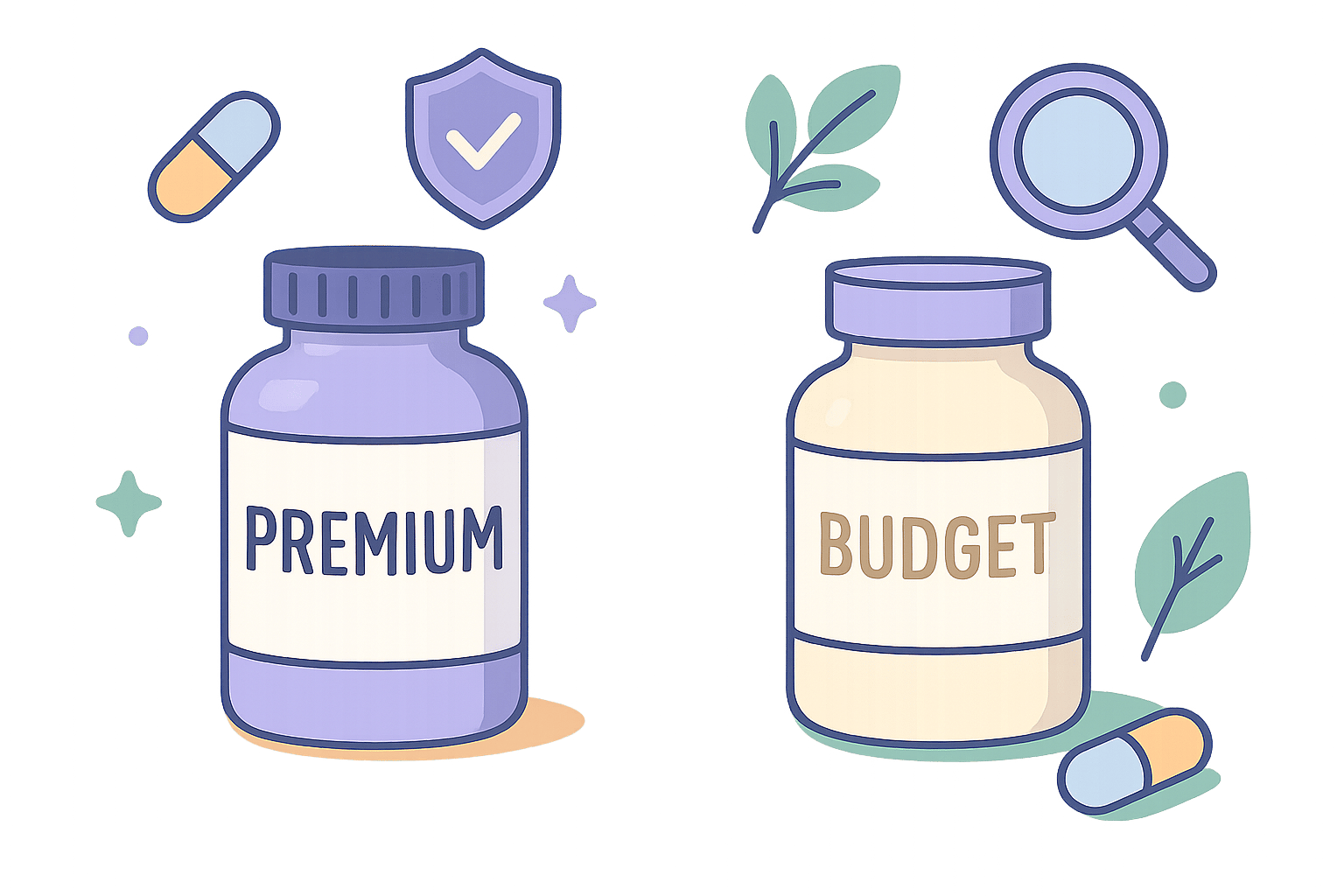
Premium supplements often claim superior quality, better absorption, and stricter safety standards - but are they worth the higher price? Here's the short answer: It depends on your health needs and budget.
Key takeaways:
- Premium supplements: Offer advanced formulations, better absorption (e.g., calcium citrate), and third-party testing for purity and safety. However, they're expensive and don’t always guarantee better results.
- Budget supplements: Affordable and effective for basic nutritional needs, but may lack advanced features, use less absorbable ingredients, or skip rigorous testing.
Quick facts:
- The supplement industry is a $151.9 billion market (2021), projected to grow to $239.4 billion by 2028.
- FDA does not pre-approve supplements, so quality varies across brands.
- Tools like SlipsHQ let you scan barcodes to verify safety, ingredient quality, and effectiveness.
If you have specific health concerns, premium supplements may justify their cost. For general nutrition, reliable budget options often work just as well. Always research brands and look for third-party certifications to ensure safety and quality.
1. Premium Supplements
Premium supplements often come with higher price tags, promising superior quality, better absorption, and stricter safety measures. But does the evidence back up these claims? The results are mixed.
Quality and Sourcing
Premium brands tend to emphasize high-quality ingredients and manufacturing processes. Many use patented nutrient forms that claim to improve how the body absorbs them. Take calcium citrate, for instance - it’s a staple in premium supplements and absorbs about 20% better than calcium carbonate, a common ingredient in budget options.
"The fact is, it costs money to make quality dietary supplements such as vitamins, proteins, fish oil capsules, energy bars, herbal blends, and/or sports nutrition products."
– Gary Collins, Former FDA Investigator
However, a higher price doesn’t always equal better quality. A ConsumerLab study in March 2025 tested 60 multivitamins and found that while many inexpensive options passed rigorous quality checks, several pricier products failed due to mislabeling or contamination. This shows that while premium brands may focus on better ingredient sourcing, price alone isn’t a reliable indicator of quality.
Premium supplements often avoid fillers and artificial additives, focusing instead on purity and bioavailable nutrient forms. These choices can make them more effective but also significantly more expensive.
Effectiveness
Certain advanced delivery methods, like liposomal technology, are used in premium supplements to improve absorption. For example, Manna, a supplement company, reported in September 2024 that their liposomal delivery system enhanced nutrient absorption by up to 10 times compared to traditional methods. This kind of technology can justify higher prices, especially for people with specific health needs.
Effectiveness, however, depends on the individual. Pharmacist Aidan Goggins points out that while most people can benefit from affordable calcium supplements, those with low stomach acid might absorb calcium citrate - a more expensive option - more easily. This highlights how premium formulations can be worth the cost for certain health conditions, even if they’re unnecessary for the average person.
That said, distinguishing real benefits from marketing hype can be tricky. While premium brands often invest in research and development, the core active ingredients are generally the same across price points. The differences lie in purity, form, and additional compounds that may enhance effectiveness.
Safety
When it comes to safety, premium supplements often stand out. Many undergo rigorous third-party testing to verify their purity and potency, which is especially reassuring given the FDA’s limited role in regulating dietary supplements.
"Some premium brands undergo more rigorous third-party testing to ensure purity, potency, and absence of contaminants."
– Nichola Ludlam-Raine, Registered Specialist Dietitian
This additional testing can make a big difference. Cheaper supplements sometimes contain less of the active ingredients than advertised or may include harmful contaminants. Certifications from organizations like USP or NSF provide an extra layer of trust, ensuring that premium products meet high standards - a step budget options often skip to cut costs.
Value
Evaluating the value of a supplement means looking beyond the price tag to what you’re actually getting. For instance, a premium magnesium supplement might cost $33.59 for 60 capsules, while a budget version is $5.39 for 30 tablets. The higher price may reflect better absorption, fewer fillers, or stricter safety testing.
"Marketing plays a massive role in supplement pricing... This can create a perception that they are far superior to cheaper alternatives."
– Nichola Ludlam-Raine, Registered Specialist Dietitian
To cut through the marketing noise, tools like SlipsHQ can be invaluable. They allow consumers to analyze supplements based on scientific trust scores, ingredient purity, and safety warnings. By scanning barcodes, users can access detailed reviews of over 200,000 supplements, helping them decide whether a premium product is worth the investment or simply riding on a flashy marketing campaign.
For those with specific health needs, the added benefits of premium supplements may justify the cost. But for general nutritional support, the extra expense often doesn’t translate into better health outcomes.
2. Budget Supplements
When it comes to supplements, not everyone is looking for premium features or cutting-edge formulations. Budget supplements focus on affordability, offering a practical way to meet basic nutritional needs. While they may lack some of the bells and whistles of higher-end products, they can still provide reliable support if you know what to look for.
Quality and Sourcing
Budget supplements often rely on simpler ingredients and manufacturing methods to keep costs low. This doesn’t automatically mean they’re subpar, but it does require careful consideration of the brand’s reputation. For example, budget calcium supplements might use calcium carbonate, which is less absorbable than the calcium citrate found in premium options. Brands like NOW Foods have earned trust by maintaining transparency and consistent quality while keeping prices reasonable.
Understanding the formulation is key. Lower-cost products may include less bioavailable nutrient forms, but that doesn’t mean they’re ineffective. It’s about choosing products from companies that prioritize safety and clear labeling.
Effectiveness
When it comes to addressing basic deficiencies, budget supplements often deliver results comparable to premium ones. The active ingredients are usually the same, though the delivery method or nutrient form may differ. For instance, in December 2022, registered dietitian Kelsey Lorencz highlighted NOW Foods Vitamin D3 as a budget-friendly option that undergoes both in-house and third-party testing, ensuring reliability.
"Some companies invest a lot in research and studying, which increases the price - but this doesn't mean that lower cost brands can't be effective." – Dr. Kerri Masutto, Board-Certified Internal Medicine Doctor
For straightforward needs like boosting vitamin C or zinc intake, budget options work well. A 2012 study in the Journal of International Medical Research even found that combining vitamin C and zinc can help reduce the severity and duration of colds. However, when it comes to advanced absorption technologies or specialized formulations, budget brands often fall short. This might mean taking higher doses or using products more frequently to achieve similar results.
Safety
One of the biggest concerns with budget supplements is safety. These products may include fillers or additives that are ineffective - or worse, harmful. Unlike medicines, supplements don’t undergo strict pre-market testing. For example, in the UK, supplements are governed by the Food Supplements (England) Regulations 2003, but this regulation doesn’t guarantee rigorous testing. Reports have even uncovered instances where supplements didn’t contain the ingredients listed on their labels.
"It would be wrong to assume that just because you're paying more, you are getting a better product." – Professor Margaret Rayman, University of Surrey
To protect yourself, look for third-party certifications from organizations like USP or NSF, which verify safety and ingredient accuracy. Be extra cautious with supplements sourced from overseas, as they may not adhere to U.S. safety standards.
Value
From a cost perspective, budget supplements can deliver excellent value for everyday needs. For example, vitamin D supplements can cost as little as $0.17 per serving, and basic calcium tablets might be priced at $2.49 for 60 tablets - far less than premium alternatives. However, affordability isn’t everything. A poorly absorbed supplement isn’t truly economical. Tools like SlipsHQ can help you assess a product’s value by analyzing ingredients and safety standards. Simply scanning a barcode can reveal whether a supplement meets quality benchmarks and contains what it claims.
Ultimately, budget supplements can be a smart choice if you stick to reputable brands that prioritize quality and transparency. They offer a cost-effective way to support your health without breaking the bank.
Pros and Cons Comparison
When deciding between premium and budget supplements, the choice often boils down to balancing quality with cost. Each option comes with its own set of trade-offs, impacting both health benefits and affordability.
Premium supplements stand out when quality is the priority. These products often feature higher-grade ingredients and undergo more rigorous testing for purity and potency. For example, a March 2025 review highlighted that premium brands like Solgar and Garden of Life incorporate patented or trademarked vitamin formulations, which improve absorption and justify their higher price tags. Additionally, premium brands usually provide detailed sourcing information, fostering trust in their products.
However, the downside is the cost. Premium supplements are significantly more expensive, making them less accessible for everyday use, especially for those looking to build a comprehensive regimen.
On the other hand, budget supplements excel in affordability. Priced between $10 and $30, they make basic nutritional support accessible to a broader audience. For straightforward needs, reputable budget brands can often meet expectations, as their active ingredients are frequently similar to those in premium options.
That said, quality and safety concerns are more pronounced with budget supplements. These products may include fillers or lower-quality ingredients. Research has shown that some budget options don't contain the stated amounts of active ingredients, which can reduce their effectiveness. Safety is another concern - some budget supplements sold online exceed recommended dosages. For instance, certain vitamin D3 products contain up to 10,000 IU, far above the recommended limit of 4,000 IU.
Here’s a quick comparison of the key differences:
| Aspect | Premium Supplements | Budget Supplements |
|---|---|---|
| Ingredient Quality | High-grade; patented formulations | May include fillers; basic ingredient forms |
| Testing Standards | Stricter third-party testing | Less rigorous testing; inconsistencies possible |
| Transparency | Detailed sourcing and production info | Limited manufacturing transparency |
| Price Range | $30 and above | $10 to $30 |
| Safety | Adheres to stricter safety standards | Risk of exceeding safe dosages |
| Effectiveness | Better absorption and consistent potency | Variable absorption and effectiveness |
The difference in effectiveness becomes especially clear with specialized formulations. For example, a study in the Journal of International Medical Research found that budget vitamin C and zinc supplements were less effective in alleviating cold symptoms compared to premium versions with enhanced absorption technologies. Similarly, research on magnesium supplements revealed that premium brands using magnesium citrate had better absorption rates than budget brands relying on magnesium oxide.
This is where tools like SlipsHQ can be incredibly helpful. By scanning a product’s barcode, you can access science-based trust scores that evaluate safety, efficacy, quality, transparency, and value. Covering over 200,000 supplements, this app cuts through marketing hype to provide clear insights into product quality.
Consumer demand for transparency has pushed both premium and budget brands to step up their game. Even so, premium brands consistently earn higher ratings for effectiveness and customer satisfaction, with many users reporting noticeable health improvements. The growing interest in better health outcomes has also driven an increase in premium supplement sales.
Safety remains a key consideration for both categories. A survey revealed that 35% of UK adults buy supplements from online marketplaces like Amazon, where products often exceed safe dosage limits. Whether you choose premium or budget options, look for third-party certifications from organizations like USP or NSF to ensure quality and potency.
Ultimately, the right choice depends on your individual needs and budget. For basic nutritional support, reliable budget brands can do the job. But if you’re addressing specific health concerns or want maximum absorption and effectiveness, premium supplements are worth the investment due to their superior formulations and stringent quality controls.
Conclusion
Deciding whether premium supplements are worth the extra cost ultimately comes down to your individual needs and priorities. As we've discussed, factors like quality, safety, and absorption are crucial to consider alongside the price tag.
Premium supplements often stand out for their attention to detail - specialized formulations and rigorous third-party testing can provide added assurance of quality and effectiveness. But this comes at a price. For example, the average monthly supplement stack can run about $172, which can quickly add up over time.
On the other hand, more affordable supplements can meet basic nutritional needs without breaking the bank. Many budget-friendly options contain active ingredients similar to their premium counterparts, making them a practical choice for straightforward vitamin and mineral support. However, quality and safety can vary, so it's essential to research carefully.
To make smarter decisions, tools like SlipsHQ’s trust scores can be a game-changer. By evaluating over 200,000 supplements on criteria like safety, efficacy, and transparency, these scores cut through marketing noise and provide clear, science-backed insights. Simply scanning a product's barcode can help you identify high-quality supplements that fit your budget.
Balancing quality and cost is key. For example, swapping an expensive biotin supplement priced at $1.33 per serving for a reliable alternative at just $0.15 per serving could save you around $430 annually.
Premium supplements might be worth the investment if you have specific health concerns or need specialized formulations. But for general nutritional support, a well-researched budget option can often do the job. The best approach? Focus on verified ingredients, accurate dosages, and proven bioavailability - letting science, not marketing, guide your choices.
FAQs
Are premium supplements really worth the higher price compared to budget options?
When weighing whether a premium supplement is worth the extra money, it’s important to focus on ingredient quality, purity, and effectiveness. Premium brands often prioritize higher-quality ingredients, which can enhance how well your body absorbs the nutrients (bioavailability) and minimize exposure to unwanted additives or fillers. Choosing products that are third-party tested for safety and accuracy is also crucial - this ensures that what’s on the label matches what’s inside the bottle.
Premium supplements sometimes go a step further by including extras like adaptogens, probiotics, or other research-supported ingredients designed to promote overall wellness. To make a smart decision, take a close look at the ingredient list, recommended dosage, and the brand’s transparency and reputation. Tools like SlipsHQ can simplify this process by helping you assess a supplement's quality, safety, and overall value, so you can shop with confidence.
What are the risks of choosing cheaper supplements over premium ones, and how can I avoid them?
Cheaper supplements might seem like a bargain, but they can come with hidden risks. These include lower-quality ingredients, inaccurate dosages, or even fillers and contaminants. Many of these products also skip third-party testing, which is crucial for verifying safety and quality.
To steer clear of these pitfalls, start by reading the label carefully. Check for accurate dosages and ensure the product has minimal inactive ingredients. Look for certifications from reliable third-party organizations like USP or NSF International - these stamps of approval indicate that the supplement meets strict standards. Additionally, prioritize brands that are open about their ingredient sourcing and manufacturing processes. If you're unsure about a product, tools like SlipsHQ can simplify the process of assessing its quality and safety.
Why is third-party testing important for premium supplements?
Third-party testing plays a key role in guaranteeing that premium supplements uphold strict standards of quality, safety, and accuracy. This independent process confirms that the ingredients and dosages on the label are correct, ensures the product is free from harmful contaminants, and verifies it hasn’t been mislabeled or altered in any way.
By offering an impartial review, third-party testing helps establish trust and reassures consumers that they’re choosing a product that’s both reliable and safe to use.