
Best Vitamins for Busy Professionals
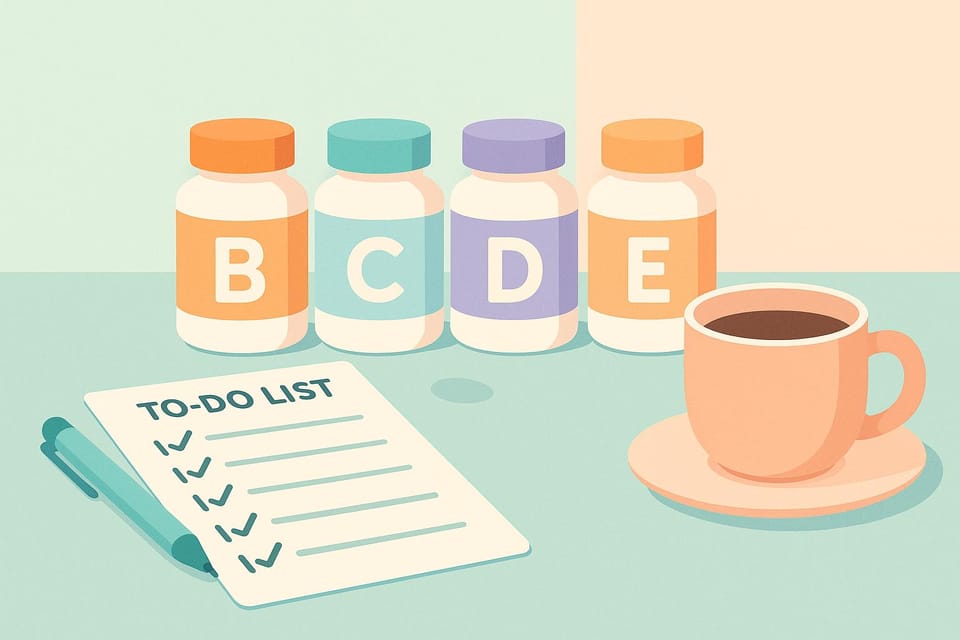
Vitamin B Complex
Vitamin B Complex supports energy levels, cognitive function, and reduces stress and anxiety, making it highly recommended for busy professionals. The B vitamins, including B1, B2, B3, B5, B6, B9 (folate), and B12, play crucial roles in converting food into energy and supporting cellular metabolism, which helps combat fatigue and sluggishness. Specifically, B6 and B9 help produce serotonin, the "feel-good" hormone, while B12 supports nervous system function and reduces symptoms of depression. B1 and B2 aid brain energy production and cognitive function, and niacin (B3) helps manage stress and anxiety by improving blood flow to the brain. These benefits are particularly important for individuals experiencing chronic stress or overwork, as stress depletes B vitamins. Supplementation with Vitamin B Complex can lead to noticeable improvements in energy and mood, especially for those with deficiencies. It is essential for busy professionals to maintain optimal B vitamin levels for brain health, energy, and stress management.
Top Recommended Supplements
- Nature's Bounty Super B-Complex
- Thorne B-Complex #12
- Klean Athlete Klean B-Complex
- Nordic Naturals Vitamin B Complex
- Garden of Life Vitamin Code Raw B-Complex
- NutraChamps B Complex
- Pure Encapsulations B-Complex Liquid
Key Benefits
- Supports energy production by converting food into energy, crucial for maintaining stamina during busy workdays.
- Enhances cognitive function, including improved memory, focus, and mental clarity, aiding productivity.
- Reduces stress and anxiety by supporting nervous system health and mood regulation.
- Contributes to brain health by maintaining optimal vitamin B12 levels, potentially slowing cognitive decline.
- Helps regulate mood through serotonin production, promoting emotional well-being.
- Improves concentration and mental performance by supporting neurotransmitter synthesis and brain cell function.
Evidence-Based Pros
- Vitamin B Complex boosts energy levels by aiding conversion of food into energy and supporting cellular metabolism, helping reduce fatigue common in busy professionals. Specific B vitamins like B1, B2, B3, B5, B6, and B12 contribute to this effect. (justvitamins.co.uk)
- B vitamins support cognitive function and brain health by aiding neurotransmitter production (serotonin, dopamine, GABA) and reducing symptoms of depression and brain fog, which are critical for busy professionals. Studies show B12 supplementation can slow brain shrinkage and improve cognitive performance. (justvitamins.co.uk, tufts.edu)
- Clinical trials indicate B vitamin supplementation reduces occupational stress and improves mood in full-time employed adults, making it beneficial for managing workplace stress. (pmc.ncbi.nlm.nih.gov)
- B6, B9 (folate), and B12 contribute to homocysteine metabolism, associated with reduced risk of cognitive decline and dementia, supporting long-term brain health. (verywellmind.com, tufts.edu)
- B vitamins, especially niacin (B3), help manage stress and anxiety by improving blood flow to the brain and regulating the nervous system, enhancing mental resilience in high-stress environments. (justvitamins.co.uk, verywellmind.com)
Evidence-Based Cons
- Taking too much vitamin B6 can cause peripheral neuropathy, resulting in nerve damage with symptoms such as numbness, tingling, muscle weakness, and loss of muscle control in hands and feet.
- High doses of niacin (vitamin B3) can cause flushing, blurred vision, heartburn, high blood sugar, liver damage, low blood pressure, and nausea.
- Excessive intake of folate (vitamin B9) can mask a vitamin B12 deficiency, potentially leading to nerve damage, and may increase the risk of colorectal and other cancers in some individuals.
- Very high doses of B5 (pantothenic acid) may cause nausea or diarrhea.
- Very high doses of biotin (vitamin B7) can interfere with laboratory tests for thyroid or heart function.
- Although B vitamins are water-soluble and usually excreted in urine, extremely high doses can cause side effects.
- People with diabetes, liver disease, or vitamin B12 deficiency should consult a healthcare provider before taking B complex supplements due to potential interactions or complications.
Dosage Guidelines
For busy professionals, the recommended dosage of Vitamin B Complex generally exceeds the traditional RDAs to support energy, cognitive function, and stress management. A smart approach is to take the following daily amounts for healthy adults:
- B1 (Thiamine): 25-100 mg
- B2 (Riboflavin): 25-100 mg
- B3 (Niacin): 20-100 mg
- B5 (Pantothenic Acid): 50-200 mg
- B6 (Pyridoxine): 25-50 mg
- B7 (Biotin): 300-1000 mcg
- B9 (Folate): 400-800 mcg
- B12 (Cobalamin): 100-1000 mcg
These doses are higher than the minimum RDAs to provide therapeutic benefits such as improved energy metabolism, brain function, and stress adaptation. It is best to take B Complex supplements with the first meal of the day for optimal absorption and energy support. Avoid taking them late in the day to prevent interference with sleep. Splitting doses can help absorption if taking high amounts.
Special considerations for busy professionals include:
- Higher needs under chronic stress, digestive issues, or if over 50 years old.
- Prefer active forms of B vitamins (e.g., methylfolate, methylcobalamin, P-5-P) for better bioavailability.
- Avoid supplements with unnecessary additives.
- Choose third-party tested brands for purity and potency.
Start with moderate doses and adjust based on your body's response. Watch for side effects such as nerve symptoms from excessive B6 (>100 mg) or flushing from high niacin doses.
Taking B Complex with a full glass of water and a consistent meal enhances absorption and routine adherence.
This guidance aligns with expert recommendations to support the energy and cognitive demands typical of busy professionals. (mywowhealth.com, naturemade.com, healthline.com)
Safety Considerations
Vitamin B Complex is generally safe for most people, including busy professionals, but caution is advised with high doses. Excessive intake of some B vitamins can cause side effects such as diarrhea, rashes, headaches, flushing, and stomach upset. Specifically, high doses of vitamin B6 may lead to nerve damage and numbness in hands and feet, while high doses of niacin can cause flushing and blurred vision in extreme cases. Vitamin B Complex supplements are not FDA-approved for safety and effectiveness, so consultation with a healthcare provider is recommended before use. Additionally, Vitamin B Complex may interact with certain medications such as anisindione, bortezomib, capecitabine, ceftibuten, cephalexin, cephradine, cholestyramine, and colesevelam, so users should be cautious if taking these drugs. Busy professionals should monitor dosage carefully and consider any personal health conditions or medications to avoid adverse effects and interactions. (Healthline, WebMD, Care Hospitals, Verywell Health)
Common Side Effects
Common side effects of Vitamin B Complex for busy professionals may include skin rash, itching, hives, and swelling of the face, lips, tongue, or throat as allergic reactions. High doses of some B vitamins, especially B3 (niacin), can cause skin flushing, vomiting, high blood sugar, and in rare cases liver damage. Other side effects can include stomach upset, headache, weakness, fatigue, nerve damage and numbness in hands and feet (particularly from excessive B6), and tingling sensations. Serious side effects to watch for include breathing difficulties, racing heart, fever, and general ill feeling. These side effects are uncommon when taken at recommended doses but should be monitored closely, especially by busy professionals relying on Vitamin B Complex for energy and cognitive support. (Cleveland Clinic, Healthline, WebMD, Verywell Health)
Product Selection Advice
When selecting a Vitamin B Complex supplement for busy professionals, prioritize products that contain all eight essential B vitamins (B1, B2, B3, B5, B6, B7, B9, and B12) in bioavailable forms such as methylcobalamin (B12) and methylfolate (B9) for better absorption and effectiveness. Ensure the supplement provides at least 100% of the daily recommended intake for adults. Avoid products with unnecessary fillers like magnesium stearate or silicon dioxide, which can reduce effectiveness. Choose brands that conduct third-party testing for purity and potency, and look for certifications such as non-GMO, vegan, and allergen-free to accommodate dietary restrictions and allergies. For vegetarians and vegans, select supplements with fortified B12 sources. Transparent labeling and good manufacturing practices are important. Consult a healthcare provider for personalized dosage advice, especially if you have absorption issues or special health conditions. This guidance helps busy professionals safely and effectively support energy, cognitive function, and stress reduction with Vitamin B Complex supplements.
Integration Tips
For busy professionals, the best way to integrate Vitamin B Complex into daily routines is to take the supplement with the first meal of the day to maximize energy conversion when it's most needed. Avoid taking B complex vitamins late in the day to prevent potential sleep disturbances, as B vitamins can be energizing. If taking high doses, consider splitting the dose into two smaller amounts to improve absorption. It's also recommended to take B complex with food to reduce nausea, except for B12 which absorbs better on an empty stomach. Choose supplements with active forms of B vitamins like methylcobalamin (B12), methylfolate (B9), and P-5-P (B6) for better bioavailability. Avoid products with unnecessary fillers and opt for brands with third-party testing for purity and potency. Pay attention to how you feel and adjust dosage accordingly to ensure steady energy without jitters and mood improvement without feeling wired. This approach supports energy levels, cognitive function, and stress reduction, which are critical for busy professionals.
Vitamin C Vitamin C is a powerful antioxidant that reduces oxidative stress by scavenging free radicals and suppressing lipid peroxidation, which helps protect cells from damage caused by daily pressures and physical strain common in busy professionals. It supports immune function by enhancing white blood cell activity and improving iron absorption, crucial for maintaining energy and health. Importantly, a 2015 study demonstrated that vitamin C supplementation significantly decreases oxidative stress markers after acute and regular exercise, highlighting its role in managing physiological stress. Additionally, vitamin C helps manage stress levels by preventing cortisol buildup, the stress hormone, thereby aiding in stress regulation and mood improvement. These benefits make vitamin C an essential supplement for busy professionals seeking to maintain resilience, immune health, and stress balance throughout demanding schedules.
Vitamin C is a powerful antioxidant that reduces oxidative stress by neutralizing free radicals and suppressing lipid peroxidation, which helps protect cells from damage. It supports immune function by enhancing the body's natural defenses and plays a vital role in collagen synthesis, iron absorption, and neurotransmitter production. For busy professionals, vitamin C also aids in managing stress levels by preventing the buildup of cortisol, the stress hormone, thereby helping to combat oxidative stress and reduce the physiological impacts of pressure. A 2015 study demonstrated that vitamin C supplementation can effectively reduce oxidative stress and prevent cortisol accumulation, supporting overall stress management in high-pressure environments. This makes vitamin C an essential supplement for maintaining immune health, reducing oxidative damage, and managing stress in demanding lifestyles (PMC, PMC, PMC).
Top Recommended Supplements
- Performance Lab Vitamin C - Known for enhanced absorption with bio-quercetin, clean formulation, vegan capsule, and 1,000 mg per capsule dose, suitable for daily use by busy professionals.
- Nutricost Ascorbic Acid Powder - A budget-friendly, pure vitamin C powder with 1,000 mg per serving, ideal for flexible dosing and those who prefer powder supplements.
- Thorne Vitamin C with Flavonoids - A capsule supplement with added antioxidants, well-regarded for quality and absorption, good for professionals seeking a potent capsule form.
- Nordic Naturals Vitamin C Gummies - A convenient gummy form for those who prefer chewables, suitable for on-the-go supplementation.
- Mary Ruth’s Megadose Vitamin C Liquid - A liquid vitamin C supplement option for easy intake and quick absorption, good for busy lifestyles requiring flexibility.
Key Benefits
- Reduces oxidative stress by scavenging free radicals and limiting damage to biological molecules, which helps protect cells from stress-related damage.
- Supports immune function by enhancing the activity of white blood cells and improving the body's defense against infections.
- Helps manage stress levels by preventing the buildup of cortisol, the primary stress hormone, thereby aiding in stress regulation for individuals under pressure.
- Contributes to collagen synthesis and wound healing, supporting overall physical resilience.
- Improves absorption of nonheme iron, which can help maintain energy levels and reduce fatigue common in busy lifestyles.
Evidence-Based Pros
- Vitamin C acts as a powerful antioxidant, reducing oxidative stress and inflammation, which helps protect cells from damage caused by stress and environmental factors common in busy professionals.
- It supports immune function by enhancing white blood cell activity and antibody production, helping busy professionals maintain health and resist infections.
- Vitamin C helps manage stress by reducing cortisol levels, the stress hormone, thereby mitigating the physical and mental effects of chronic stress.
- It is essential for collagen synthesis, supporting skin, blood vessels, and connective tissue health, which can be compromised by stress and aging.
- Vitamin C supports neurotransmitter production (dopamine and norepinephrine) that regulate mood and motivation, aiding mental resilience and emotional balance.
- It boosts energy levels by aiding L-carnitine synthesis, important for energy metabolism, helping busy professionals combat fatigue.
- Vitamin C regulates the hypothalamic-pituitary-adrenal (HPA) axis, improving the body's ability to cope with stress effectively.
Evidence-Based Cons
- High doses of vitamin C, especially above 2,000 mg per day, can cause gastrointestinal issues such as upset stomach, vomiting, diarrhea, stomach cramps, and bloating.
- Vitamin C supplementation may cause headache, tiredness, sleep disturbances like insomnia in some individuals.
- Long-term use of high doses of vitamin C supplements increases the risk of kidney stones, particularly in people predisposed to kidney or urinary tract issues.
- People with glucose-6-phosphate dehydrogenase (G6PD) deficiency may experience hemolytic anemia when taking high doses of vitamin C.
- Vitamin C can interfere with certain medical tests, potentially causing false results in blood sugar and stool tests.
- Chewable or gummy vitamin C supplements can erode dental enamel over time due to their acidity, increasing tooth sensitivity and risk of cavities.
- Excessive vitamin C intake may exacerbate iron overload conditions like hemochromatosis, leading to potential organ damage.
- High doses of vitamin C might act as a pro-oxidant under certain conditions, potentially increasing oxidative stress rather than reducing it.
- Vitamin C may interact with certain medications such as chemotherapy drugs, statins, niacin, protease inhibitors, and warfarin, potentially affecting their efficacy or safety.
Dosage Guidelines
For busy professionals managing stress, the recommended dosage of Vitamin C is generally higher than the standard RDA due to its role in reducing oxidative stress and cortisol buildup. The current Recommended Dietary Allowance (RDA) for adults is 75 mg for women and 90 mg for men, but studies suggest that doses ranging from 500 mg to 1,000 mg daily may provide enhanced benefits for stress management. One study gave participants 1,000 mg of Vitamin C and found significant reductions in stress markers such as cortisol and blood pressure, along with subjective feelings of reduced stress. Vitamin C is water-soluble, so doses above 1 gram daily have lower absorption rates, and excess is excreted in urine. It is recommended to take Vitamin C in divided doses throughout the day or use time-released formulations to maintain steady plasma levels. Special considerations include choosing high-quality supplements with good bioavailability and considering dietary sources like fruits and vegetables to complement supplementation.
Safety Considerations
Vitamin C is generally safe for busy professionals when taken within recommended doses. However, doses above 2,000 mg per day may cause serious side effects such as kidney stones, severe diarrhea, stomach cramps, nausea, heartburn, headaches, and dizziness. People with blood disorders like thalassemia, G6PD deficiency, sickle cell disease, and hemochromatosis should avoid vitamin C supplements due to potential risks. Vitamin C can also interfere with radiation therapy and chemotherapy, so it should be avoided during these treatments. Excessive intake may increase iron absorption and acidify urine, raising uric acid and oxalate levels, which can increase kidney stone risk. It is important to consult a healthcare provider before starting supplementation, especially if taking other medications or supplements. Sticking to recommended doses and avoiding excessive intake minimizes risks and side effects (Mayo Clinic, NIH ODS, WebMD, Verywell Health, NCBI, Vinmec, MSKCC)
Common Side Effects
Typical side effects of Vitamin C, especially for busy professionals, include gastrointestinal issues such as upset stomach, nausea, diarrhea, stomach cramps, and heartburn. Headaches and insomnia can also occur, particularly with high doses. Taking more than 2000 mg daily may increase the risk of kidney stones and severe diarrhea. These side effects tend to arise when exceeding the recommended dosage and should be considered when incorporating Vitamin C into daily routines for stress and immune support (Mayo Clinic, WebMD, Healthline).
Product Selection Advice
When choosing a Vitamin C supplement for busy professionals, prioritize products that are non-GMO, vegan, and free from common allergens such as gluten, dairy, and soy to suit diverse dietary needs. Look for third-party certifications like Non-GMO Project Verified, NSF Certified, and vegan certification to ensure product quality and ingredient integrity. Trusted brands include Garden of Life's Vitamin Code Raw Vitamin C and Codeage Liposomal Vitamin C, known for purity and bioavailability. Opt for pure ascorbic acid or liposomal vitamin C forms for better absorption. Avoid supplements containing gelatin if vegan or vegetarian. Choose products manufactured in cGMP-certified facilities to ensure safety and quality. Consider the supplement form—capsules, powders, or liquids—based on convenience and personal preference to fit a busy lifestyle. Always follow dosage recommendations and avoid excessive intake beyond daily recommended amounts unless advised by a healthcare professional.
Integration Tips
For busy professionals, integrating Vitamin C into daily routines can be made easy by taking it with breakfast or alongside a morning coffee to build consistency. Portable supplement forms like capsules or powder sachets are convenient for on-the-go use and can be kept in a bag or desk drawer for quick access during breaks. Pairing Vitamin C intake with meals, such as lunch, helps improve absorption and creates a habitual reminder. Setting phone reminders or using a supplement organizer can further support regular use. Choosing reputable brands with third-party certifications ensures safety and quality. These simple strategies help busy professionals maintain immune support and manage stress effectively amidst their hectic schedules.
Vitamin D Supports immune function, mood, and heart health. Vitamin D promotes calcium absorption for bone health and normal bone mineralization. It reduces inflammation and modulates immune function and glucose metabolism. It plays a role in mood regulation, with deficiency linked to depression and anxiety, especially in indoor-working professionals with limited sun exposure. Vitamin D supports heart health by regulating blood pressure and blood vessel function, with deficiency associated with increased risk of cardiovascular events. It can influence stress levels and improve mood, particularly among those with deficiencies common in indoor lifestyles.
Vitamin D is essential for busy professionals, especially those who work long hours indoors with limited sun exposure. It supports immune function, mood regulation, and heart health. Vitamin D helps regulate calcium and phosphate levels, which are crucial for maintaining healthy bones and preventing diseases like osteoporosis. Deficiency in Vitamin D is common among indoor-working professionals and can negatively affect stress levels and mood. Adequate Vitamin D levels can improve mental well-being, energy, and productivity. Natural sources include fatty fish, egg yolks, and UV-exposed mushrooms, but supplementation with Vitamin D3 is often necessary to meet daily needs of 600 to 800 IU. Maintaining sufficient Vitamin D is a practical strategy for enhancing overall health, mood, and resilience in busy professionals.
Top Recommended Supplements
- Transparent Labs Vitamin D3 + K2
- Nutricost Vitamin K2 + Vitamin D3
- Thorne Vitamin D
- Now Vitamin D3
- Sports Research Vitamin D3
Key Benefits
- Supports bone health by aiding calcium absorption, essential for strong bones and preventing osteoporosis and rickets.
- Strengthens the immune system, helping fight infections like flu and respiratory illnesses, and reduces inflammation to prevent chronic diseases.
- Improves mental health by regulating mood, reducing depression, anxiety, and mood swings, especially important for indoor-working professionals.
- Supports heart health by regulating blood pressure and improving blood vessel function, reducing risks of hypertension, heart attacks, and strokes.
- Maintains muscle strength and coordination, essential for physical activity and balance.
- Has antioxidant properties that protect against cell damage and may slow aging.
- May improve sleep quality, boost energy, and enhance overall productivity and mental well-being.
- Regulates calcium and phosphate levels, crucial for bone and muscle health.
Evidence-Based Pros
- Vitamin D plays an important role in bone and muscle health, helping to regulate calcium and phosphate in the body which are necessary for building and maintaining healthy bones, thereby reducing the risk of bone diseases like osteoporosis and fractures. (mitohealth.com)
- Vitamin D supports immune function, helping protect against respiratory infections and viruses common in working adults, which can reduce sick days. (mitohealth.com, ccjm.org)
- Vitamin D influences mood and mental well-being, potentially improving stress levels and sleep quality, which is particularly beneficial for indoor-working professionals who may have deficiencies. (mitohealth.com)
- Vitamin D has anti-inflammatory and antioxidant properties that help prevent cell damage and may slow the aging process. (mitohealth.com)
- Adequate vitamin D is important for muscle strength and coordination, supporting physical activity and balance. (mitohealth.com)
- Vitamin D may help prevent cognitive decline as people age by supporting brain health. (mitohealth.com)
- Vitamin D promotes calcium absorption in the gut and maintains serum calcium and phosphate concentrations necessary for normal bone mineralization. (ods.od.nih.gov)
- Vitamin D reduces inflammation and modulates processes such as cell growth, neuromuscular and immune function, and glucose metabolism. (ods.od.nih.gov)
- Vitamin D supplementation has immunomodulatory effects on both innate and adaptive immune systems and may reduce the risk and severity of infections like COVID-19. (ccjm.org)
- Maintaining serum 25(OH)D levels of around 30-50 ng/mL is associated with minimized secondary hyperparathyroidism and better bone health. (pmc.ncbi.nlm.nih.gov)
- Vitamin D deficiency is linked to increased risk of cardiovascular disease, diabetes, multiple sclerosis, and certain cancers, so maintaining adequate levels can help reduce these risks. (mitohealth.com, pmc.ncbi.nlm.nih.gov)
Evidence-Based Cons
- Vitamin D supplementation can rarely cause vitamin D toxicity, which may lead to hypercalcemia (excess calcium in the blood), potentially causing nausea, vomiting, weakness, and kidney problems if not managed properly. It is important for busy professionals to avoid excessive doses and consult healthcare providers before starting supplements, especially if they have pre-existing health conditions or are taking other medications. (Healthdirect Australia)
- Indoor-working professionals are at higher risk of vitamin D deficiency due to limited sunlight exposure, but supplementation should be carefully monitored to avoid overdosing. Over-supplementation without medical supervision can lead to adverse effects. (PMC Article on Shiftwork and Indoor Work)
- Some individuals may experience mild side effects such as gastrointestinal discomfort when taking vitamin D supplements, which can affect adherence to supplementation regimens. (Healthdirect Australia)
Dosage Guidelines
For busy professionals, especially those who work indoors and may have limited sun exposure, the recommended daily intake of Vitamin D is generally 600 to 800 International Units (IU) per day for adults aged 1 to 70 years. This dosage helps support immune function, mood, heart health, and bone health. Some individuals with low vitamin D levels or higher risk of deficiency may require higher doses, typically ranging from 1000 to 2000 IU daily, but this should be done under medical supervision.
Vitamin D is best absorbed when taken with meals containing fat. It is important to avoid excessive intake; the safe upper limit is 4000 IU per day to prevent potential side effects such as stomach upset, kidney damage, or hypercalcemia. Regular monitoring of vitamin D blood levels can help tailor the dosage to individual needs.
Busy professionals should consider vitamin D supplementation especially during months with limited sunlight exposure and if they have risk factors such as darker skin, obesity, or limited outdoor activity. Choosing supplements with vitamin D3 (cholecalciferol) is preferred for better efficacy. Always consult a healthcare provider before starting supplementation, particularly if taking medications or having underlying health conditions.
Safety Considerations
Vitamin D supplementation is generally safe when taken in typical doses. However, taking excessive amounts, particularly above 4,000 IU per day, can lead to adverse effects such as upset stomach, vomiting, weight loss, muscle weakness, cognitive issues, heart rhythm problems, kidney stones, and kidney damage. Busy professionals or indoor workers, who may have limited sun exposure, should consider supplementation but must avoid excessive intake to prevent toxicity. Vitamin D toxicity can cause hypercalcemia (too much calcium in the blood), which can have serious health consequences.
Certain individuals should be cautious or consult healthcare providers before taking vitamin D supplements, including those with kidney failure, as vitamin D combined with phosphate binders containing aluminum may cause harmful aluminum levels. Vitamin D can interact with various medications such as anticonvulsants, cholesterol-lowering drugs, heart medications (e.g., digoxin, diltiazem, verapamil), steroids, diuretics, and stimulant laxatives, potentially affecting their efficacy or increasing risks.
It is important for busy professionals to get their vitamin D levels checked through blood tests before starting supplementation, especially if they spend most of their time indoors. Supplementation should complement a healthy lifestyle and not replace it. If signs of overdose occur, such as confusion or severe muscle weakness, immediate medical advice should be sought.
In summary, while vitamin D supports immune function, mood, and heart health, careful dosing and awareness of interactions and contraindications are crucial for safety in busy professionals and indoor workers.
Common Side Effects
Typical adverse effects of Vitamin D, especially relevant for busy professionals or indoor workers who may supplement due to low sun exposure, include digestive issues such as nausea, vomiting, stomach pain, constipation, and diarrhea. Other common side effects are fatigue, dizziness, confusion, increased thirst, and frequent urination, which are often related to elevated calcium levels in the blood caused by excessive Vitamin D intake. In rare cases, prolonged high doses can lead to kidney damage. These side effects usually occur with high or unmonitored doses, so it is important to follow recommended intake guidelines and consult a healthcare professional if symptoms arise. (Vinmec, Healthline, Mayo Clinic)
Product Selection Advice
Choose supplements that are third-party tested for quality and potency to ensure accuracy and safety. (VerywellFit) Consider vegan-certified D3 options sourced without lanolin if you avoid animal-derived ingredients. (MedicalNewsToday) Products combining Vitamin D3 with Vitamin K2 (MK-7 form) enhance absorption and support bone and cardiovascular health. (Fortune) Look for certifications such as Non-GMO, vegan, allergen-free, gluten-free, and Informed Choice to guarantee purity. (Fortune) Avoid supplements containing artificial additives, fillers, or common allergens and ensure full ingredient disclosure. (VerywellFit) Dosages usually range from 1,000 to 5,000 IU per serving; higher doses should be taken under medical supervision. (MedicalNewsToday) Available forms include softgels, vegan softgels, liquids, and chewables—choose based on your preference and routine. (VerywellFit) Taking Vitamin D with a fat-containing meal improves absorption. (VerywellFit) Top brands recommended by experts include Transparent Labs, Nutricost, Thorne, NOW, and Sports Research. (Fortune) Consult a healthcare professional before starting supplementation, especially if you are on medications like statins or diuretics. (VerywellFit)
Integration Tips
Busy professionals can integrate Vitamin D supplementation into their daily routines by taking it with meals, preferably breakfast, to enhance absorption since Vitamin D is fat-soluble and best absorbed with dietary fats like butter, nuts, seeds, full-fat dairy, or eggs. Establishing a consistent habit, such as using a pillbox, setting reminders, or keeping supplements near the dining area, helps ensure regular intake. While the optimal time of day to take Vitamin D is not definitively established, morning intake is convenient and may improve adherence. For those with limited sun exposure due to indoor work, supplementation is an effective way to maintain adequate Vitamin D levels. Regular health checkups to monitor Vitamin D status can guide appropriate dosing and adjustments. This approach supports immune function, mood, and heart health, which are particularly relevant for busy professionals often experiencing stress and indoor lifestyles. (Vinmec, NIH ODS, Baylor College of Medicine)
Vitamin E
Vitamin E is a fat-soluble antioxidant that protects cells from oxidative stress by stopping the production of reactive oxygen species (ROS) formed when fats undergo oxidation. It plays a critical role in maintaining overall cellular health, immune function, and resilience to stress, which is especially important for busy professionals facing high-pressure lifestyles. Vitamin E helps prevent cellular damage caused by free radicals, supports blood vessel health by inhibiting platelet aggregation and promoting vessel dilation, and regulates key metabolic processes involved in cell signaling and gene expression. These properties collectively contribute to sustaining energy production and protecting the body from chronic diseases associated with oxidative damage, making Vitamin E an essential supplement for individuals with demanding, stress-filled routines.
Top Recommended Supplements
- Nordic Naturals Vitamin E Complex - contains six forms of vitamin E, non-GMO, sustainably sourced, third-party tested
- Pure Encapsulations Vitamin E - softgel, high purity, third-party tested
- Nature Made Natural Vitamin E - softgel, natural vitamin E
- Garden of Life Vitamin Code Raw Vitamin E - vegan, raw whole food vitamin E
- CVS Health Vitamin E - high dose vitamin E
- Life Extension Super Vitamin E - softgel, natural d-alpha tocopherol, 268 mg per serving, third-party tested, affordable, easy to swallow
- NOW Foods Vitamin E-200 - softgel, natural vitamin E, affordable, easy to swallow
Key Benefits
- Provides antioxidant support by neutralizing free radicals and reducing oxidative stress, which is critical for managing the high-pressure and stressful environments busy professionals face.
- Protects cells from oxidative damage, helping to maintain overall cellular health and resilience under stress.
- Supports immune system function, enhancing the body's defense mechanisms during periods of chronic stress.
- May improve cognitive function and mental clarity, aiding busy professionals in maintaining focus and productivity.
- Helps maintain skin health and reduce premature aging caused by oxidative stress related to lifestyle pressures.
Evidence-Based Pros
- Vitamin E acts as a fat-soluble antioxidant that protects cells from oxidative damage by neutralizing free radicals, which are increased in high-stress environments typical for busy professionals (ods.od.nih.gov).
- It helps prevent or delay chronic diseases associated with oxidative stress by stopping the production of reactive oxygen species formed during fat oxidation (ods.od.nih.gov).
- Vitamin E supports immune function and cellular signaling, which are critical for maintaining resilience under stress (ods.od.nih.gov).
- Supplementation with vitamin E has been shown to reduce markers of oxidative stress and improve antioxidant defenses, such as increasing levels of glutathione peroxidase, an antioxidant enzyme that protects cells (healthline.com).
- Vitamin E helps protect the bio-membranes of cells, especially lipid components, reducing oxidative damage that can lead to inflammation, chronic disease, and premature aging—important for busy professionals exposed to environmental and psychological stress (lamclinic.com).
- In high-stress professional environments, such as healthcare, vitamin E as a dietary antioxidant can counteract oxidative stress and energy depletion, supporting better physical and psychological resilience (pmc.ncbi.nlm.nih.gov).
Evidence-Based Cons
- High doses of vitamin E supplements can increase the risk of bleeding, especially in individuals taking blood thinners or anticoagulant medications, due to its anticoagulant effects (ods.od.nih.gov, mayoclinic.org).
- Vitamin E supplementation at high doses has been linked to an increased risk of prostate cancer in some studies, which is a significant concern for men considering supplementation (mayoclinic.org).
- There is evidence that high-dose vitamin E supplementation may raise the risk of all-cause mortality, hemorrhagic stroke, and cardiovascular events, particularly in individuals with pre-existing health conditions such as heart disease or a history of stroke (pmc.ncbi.nlm.nih.gov).
- Common side effects of oral vitamin E supplementation can include gastrointestinal issues such as upset stomach, loose stools, and abdominal cramps, as well as headache, tiredness, weakness, blurred vision, and rash (mayoclinic.org).
- Vitamin E supplementation may interfere with the effectiveness of certain medications, including chemotherapy agents, statins, niacin, and vitamin K, necessitating caution and consultation with healthcare professionals (mayoclinic.org).
- People with certain health conditions such as bleeding disorders, diabetes, liver disease, or eye conditions like retinitis pigmentosa should avoid vitamin E supplements or use them only under medical supervision due to potential adverse effects (mayoclinic.org).
Dosage Guidelines
For busy professionals, the recommended daily dosage of Vitamin E (alpha-tocopherol) is 15 mg per day, which supports antioxidant protection and resilience to stress. Vitamin E is fat-soluble and should be taken with meals containing fat for optimal absorption. Adults should not exceed 1,000 mg per day of supplements to avoid risks such as increased bleeding and other side effects. It is important to consult a healthcare professional before supplementing, especially if on blood thinners or with certain health conditions. Obtaining Vitamin E from a balanced diet rich in nuts, seeds, and vegetable oils is generally sufficient.
Safety Considerations
Safety Considerations for Vitamin E for Busy Professionals
Vitamin E is generally safe when taken in typical amounts, but busy professionals should be cautious about high doses and potential interactions due to their often high-stress lifestyles and possible medication use. Important safety points include:
- Risk of Bleeding: Vitamin E may increase the risk of bleeding, especially at high doses or when combined with anticoagulant or antiplatelet medications. Busy professionals on blood thinners or with bleeding disorders should avoid high doses and consult their healthcare provider.
- Dose Caution: Taking more than the recommended daily amount (15 mg or about 22.4 IU) can raise the risk of side effects such as stomach upset, fatigue, headache, and blurred vision. High doses (above 400 IU/day) may increase the risk of serious health issues including prostate cancer and death in people with heart disease.
- Interactions with Medications: Vitamin E can interact with chemotherapy drugs, statins, niacin, and vitamin K, potentially affecting their effectiveness. Professionals managing multiple medications should discuss supplementation with their doctor.
- Pre-Surgery Advice: Stop taking Vitamin E at least two weeks before surgery to reduce bleeding risk.
- Health Conditions: Those with diabetes, liver disease, a history of heart attack or stroke, or eye conditions like retinitis pigmentosa should consult a healthcare professional before use.
- General Recommendation: Because most people get enough Vitamin E from a balanced diet, supplementation should be considered carefully and discussed with a healthcare provider, especially for those with high-stress lifestyles who may have underlying health concerns.
In summary, Vitamin E supplementation can support antioxidant needs but requires careful dose management and medical consultation to avoid risks, particularly for busy professionals managing stress and health conditions.
(Source: Mayo Clinic [https://www.mayoclinic.org/drugs-supplements-vitamin-e/art-20364144])
Common Side Effects
Common side effects of Vitamin E for busy professionals include upset stomach, loose stools, belly cramps, tiredness, weakness, headache, blurred vision, and rash. Rare but serious side effects may include increased risk of bleeding, muscle weakness, fatigue, nausea, and diarrhea, especially at high doses. It is important to follow recommended dosages to minimize risks.
Product Selection Advice
When choosing a Vitamin E supplement for busy professionals, prioritize products with natural or mixed tocopherols (D-alpha, D-beta, D-gamma, D-delta) for broad antioxidant support. Opt for vegan or vegetarian-certified supplements if dietary preferences require. Select non-GMO, allergen-free (soy-free, dairy-free, gluten-free) products without fillers, artificial colors, or unnecessary oils to reduce side effects and allergies. Softgels or capsules are common, with liposomal forms potentially offering better absorption. Trusted brands include DEVA, Codeage, NOW Foods, Nordic Naturals, and Life Extension, known for quality and transparency. Look for third-party testing and certifications to ensure purity and potency. Avoid synthetic-only vitamin E supplements to maximize bioavailability and effectiveness.
Integration Tips
Busy professionals can effectively integrate Vitamin E supplements into their daily routines by following these tips:
- Take Vitamin E with meals containing healthy fats, preferably during dinner, as it is a fat-soluble vitamin and is best absorbed with dietary fat.
- Establish a supplement schedule that fits your lifestyle, such as including Vitamin E in your evening routine to maximize absorption and consistency.
- Pair taking Vitamin E with existing habits, like having it alongside dinner or placing the supplement near your toothbrush or dinner area as a reminder.
- Use supplement organizers to prepare doses in advance, especially useful during busy workweeks or travel.
- Opt for convenient supplement formats such as capsules that can be taken easily with water, or gummies if you prefer a chewable form.
- Plan ahead for travel by pre-packing supplements in pill cases or resealable bags and setting reminders adjusted to local time zones.
- Maintain consistency by setting realistic goals and using phone alarms or reminders to ensure regular intake, as the benefits of Vitamin E are maximized when taken consistently over time.
These strategies help busy professionals seamlessly incorporate Vitamin E supplementation into their demanding schedules without adding stress, supporting antioxidant protection and resilience to oxidative stress critical for high-pressure lifestyles. (picpax.com, btnutra.com)
Thorne Vitamin B12 Thorne Vitamin B12 as Methylcobalamin is a well-regarded capsule supplement providing a tissue-ready, bioavailable form of vitamin B12 that supports cardiovascular and blood cell function. It is especially helpful for busy professionals needing an energy boost or those with a known deficiency. The active methylcobalamin form promotes normal sleep cycles by maintaining circadian rhythms, supports heart and nerve functions, and aids healthy methylation processes in the body. The product is recognized for its quality and market reputation, with a recommended dose of one capsule daily. Safety considerations include avoiding use if hypersensitive to ingredients and consulting a health professional if pregnant. Thorne is known for high-quality manufacturing standards, including NSF certification and trusted by health-care practitioners worldwide.
Thorne Vitamin B12 is a high-quality supplement featuring methylcobalamin, a bioavailable and active form of vitamin B12 that is efficiently absorbed and utilized by the body. This capsule form is especially beneficial for busy professionals and individuals needing an energy boost or those with a known B12 deficiency. It supports energy metabolism, cardiovascular health, and healthy blood cell function. Thorne is recognized for its rigorous manufacturing standards, including NSF certification and passing FDA inspections, ensuring product purity and safety. Users report noticeable improvements in energy levels and overall well-being after consistent use. The supplement is free from common allergens such as gluten, dairy, and soy, making it suitable for a wide range of dietary needs. Its reputation for quality and effectiveness makes it a trusted choice for those seeking to enhance their energy and maintain optimal health.
Top Recommended Supplements
- Thorne Vitamin B12
Key Benefits
- Supports healthy nerve function and brain health, helping busy professionals maintain mental sharpness.
- Enhances energy production and helps reduce tiredness, providing an energy boost for demanding schedules.
- Supports cardiovascular health by maintaining normal homocysteine levels, benefiting heart function.
- Promotes healthy red blood cell formation, improving oxygen transport and overall vitality.
- Helps maintain normal circadian rhythms, supporting restful sleep which is crucial for recovery and sustained performance.
- Contains methylcobalamin, a bioavailable and active form of Vitamin B12 that is efficiently utilized by the body.
Evidence-Based Pros
- Provides vitamin B12 in its active, tissue-ready methylcobalamin form, which is more bioavailable and efficiently used by the body.
- Supports energy metabolism, helping busy professionals maintain higher energy levels and reduce fatigue.
- Promotes cardiovascular health by supporting heart and blood cell function.
- Supports healthy nerve function, which can aid mental clarity and focus.
- Helps maintain normal sleep cycles and circadian rhythms, contributing to better rest and recovery.
- Supports healthy methylation processes in the body, which are essential for DNA synthesis and overall cellular health.
Evidence-Based Cons
- Taking high doses of vitamin B12 supplements like Thorne Vitamin B12 (methylcobalamin) can cause side effects such as headache, nausea, diarrhea, weakness, and tingling sensations in the hands and feet. (mayoclinic.org)
- Excessively high vitamin B12 levels may increase the risk of certain health issues, including a potential increased risk of cancer or bone fractures like hip breaks. (mayoclinic.org)
- Vitamin B12 supplements can interact with medications such as metformin, antiseizure drugs, gastric acid inhibitors, and others, potentially reducing absorption or efficacy, which busy professionals should monitor with their healthcare provider. (mayoclinic.org)
- Some individuals may experience allergic reactions or mild side effects like itching, rash, dizziness, or headaches, especially with injectable forms, though these are less common with oral capsules like Thorne Vitamin B12. (healthline.com)
- There is no strong evidence that vitamin B12 supplements boost energy or athletic performance, so busy professionals should have realistic expectations about its effects. (mayoclinic.org)
Dosage Guidelines
The recommended dosage for Thorne Vitamin B12 capsules is generally 1 capsule daily, containing 1,000 mcg of methylcobalamin. It can be taken one to three times daily or as advised by a healthcare practitioner. This dosage is particularly suitable for busy professionals needing an energy boost or those with a vitamin B12 deficiency. Users should follow healthcare provider recommendations for personalized dosing.
Safety Considerations
Safety Considerations for Thorne Vitamin B12 (Methylcobalamin) for Busy Professionals:
- General Safety: Vitamin B12 supplements, including Thorne's methylcobalamin capsules, are generally considered safe when taken at recommended doses. The typical adult recommended daily amount is 2.4 mcg, with older adults sometimes needing 10-12 mcg. High doses should only be taken under healthcare professional guidance.
- Common Side Effects: Some individuals may experience mild side effects such as headache, nausea, diarrhea, weakness, or tingling sensations in the hands and feet. These are usually short-lived.
-
Interactions:
- Certain medications can reduce vitamin B12 absorption or effectiveness, including aminosalicylic acid, antiseizure drugs (phenobarbital, phenytoin, carbamazepine), colchicine, metformin, and gastric acid inhibitors (omeprazole, lansoprazole).
- Vitamin C supplements may reduce available vitamin B12 levels if taken simultaneously.
- Bile acid sequestrants (e.g., cholestyramine) may interfere with absorption.
-
Contraindications and Warnings:
- Thorne Vitamin B12 is contraindicated in individuals with known allergies to the product ingredients.
- Excessively high vitamin B12 levels may be associated with increased risks such as cancer or bone fractures, though these risks are generally linked to very high doses or underlying conditions.
-
Special Considerations for Busy Professionals:
- Those with known vitamin B12 deficiency or increased needs (e.g., vegetarians, vegans, older adults) may benefit most.
- Should consult healthcare providers before starting supplementation, especially if taking other medications or managing chronic conditions.
This summary is based on evidence-backed information from Mayo Clinic and Thorne's product details, ensuring safe and informed use for busy professionals seeking an energy boost or to address deficiency.
Common Side Effects
Typical adverse effects of Thorne Vitamin B12 (methylcobalamin) include headache, nausea, diarrhea, weakness, tingling sensations in the hands and feet, dizziness, and mild gastrointestinal discomfort. These side effects are generally mild and uncommon but can occur, especially in individuals with sensitivities. If symptoms persist or worsen, it is advisable to consult a healthcare professional. These considerations are particularly relevant for busy professionals integrating this supplement into their routine (Mayo Clinic, Healthline, WebMD).
Product Selection Advice
When selecting Thorne Vitamin B12, prioritize the methylcobalamin form, which is the bioavailable and active form of vitamin B12 that the body readily uses. Thorne is a reputable brand known for high-quality ingredients and formulations designed for optimal absorption. Their Vitamin B12 capsules are third-party tested and NSF Contents Certified, ensuring purity, potency, and that the contents match label claims. The product is free from common allergens such as gluten, dairy, soy, and yeast, making it suitable for individuals with dietary restrictions or allergies. Look for these certifications and allergen-free assurances when choosing a product. The typical dosage is 1 mg per capsule, supporting energy levels and addressing deficiencies. Thorne’s transparency, rigorous testing, and clean formulation make it a trusted choice for busy professionals seeking a reliable Vitamin B12 supplement.
Integration Tips
Busy professionals can easily integrate Thorne Vitamin B12 into their daily routine by taking one capsule daily, preferably in the morning with food. Taking it with breakfast helps prevent potential nausea and aligns well with a typical morning routine, making it easier to remember. This timing also supports energy levels throughout the workday, addressing fatigue and enhancing focus. For best results, consistency is key—taking the supplement at the same time each day helps establish a reliable habit amid a busy schedule. Additionally, choosing a high-quality, bioavailable form like methylcobalamin ensures optimal absorption and effectiveness for sustained energy support.