
Best Vitamins for Health-Conscious Individuals
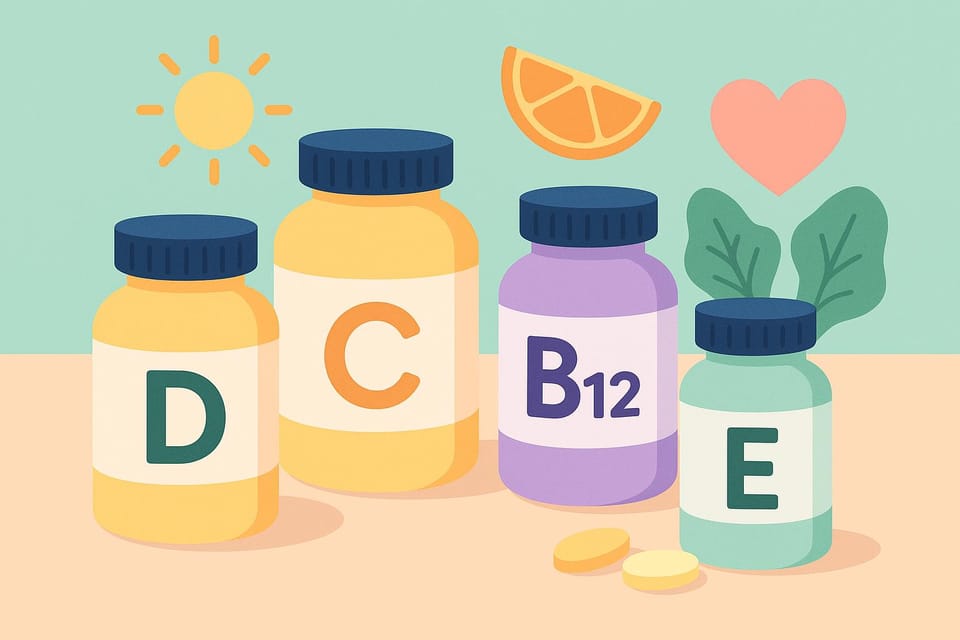
Vitamin D is a fat-soluble vitamin crucial for bone health, immune function, and overall well-being. It supports calcium absorption and helps maintain adequate serum calcium and phosphate levels for normal bone mineralization, preventing conditions like rickets in children and osteomalacia in adults. Vitamin D also modulates inflammation, cell growth, neuromuscular and immune function, and glucose metabolism. Recommended daily intakes range from 400 to 800 IU depending on age, with typical doses considered safe. Excessive intake above 4,000 IU daily can cause side effects such as stomach upset, muscle weakness, and hypercalcemia. Vitamin D is available mainly as D2 (ergocalciferol) and D3 (cholecalciferol), with D3 generally preferred for supplementation. It is absorbed better with dietary fat and is found in fortified foods and fatty fish. Health-conscious individuals should select third-party tested supplements to ensure quality, consider allergen-free and certified products, and integrate supplementation with diet and sun exposure for optimal benefits. Safety considerations include avoiding excessive doses and monitoring interactions with certain medications.
Vitamin D is a fat-soluble vitamin essential for bone health, immune function, and overall well-being. It promotes calcium absorption in the gut and maintains adequate serum calcium and phosphate levels necessary for normal bone mineralization, preventing conditions like rickets in children and osteomalacia in adults. It also supports bone growth and remodeling, muscle function, and modulates immune response and inflammation. Vitamin D exists mainly in two forms in supplements: D2 (ergocalciferol) and D3 (cholecalciferol), with D3 generally preferred for its efficacy. It is absorbed better when taken with dietary fat.
For health-conscious individuals, vitamin D supplementation is widely recommended, especially in cases of limited sun exposure or increased needs. Recommended daily intakes range from 600 to 800 IU for adults, with serum 25(OH)D levels of 20 ng/mL (50 nmol/L) or higher considered sufficient for most people. Excessive intake above 4,000 IU daily may lead to adverse effects.
High-quality vitamin D supplements are often third-party tested to ensure purity, potency, and absence of contaminants, which aligns with the expectations of careful supplement users. Popular supplement forms include capsules, tablets, liquids, gummies, and sprays, with liquid drops offering dose flexibility. Trusted brands include Ritual, Mindbodygreen, NOW Foods, and Source Naturals, among others.
Safety considerations include avoiding excessive doses, especially without medical supervision, and being aware of potential interactions with certain medications. Taking vitamin D with meals containing fat enhances absorption. For product selection, consumers should look for third-party certification, clear labeling of vitamin D form and dose, and suitability for dietary preferences such as vegetarian or vegan.
This comprehensive approach helps health-conscious individuals integrate vitamin D supplements effectively into their daily routines to support bone strength, immune resilience, and overall health.
Sources: NIH Office of Dietary Supplements (https://ods.od.nih.gov/factsheets/VitaminD-HealthProfessional), Medical News Today (https://www.medicalnewstoday.com/articles/best-vitamin-d-supplement), BBC Good Food (https://www.bbcgoodfood.com/review/best-vitamin-d-supplements), Verywell Fit (https://www.verywellfit.com/best-vitamin-d-supplement-4163501)
Top Recommended Supplements
- Transparent Labs Vitamin D3 + K2
- Nutricost Vitamin K2 + Vitamin D3
- Thorne Vitamin D
- Now Vitamin D3
- Sports Research Vitamin D3
Key Benefits
- Promotes calcium absorption in the gut, maintaining adequate serum calcium and phosphate concentrations essential for normal bone mineralization and preventing conditions like rickets and osteomalacia.
- Supports bone growth, remodeling, and helps protect older adults from osteoporosis.
- Reduces inflammation and modulates processes such as cell growth, neuromuscular and immune function, and glucose metabolism.
- Enhances immune system function, potentially reducing the risk of certain diseases and improving resistance to infections.
- May help regulate brain health, including protecting against memory loss and depression.
- Potentially lowers the risk of multiple sclerosis and may be linked to reducing severity of COVID-19 symptoms.
- Helps maintain muscle function and overall well-being.
- May contribute to lowering high blood pressure and diabetes risk in at-risk individuals.
- Supports dental health by decreasing the risk of dental cavities and allergies.
Evidence-Based Pros
- Vitamin D promotes calcium absorption in the gut and maintains adequate serum calcium and phosphate concentrations to enable normal bone mineralization and prevent bone diseases such as rickets, osteomalacia, and osteoporosis.
- Vitamin D supports immune function and reduces inflammation, contributing to overall immune health.
- Vitamin D is vital for brain function and neuromuscular health.
- Higher serum vitamin D levels (>30 ng/mL) are associated with lower risks of major diseases and mortality, including cardiovascular disease and cancer.
- Vitamin D supplementation (around 2000 IU/day) can help achieve protective serum levels and reduce disease risk.
- Vitamin D contributes to better pregnancy and birth outcomes.
- Vitamin D may reduce risks of chronic conditions such as high blood pressure and diabetes.
- Vitamin D receptors are present in many tissues, where it modulates cell growth, differentiation, and apoptosis, supporting overall well-being.
- Vitamin D helps improve muscle function and resistance to certain diseases.
Evidence-Based Cons
- Vitamin D toxicity is a rare condition caused by excessive intake of vitamin D supplements, leading to hypercalcemia (too much calcium in the blood), which can cause symptoms like upset stomach, vomiting, weakness, frequent urination, bone pain, kidney stones, and kidney damage. (Mayo Clinic)
- Long-term high doses of vitamin D (above 4,000 IU daily) can increase the risk of bone resorption, falls, and fractures, especially in older adults. (Healio, Harvard Health)
- Excessive vitamin D can cause calcium deposits in arteries and soft tissues, potentially leading to cardiovascular issues and painful kidney stones. (Harvard Health)
- Vitamin D overdose symptoms include confusion, abnormal heart rhythm, unsteady gait, and in severe cases, kidney failure. (Cleveland Clinic)
- People with certain medical conditions may have contraindications or need to limit vitamin D intake. (NHS)
- Vitamin D toxicity generally does not occur from sun exposure or food sources but from supplement overuse. (Mayo Clinic, NHS)
Dosage Guidelines
For health-conscious individuals, the recommended daily dosage of Vitamin D is generally 600 international units (IU) for adults aged 1 to 70 years, and 800 IU for those over 70 years, according to mainstream health guidelines such as Mayo Clinic and the NIH Office of Dietary Supplements. Intake of up to 4,000 IU per day is considered the upper limit to avoid toxicity. Vitamin D supports bone health, immune function, and overall well-being. It is important to consider factors such as age, skin color, geographic location, and lifestyle when determining individual needs. Supplementation should be taken with dietary fat to enhance absorption, and care should be taken not to exceed the upper intake level to avoid side effects like hypercalcemia and kidney issues. Regular blood testing can help monitor vitamin D status for personalized dosing. Third-party tested supplements are recommended for quality assurance for health-conscious users.
Safety Considerations
Vitamin D is generally safe when taken in recommended doses, but excessive intake above 4,000 IU per day can cause serious side effects such as upset stomach, vomiting, weight loss, muscle weakness, cognitive impairment, heart rhythm problems, kidney stones, and kidney damage. Vitamin D toxicity (hypervitaminosis D) leads to elevated calcium in the blood (hypercalcemia), causing symptoms like drowsiness, confusion, psychosis, depression, stupor, coma, anorexia, abdominal pain, vomiting, constipation, peptic ulcers, pancreatitis, high blood pressure, abnormal heart rhythms, and kidney failure. Toxicity develops slowly due to vitamin D's long half-life and symptoms may persist for weeks.
Interactions include increased aluminum levels with phosphate binders in kidney failure, reduced vitamin D absorption with cholestyramine and orlistat, and increased hypercalcemia risk when combined with digoxin, thiazide diuretics, certain blood pressure medicines, steroids, and psoriasis treatments containing calcipotriene. Anticonvulsants and some statins may alter vitamin D metabolism.
People with obesity, malabsorption, limited sun exposure, or certain health conditions should consult healthcare providers before supplementing. Serum 25(OH)D levels above 125 nmol/L (50 ng/mL) may cause adverse effects. Recommended daily intake is generally 600-800 IU for adults, with an upper safe limit of 4,000 IU daily.
Careful dosing, awareness of drug interactions, and monitoring are essential to safely integrate vitamin D supplementation into health-conscious individuals' routines.
Common Side Effects
Common side effects of Vitamin D supplementation, especially when taken in high doses, include nausea, thirst, frequent urination, constipation, weakness, confusion, metal taste, lack of appetite, bone aches, weight loss, exhaustion or fatigue, sore eyes, itching, and vomiting. These side effects are typically associated with vitamin D toxicity, which is rare and usually caused by excessive supplement intake rather than food or sun exposure. Hypercalcemia (high calcium levels in the blood) is a primary concern with vitamin D toxicity and can cause upset stomach, vomiting, weakness, frequent urination, bone pain, and kidney problems such as kidney stones. To avoid toxicity, it is recommended not to exceed 4,000 IU per day unless directed by a healthcare professional. Users should also be aware of potential interactions with certain medications such as steroids, cholesterol-lowering drugs, and blood pressure medications. Consulting a healthcare provider before starting supplementation is advised to ensure safety and proper dosing. (Mayo Clinic, Healthline, WebMD)
Product Selection Advice
When selecting Vitamin D supplements for health-conscious individuals, it is important to choose reputable brands such as Nature Made, Mindbodygreen, Ritual, NOW Foods, Source Naturals, Nordic Naturals, and Thorne Research, which are frequently recommended by pharmacists and dietitians. Vitamin D3 (cholecalciferol) is preferred over D2 due to its superior efficacy in raising and maintaining vitamin D levels. Supplements come in various forms including tablets, softgels, gummies, chewables, and liquids; the choice depends on personal preference and ease of use. Since Vitamin D is fat-soluble, taking supplements with a fat-containing meal enhances absorption. Look for third-party certifications such as NSF International, United States Pharmacopeia (USP), and Non-GMO Project to ensure product purity, potency, and adherence to good manufacturing practices. Avoid products with unrealistic health claims, proprietary blends lacking clear ingredient disclosure, or those without third-party testing. Typical adult dosages range from 600 to 800 IU daily, with an upper safe limit of 4,000 IU to prevent toxicity; consult healthcare providers for personalized dosing. Customizable liquid drops offer dosing flexibility, while chewables and gummies provide palatable options. Always verify product quality and safety through independent testing and consult healthcare professionals to tailor supplementation to individual needs and lifestyle factors. This advice is based on expert-reviewed sources emphasizing quality assurance and evidence-based selection criteria (MedicalNewsToday, USNews, GoodRx, ConsumerLab, VerywellFit, IntimateRose).
Integration Tips
To effectively integrate Vitamin D supplementation into the daily routine of health-conscious individuals, it is best to take Vitamin D with meals containing healthy fats to enhance absorption, as it is a fat-soluble vitamin. Foods like avocado, nuts, seeds, full-fat dairy, and eggs can improve Vitamin D uptake. Taking Vitamin D in the morning with a healthy breakfast is convenient and helps build a consistent habit, though there is no definitive evidence that morning or evening timing is superior. Pairing Vitamin D3 supplements with magnesium and vitamin K2 can further support absorption and bone health. Regular sun exposure also naturally boosts Vitamin D levels. Monitoring blood levels to adjust dosage and maintaining a healthy weight are important for optimal effectiveness. Using reminders like pillboxes or alarms can help maintain consistency in supplementation. Avoid taking Vitamin D on an empty stomach or with very low-fat meals, as this reduces absorption efficiency. Overall, consistency, pairing with fats, and timing with meals are key to maximizing benefits for health-conscious individuals.
Vitamin C is a water-soluble vitamin and a potent antioxidant essential for health-conscious individuals. It supports immune health by enhancing white blood cell function and protecting them from free radical damage. Vitamin C is crucial for collagen synthesis, aiding in blood vessel, cartilage, muscle, and bone health, and promotes wound healing. It also improves iron absorption and may help reduce the risk of chronic diseases linked to oxidative stress, such as cardiovascular disease and certain cancers. Recommended daily intake is 90 mg for men and 75 mg for women, with higher needs for smokers. Supplements are generally safe at recommended doses but can cause side effects like stomach upset at high doses. Vitamin C interacts with some medications, so consultation with healthcare providers is advised. For product selection, look for high-quality, tested supplements, preferably with certifications and free from allergens. Integrate vitamin C into daily routines through diet rich in fruits and vegetables or supplements as needed. This information is supported by leading authorities like NIH and Mayo Clinic.
Vitamin C, also known as ascorbic acid, is a water-soluble vitamin and a potent antioxidant essential for health-conscious individuals. It supports immune health by enhancing white blood cell function and protecting cells from oxidative damage. Vitamin C is crucial for collagen synthesis, which maintains skin, bones, cartilage, tendons, ligaments, and blood vessels. It also improves absorption of nonheme iron from plant-based foods. Since the body cannot produce or store vitamin C, it must be consumed daily through diet or supplements. Recommended intake is about 75 mg for women and 90 mg for men, with an upper limit of 2,000 mg to avoid side effects like diarrhea and stomach cramps. Vitamin C helps reduce the duration and severity of colds but does not prevent them. Rich dietary sources include citrus fruits, kiwi, bell peppers, broccoli, and leafy greens. High-quality supplements are widely available and recognized by authorities such as NIH and CDC. Safety considerations include avoiding excessive doses and caution in individuals with kidney disorders or iron overload. Integrating vitamin C into daily routines supports immune function and cellular protection for health-aware individuals.
Top Recommended Supplements
- New Chapter Immune Defense Vitamin C+ (Best Gummy)
- Natures Plus Orange Juice Vitamin C Supplement (Best Chewable)
- Pure Encapsulations Buffered Ascorbic Acid Powder (Best Powder)
- Designs for Health Vitamin C (Best High Dose)
- Thorne Vitamin C With Flavonoids (Best With Other Immune Nutrients)
- BodyBio Liposomal Vitamin C (Best Liposomal)
- Kirkland Signature C (Best Budget-Friendly)
- Rho Nutrition Liposomal Vitamin C (Best Liquid)
- NOW Liposomal Vitamin C (Best for Skin Health)
- Beekeeper’s Naturals Propolis + Vitamin C (Best for Travel)
- Renzo’s Invincible Vitamin C (Best for Kids)
Key Benefits
- Supports immune defense by enhancing various cellular functions of both innate and adaptive immune systems, including neutrophil migration, phagocytosis, and microbial killing.
- Acts as a potent antioxidant protecting cells from oxidative damage caused by free radicals and environmental stressors.
- Promotes epithelial barrier function against pathogens and supports skin's oxidant scavenging activity, potentially protecting against environmental oxidative stress.
- Enhances differentiation and proliferation of B- and T-cells, supporting adaptive immunity.
- Helps prevent and treat respiratory and systemic infections by maintaining adequate plasma and tissue vitamin C levels.
- Essential for collagen synthesis, wound healing, and maintaining healthy blood vessels, cartilage, muscle, and bones.
- May reduce the risk of chronic diseases by supporting overall cellular health and antioxidant protection.
Evidence-Based Pros
- Supports immune function by enhancing white blood cell activity and overall immune defense.
- Acts as a potent antioxidant protecting cells from oxidative damage linked to aging and chronic diseases such as cancer and cardiovascular disease.
- Essential for collagen biosynthesis, promoting wound healing and maintaining healthy skin, bones, cartilage, tendons, ligaments, and blood vessels.
- Improves absorption of nonheme iron from plant-based foods, reducing risk of iron deficiency.
- May help prevent or delay diseases related to oxidative stress, including certain cancers and cardiovascular disease.
- Higher vitamin C status is associated with lower risks of hypertension, coronary heart disease, and stroke.
- Regular intake may slightly shorten duration and lessen severity of common cold symptoms.
- Supports collagen production which declines with age, helping maintain skin elasticity and repair.
- Protects against chronic disease by neutralizing free radicals from external toxins and internal metabolic processes.
- Supplementation is particularly beneficial for smokers, pregnant or breastfeeding women, and those with chronic disease or limited diets.
Evidence-Based Cons
- High doses of vitamin C can cause gastrointestinal disturbances such as diarrhea, nausea, abdominal cramps, upset stomach, vomiting, heartburn, and stomach cramps. These effects are dose-dependent and more common at intakes above 2,000 mg per day. (ods.od.nih.gov, mayoclinic.org, verywellhealth.com)
- Excessive vitamin C intake may increase the risk of kidney stones, especially in individuals predisposed to kidney stones or with existing kidney conditions, due to increased oxalate levels in urine. (ods.od.nih.gov, verywellhealth.com)
- Vitamin C supplementation is contraindicated or should be used cautiously in individuals with blood disorders such as thalassemia, G6PD deficiency, sickle cell disease, and hemochromatosis, and in patients with diabetes due to potential increases in blood glucose levels. (vinmec.com)
- High vitamin C intake may exacerbate iron overload in people with hemochromatosis, increasing risks of liver damage, heart disease, and diabetes. (verywellhealth.com)
- Excessive vitamin C can interfere with certain laboratory tests, causing false results in blood glucose monitoring and urinalysis. (verywellhealth.com)
- Chewable or gummy vitamin C supplements are acidic and may erode dental enamel over time, leading to increased tooth sensitivity and risk of cavities. (verywellhealth.com)
- High doses of vitamin C may have potential pro-oxidant effects under certain conditions, possibly increasing oxidative stress rather than reducing it, though clinical significance is still under investigation. (verywellhealth.com)
- Vitamin C can interact with medications such as aspirin, NSAIDs, acetaminophen, antacids containing aluminum, sedatives, chemotherapy drugs, nitrate medications, oral contraceptives, protease inhibitors, tetracycline, and warfarin, potentially altering their effects or increasing side effects. Consultation with a healthcare provider is advised. (vinmec.com)
Dosage Guidelines
Recommended Dosage for Health-Conscious Individuals:
- Adult men: 90 mg of Vitamin C daily
- Adult women: 75 mg of Vitamin C daily
- Pregnant women: 85 mg daily
- Lactating women: 120 mg daily
- Smokers: An additional 35 mg daily above the standard adult dose due to increased oxidative stress
Upper Intake Limit:
- Do not exceed 2,000 mg per day to avoid potential side effects such as diarrhea, stomach upset, kidney stones, and other gastrointestinal symptoms.
Usage Tips:
- Vitamin C is water-soluble and best absorbed when taken in moderate doses spread throughout the day.
- It can be taken with or without food.
- Natural sources like citrus fruits, peppers, and strawberries are excellent for daily intake.
- Supplements should be chosen based on quality, certification, and absence of allergens.
Safety Considerations:
- Excessive intake above the upper limit can cause gastrointestinal discomfort and increase risk of kidney stones in susceptible individuals.
- Those with certain medical conditions or on specific medications should consult a healthcare provider before supplementation.
These guidelines align with recommendations from the National Institutes of Health (NIH) and Mayo Clinic, ensuring safe and effective Vitamin C intake for health-conscious individuals (ods.od.nih.gov, mayoclinic.org).
Safety Considerations
Vitamin C is generally safe when taken within recommended doses, but excessive intake can cause adverse effects. Adults should limit vitamin C intake to no more than 2,000 mg per day to avoid toxicity. High doses above this limit may lead to side effects such as diarrhea, upset stomach or vomiting, heartburn, stomach cramps, headache, and swelling of the esophagus (esophagitis). People with a history of kidney stones should be cautious, as high doses of vitamin C can increase the risk of kidney stone formation. Additionally, vitamin C can enhance iron absorption, which may be a concern for individuals with conditions related to iron overload. It is important to follow dosage recommendations and consult healthcare providers if taking other medications or if underlying health conditions exist. Vitamin C is water-soluble, and excess amounts are excreted in urine, but very high doses can still cause gastrointestinal discomfort and other issues. Overall, vitamin C supplementation should be tailored to individual needs, especially for health-conscious individuals aiming to support immune health and antioxidant protection while avoiding potential risks associated with overconsumption. (NIH, Mayo Clinic, WebMD)
Common Side Effects
Common side effects of Vitamin C supplementation for health-conscious individuals include gastrointestinal issues such as diarrhea, nausea, abdominal cramps, upset stomach, vomiting, heartburn, and bloating. Other possible side effects are headache, tiredness, insomnia, and in rare cases, allergic reactions like skin rash, itching, and swelling. High doses above 2,000 mg per day may increase the risk of kidney stones and excess iron absorption, but these are generally not a concern for healthy individuals. Overall, mild digestive discomfort is the most typical adverse effect experienced with Vitamin C supplements (NIH, Mayo Clinic, Healthline, Cleveland Clinic)
Product Selection Advice
When selecting a Vitamin C supplement, health-conscious individuals should look for high-quality products that prioritize purity and efficacy. Choose forms such as liposomal Vitamin C or buffered forms like sodium ascorbate and calcium ascorbate, which are gentler on the stomach and have better absorption. Avoid supplements with unnecessary fillers, artificial colors, flavors, or preservatives. Look for third-party certifications such as NSF Certified for Sport, USP, or Non-GMO Project to ensure product purity and potency. Consider allergen-free options if you have dietary restrictions. Dosage recommendations generally range from 50 to 100 mg daily for maintenance, with higher doses (up to 2,000 mg) for specific health goals, but consult a healthcare provider before high-dose use. Opt for reputable brands with transparent manufacturing practices and current good manufacturing practices (CGMP) certification. Product forms include capsules, tablets, gummies (preferably vegan and low in added sugar), powders, or liquids, with capsules/tablets being safer for teeth than acidic liquids or gummies. Additional ingredients like zinc or bioflavonoids may offer extra immune support. Overall, select a supplement that aligns with your health goals, dietary needs, and lifestyle while ensuring safety and effectiveness.
Integration Tips
To effectively integrate Vitamin C into the daily routine of health-conscious individuals, it is recommended to take the supplement in divided doses throughout the day to maximize absorption and benefits. A common regimen includes taking 500 mg to 1,000 mg daily, split into doses in the morning on an empty stomach for optimal absorption, post-lunch to maintain antioxidant levels, and optionally before bed. Vitamin C pairs well with other nutrients like vitamin E, zinc, and bioflavonoids, which can enhance its effects. Additionally, incorporating a variety of vitamin C-rich foods such as citrus fruits, strawberries, bell peppers, and broccoli into the diet supports overall intake. It is important to avoid exceeding the tolerable upper intake level of 2,000 mg per day to prevent side effects like gastrointestinal discomfort. Store supplements in a cool, dry place away from light and moisture to maintain potency. For those new to supplementation, starting with lower doses and gradually increasing can help the body adjust. Lastly, consulting a healthcare provider is advised if there are any underlying health concerns or if taking other medications.
Vitamin B12 Vitamin B12 is an essential water-soluble vitamin crucial for nerve function, red blood cell formation, and DNA synthesis, supporting overall energy and health. It is especially important for adults with limited dietary intake such as vegetarians and older adults, who may have reduced absorption. Vitamin B12 is naturally found in animal-based foods and fortified products, with supplements often recommended for those at risk of deficiency. Quality supplements with third-party testing are widely available. Key benefits include supporting the central nervous system, healthy red blood cells, and metabolic processes. Recommended daily intake for adults is generally 2.4 mcg, with older adults sometimes requiring higher doses (10-12 mcg) due to absorption declines. Safety considerations note that vitamin B12 supplements are generally safe at recommended doses but may cause mild side effects like headache, nausea, diarrhea, or tingling sensations if taken in high doses. Certain medications and health conditions can affect absorption, so consultation with a healthcare professional is advised. When selecting products, look for third-party certifications, allergen-friendly formulations, and forms like methylcobalamin or cyanocobalamin. Integrating vitamin B12 into daily routines can help maintain energy and neurological health, especially for those with dietary restrictions or absorption challenges.
Vitamin B12 is a water-soluble vitamin essential for nerve function, red blood cell formation, and DNA synthesis, supporting overall energy and health. It is naturally found in animal-based foods such as fish, meat, poultry, eggs, and dairy products, and also in fortified plant-based foods like cereals and nutritional yeast. Vitamin B12 is crucial for the development and function of the central nervous system and acts as a cofactor for enzymes involved in key metabolic processes. Absorption requires intrinsic factor produced in the stomach, and deficiency is common in vegetarians, vegans, older adults, and those with absorption issues. The recommended daily allowance for adults is 2.4 mcg, with older adults potentially needing 10-12 mcg due to decreased absorption. Vitamin B12 supplements are generally safe, with rare side effects including headache, nausea, diarrhea, and tingling sensations. Quality supplements often undergo third-party testing, and consumers should consider certifications, ingredient quality, and allergen information when choosing products. Major health organizations widely recommend vitamin B12 supplementation for those at risk of deficiency to support nerve health and prevent anemia.
Top Recommended Supplements
- Thorne Vitamin B12
- Mindbodygreen Ultimate Multivitamin+
- OLLY Daily Energy
- Nature Made Sublingual B-12
- Thorne Research B-Complex #6
Key Benefits
- Supports nerve function and development, essential for central nervous system health
- Aids in the formation of healthy red blood cells, preventing anemia
- Plays a crucial role in DNA synthesis and cell metabolism
- Helps convert food into energy, reducing fatigue and boosting overall energy levels
- May support brain health, memory, and cognitive function
- Contributes to the maintenance of healthy skin, eyes, and bones
Evidence-Based Pros
- Prevents anemia and boosts energy by supporting red blood cell formation, which carries oxygen to the body and helps reduce fatigue and weakness, especially in those deficient in B12.
- Supports nerve and brain health by maintaining the myelin sheath around nerve cells, which is essential for proper nerve signal transmission and cognitive function.
- Aids DNA synthesis and cellular energy production, which is vital for healthy cell growth and repair.
- May improve mood by contributing to brain chemistry and emotional balance, with some evidence suggesting benefits when taken alongside antidepressants.
- Supports bone health by potentially reducing the risk of osteoporosis and maintaining bone density.
- Helps reduce elevated homocysteine levels, which are associated with increased cardiovascular disease risk, although supplementation has not consistently shown to reduce cardiovascular events.
- Important for vegetarians, vegans, older adults, and others at risk of deficiency due to limited dietary intake or absorption issues.
Evidence-Based Cons
- Vitamin B12 supplementation at recommended doses is generally safe but can cause side effects such as headache, nausea, diarrhea, weakness, and tingling sensations in hands and feet in some individuals (Mayo Clinic).
- Excessively high levels of Vitamin B12 may be associated with increased risks of cancer and bone fractures, although evidence is not definitive and more research is needed (Mayo Clinic, Harvard Nutrition Source).
- Vitamin B12 supplements can interact with certain medications like aminosalicylic acid, antiseizure drugs, colchicine, metformin, gastric acid inhibitors, vitamin C supplements, and bile acid sequestrants, potentially reducing absorption or efficacy (Mayo Clinic).
- There is no evidence that Vitamin B12 supplementation improves energy or athletic performance in people without deficiency, so unnecessary supplementation may be unwarranted (Mayo Clinic).
- Injectable Vitamin B12 can cause mild side effects such as itching, dizziness, and allergic reactions in some cases (Healthline).
Dosage Guidelines
The recommended daily amount of Vitamin B12 for most adults is 2.4 micrograms (mcg). Older adults may need higher doses, around 10 to 12 mcg daily, due to decreased absorption with age. For vegetarians and vegans, who may have limited dietary intake of B12, supplementation is often advised. Specifically, adults over 50 should obtain B12 from fortified foods or supplements. For older adults (65+), evidence suggests taking at least 500 mcg per day to optimize B12 status, though some recommendations indicate that 50 to 100 mcg daily or 1,000 mcg twice weekly may be sufficient for those with normal B12 levels. It's important to consult healthcare professionals for personalized dosing, especially when higher doses are considered.
Safety considerations include potential side effects like headache, nausea, diarrhea, weakness, and tingling sensations when taken in high doses. Vitamin B12 supplements are generally safe when taken at recommended doses.
These guidelines are tailored for health-conscious individuals, including vegetarians, vegans, and older adults, to support nerve function, red blood cell formation, and overall energy and health.
Safety Considerations
Vitamin B12 supplements are generally considered safe when taken at recommended doses (2.4 mcg daily for adults, with slightly higher amounts for older adults and pregnant or breastfeeding women). However, taking high doses without medical supervision can cause side effects such as headache, nausea, diarrhea, weakness, and tingling sensations in the hands and feet. Excessively high levels of vitamin B12 might increase the risk of cancer or bone fractures.
Certain medications can interfere with vitamin B12 absorption or effectiveness, including aminosalicylic acid (used for digestive problems), antiseizure medications (phenobarbital, phenytoin, carbamazepine), colchicine (for gout), metformin (for diabetes), gastric acid inhibitors (omeprazole, lansoprazole), vitamin C supplements, and bile acid sequestrants. People using these medications should monitor their vitamin B12 status and may need supplementation under healthcare supervision.
Precautions should be taken in individuals with anemia, kidney disease, Leber's disease, malabsorption disorders, or allergy to cobalt or cobalamin compounds. Pregnant or breastfeeding women should adhere to recommended dosages and consult healthcare providers. Vitamin B12 is considered safe during pregnancy and breastfeeding at recommended levels.
Allergic reactions are possible but rare; symptoms include rash, itching, hives, and swelling of the face, lips, tongue, or throat, requiring immediate medical attention. Overdosage should be avoided, and supplementation should be personalized with healthcare provider guidance, especially in health-conscious individuals with specific dietary restrictions or health conditions.
Vitamin B12 does not appear to boost energy or athletic performance in those without deficiency, and supplementation should be targeted to those with documented low levels or increased needs such as vegetarians, vegans, older adults, or those with absorption issues.
Overall, vitamin B12 supplementation is safe and beneficial when used appropriately, but caution is warranted regarding dose, interactions, and underlying health conditions to avoid adverse effects and ensure efficacy. Regular monitoring and consultation with healthcare professionals are advised for safe use.
(Sources: Mayo Clinic, NIH Office of Dietary Supplements, WebMD, Cleveland Clinic, Healthline)
Common Side Effects
Typical adverse effects of Vitamin B12 supplementation for health-conscious individuals, including vegetarians and older adults, may include headache, nausea, mild diarrhea, dizziness, itching, weakness, and tingling sensations in the hands and feet. While generally safe at recommended doses, high doses can sometimes cause more serious side effects such as irregular heartbeat, heart palpitations, hives, and in rare cases, anaphylaxis. It is advised to take Vitamin B12 supplements under healthcare professional guidance to avoid potential adverse effects.
Product Selection Advice
When choosing a Vitamin B12 supplement, health-conscious individuals should prioritize products that are third-party tested to ensure purity and potency, such as USP or NSF certifications. Look for supplements that use bioavailable forms of B12, like methylcobalamin or cyanocobalamin, with cyanocobalamin being a common, well-absorbed synthetic form. Vegan and vegetarian consumers should select products certified as vegan and non-GMO, often also gluten-free and allergen-free to accommodate dietary restrictions. Avoid supplements with unnecessary fillers, artificial sweeteners, or additives that may cause digestive upset. Sublingual forms (lozenges or sprays) are popular for better absorption, especially for those who dislike swallowing pills. Trusted brands like Nature Made, Garden of Life, and Future Kind are frequently recommended for their clean formulations and rigorous quality testing. When possible, opt for supplements that are free from artificial colors, flavors, and synthetic dyes. Always consult a healthcare professional before starting supplementation to determine appropriate dosing and to avoid interactions with medications such as metformin or gastric acid inhibitors.
Integration Tips
Health-conscious individuals can integrate Vitamin B12 into their daily routines by consuming a balanced diet rich in B12 sources such as animal liver, fish (salmon, trout, tuna), meat, dairy products, and fortified foods like cereals and nutritional yeast. For those at risk of deficiency—older adults, vegetarians, vegans, or individuals with digestive disorders—regular blood screening is recommended to monitor levels. Supplementation options include oral supplements or B12 injections, especially beneficial for those with absorption issues, as injections provide direct and rapid absorption. Following healthcare provider guidance on dosage and frequency is crucial. Incorporating B12 consistently supports energy production, neurological health, and prevents deficiency symptoms. Regular medical follow-up helps optimize supplementation and maintain adequate B12 status.
Vitamin E
Vitamin E is a fat-soluble antioxidant vitamin that plays a crucial role in protecting cells from damage caused by free radicals, which are harmful molecules that can contribute to aging and chronic diseases. It is found naturally in foods like nuts, seeds, vegetable oils, green leafy vegetables, and fortified cereals. Vitamin E exists in eight chemical forms, but alpha-tocopherol is the most biologically active and the form recognized to meet human requirements. The liver regulates vitamin E levels by selectively resecreting alpha-tocopherol into the bloodstream.
Besides its antioxidant properties, Vitamin E supports immune function by protecting immune cells from oxidative damage, modulating T cell function, and influencing cell signaling and gene expression. Supplementation of vitamin E above dietary recommendations has been shown to enhance immune response and reduce infection risk, especially in older adults. It also helps maintain the integrity of blood vessels and prevents platelet aggregation, which supports cardiovascular health.
Vitamin E supplements, particularly alpha-tocopherol products, are generally third-party tested to meet high-quality standards, making them suitable for health-conscious consumers. Recommended dietary allowances vary by age and sex, with adults typically requiring 15 mg per day. While vitamin E from foods is safe, high-dose supplements may increase bleeding risk and should be used cautiously.
Overall, vitamin E is widely recognized for its antioxidant activity, immune system support, and cell protection, making it a valuable supplement for individuals focused on maintaining general health and preventing oxidative stress-related conditions. (ods.od.nih.gov, pmc.ncbi.nlm.nih.gov, medlineplus.gov)
Top Recommended Supplements
- Life Extension Super Vitamin E
- Nordic Naturals Vitamin E Complex
- Pure Encapsulations Vitamin E
- Nature Made Natural Vitamin E
- Garden of Life Vitamin Code Raw Vitamin E
- CVS Health Vitamin E
- NOW Foods Vitamin E-200
- Kirkland Signature Vitamin E
- Nutricost Vitamin E
- OLLY The Perfect Women’s Multi
Key Benefits
- Helps maintain healthy skin and eyes, supporting overall skin health and eye function.
- Strengthens the body's natural defense against illness and infection by enhancing immune function.
- Acts as a powerful antioxidant that protects cells from damage caused by free radicals, potentially reducing oxidative stress.
- May reduce inflammation, which is linked to many chronic diseases including cancer.
- Helps prevent blood clots and supports cardiovascular health by preventing clots from forming in heart arteries.
- Supports cellular signaling, gene expression regulation, and other metabolic processes important for health.
- May protect against damage caused by sun exposure and aging when used topically or consumed in foods.
- Potentially beneficial for reducing markers of oxidative stress in conditions like diabetic nephropathy and endometriosis.
- May improve liver health in people with nonalcoholic fatty liver disease (NAFLD) by reducing liver enzyme levels and blood lipids.
- May reduce menstrual pain in women with dysmenorrhea and severity of pelvic pain in endometriosis.
- May support cognitive health and help prevent cognitive decline, especially in older adults.
- May improve lung function and reduce certain asthma symptoms in some populations.
Evidence-Based Pros
- Acts as a powerful antioxidant protecting cells from free radical damage, which is linked to aging and chronic diseases such as cancer and cardiovascular disease. (nutritionsource.hsph.harvard.edu)
- Enhances immune function, supporting the body's defense against infections and illnesses. (nutritionsource.hsph.harvard.edu)
- May reduce the risk of cardiovascular death and serious blood clots, particularly in older adults, by preventing clot formation and reducing platelet aggregation. (nutritionsource.hsph.harvard.edu)
- Supports vision health by protecting the retina and potentially preventing age-related vision loss. (mayoclinic.org)
- May slow the progression of mild to moderate Alzheimer's disease, contributing to cognitive health in affected individuals. (mayoclinic.org)
- Helps reduce the production of prostaglandins such as thromboxane, which cause platelet clumping, thereby potentially preventing atherosclerosis. (pmc.ncbi.nlm.nih.gov)
- Vitamin E is essential for protecting cell membranes, especially in high free radical production areas like the heart and lungs. (pmc.ncbi.nlm.nih.gov)
Evidence-Based Cons
- High doses of vitamin E have been linked to increased risks of bleeding and stroke, especially in adults taking anticoagulants like warfarin.
- Vitamin E supplementation at high doses has been associated with increased risk of death in some studies.
- Excessive intake can cause muscle weakness, fatigue, nausea, and diarrhea.
- Vitamin E toxicity may cause thyroid problems, emotional disorders, gastrointestinal issues, breast tenderness, and thrombophlebitis.
- Long-term high-dose vitamin E supplementation may increase risks of prostate cancer, heart failure, and overall mortality.
Dosage Guidelines
The recommended daily allowance (RDA) of Vitamin E (alpha-tocopherol) for health-conscious adults aged 14 years and older is 15 mg per day. For pregnant women, the RDA is also 15 mg per day, and for breastfeeding women, it is 19 mg per day. For children, the RDA varies by age: 1-3 years at 6 mg/day, 4-8 years at 7 mg/day, and 9-13 years at 11 mg/day. Vitamin E is fat-soluble, so it is best taken after meals containing some fat for optimal absorption.
The tolerable upper intake level (UL) for Vitamin E supplements for adults is 1,000 mg per day (equivalent to 1,500 IU of natural d-alpha-tocopherol or 1,100 IU of synthetic dl-alpha-tocopherol). Exceeding this limit may increase the risk of side effects such as bleeding, stroke, and other health concerns. People with certain health conditions or on blood-thinning medications should consult a healthcare professional before supplementation.
Most people get enough Vitamin E from a balanced diet rich in nuts, seeds, vegetable oils, leafy greens, and fortified cereals, so supplements are often unnecessary unless advised by a healthcare provider. Vitamin E supplements should be chosen carefully, considering product quality and certification for health-conscious consumers.
Safety Considerations
Vitamin E is generally considered safe when taken by mouth or applied to the skin in typical amounts. However, high doses of vitamin E supplements can raise the risk of bleeding, especially when combined with anticoagulant or antiplatelet medications, herbs, or supplements that also reduce blood clotting. People with certain health conditions such as heart disease, diabetes, bleeding disorders, or a history of stroke or heart attack should exercise caution and consult their healthcare professional before use. High doses have been linked to increased risks of prostate cancer and may increase the risk of death in people with a history of heart attack or stroke. Vitamin E can interact with several medications, including chemotherapy drugs (alkylating agents and antitumor antibiotics), statins, niacin, and vitamin K, potentially affecting their effectiveness. It is advised to stop taking vitamin E at least two weeks before surgery to reduce bleeding risk. Common side effects of vitamin E supplementation include upset stomach, loose stools, belly cramps, tiredness, weakness, headache, blurred vision, and rash. Vitamin E acetate, used in some vaping products, has been linked to lung injury and should be avoided. Overall, health-conscious individuals should discuss vitamin E supplementation with their healthcare provider to ensure safety and appropriateness based on their health status and medications. (Mayo Clinic, NIH ODS, GoodRx)
Common Side Effects
Common side effects of Vitamin E supplementation include upset stomach, loose stools, belly cramps, tiredness, weakness, headache, blurred vision, and rash. Higher doses may elevate bleeding risk, particularly in those using anticoagulants like warfarin. Excessive intake can also lead to muscle weakness, fatigue, nausea, and diarrhea. Overdose may cause excessive blood thinning, increasing stroke or death risk. Individuals on blood-thinning or cholesterol-lowering medications should use caution.
Product Selection Advice
When selecting Vitamin E supplements, health-conscious individuals should prioritize products that are third-party tested for purity and potency, such as those verified by NSF or ConsumerLab. Look for supplements containing natural forms of vitamin E, primarily d-alpha-tocopherol, and consider those offering mixed tocopherols and tocotrienols for broader antioxidant benefits. Non-GMO certification, vegan labeling, and allergen-free claims (gluten-free, dairy-free, soy-free) are important for specific dietary needs. Avoid products with unnecessary fillers, artificial colors, or additives. Dosage should align with the recommended daily allowance (15 mg or 22.4 IU for adults) and not exceed the tolerable upper intake level (1,000 mg daily) to avoid toxicity risks such as bleeding or gastrointestinal issues. Consult a healthcare provider before starting supplementation, especially if taking blood thinners or having underlying health conditions. Trusted brands include Nordic Naturals, Garden of Life, Pure Encapsulations, and Nature Made, known for transparency, quality, and responsible sourcing.
Integration Tips
For health-conscious individuals, Vitamin E supplementation is best integrated into the daily routine by taking it in the morning, ideally 30 minutes after a meal or with meals containing fats such as milk, nuts, butter, or yogurt to enhance absorption, since Vitamin E is fat-soluble and stored in body tissues like the liver and fat. It should not be taken on an overly full or empty stomach to optimize effectiveness. Women may consider intermittent use after age 30, taking supplements for 1-2 months followed by breaks, as prolonged use and high doses can pose health risks. For those with specific health conditions (e.g., diabetes, hypertension, liver disease), daily supplementation up to 400 IU per day intermittently may be beneficial but should be done under medical supervision. Generally, for healthy individuals, obtaining Vitamin E through a balanced diet rich in nuts, seeds, vegetable oils, and leafy greens is preferable. Before starting supplementation, consulting a healthcare professional is recommended to ensure safety and appropriate dosing.
Multivitamin
Multivitamins provide a broad spectrum of essential vitamins and minerals designed to fill routine nutritional gaps and support various aspects of health, including metabolic and immune function, which are especially valuable for health-conscious individuals. They have been used since the 1940s and remain popular, with about one-third of U.S. adults taking them. These supplements come in various formulations, including basic broad-spectrum types that meet daily recommended intakes, high-potency versions with higher nutrient levels, and specialized condition-specific blends. Multivitamins act as nutritional insurance by helping users achieve recommended nutrient intakes when diet alone may not suffice. They are recognized by mainstream health authorities as foundational supplements, with many quality products bearing robust third-party certifications such as NSF International or USP verification, which provide confidence in ingredient quality and safety. While multivitamins generally do not reduce risks for chronic diseases like heart disease or cancer, they are valued for filling dietary gaps safely when taken as directed. Health experts emphasize that multivitamins are not substitutes for a healthy diet but can support individuals who have difficulty obtaining sufficient nutrients from food, such as older adults or those with certain deficiencies. Safety considerations include avoiding excessive intake beyond established upper limits and consulting healthcare providers, especially when taking other medications or having health conditions. Overall, multivitamins offer a convenient, evidence-supported way for health-conscious individuals to maintain balanced nutrient intake and support overall wellness.
Top Recommended Supplements
- Onnit Total Human
- Legion Triumph Men's Sport Multivitamin
- Ritual Essential for Men
- Perelel Women's Daily Vitamin Trio
- Nutricost Multivitamin
- Nature Made Multivitamin
- Thorne Basic Nutrients 2/Day
- Nordic Naturals Men's Multivitamin
- SmartyPants Daily Gummy
- Garden of Life Mykind Women's Multivitamin
Key Benefits
- Fill routine nutritional gaps by providing a broad spectrum of essential vitamins and minerals.
- Support metabolic health by ensuring adequate nutrient intake for energy production and bodily functions.
- Enhance immune system function through key vitamins and minerals that bolster immune defenses.
- Promote overall health maintenance, including bone health, muscle strength, and brain function.
- Serve as nutritional insurance for health-conscious individuals who may have dietary restrictions or inconsistent nutrient intake.
- Offer convenience with quality options that have robust third-party certifications ensuring safety and efficacy.
- Help reduce the risk of nutrient deficiencies that can impair health and wellness.
Evidence-Based Pros
- Daily multivitamin use may help lower the risk of developing hypertension and reduce blood pressure in older adults with poorer diet quality or normal baseline blood pressure, according to a large randomized clinical trial (COSMOS) published in the American Journal of Hypertension.
- Multivitamins increase nutrient intakes and help fill nutritional gaps when dietary intake is insufficient, serving as a form of nutritional insurance for health-conscious individuals.
- The Physicians' Health Study II found modest reductions in cancer risk (8% less likely) and lower risk of cataracts in men taking a multivitamin daily over more than a decade.
- Multivitamin supplementation is generally low risk and low cost, making it a practical option for those wanting to ensure adequate vitamin and mineral intake.
- Multivitamins have no strong evidence of harm when taken at recommended doses and may provide benefits for subsets of individuals, especially those with poorer nutritional intake or specific health concerns.
Evidence-Based Cons
- Multivitamins have not been shown to reduce the risk of heart disease, cancer, cognitive decline, or early death in healthy individuals, indicating limited benefit for chronic disease prevention. (hopkinsmedicine.org)
- High doses of certain vitamins in multivitamins, such as vitamin E and beta-carotene, may be harmful. (hopkinsmedicine.org)
- Multivitamins cannot replace a balanced diet and taking them in excessive amounts may cause side effects ranging from mild stomach upset to severe liver and heart problems. (healthline.com)
- There is insufficient evidence that multivitamins lower mortality risk; observational studies show mixed results and potential confounding by healthy lifestyle factors. (jamanetwork.com)
- Some individuals may experience allergic reactions or interactions with medications, so safety considerations are important. (healthline.com)
Dosage Guidelines
For health-conscious individuals, the recommended dosage of multivitamins is typically one tablet or serving per day, designed to provide about 100% of the daily value (DV) of essential vitamins and minerals. This dosage helps fill routine nutritional gaps without exceeding the tolerable upper intake levels (ULs) that could cause adverse effects. It is important to avoid megadoses or high-dose supplements unless specifically advised by a healthcare professional. Multivitamins should be taken as a supplement to a balanced diet, not as a replacement. Users should look for products with third-party certifications (e.g., USP Verified) to ensure quality and purity. If there are specific health conditions, allergies, or dietary restrictions, consulting a healthcare provider before starting supplementation is recommended. Taking one multivitamin daily is the standard and safest approach for most adults seeking to support metabolic, immune, and overall health.
Safety Considerations
Multivitamins are generally safe for healthy individuals when taken as directed, but there are important safety considerations to keep in mind for health-conscious users. High doses of certain vitamins, especially fat-soluble ones like vitamins A, D, E, and K, can accumulate in the body and cause toxicity. For example, vitamin A toxicity can lead to liver damage and neurological symptoms, while excessive vitamin D can cause hypercalcemia with serious effects. Vitamin B6 in doses above 200 mg/day may cause sensory neuropathy. Vitamin C supplements may increase the risk of kidney stones in susceptible individuals. Calcium supplements can cause gastrointestinal issues and interfere with absorption of other minerals and medications. Magnesium in high doses can cause diarrhea and abdominal discomfort. Zinc can alter taste and smell and high doses may affect prostate health. Selenium toxicity can cause hair and nail brittleness and other symptoms.
There is also risk of adverse drug interactions; for instance, vitamin C may reduce the effectiveness of some chemotherapy drugs, and St. John's wort (not a vitamin but a common supplement) interacts with many medications. Multivitamins should not be used as a substitute for a healthy diet and do not provide special disease protection. Users should be cautious about overlapping supplements leading to overdose of certain nutrients.
The FDA regulates multivitamins as a food category, not as drugs, so they are not evaluated for efficacy or safety before marketing. Consumers are advised to choose products with third-party certifications such as NSF International or USP verification to ensure ingredient quality and label accuracy.
People with diagnosed deficiencies, absorption disorders, or specific health conditions should take supplements under medical guidance. Pregnant or breastfeeding women, older adults, and those with restricted diets may have special needs. It is important to consult healthcare professionals before starting multivitamins, especially if taking other medications, to avoid interactions and side effects. Common side effects are rare but can include gastrointestinal upset or allergic reactions.
In summary, while multivitamins can help fill nutritional gaps for health-conscious individuals, safety depends on appropriate dosing, product quality, and medical oversight to avoid toxicity, interactions, and false expectations of health benefits.
Common Side Effects
Common side effects of taking multivitamins for health-conscious individuals include temporary digestive issues such as constipation, diarrhea, or upset stomach as the body adjusts to the supplement. Serious allergic reactions are rare but can include rash, itching or swelling (especially of the face, tongue, or throat), severe dizziness, and trouble breathing. Users should be cautious if the multivitamin contains iron, as overdose can be dangerous, especially for children. It's important to follow dosage instructions and consult a healthcare provider if side effects persist or worsen. (Healthline, WebMD)
Product Selection Advice
When choosing a multivitamin for health-conscious individuals, consider the following guidance:
- Select a multivitamin that provides a broad spectrum of essential vitamins and minerals tailored to your age, sex, and life stage (e.g., pregnancy). Different formulations exist for men, women, seniors, and children to meet varying nutritional needs.
- Look for products that provide the Recommended Dietary Allowance (RDA) for each nutrient without exceeding upper safety limits, especially for fat-soluble vitamins (A, D, E, K) and minerals.
- Check for third-party certifications such as the United States Pharmacopeia (USP) seal, which verifies that the product contains the labeled amounts of nutrients and meets quality standards.
- Avoid supplements with excessive amounts of beta-carotene or vitamin A if you are a smoker or former smoker, as high doses may increase lung cancer risk.
- Review ingredient lists for potential allergens or unwanted additives such as wheat, corn, eggs, or gelatin, especially if you have food sensitivities.
- Consider generic or store brands, which often provide similar quality to name brands at a lower cost.
- Be cautious of supplements promising quick or dramatic health benefits, as no multivitamin has been proven to cure diseases.
- Consult with a healthcare provider to select a product appropriate for your individual health status and dietary intake.
- Use tools like the NIH Dietary Supplement Label Database to compare products and make informed choices.
This approach ensures a safe, effective, and evidence-based selection of multivitamins aligned with the needs of health-conscious individuals seeking to fill nutritional gaps and support overall wellness. (Healthline, NIH ODS, Kaiser Permanente)
Integration Tips
Health-conscious individuals can effectively add multivitamins to their daily routines by taking them with meals or snacks to enhance absorption and minimize stomach upset. Fat-soluble vitamins (A, D, E, K) in multivitamins require dietary fat for absorption, so pairing the supplement with healthy fats like avocado or nuts is beneficial. Water-soluble vitamins (B-complex and C) should be taken daily, with vitamin B12 best absorbed when taken with food. Avoid taking multivitamins on an empty stomach to prevent discomfort. To optimize mineral absorption, avoid taking calcium, zinc, or magnesium supplements simultaneously with multivitamins; instead, space them out across different meals. Personalizing multivitamin choices based on age, sex, and nutritional needs can further enhance benefits. Consulting a healthcare provider before starting supplements is recommended to ensure safety and avoid interactions with medications or health conditions.