
Best Vitamins for Individuals Focused on Mental Clarity
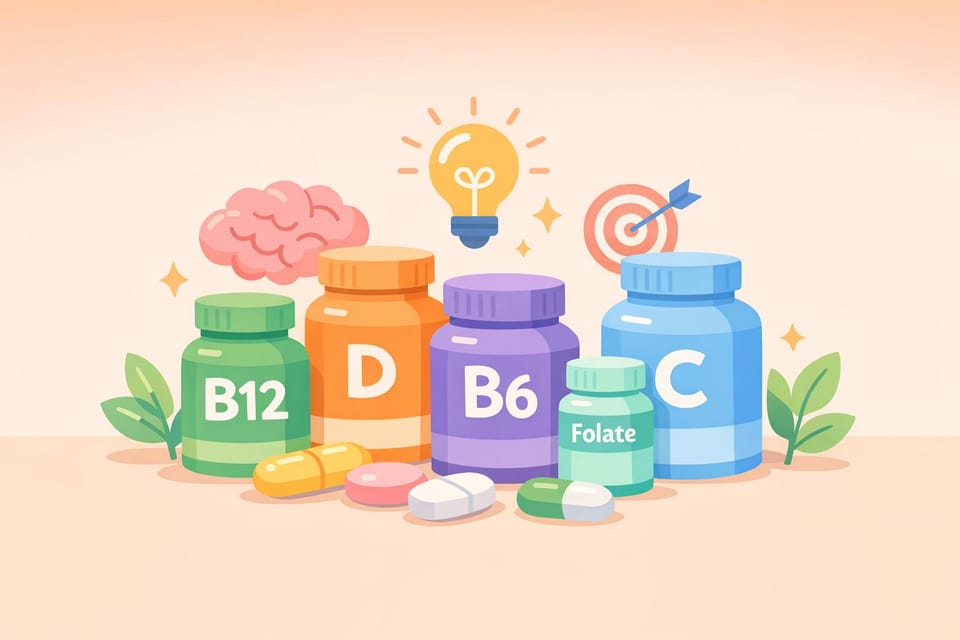
Vitamin B12 (cobalamin)
Vitamin B12 (cobalamin) is a crucial nutrient that supports brain and nervous system health, DNA synthesis, and the production of healthy red blood cells. It helps convert food into energy and is essential for maintaining mental clarity and cognitive function. Deficiency in B12 is linked to memory loss, poor thinking, and cognitive decline. Clinical studies show that low levels of B12, even within the lower normal range, can impair memory and cognition. Supplementation with B12 has been shown to slow cognitive decline in deficient individuals, particularly older adults with early-stage dementia. B12 is one of the most evidence-backed vitamins for cognitive support and mental clarity, especially in those with deficiency. However, in people without advanced neurological disorders, supplementation may not improve brain function. Safety considerations include ensuring adequate absorption, especially in older adults and those with absorption issues. B12 is naturally found in animal products and fortified foods, and supplementation is often recommended for vegetarians, vegans, and older adults to maintain optimal cognitive health. (WebMD, ScienceDirect, PMC)
Top Recommended Supplements
- Nature Made Vitamin B12 (3000 mcg)
- Nature's Bounty Vitamin B12 (2500 mcg)
- Vitafusion Vitamin B12 (1000 mcg)
- Garden of Life Vitamin B12 (500 mcg) with Organic Beet and Carrot
- Natrol Vitamin B12 (5000 mcg)
Key Benefits
- Improves memory and thinking in individuals with low or deficient Vitamin B12 levels, supporting mental clarity.
- Deficiency of Vitamin B12 is linked to poorer cognition and slower cognitive processing speed.
- Supplementation with Vitamin B12 can slow the rate of brain atrophy in patients with mild cognitive impairment.
- Vitamin B12 is essential for healthy nerve tissue and brain function, contributing to overall cognitive health.
- Oral Vitamin B12 supplementation is effective and as beneficial as injections for those with confirmed deficiency.
- Helps maintain healthy red blood cells and DNA synthesis, indirectly supporting brain health.
Evidence-Based Pros
- Slows the rate of brain atrophy in patients with mild cognitive impairment (based on low to moderate quality evidence).
- Oral vitamin B12 is effective in improving cognitive function in individuals with confirmed B12 deficiency.
- Improves mental clarity and reduces the risk of cognitive decline by aiding neurotransmitter production responsible for mood and cognitive regulation.
- Helps preserve cognitive function as individuals age when optimal B12 levels are maintained.
- Prevents and helps maintain against cognitive decline and psychotic symptoms associated with severe deficiency.
- May slow cognitive decline in people with early-stage dementia.
- Reduces fatigue, improves memory, and boosts energy levels, supporting overall cognitive health.
Evidence-Based Cons
- Taking high doses of vitamin B12 might cause side effects such as headache, nausea, diarrhea, weakness, and tingling sensations in the hands and feet.
- Having vitamin B12 levels that are too high may raise the risk of cancer or bone fractures such as hip breaks.
- Vitamin B12 supplements can interact with certain medications, including aminosalicylic acid, antiseizure drugs (phenobarbital, phenytoin, carbamazepine), colchicine, metformin, gastric acid inhibitors (omeprazole, lansoprazole), vitamin C supplements, and bile acid sequestrants, potentially affecting absorption or efficacy.
- There is no strong evidence that vitamin B12 supplementation improves cognitive function in individuals without deficiency, so unnecessary supplementation may not provide mental clarity benefits and could pose risks if taken in excess.
- Vitamin B12 deficiency symptoms can be subtle and may be confused with other conditions, so improper self-diagnosis and supplementation without medical advice could delay appropriate treatment of underlying causes.
Dosage Guidelines
For individuals focused on mental clarity, especially those with suspected or confirmed Vitamin B12 deficiency, the recommended dosage is typically 1 mg (1000 mcg) daily orally. For severe deficiency or neurological symptoms, intramuscular administration of 1 mg hydroxocobalamin on alternate days is advised until no further improvement, followed by maintenance doses every 2 months. For those without neurological involvement, intramuscular hydroxocobalamin 1 mg three times a week for 2 weeks followed by maintenance every 2-3 months is recommended. Oral high-dose vitamin B12 (1-2 mg daily) is also effective for correcting deficiency. Older adults, vegetarians, vegans, and post-bariatric surgery patients may require regular supplementation at these doses. It is important to confirm deficiency through laboratory assessment before supplementation. Typical daily intake recommendations for healthy adults are 2.4 mcg, but higher doses are used therapeutically in deficiency cases. Safety considerations include possible side effects like headache, nausea, and tingling sensations, and supplementation should be guided by healthcare professionals when using high doses.
Safety Considerations
Vitamin B12 is generally considered safe when taken at recommended doses, but there are important safety considerations for individuals focused on mental clarity and cognitive support:
- Vitamin B12 deficiency is more common in older adults, vegetarians, vegans, and people with digestive disorders that impair absorption (e.g., celiac disease, Crohn's disease).
- Some people lack intrinsic factor, a protein needed to absorb B12, which can lead to deficiency and related cognitive issues.
- High doses of vitamin B12 supplements are generally well tolerated, but excessive intake should be avoided without medical supervision.
- Vitamin B12 supplements may interact with certain medications, especially in high doses; therefore, consultation with a healthcare provider is recommended before starting supplementation.
- Pregnant and lactating individuals should consult a healthcare provider before supplementation, as both low and excessively high B12 levels may have risks.
- Vitamin B12 supplementation is unlikely to improve cognitive function in individuals without a deficiency or advanced neurological disorders.
- Common side effects are rare but may include mild diarrhea, itching, or allergic reactions in sensitive individuals.
- Blood levels of B12 should be monitored if taking supplements long-term to avoid imbalances.
Overall, vitamin B12 supplementation is safe and beneficial primarily for those with confirmed deficiency, and caution should be exercised to avoid unnecessary high doses or interactions with medications. Regular medical advice and monitoring are essential for safe use in cognitive health contexts. (WebMD, Mayo Clinic)
Common Side Effects
Common side effects of Vitamin B12 supplementation include headache, nausea, diarrhea, weakness, and tingling sensations in the hands and feet. High levels of Vitamin B12 may also raise the risk of cancer or bone fractures in some cases. Vitamin B12 supplements are generally considered safe when taken at recommended doses, but higher doses should only be taken under medical supervision. (Mayo Clinic)
Product Selection Advice
When selecting a Vitamin B12 supplement for mental clarity and cognitive support, consider the following guidance:
- Choose supplements that use bioavailable forms of B12 such as methylcobalamin or cyanocobalamin, with methylcobalamin being preferred for direct use by the body.
- Opt for products that are certified vegan if you follow a plant-based diet, as natural B12 is found mainly in animal products.
- Look for certifications such as Non-GMO Project Verified, gluten-free, soy-free, dairy-free, and allergen-free to ensure purity and suitability for sensitive individuals.
- Prefer brands that are third-party tested for potency and purity to ensure quality and safety.
- Avoid supplements with artificial colors, flavors, or preservatives.
- Consider dosage: common effective doses range from 500 mcg to 1000 mcg per serving, but consult a healthcare provider for personalized advice.
- Check for additional beneficial ingredients like B6 and folic acid which support blood cell formation and mental energy.
- Select products made in GMP-certified facilities to ensure manufacturing quality.
- Be cautious of excessively high doses beyond recommended levels as they may not provide additional benefits and could pose risks.
- For convenience and compliance, choose easy-to-take forms such as tablets or capsules that can be taken any time of day, even on an empty stomach.
Examples of well-regarded products include MegaFood Vegan B12 (500 mcg, Non-GMO, allergen-free, vegan certified) and Naturelo Vegan B12 with Organic Spirulina (1000 mcg methylcobalamin, Non-GMO, vegan, gluten-free).
Always consult a healthcare professional before starting supplementation to tailor the choice and dosage to your specific health needs and conditions. This ensures safe and effective support for mental clarity and cognitive function.
This advice is based on evidence-backed supplement guides and reputable health sources such as NIH Office of Dietary Supplements, Healthline, and product certifications from trusted brands.
Integration Tips
To effectively integrate Vitamin B12 into daily routines for mental clarity, consider the following tips:
- Consistency is key: Take your Vitamin B12 supplement at the same time each day to establish a routine and ensure steady levels.
- Choose the right form: Methylcobalamin is the preferred form for cognitive support due to its high bioavailability and direct involvement in brain function.
- Consider absorption strips: Quick-dissolving B12 strips under the tongue offer rapid absorption and are convenient for on-the-go use, especially for those with digestive absorption issues.
- Pair with meals: Taking B12 with meals can aid absorption, particularly if the meal contains some fat, as it supports overall nutrient uptake.
- Complement with lifestyle habits: Combine supplementation with regular physical activity, a balanced antioxidant-rich diet, and mindfulness practices to enhance brain health and mental clarity.
- Monitor and adjust: If you have risk factors like a vegan diet, gastrointestinal disorders, or age-related absorption issues, consult a healthcare provider for personalized dosing and monitoring.
These strategies help maximize the cognitive benefits of Vitamin B12, supporting memory, focus, mood regulation, and overall brain function in individuals focused on mental clarity.
Vitamin D Vitamin D deficiency is linked to reduced memory and executive function, and supplementation has been shown to improve these cognitive domains in individuals with low vitamin D levels. A randomized controlled trial in postmenopausal women demonstrated that supplementation with 2,000 IU/day of vitamin D3 improved learning and memory, while higher doses may negatively affect reaction time. Vitamin D acts as a neuroprotective hormone, influencing brain function through vitamin D receptors and reducing harmful amyloid beta accumulation associated with cognitive decline. Key benefits for mental clarity include enhanced memory, executive function, and overall cognitive performance, especially in those deficient in vitamin D. Recommended doses typically range from 600 IU/day (the general recommended intake) to 2,000 IU/day for cognitive benefits, with caution advised against exceeding 4,000 IU/day without medical supervision due to risk of toxicity. Vitamin D toxicity can cause hypercalcemia, leading to symptoms such as nausea, weakness, frequent urination, bone pain, and kidney issues. Safety considerations include monitoring blood levels of vitamin D and calcium during supplementation, particularly at higher doses. Common side effects are rare but may include gastrointestinal discomfort if overdosed. When selecting vitamin D supplements, look for reputable brands with third-party testing and certification. Consider formulations that suit dietary preferences (e.g., vegan) and avoid allergens. Vitamin D3 (cholecalciferol) is generally preferred for supplementation due to better efficacy. For best results, take vitamin D supplements with the largest meal of the day to enhance absorption and integrate supplementation into daily routines consistently. This evidence-based guidance supports vitamin D as a valuable supplement for individuals focused on improving mental clarity and cognitive health, particularly those with documented deficiency.
Vitamin D is a group of steroid-like hormones with receptors widely distributed in the brain, particularly in areas linked to cognitive function such as the hippocampus. Low vitamin D levels are associated with reduced memory and executive function, as well as cognitive dysfunction and depressive symptoms, especially in older adults. Observational studies have shown a positive relationship between vitamin D deficiency and cognitive decline, including poorer performance on verbal fluency and executive tasks. Intervention studies, though fewer and sometimes conflicting, suggest that supplementation can improve cognitive domains like memory and executive function in individuals who are deficient. Vitamin D's neuroprotective roles include modulation of neuroinflammation, regulation of neurotrophic factors, and maintenance of neurotransmitter balance. Both observational and interventional evidence support vitamin D supplementation as beneficial for cognitive clarity in deficient people, making it an important factor for mental clarity and brain health.
Top Recommended Supplements
- Vitamin D3 (cholecalciferol) supplements, which support nerve growth and reduce inflammation, improving memory and executive function in deficient individuals.
- Vitamin D3 supplements in dosages typically ranging from 600 to 2,000 IU daily, adjusted based on blood test results.
- Vitamin D3 formulations combined with healthy fats (e.g., MCT oil) to enhance absorption when taken with meals.
- Vitamin D supplements sourced from fatty fish oil or fortified foods, supporting cognitive clarity and mental health.
Key Benefits
- Improves cognitive performance, particularly memory and executive function, especially in elderly individuals with deficiency.
- Reduces odds of depression and depressive symptoms, contributing to better mental health.
- Supports neuroprotection, modulation of neuroinflammation, and regulation of neurotrophic factors and neurotransmitters important for brain function.
- Helps maintain mental clarity and cognitive resilience by influencing brain regions with vitamin D receptors.
- May improve mental flexibility and attentional control, enhancing overall cognitive clarity.
Evidence-Based Pros
- Vitamin D supplementation improves memory and executive function in individuals with deficiency, supporting cognitive clarity.
- Higher dietary vitamin D intake is associated with better cognitive performance, including improved animal fluency and memory recall.
- Vitamin D intake is linked to reduced odds of depression and improved mental health in elderly populations.
- Vitamin D plays a neuroprotective role by modulating neuroinflammation and regulating neurotrophic factors important for brain health.
- Vitamin D influences neurotransmitter synthesis (acetylcholine, dopamine, GABA), which supports cognitive processes and mood regulation.
- Vitamin D receptors in the brain suggest its active involvement in neural function and cognitive maintenance.
- Supplementation with vitamin D has shown benefits across various mental and neurological disorders, indicating its broad therapeutic potential for brain health.
Evidence-Based Cons
- Some studies report a reduction in 25(OH)D concentrations after vitamin D supplementation, which may counteract expected benefits.
- There is evidence of worsening performance in cognitive domains such as attention and processing speed in certain cases after supplementation.
- The cognitive benefits of vitamin D supplementation are inconclusive and may vary depending on individual baseline vitamin D status and dosage.
- High doses of vitamin D (e.g., 2,400 to 5,000 IU/day) may be less effective or potentially have adverse effects compared to lower doses (400 to 600 IU/day).
Dosage Guidelines
For individuals focused on mental clarity, especially older adults or those with mild cognitive impairment, Vitamin D supplementation is recommended at doses around 800 to 2000 IU per day. A randomized controlled trial showed that 2000 IU/day improved learning and memory performance, while 800 IU/day for 12 months improved cognitive function by reducing oxidative stress. It is important to take Vitamin D3 with the largest meal of the day for better absorption. Serum 25-hydroxyvitamin D levels should ideally be maintained above 30 ng/mL (75 nmol/L) for cognitive benefits. Higher doses (e.g., 4000 IU/day) may not provide additional cognitive benefits and could negatively affect reaction time. Safety considerations include monitoring serum calcium to avoid hypercalcemia and consulting healthcare providers if taking other medications or having health conditions. Regular adherence and consistent daily intake are important for cognitive improvements.
Safety Considerations
Vitamin D supplementation is generally safe when taken at recommended doses, but excessive intake can lead to hypercalcemia, a condition characterized by elevated calcium levels in the blood. Symptoms of hypercalcemia include upset stomach, vomiting, weakness, frequent urination, bone pain, and kidney problems such as kidney stones. Individuals with lymphoma or serious kidney disease should use vitamin D cautiously, as it may increase calcium levels and exacerbate these conditions. The typical recommended dose for most adults is around 10 micrograms (400 IU) daily. Long-term use of high doses should be avoided without medical supervision to prevent toxicity. It is important to consult a healthcare provider before starting supplementation, especially if there are underlying health issues or concurrent medications that may interact with vitamin D or calcium metabolism. (NHS, WebMD, Mayo Clinic)
Common Side Effects
Typical adverse effects of Vitamin D supplementation, especially when taken in high doses (more than 4,000 IU per day), include upset stomach and vomiting, weight loss and decreased appetite, muscle weakness, difficulty thinking clearly or quickly, heart rhythm issues, kidney stones, and potential kidney damage. These side effects are important to consider for individuals focused on mental clarity, as high doses can impair cognitive function. It is generally safe when taken in recommended doses but caution is advised to avoid overdose. (Mayo Clinic)
Product Selection Advice
When selecting a Vitamin D supplement for mental clarity, prioritize Vitamin D3 (cholecalciferol) as it is more effective than D2 (ergocalciferol) at raising and maintaining blood levels. Vegan D3 options sourced from lichen are available but verify ingredients with manufacturers. Dosage should be tailored to your vitamin D status, with common maintenance doses of 2000-3000 IU daily and higher doses (up to 5000 IU or more) for deficiency, ideally guided by blood testing. Since Vitamin D is fat-soluble, take supplements with meals containing fat for better absorption; softgels with oils like olive or MCT oil are preferred. Choose products with third-party certifications such as USP, NSF, or Informed Choice to ensure purity, potency, and accurate labeling. Avoid supplements with fillers, artificial colors, allergens (gluten, soy), or hydrogenated oils. Check expiration dates and storage conditions to maintain potency. Combination products with Vitamin K2 or calcium may be beneficial but verify total vitamin D content to avoid overdosing. Consult a healthcare provider before starting supplementation, especially at higher doses or if you have health conditions or take medications.
Integration Tips
To effectively integrate Vitamin D supplementation for mental clarity, establish a routine that includes regular sunlight exposure (15-30 minutes several times a week during midday) to boost natural vitamin D production while avoiding skin damage. Incorporate vitamin D-rich foods such as fatty fish (salmon, mackerel, tuna), egg yolks, fortified dairy products, and sun-exposed mushrooms into your diet regularly. If sunlight and diet are insufficient, consider vitamin D3 supplements after consulting a healthcare provider to determine the appropriate dosage based on your individual needs and current vitamin D levels. Regular blood tests can help monitor and maintain optimal vitamin D status. Consulting with a healthcare professional can also personalize supplementation as part of a mental health treatment plan, ensuring safe and effective use tailored to your mental clarity goals.
Vitamin B6 (pyridoxine)
Vitamin B6, also known as pyridoxine, is a vital water-soluble vitamin essential for brain function. It acts as a coenzyme in the synthesis of key neurotransmitters such as serotonin, dopamine, and GABA, which regulate mood, sleep, memory, and learning. This role supports mental clarity by enhancing attention and recall. Vitamin B6 also contributes to myelin formation and nerve protection, which are critical for efficient nerve signal transmission and brain health. Deficiency in B6 can lead to symptoms like irritability, depression, confusion, and cognitive impairments. Expert reviews confirm its clear role in brain health and function, often highlighting its positive cognitive effects and importance in maintaining neurological integrity and preventing cognitive decline.
Top Recommended Supplements
- ONNIT Alpha Brain Nootropic Brain Supplement (includes Vitamin B6, L-Theanine, Phosphatidylserine)
- NEURIVA Ultra Decaffeinated Nootropic Brain Supplement (includes Vitamins B6, B12, Cognivive, Neurofactor)
- Nature's Bounty Vitamin B6 100mg Tablets
- Nature Made Vitamin B6 100mg Tablets
- Solgar Vitamin B6 25mg Tablets (Vegan, Gluten Free)
- Pure Encapsulations P5P 50 Active Vitamin B6 Capsules (Gluten Free & Non-GMO)
- Nutricost Vitamin B6 (Pyridoxine HCl) 100mg Capsules
Key Benefits
- Supports synthesis of neurotransmitters like serotonin and dopamine, which regulate mood, attention, and cognitive function.
- Modestly enhances attention and recall, contributing to mental clarity.
- Promotes brain health by supporting myelin formation and nerve protection.
- Helps reduce anxiety and stress by calming the nervous system.
- Evidence-based positive effects on cognitive function and overall brain health.
Evidence-Based Pros
- Vitamin B6 acts as a coenzyme in the synthesis of key neurotransmitters such as serotonin, dopamine, and GABA, which regulate mood, sleep, memory, and learning, supporting cognitive function and mental clarity.
- Vitamin B6 helps increase brain serotonin and dopamine levels, which can regulate symptoms of anxiety, depression, fatigue, and pain, contributing to improved mental well-being.
- Research indicates that Vitamin B6 supports brain health by participating in neurotransmitter synthesis and myelin production, essential for cognitive development and brain function.
- Vitamin B6 supplementation has been shown to reduce self-reported anxiety and may positively impact mood and cognitive performance.
- Vitamin B6 plays a clear role in brain health and function and is often cited for its positive effects on attention and recall.
Evidence-Based Cons
- Excessive intake of vitamin B6 from supplements can cause sensory nerve damage leading to peripheral neuropathy, with symptoms such as numbness, tingling, and difficulty walking or balancing. This nerve damage may be permanent or only partially reversible after stopping supplementation.
- High doses of vitamin B6 supplements (typically above 100 mg daily) can cause neurological symptoms including ataxia (lack of muscle coordination), painful skin lesions, heartburn, nausea, photosensitivity, and reduced ability to sense pain or temperature extremes.
- Vitamin B6 toxicity is rare from dietary intake alone but can occur from excessive supplement use, especially when combined with other supplements containing B6, increasing the risk of overdose.
- Vitamin B6 can interact with certain medications such as chemotherapy drugs, barbiturates, anticonvulsants, and levodopa, potentially reducing their effectiveness or causing adverse effects.
- Individuals with certain genetic vulnerabilities or diseases may be at higher risk for adverse effects from vitamin B6 supplementation, and caution is advised for those with kidney disease or malabsorption syndromes.
Dosage Guidelines
The recommended daily allowance (RDA) of Vitamin B6 (pyridoxine) for adults typically ranges from 1.3 to 1.7 mg, depending on age and other factors. For cognitive support and mental clarity, maintaining this RDA through diet or supplements is advised. Vitamin B6 is generally safe when taken at doses of 100 mg daily or less. Doses between 101-200 mg daily are possibly safe but should be approached with caution. High doses of 500 mg or more daily are considered possibly unsafe and may cause adverse effects such as nerve damage or brain problems. For special groups like pregnant or breastfeeding women, Vitamin B6 is safe at recommended doses (e.g., 2 mg daily during breastfeeding) but high doses should be avoided without medical supervision. It is important to take Vitamin B6 supplements with attention to potential interactions with medications such as levodopa or phenobarbital. To support mental clarity, Vitamin B6 should be taken consistently with meals to enhance absorption and minimize gastrointestinal discomfort. Consulting a healthcare provider before starting high-dose supplementation is recommended to ensure safety and appropriateness for individual health conditions.
Safety Considerations
Vitamin B6 (pyridoxine) is essential for brain health, supporting neurotransmitter synthesis and cognitive function. However, safety considerations include the risk of deficiency and potential side effects from supplementation. Deficiency symptoms can manifest as mood changes (confusion, irritability, anxiety, depression), brain fog, mouth sores, skin rashes, anemia, peripheral neuropathy (nerve damage causing tingling, numbness, muscle weakness), and in severe cases, ataxia (loss of muscle control). Infants may show irritability, seizures, and hearing sensitivity. Individuals with kidney or liver disease, autoimmune disorders, digestive malabsorption conditions, alcohol use disorder, or obesity may be at higher risk of deficiency and should consult healthcare providers before supplementation. High doses of Vitamin B6 supplements can cause nerve damage and should be taken with caution. It is advised to follow recommended dosages and consult a healthcare provider to avoid interactions with medications and to monitor for side effects. Taking Vitamin B6 supplements at night may affect sleep quality due to increased energy levels. Overall, Vitamin B6 supplementation should be personalized and medically supervised to ensure safety and efficacy for mental clarity and brain health.
Common Side Effects
Common side effects of Vitamin B6 (pyridoxine) include nausea, headache, drowsiness, mild numbness or tingling, and upset stomach. More serious side effects, especially from high doses or long-term use, can include loss of muscle control or coordination (ataxia), painful skin lesions, sensitivity to sunlight (photosensitivity), numbness, reduced ability to sense pain or extreme temperatures, and peripheral neuropathy characterized by numbness and tingling in the hands and feet. Allergic reactions such as skin rash, itching, hives, or swelling of the face, lips, tongue, or throat may also occur and require immediate medical attention. It is important to use Vitamin B6 supplements within recommended doses to avoid toxicity and neurological symptoms like seizures or severe nerve damage. These side effects are particularly relevant for individuals focused on mental clarity and brain health, as Vitamin B6 plays a critical role in neurotransmitter synthesis and nerve protection but can cause neurological symptoms if taken excessively. Always consult a healthcare provider before starting supplementation, especially if taking other medications or having underlying health conditions.
Product Selection Advice
When selecting a Vitamin B6 (pyridoxine) supplement for mental clarity, prioritize products from reputable brands that invest in quality assurance and potency testing, such as those vetted by Fullscript's Quality Program, which tests for ingredient potency and safety, often finding products contain more than 100% of the labeled B6 content. Look for supplements that carry third-party certifications like the USP Verified Mark, which guarantees the product contains the ingredients listed on the label in the declared potency, is free from harmful contaminants, and is manufactured under FDA current Good Manufacturing Practices. Another trusted certification is NSF, which independently tests supplements for label accuracy, toxicology, and contaminants, and offers a special NSF Certified for Sport® certification for athletes to ensure no banned substances are present. Focus on products with clear labeling of pyridoxine content and avoid those without third-party verification or with vague ingredient lists. Certifications such as non-GMO, vegan, or allergen-free can be additional considerations depending on dietary preferences or allergies. Avoid supplements from brands with poor reviews or lacking transparency about manufacturing and testing practices to reduce risks of contamination or ineffective dosing. Integrating a certified, high-quality Vitamin B6 supplement into your routine can help support neurotransmitter synthesis and cognitive function safely and effectively.
Integration Tips
To effectively integrate Vitamin B6 (pyridoxine) supplementation into daily routines for individuals focused on mental clarity, consider the following tips:
- Aim to obtain Vitamin B6 primarily through a balanced diet rich in poultry, fish, potatoes, chickpeas, bananas, and fortified cereals to maintain consistent levels, as it is water-soluble and excess is excreted.
- If supplementation is needed, typical doses for adults are around 1.3 mg daily (increasing slightly with age), but higher doses may be used under medical supervision for cognitive or mood support.
- Take Vitamin B6 supplements with meals to enhance absorption and reduce potential gastrointestinal discomfort.
- Avoid excessive doses above 100 mg per day to prevent side effects such as nerve damage or sensitivity to sunlight.
- Consider combining Vitamin B6 supplementation with lifestyle practices that support mental health, such as cognitive behavioral therapy, as research suggests synergistic benefits.
- Consult a healthcare provider before starting supplements, especially if taking medications that may interact with Vitamin B6 (e.g., certain anticonvulsants or Parkinson's medications).
- Regularly monitor cognitive and mood symptoms to assess benefits and adjust supplementation accordingly.
These integration tips help ensure safe, effective use of Vitamin B6 to support neurotransmitter synthesis and cognitive function, tailored to the needs of those seeking enhanced mental clarity. (PMC, Mayo Clinic, Cleveland Clinic)
Folate (Vitamin B9)
Folate (Vitamin B9) is essential for DNA synthesis and methylation, playing a critical role in brain health and cognitive function. It supports cerebrovascular function by regulating blood homocysteine levels, which, when elevated, can impair cerebral circulation and contribute to cognitive decline. Folate efficiently converts into the active form L-methylfolate in the brain, which aids in the production of key neurotransmitters such as serotonin, dopamine, and norepinephrine, all important for mood, memory, and mental clarity. Clinical trials, particularly in older adults, have shown that folate supplementation can improve cognitive performance, including processing speed and memory. Additionally, folate acts as a methyl donor in the synthesis of S-Adenosyl-methionine (SAMe), further supporting a healthy mood. Supplementation with folate, often combined with vitamins B6 and B12, is associated with reduced homocysteine levels and may help slow cognitive decline and support long-term brain health. Safety considerations include choosing bioavailable forms like L-methylfolate over synthetic folic acid for better efficacy and fewer side effects.
Top Recommended Supplements
- L-Methylfolate (active form of Folate, Vitamin B9)
- MethylPro L-Methylfolate 2.5 mg
- Pure Encapsulations B12 Folate combination supplements
Key Benefits
- Supports DNA synthesis and methylation, essential for brain function and cognitive processes.
- Low folate levels are associated with slower processing speed and poorer memory.
- Clinical trials in older adults show folate supplementation improves cognitive function, including memory and global cognitive scores.
- Helps regulate blood homocysteine levels, which if elevated can impair cerebral circulation and cognitive health.
- Supports production of neurotransmitters like serotonin, norepinephrine, and dopamine that regulate mood, memory, and mental performance.
- May protect cerebrovascular health by reducing oxidative stress and damage to blood vessel linings in the brain.
- Contributes to a bright, healthy mood by promoting healthy serotonin levels and synthesis of S-Adenosyl-methionine (SAMe).
Evidence-Based Pros
- Folate (Vitamin B9) is essential for DNA synthesis and methylation, processes critical for brain function and cognitive health.
- Clinical trials and meta-analyses in older adults show that folate supplementation improves cognitive performance, including processing speed and memory, especially in populations without mandatory folic acid food fortification.
- Folate supports neurotransmitter production, which is vital for mental clarity and cognitive function.
- Adequate folate levels are associated with reduced mental fatigue, confusion, and symptoms contributing to brain fog.
- Supplementing with folate can help moderate cognitive decline in aging populations.
Evidence-Based Cons
- Folate/folic acid supplementation alone is significantly associated with a higher risk of Alzheimer's disease and vascular dementia, as well as adverse alterations in brain structure, including reductions in the hippocampus and amygdala volumes. However, these detrimental effects can be counteracted when folate is combined with other B vitamins. (https://pmc.ncbi.nlm.nih.gov/articles/PMC10957129)
- Clinical trials have not found that folic acid supplementation prevents the development of dementia or improves cognitive function, even if it reduces homocysteine levels. (https://nutritionsource.hsph.harvard.edu/folic-acid)
- High doses of folic acid supplements, much higher than what is found in a standard multivitamin, have not been found to be beneficial for cardiovascular health and might actually cause harm in people who already get enough folate in their diets. (https://nutritionsource.hsph.harvard.edu/folic-acid)
- Excessively high folate levels can be detrimental to cognitive performance. (https://pmc.ncbi.nlm.nih.gov/articles/PMC10957129)
- High folate levels can cause brain fog, confusion, mood changes, tiredness, and other side effects. (https://int.livhospital.com/what-are-the-symptoms-of-high-folate-levels)
Dosage Guidelines
For individuals focused on mental clarity, especially older adults, the recommended dietary allowance (RDA) for folate (Vitamin B9) is 400 micrograms (mcg) of dietary folate equivalents (DFE) daily, which supports overall health and cognitive function. Clinical trials targeting cognitive improvement and reduction of elevated homocysteine levels have used folic acid supplementation doses around 500 mcg (0.5 mg) daily, often in combination with vitamins B6 and B12. Higher doses ranging from 0.5 mg to 5 mg daily have been studied in mild cognitive impairment cases, showing potential benefits in slowing cognitive decline, particularly in those with elevated homocysteine levels. It is important to consider individual factors such as baseline folate status, dietary intake, and existing medical conditions. Folate supplements should be taken with attention to safety considerations, including monitoring for vitamin B12 deficiency, as high folic acid intake can mask B12 deficiency symptoms. Always consult a healthcare provider before starting supplementation, especially at higher doses.
References:
- NIH Office of Dietary Supplements: RDA for adults is 400 mcg DFE daily.
- Mind Lab Pro: Clinical trials use 0.5 mg folic acid for cognitive benefits.
- Alzheimer's Association: Trials use 0.5-5.0 mg folic acid daily with B6 and B12 for cognitive protection in mild cognitive impairment.
This dosage guidance is tailored to support mental clarity and cognitive health in older adults based on current research evidence.
Safety Considerations
Folate (Vitamin B9) supplementation is generally considered safe when taken within recommended doses. The U.S. National Institutes of Health (NIH) sets a Tolerable Upper Intake Level (UL) of 1,000 mcg/day of folic acid from supplements and fortified foods for adults to avoid potential adverse effects. Excessive intake above this level may mask symptoms of vitamin B12 deficiency, potentially delaying diagnosis and treatment, which can lead to neurological damage. Individuals with vitamin B12 deficiency should be cautious when supplementing with folate alone.
Unmetabolized folic acid can appear in the bloodstream when intake exceeds the body's capacity to process it, but the clinical significance of this is not fully understood. Folate supplementation may interact with certain medications, including anticonvulsants, methotrexate, and some antibiotics, potentially altering their effectiveness or requiring monitoring.
Common side effects are rare but may include gastrointestinal discomfort or allergic reactions in sensitive individuals. People with allergies to supplement ingredients should carefully check product labels.
In the context of cognitive health and mental clarity, folate supplementation has shown benefits in clinical trials, particularly in older adults. However, some studies suggest that folate or folic acid supplementation alone, especially at high doses, may be associated with adverse changes in brain structure or increased risk of dementia in certain populations, indicating the importance of balanced B vitamin intake and medical supervision.
Pregnant and breastfeeding women should follow specific folate intake recommendations to support fetal development and maternal health.
Overall, folate supplementation should be integrated thoughtfully into daily routines with attention to dosage, potential interactions, and individual health status. Consulting healthcare professionals before starting supplementation is advised, especially for those with existing health conditions or who are taking other medications.
Common Side Effects
Typical adverse effects of folate (Vitamin B9) supplementation, especially relevant for individuals focused on mental clarity, include concentration and memory difficulties, mood changes such as irritability and emotional sensitivity, headaches and migraines, anxiety and restlessness, as well as neurological symptoms like numbness and tingling sensations. High doses may also cause digestive disturbances, sleep disruptions, and skin reactions. It is important to monitor intake to avoid excessive folic acid levels, which can mask vitamin B12 deficiency and potentially lead to cognitive decline and neurological damage. Consulting a healthcare provider before supplementation is advised to ensure safe use.
Product Selection Advice
When selecting a Folate (Vitamin B9) supplement for mental clarity and cognitive health, prioritize products containing bioavailable forms such as L-methylfolate or 5-methyltetrahydrofolate, which are more efficiently utilized by the brain compared to synthetic folic acid. Look for reputable brands like Mind Lab Pro®, Pure Encapsulations, Doctor’s Best, and Solgar, which offer high-quality formulations. Certifications to consider include vegan, non-GMO, gluten-free, and allergen-free labels to ensure suitability for sensitive individuals and those with dietary restrictions. Avoid supplements with artificial colors, preservatives, or common allergens like soy, dairy, and gluten. Be cautious if you have vitamin B12 deficiency, pernicious anemia, or a history of allergic reactions to folate supplements, and consult a healthcare provider before starting supplementation. Dosages around 400–1000 mcg are common, but personalized advice from a healthcare professional is recommended. Integrating these supplements into daily routines is best done with consistent timing, often alongside meals to enhance absorption and reduce gastrointestinal discomfort.
Integration Tips
To effectively integrate folate (Vitamin B9) supplementation for mental clarity, choose bioavailable forms like L-methylfolate or folinic acid, which are better absorbed and utilized by the brain, especially for those with MTHFR gene variants. Combine folate with vitamins B6 and B12 to regulate homocysteine levels, supporting cerebrovascular health and cognitive function. Aim for clinically studied doses around 400-500 mcg daily, taken consistently and preferably with meals to enhance absorption and reduce gastrointestinal discomfort. Complement supplementation with folate-rich foods such as dark leafy greens, asparagus, chickpeas, and citrus fruits. Folate supports neurotransmitter production (serotonin, dopamine, norepinephrine), so incorporating it into a brain health regimen can enhance mood, focus, and memory. Always consult a healthcare provider if pregnant, managing health conditions, or taking medications. Regular, balanced intake helps maintain optimal brain function, reduce mental fatigue, and improve cognitive processing speed.
Vitamin C (ascorbic acid)
Vitamin C (ascorbic acid) is a powerful antioxidant that protects neurons from oxidative stress, which can impair cognitive function. It plays a vital role in neuronal differentiation, maturation, and the formation of myelin, supporting healthy brain structure and function. Additionally, Vitamin C modulates key neurotransmitter systems including cholinergic, catecholinergic, and glutaminergic pathways, which are essential for mood regulation and cognitive performance. Higher Vitamin C intake and plasma levels have been associated with better executive function and mental clarity, making it beneficial for reducing brain fog. Evidence-based reviews highlight Vitamin C as useful for enhancing mental clarity by neutralizing free radicals, protecting brain cells, and supporting neurotransmitter synthesis and function. This makes it a valuable supplement for individuals focused on improving cognitive health and mental sharpness.
Top Recommended Supplements
- Care/of Vitamin C - Best for vegans, provides pure ascorbic acid in a convenient daily dose suitable for mental clarity support.
- Ritual Postnatal - A multivitamin including Vitamin C, ideal for those seeking comprehensive brain and body support.
- Pure Encapsulations Liposomal Vitamin C Liquid - Offers enhanced bioavailability for faster antioxidant effects and mental clarity.
- NOW Supplements Orange Chewable Vitamin C-500 - A chewable option with 500 mg per dose, supporting cognitive function and antioxidant protection.
- Nordic Naturals Vitamin C Gummies - A tasty gummy form with high-quality ingredients, suitable for daily brain health maintenance.
- Garden of Life mykind Organics Vitamin C Organic Spray - A convenient spray form with organic ingredients, supporting vascular and neuronal health.
- Nature’s Bounty Vitamin C - An affordable, reliable option for daily antioxidant support and cognitive health.
Key Benefits
- Protects neurons from oxidative stress, reducing damage and supporting brain health.
- Supports differentiation and maturation of neurons, enhancing cognitive function.
- Improves executive function, attention, focus, and mental clarity.
- Increases work motivation and attentional focus, aiding cognitive task performance.
- Involved in neurotransmitter synthesis and modulation, influencing mood and cognition.
- Contributes to myelin sheath formation, speeding nerve impulse transmission.
- Maintains vascular integrity in the brain, supporting cognitive capacity.
- May help prevent cognitive decline and neurodegenerative diseases by reducing oxidative damage.
Evidence-Based Pros
- Vitamin C is a potent antioxidant that helps protect the brain from oxidative stress, which can impair cognitive functions and contribute to brain fog and mental clarity issues. (MDPI, Psychology Today)
- It plays a key role in the synthesis and functioning of neurotransmitters such as dopamine and noradrenaline, which are important for executive function and cognitive performance. (MDPI, PMC)
- Vitamin C supports neuronal differentiation, maturation, and myelin formation, which are essential for healthy brain function and mental clarity. (PMC, Psychology Today)
- Higher vitamin C intake is associated with better cognitive function in older adults, with evidence showing improved performance on tests of executive function and processing speed. (Frontiers)
- Vitamin C modulates neurotransmitter release and reuptake, prevents neuronal overstimulation by glutamate, and helps maintain vascular function in the brain, all contributing to improved mental clarity. (PMC, Psychology Today)
- Observational studies show that cognitively intact individuals have significantly higher blood concentrations of vitamin C compared to cognitively impaired individuals, suggesting a protective role in cognitive health. (Psychology Today, PMC)
- Vitamin C's antioxidant properties reduce oxidative damage linked to neurodegenerative diseases such as Alzheimer's, potentially slowing cognitive decline and reducing brain fog. (Psychology Today)
Evidence-Based Cons
- High doses of vitamin C can cause digestive issues such as diarrhea, nausea, and abdominal cramps.
- Excessive vitamin C intake may increase the risk of kidney stone formation, particularly in individuals predisposed to oxalate stones.
- Vitamin C supplementation can interact with certain medications, potentially affecting their efficacy or causing adverse effects.
- Vitamin C deficiency is linked to cognitive impairment and mood disturbances, but supplementation beyond adequate levels does not necessarily improve cognition and may have diminishing returns.
- Overconsumption of vitamin C in some cases may lead to iron overload, especially in individuals with hemochromatosis, which can negatively impact brain health.
Dosage Guidelines
For mental clarity and cognitive support, Vitamin C (ascorbic acid) is commonly recommended at 500 mg twice daily (total 1000 mg/day) based on clinical trials showing improved attention and mental vitality in healthy adults. In older adults, cognitive benefits plateau around 120 mg/day and peak at 500 mg/day, with enhanced effects in smokers. The tolerable upper intake level is 2000 mg/day to avoid side effects such as digestive discomfort. Supplements should be ascorbic acid form, taken with Vitamin C-rich foods for best results. Always consult a healthcare provider for personalized advice and to consider safety and contraindications.
Safety Considerations
Vitamin C (ascorbic acid) is generally safe when taken within recommended doses, but some safety considerations specific to individuals focused on mental clarity include the following:
- The tolerable upper intake level for adults is 2,000 mg per day. Exceeding this can cause digestive issues such as diarrhea, nausea, and abdominal cramps.
- Vitamin C is water-soluble, so excess amounts are typically excreted in urine, but very high doses can cause gastrointestinal discomfort.
- People with kidney issues should be cautious with high-dose Vitamin C supplementation and consult healthcare providers before use.
- Vitamin C supplements should be free from unnecessary fillers or artificial additives, especially for those with allergies or sensitivities.
- It is advisable to consult a healthcare provider before starting supplements to ensure appropriate dosing and to avoid potential interactions with other medications or conditions.
- Smoking, toxin exposure, and alcohol consumption increase the body's demand for Vitamin C, so individuals with these factors may need adjusted doses under medical guidance.
Overall, Vitamin C supplementation to support mental clarity and brain health is safe when taken in moderation and with attention to individual health status and potential contraindications.
Common Side Effects
Common side effects of Vitamin C (ascorbic acid) supplementation include gastrointestinal symptoms such as upset stomach, nausea, diarrhea, stomach cramps, and heartburn. Some individuals may also experience headaches, tiredness, or insomnia. High doses above 2,000 mg per day can increase the risk of kidney stones. These side effects are generally mild and occur more often with excessive intake beyond recommended doses. Users focused on mental clarity should consider these potential effects and adhere to recommended dosages to avoid adverse reactions. (Mayo Clinic, Verywell Health, MedlinePlus, Healthline, WebMD)
Product Selection Advice
When choosing a Vitamin C supplement for mental clarity and brain health, consider the following guidance:
- Opt for reputable brands that are transparent about their ingredient sourcing and manufacturing processes. Look for third-party testing or certifications such as NSF GMP or ConsumerLab approval to ensure product quality and safety.
- Choose the form of Vitamin C that suits your preference and tolerance: common forms include ascorbic acid, sodium ascorbate (a buffered, less acidic form), and liposomal Vitamin C for enhanced absorption.
- For those sensitive to stomach upset, buffered forms like sodium ascorbate or powders without added acids may be gentler.
- Consider supplements that include complementary ingredients that support brain and immune health, such as zinc, flavonoids, or prebiotic fibers, but be mindful of added sugars especially in gummies or chewables.
- Check for allergen-free and vegan certifications if these are important for your lifestyle.
- Watch out for red flags such as excessive added sugars, artificial colors, fillers, or unclear labeling.
- Dosage typically ranges from 75 mg to 250 mg daily for general health, but higher doses may be used under medical supervision for specific needs.
- Consult with a healthcare provider before starting supplementation, especially if you have kidney issues, chronic conditions, or take medications that may interact with Vitamin C.
Examples of well-regarded products include New Chapter Immune Defense Vitamin C+ gummies (vegan-friendly, third-party tested), Natures Plus Orange Juice Vitamin C chewables (CGMP certified), and Pure Encapsulations Buffered Ascorbic Acid Powder (gentle on digestion, no fillers).
This approach ensures you select a Vitamin C supplement that is effective, safe, and aligned with your mental clarity and brain health goals.
Integration Tips
To effectively integrate Vitamin C into your daily routine for enhanced mental clarity, focus on consuming a variety of Vitamin C-rich foods such as red bell peppers, oranges, kiwifruit, broccoli, and strawberries throughout the day. Incorporate these into meals and snacks, like a strawberry smoothie in the morning or a bell pepper stir-fry for dinner, to maintain consistent intake. If dietary sources are insufficient, consider a supplement in the form of ascorbic acid, with typical adult dosages ranging from 500 to 1000 mg per day. Choose high-quality supplements free from unnecessary fillers and artificial additives, and consult a healthcare provider for personalized advice. Be mindful not to exceed the tolerable upper intake level of 2000 mg daily to avoid digestive discomfort. Regular Vitamin C intake supports neurotransmitter production, reduces oxidative stress, and helps regulate the body's stress response, all contributing to improved focus, mental vitality, and resilience against brain fog.