
Best Vitamins for Individuals Focusing on Immunity
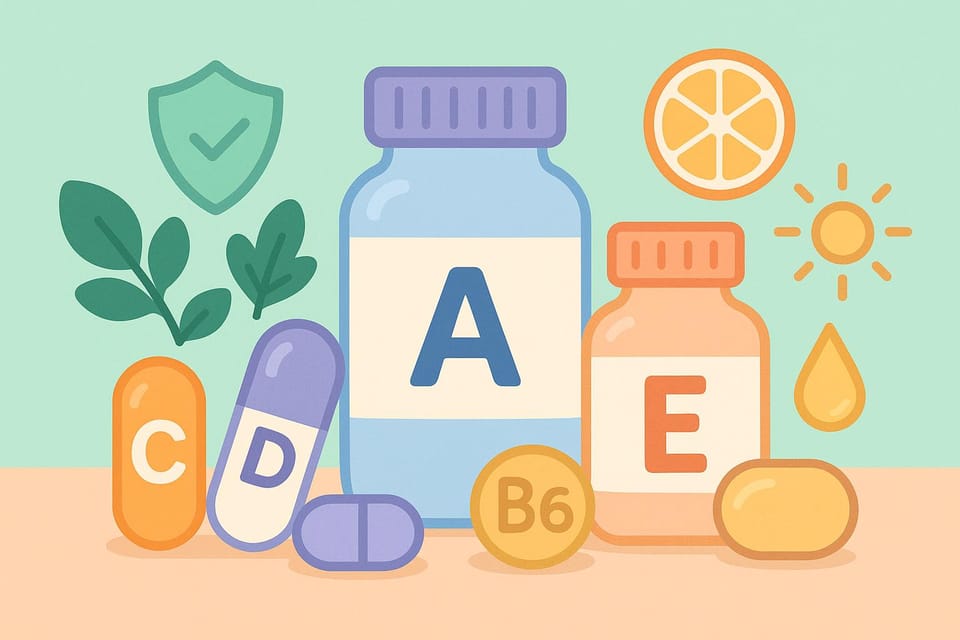
Vitamin C
Vitamin C, also known as ascorbic acid, is a water-soluble vitamin essential for immune health. It supports white blood cell production and function, enhances the body's natural defenses, and acts as a potent antioxidant protecting cells from free radical damage. Vitamin C contributes to immune defense by supporting various cellular functions of both the innate and adaptive immune system, including enhancing chemotaxis, phagocytosis, and microbial killing by immune cells. It also supports epithelial barrier function against pathogens and promotes oxidant scavenging activity of the skin. Vitamin C is involved in collagen synthesis, important for wound healing, and improves absorption of nonheme iron. According to the NIH and Healthline, vitamin C can reduce the severity and duration of colds but does not prevent them. The recommended intake for immune support is 1-2 grams per day; absorption decreases at higher doses, and excess is excreted in urine. Vitamin C is generally safe at recommended doses, but doses above 2 grams per day may cause side effects such as stomach upset, diarrhea, and rarely kidney stones. It is one of the most established vitamins for immune support, with evidence-based benefits, dosage guidelines, safety considerations, and usage tips tailored for individuals focusing on immunity.
Top Recommended Supplements
- Emergen-C 1000mg Vitamin C Powder with Zinc, Manganese, B Vitamins, and Electrolytes
- Airborne Vitamin C 1000mg Citrus Chewable Tablets with Vitamins A, C, E, Zinc, Selenium, Echinacea, and Ginger
- Nature Made Vitamin C supplements including softgels, chewable tablets, gummies, and fizzy drink mixes
Key Benefits
- Supports various cellular functions of both the innate and adaptive immune system, enhancing immune defense.
- Supports epithelial barrier function against pathogens and promotes skin's oxidant scavenging activity, protecting against environmental oxidative stress.
- Enhances chemotaxis, phagocytosis, generation of reactive oxygen species, and microbial killing by immune cells like neutrophils.
- Aids in apoptosis and clearance of spent neutrophils from infection sites, reducing tissue damage.
- Enhances differentiation and proliferation of B- and T-lymphocytes, supporting adaptive immunity.
- Acts as a potent antioxidant neutralizing free radicals that can damage cells.
- Reduces severity and duration of colds by helping immune cells reach infection sites and eliminate pathogens.
- Supports collagen formation, blood vessels, cartilage, muscle maintenance, and wound healing.
- Assists in neurotransmitter production important for nervous system signaling.
- Supports carnitine production, aiding fatty acid transport and energy generation.
- Contributes to healthy bones and teeth development and maintenance.
Evidence-Based Pros
- Vitamin C supports immune defense by enhancing various cellular functions of both the innate and adaptive immune system, including supporting white blood cell functions such as chemotaxis, phagocytosis, and microbial killing.
- It acts as a potent antioxidant protecting immune cells from oxidative damage, thereby enhancing the body's natural defenses against pathogens.
- Vitamin C contributes to the maintenance of epithelial barrier function against pathogens and promotes oxidant scavenging activity in the skin.
- Supplementation with vitamin C may prevent respiratory infections in some cases, reduce the duration of colds, and relieve clinical symptoms.
- Vitamin C plays a role in regulating redox balance and immune system function, with anti-inflammatory and pathogen-clearing effects.
- It supports apoptosis and clearance of spent neutrophils, reducing tissue damage during infections.
- Vitamin C deficiency impairs immunity and increases susceptibility to infections, while supplementation can prevent and treat respiratory and systemic infections.
- Regular vitamin C intake (100-200 mg/day) optimizes plasma and tissue levels for prophylactic immune support; higher doses (gram-level) may be needed to treat established infections.
- In some specific groups such as athletes in subarctic conditions and individuals with low plasma vitamin C, supplementation can reduce cold incidence and duration.
- Vitamin C supplementation may modulate inflammation and improve immune responses in high-risk groups such as the elderly, diabetics, and obese individuals.
- Intravenous vitamin C administration shows potential benefits in critical illness conditions like sepsis and acute respiratory distress syndrome by reducing inflammatory cytokines and improving outcomes.
Evidence-Based Cons
- Taking more than 2,000 mg of vitamin C daily can cause side effects such as diarrhea, upset stomach, vomiting, heartburn, stomach cramps, headache, and insomnia.
- High doses of vitamin C supplements may increase the risk of kidney stones, especially in susceptible individuals.
- Long-term use of high-dose vitamin C supplements can raise the risk of serious side effects.
- Vitamin C supplementation can cause hemolytic anemia in individuals with G6PDH deficiency, a genetic disorder.
- Vitamin C may interfere with certain medical tests, including blood sugar and stool tests, potentially affecting their accuracy.
- Vitamin C can interact with medications such as aluminum-containing drugs, chemotherapy agents, estrogen therapies, protease inhibitors, statins, niacin, and warfarin, potentially reducing their effectiveness or causing harm.
- Excessive vitamin C intake may lead to iron overload in people with hemochromatosis, a condition causing excessive iron accumulation.
- Vitamin C supplementation does not prevent the common cold and has minimal impact on its duration or severity.
- High doses of vitamin C may cause esophagitis (swelling of the esophagus) and other gastrointestinal discomforts.
Dosage Guidelines
Vitamin C is recommended at a dosage of 1 to 2 grams (1000 to 2000 mg) per day to support immune function, particularly for individuals focusing on immunity. This dosage is supported by research and cited by authoritative sources like the NIH and Healthline. The body absorbs vitamin C efficiently at moderate doses, but absorption decreases at doses above 1 gram, with excess excreted in urine. The tolerable upper intake level is 2 grams per day to avoid adverse effects.
Safety considerations include potential side effects such as stomach upset, nausea, diarrhea, and in rare cases, increased risk of kidney stones with high doses. Individuals with certain blood disorders (e.g., thalassemia, G6PD deficiency, sickle cell disease, hemochromatosis) should avoid high-dose vitamin C supplementation or consult a healthcare provider. It is best to take vitamin C with meals to reduce gastrointestinal discomfort.
For optimal immune support, vitamin C can be integrated into daily routines through supplements or vitamin C-rich foods, ensuring not to exceed the upper limit to maintain safety.
Safety Considerations
Vitamin C supplements are generally safe when taken at recommended doses (1-2 grams per day for immune support). However, doses above 2,000 mg daily may cause side effects such as stomach cramps, nausea, heartburn, diarrhea, and headache. Long-term high-dose use can increase the risk of kidney stones and severe diarrhea. People with G6PDH deficiency risk hemolytic anemia from high doses. Vitamin C can interact with medications including chemotherapy drugs, statins, niacin, protease inhibitors, and warfarin, and may increase aluminum absorption from certain medicines, which is harmful for those with kidney disease. High vitamin C intake can affect some medical test results (e.g., blood sugar, stool occult blood). Those with hemochromatosis should be cautious due to increased iron absorption. Consultation with healthcare providers is advised before supplementation, especially if on medications or with health conditions. (WebMD, NIH, Mayo Clinic)
Common Side Effects
Common side effects of Vitamin C, especially when taken in doses higher than the recommended 1-2g/day for immune support, include gastrointestinal issues such as diarrhea, nausea, abdominal cramps, upset stomach, vomiting, and heartburn. Other possible side effects are headache, tiredness, sleep disturbances like insomnia, and in rare cases, high doses may contribute to kidney stone formation in susceptible individuals. These side effects are relevant for individuals focusing on immunity when considering Vitamin C supplementation.
Product Selection Advice
When selecting a Vitamin C supplement for immune support, choose forms like L-ascorbic acid for affordability and research-backed efficacy, or buffered forms (calcium ascorbate, sodium ascorbate) if you have a sensitive stomach. Liposomal Vitamin C offers enhanced absorption. Look for products with clean, natural ingredients, free from fillers, artificial colors, and allergens. Certifications such as NSF Certified for Sport or third-party testing ensure purity and potency. Dosage typically ranges from 500 mg to 2,000 mg per day, often split into smaller doses to improve absorption and reduce side effects. Capsules or tablets may be safer for teeth than liquids or gummies. Opt for transparent brands that disclose sourcing and testing. Consult a healthcare provider if you have health conditions or medication interactions. This guidance helps you select a safe, effective Vitamin C supplement tailored to immune health needs and lifestyle. (Sources: ConsumerLab.com, Medical News Today, Jinfiniti, BUBS Naturals)
Integration Tips
To effectively integrate Vitamin C supplements into daily routines for immune support, individuals should aim for a daily intake of 1-2 grams as recommended for immune health, but not exceed the upper limit to avoid side effects like digestive discomfort. Taking Vitamin C with meals can enhance absorption and reduce stomach upset. Combining Vitamin C-rich foods (such as citrus fruits, bell peppers, strawberries, and broccoli) with iron-rich plant foods (like beans and spinach) in the same meal can improve iron absorption, benefiting overall immune function. For supplement forms, liposomal Vitamin C or sustained-release formulas may offer better absorption and longer availability in the body compared to standard tablets. Consistency is key—regular daily intake supports white blood cell function and antioxidant protection. Those who smoke or have specific health conditions should consult healthcare providers for personalized dosing. Cooking methods like steaming or microwaving vegetables briefly help preserve Vitamin C content in foods. Overall, integrating Vitamin C through a combination of diet and supplements tailored to individual needs supports optimal immune health.
Vitamin D
Vitamin D, also known as calciferol, is a fat-soluble vitamin essential for modulating immune responses and supporting overall immune system health. It helps regulate the immune system and promotes the body's ability to fight infections, with deficiency closely linked to increased risk of respiratory infections and autoimmune diseases such as lupus, multiple sclerosis, and rheumatoid arthritis. Vitamin D also plays a critical role in bone health by aiding calcium absorption. Because vitamin D is primarily synthesized in the skin through sun exposure and found in limited foods, supplementation is often necessary, especially in less sunny climates or for individuals with limited sun exposure.
The National Institutes of Health (NIH) recommends daily vitamin D intake of 600 to 800 IU for most adults, with safe supplementation generally ranging from 800 to 2000 IU per day. This dosage supports immune function while minimizing risk of toxicity. Vitamin D supplements come in two main forms, D2 and D3, with D3 being more effective at raising blood levels. It is best absorbed when taken with meals containing fat. Safety considerations include avoiding excessive doses above the tolerable upper intake level (usually 4000 IU/day for adults) to prevent adverse effects such as hypercalcemia.
For individuals focusing on immunity, vitamin D supplementation is a well-supported, evidence-based strategy to enhance immune resilience, especially during seasons or in regions with limited sunlight. When selecting products, look for reputable brands with third-party testing and consider formulations that suit dietary preferences and allergies. Integrating vitamin D supplements into daily routines, ideally with meals, can help maintain optimal levels for immune health.
This summary is supported by high-quality sources including the NIH and Cleveland Clinic, which emphasize vitamin D's crucial role in immune regulation and infection prevention.
Top Recommended Supplements
- Transparent Labs Vitamin D3 + K2
- Nutricost Vitamin K2 + Vitamin D3
- Thorne Vitamin D
- Now Vitamin D3
- Sports Research Vitamin D3
Key Benefits
- Modulates both innate and adaptive immune responses, helping the body defend against infections and maintain immune tolerance.
- Vitamin D deficiency is linked to increased susceptibility to infections, including respiratory tract infections and influenza.
- Supports activation of immune defenses to fight off viruses and bacteria effectively.
- May reduce the risk of autoimmune diseases by modulating immune system activity.
- Promotes overall immune health by enabling immune cells like B cells, T cells, and antigen-presenting cells to function properly.
- Safe supplementation in the range of 800-2000 IU/day is supported by multiple high-quality sources such as NIH and Cleveland Clinic.
Evidence-Based Pros
- Vitamin D supports immune function by enhancing both innate and adaptive immunity, boosting antimicrobial peptides such as cathelicidin which help fight infections.
- Vitamin D modulates immune responses by acting on immune cells like B cells, T cells, macrophages, and dendritic cells, which have vitamin D receptors and can locally synthesize active vitamin D.
- Vitamin D deficiency is associated with increased susceptibility to infections, including respiratory tract infections, influenza, bacterial vaginosis, and HIV, indicating its protective role against infections.
- Supplementation with vitamin D in deficient individuals may reduce infection risk and has beneficial effects in autoimmune diseases by promoting immune tolerance and reducing autoimmunity.
- Vitamin D plays a critical role in maintaining immune system homeostasis and regulating immune cell differentiation and proliferation, which is important for preventing autoimmune disorders.
Evidence-Based Cons
- Vitamin D2 supplementation can lower levels of vitamin D3, which is the form the body uses most effectively, potentially reducing the overall effectiveness of supplementation for immunity support. (ScienceDaily: https://www.sciencedaily.com/releases/2025/10/251004092911.htm)
- Despite promising in vitro results, clinical trials have mostly failed to show solid clinical effects of vitamin D supplementation on immune function beyond avoiding deficiency. (PMC: https://pmc.ncbi.nlm.nih.gov/articles/PMC7281985)
- High doses of vitamin D can be harmful and interact with other medications, so safety and dosage must be carefully managed. (Harvard Health: https://www.health.harvard.edu/blog/can-vitamin-d-supplements-prevent-autoimmune-disease-202203242712)
- The actual reduction in risk for autoimmune diseases from vitamin D supplementation is small, and hundreds of people would need to take it daily for years to prevent a single case, indicating limited benefit for the average person. (Harvard Health: https://www.health.harvard.edu/blog/can-vitamin-d-supplements-prevent-autoimmune-disease-202203242712)
Dosage Guidelines
For individuals focusing on immunity, the recommended safe supplementation dosage of Vitamin D is generally between 800 to 2000 IU per day. Adults aged 19 to 70 years typically require about 600 IU daily, while adults over 70 years are recommended to take around 800 IU daily. Supplementation within the range of 800 to 2000 IU daily supports immune modulation and helps reduce infection risk. Vitamin D is best absorbed when taken with a meal containing fat due to its fat-soluble nature. It is important not to exceed 4000 IU per day to avoid potential toxicity and side effects such as stomach upset, muscle weakness, and kidney issues. Individuals with specific health conditions or those at risk of deficiency should consult healthcare professionals for personalized dosage advice.
Safety Considerations
Vitamin D supplementation is generally safe when taken within recommended doses, typically 800 to 2000 IU per day for immune support. However, taking more than 4,000 IU daily can lead to toxicity, causing symptoms such as upset stomach, vomiting, weight loss, muscle weakness, confusion, heart rhythm problems, kidney stones, and kidney damage. Individuals should be cautious about excessive intake to avoid hypercalcemia (too much calcium in the blood), which can weaken bones and damage the kidneys and heart.
Vitamin D can interact with several medications, including anticonvulsants (which reduce vitamin D effectiveness), certain cholesterol medications (atorvastatin, cholestyramine, lovastatin), heart medications (digoxin, diltiazem, verapamil), steroids, thiazide diuretics, and weight-loss drugs like orlistat. High doses of vitamin D combined with these drugs may increase risks such as hypercalcemia or reduce medication effectiveness.
People with kidney failure should avoid vitamin D with aluminum-containing phosphate binders due to risk of aluminum toxicity. Long-term use of stimulant laxatives can reduce vitamin D absorption.
Because vitamin D levels can be influenced by sun exposure, diet, and individual factors like age, skin color, and geographic location, supplementation should be tailored and ideally supervised by a healthcare professional. Blood tests can help determine vitamin D status and appropriate dosing.
In summary, for individuals focusing on immunity, vitamin D supplementation is beneficial but should be taken within safe limits, with attention to potential side effects and drug interactions, and under medical guidance if other health conditions or medications are involved.
Common Side Effects
Typical side effects of vitamin D supplementation, especially at high doses (above 4,000 IU/day), include upset stomach, vomiting, weight loss, loss of appetite, muscle weakness, cognitive difficulties, heart rhythm issues, kidney stones, and kidney damage. These side effects are important to consider for individuals focusing on immunity who supplement vitamin D within the recommended safe dose range of 800-2000 IU/day to avoid toxicity risks. (Mayo Clinic, NIH ODS)
Product Selection Advice
When selecting a Vitamin D supplement for immunity, prioritize products with third-party certifications such as NSF (National Sanitation Foundation) or USP (United States Pharmacopeia) to ensure quality, potency, and safety. Choose Vitamin D3 (cholecalciferol) over D2, as D3 is more effective at raising and maintaining blood levels. For vegans, seek vegan-certified D3 derived from lichen or fungal sources and verify ingredient sources with manufacturers. Consider delivery forms based on preference and absorption needs: softgels with oil bases enhance absorption; liquid drops and sprays aid those with swallowing difficulties; gummies are kid-friendly but may contain added sugars and less reliable dosing. Check supplement facts for appropriate dosage (typically 800-2000 IU/day for immunity), absence of fillers, allergens (e.g., gluten, soy), and artificial additives. Avoid proprietary blends without clear dosages and products lacking transparency or certification. Ensure proper storage and check expiration dates to maintain potency. Consult healthcare providers for personalized advice and deficiency testing. Overall, choose trusted brands with transparent labeling and third-party testing to safely and effectively support immune health with Vitamin D supplementation.
Integration Tips
To effectively integrate Vitamin D supplementation into daily routines for individuals focusing on immunity, take the supplement with a meal or snack containing healthy fats (such as olives, walnuts, or brown rice) to enhance absorption, as Vitamin D is fat-soluble. Morning is an ideal time to take Vitamin D, especially with breakfast, which is often the largest meal and helps establish a consistent habit. Placing the Vitamin D bottle on the breakfast table can serve as a reminder to take it daily. While some prefer taking it in the evening, absorption may be less effective if not taken with food, and there is mixed evidence regarding its impact on sleep. Factors such as age, skin color, sun exposure, and medications can affect Vitamin D needs and absorption, so consulting with a healthcare provider is recommended to tailor supplementation. Typical safe supplementation doses range from 800 to 2000 IU per day for immune support, but individual needs may vary. Always avoid excessive doses without medical advice to prevent toxicity. Incorporating Vitamin D supplements alongside dietary sources and sensible sun exposure can optimize immune benefits.
Vitamin A Vitamin A supports mucosal barriers and immune cell function, playing a crucial role in maintaining the body's immune system. It is essential for vision, skin health, and cell growth. Research from the Cleveland Clinic highlights its beneficial impact on immunity but also emphasizes the importance of moderation due to the risk of toxicity at high intakes. The recommended daily allowance (RDA) varies by age, sex, and pregnancy status, generally ranging from 700 to 900 micrograms retinol activity equivalents (RAE) per day, with an upper intake level of 3,000 mcg RAE (10,000 IU) to avoid toxicity. Excessive vitamin A intake can lead to acute or chronic toxicity with symptoms including headache, nausea, dizziness, skin issues, and in severe cases, liver damage and teratogenic effects during pregnancy. It is advised to obtain vitamin A primarily from food sources rich in carotenoids and to consult healthcare providers before supplementing, especially for smokers and pregnant women. Summary: - Supports mucosal barriers and immune cell function - Important for vision, skin, and cell growth - RDA: 700-900 mcg RAE/day; UL: 3,000 mcg RAE/day - Toxicity risk with high doses: nausea, headache, liver damage, teratogenicity - Best sourced from colorful fruits, vegetables, and animal products - Consult healthcare provider before supplementation This information is based on research and guidance from the Cleveland Clinic, Mayo Clinic, and NCBI StatPearls.
Vitamin A is a fat-soluble vitamin essential for supporting mucosal barriers and immune cell function, playing a critical role in maintaining a healthy immune system. It is found in animal products as preformed vitamin A (retinol) and in fruits and vegetables as provitamin A carotenoids. Research from the Cleveland Clinic highlights Vitamin A's importance in boosting immunity and protecting against infections, while the Linus Pauling Institute emphasizes its role in regulating cell growth, differentiation, and immune responses. However, Vitamin A must be taken in moderation due to its potential toxicity at high doses. The recommended daily allowance (RDA) is about 700-900 mcg retinol activity equivalents (RAE) for adults, with an upper intake limit of 3,000 mcg RAE (10,000 IU) to avoid adverse effects. Excessive intake can lead to acute or chronic toxicity, causing symptoms such as headaches, skin issues, nausea, and in severe cases, organ damage. Special caution is advised for pregnant women due to teratogenic risks. Overall, Vitamin A is a vital nutrient for immune health but requires careful dosing and consideration of supplement sources to ensure safety and effectiveness.
Top Recommended Supplements
- Pure TheraPro Rx Vegan A-D-K Full Spectrum Drops
- Swanson Beta Carotene
- Nordic Naturals Arctic Cod Liver Oil
- Carlson Wild Norwegian Cod Liver Oil
- Swanson Vitamin A Softgels
- NOW Foods Vitamin A 10,000 IU
- Klaire Labs Micellized Vitamin A Liquid
- Pure Encapsulations Macular Support Formula
Key Benefits
- Supports the development and regulation of the immune system, enhancing cellular and humoral immune responses.
- Maintains the integrity of mucosal barriers such as the lining of the respiratory and gastrointestinal tracts, which are critical for preventing pathogen entry.
- Acts as an anti-inflammatory agent, reducing excessive immune responses and supporting immune balance.
- Enhances the activity of immune cells, boosting the body's ability to fight bacterial, viral, and parasitic infections.
- Promotes maintenance and repair of epithelial tissues, important physical barriers against infection.
- May reduce the risk and severity of infectious diseases by supporting immune function.
- Provides antioxidant protection to immune cells, reducing oxidative damage.
Evidence-Based Pros
- Supports immune system function by strengthening white blood cells and the mucus membranes in the lungs, intestines, and urinary tract, helping to ward off infections and toxins.
- Vitamin A supplementation in children with measles has been shown to reduce the severity of the disease, potentially saving lives.
- Acts as an antioxidant that helps protect cells from damage caused by free radicals, thereby reducing inflammation and disease risk.
- Essential for maintaining healthy vision, which is important for overall health and immune function.
- Supports healthy fetal growth and development, including the immune system.
Evidence-Based Cons
- Vitamin A toxicity (hypervitaminosis A) can cause significant organ damage including liver, bones, central nervous system, and skin damage due to excessive intake. (NCBI StatPearls)
- Acute toxicity symptoms include nausea, vomiting, headache, dizziness, irritability, blurred vision, muscular incoordination, dry skin, cheilitis, and mucosal dryness. (NCBI StatPearls)
- Chronic toxicity from prolonged high doses can lead to bone pain, increased intracranial pressure, and liver damage. (NCBI StatPearls)
- Vitamin A is teratogenic at high doses, posing risks of severe malformations during pregnancy. (NCBI StatPearls)
- Serum retinol levels may not reliably indicate toxicity, complicating diagnosis. (ScienceDirect)
- Excessive intake is common in developed countries due to supplements and fortified foods, often exceeding recommended levels and increasing toxicity risk. (ScienceDirect)
- Older adults are at increased risk due to altered vitamin A metabolism and higher supplement use. (Consultant360)
- Preformed vitamin A from animal sources and supplements poses higher toxicity risk compared to provitamin A carotenoids from plants, which rarely cause toxicity. (NCBI, ScienceDirect)
- Unintentional excessive intake can occur from combined use of supplements and fortified foods. (Consultant360)
- Symptoms of toxicity can include skin peeling, pruritus, fissuring of fingertips, and hair loss (telogen effluvium). (NCBI StatPearls)
Dosage Guidelines
The recommended daily allowance (RDA) of Vitamin A for adults focusing on immunity is 900 mcg RAE (3,000 IU) for men and 700 mcg RAE (2,330 IU) for women. The Tolerable Upper Intake Level (UL) is 3,000 mcg RAE (10,000 IU) to avoid toxicity. Excessive intake above this can cause acute or chronic toxicity with symptoms like headaches, skin issues, and liver enlargement. Smokers should avoid beta-carotene supplements due to increased lung cancer risk. Pregnant women should avoid high doses due to teratogenic effects. Vitamin A is best obtained from food sources rich in carotenoids, and supplementation should be done under medical advice to ensure safe dosing and avoid toxicity.
Safety Considerations
Vitamin A is essential for immune function but requires careful dosing due to toxicity risks. The recommended daily allowance (RDA) for adults is 700-900 mcg RAE (2,330-3,000 IU), and the tolerable upper intake level (UL) is 3,000 mcg RAE (10,000 IU) per day. Excessive intake can lead to toxicity since vitamin A is fat-soluble and stored in the body.
Two types of toxicity exist: acute and chronic. Acute toxicity, often from accidental megadose ingestion, causes symptoms like headache, rash, drowsiness, irritability, and gastrointestinal distress. Chronic toxicity results from prolonged intake above 10,000 IU daily and can cause severe headaches, intracranial hypertension, hair loss, dry and itchy skin, cracked lips, weakness, fractures, and enlarged liver or spleen. Children may experience loss of appetite, joint pain, and abnormal bone growth.
Vitamin A is teratogenic; high doses during pregnancy can cause irreversible fetal development issues. Pregnant or planning women should avoid excessive vitamin A intake.
Smokers or former smokers should avoid beta-carotene supplements due to increased lung cancer risk. Users should consult healthcare providers before supplementing and monitor intake from multiple sources to avoid overdose. If toxicity is suspected, medical advice or Poison Control should be contacted immediately.
Overall, while vitamin A supports mucosal barriers and immune cells, moderation is critical to avoid serious adverse effects.
Common Side Effects
Common side effects of Vitamin A for individuals focusing on immunity include nausea, vomiting, dizziness, headache, irritability, diarrhea, loss of appetite, fatigue, blurry vision, itching, hair loss, bone pain, and skin changes. High doses can lead to toxicity, causing more severe symptoms such as muscular incoordination and liver damage. Moderation is important due to the risk of toxicity at high intakes. These side effects are particularly relevant for those supplementing Vitamin A to support immune function (WebMD, Mayo Clinic, NCBI Bookshelf, Cleveland Clinic)
Product Selection Advice
When choosing a Vitamin A supplement, consider the following guidance to ensure safety, efficacy, and alignment with your lifestyle needs:
- Brand Recommendations: Opt for reputable brands that undergo third-party testing to verify ingredient quality and product safety. Look for certifications from organizations like USP (United States Pharmacopeia), NSF (National Sanitation Foundation), or NPA GMP (Natural Products Association Good Manufacturing Practices).
- Ingredient Focus: Choose supplements with high-quality, limited additives and fillers. Vitamin A supplements may come in various forms such as retinol or beta-carotene; select the form that best suits your dietary preferences and health needs. Supplements formulated with added fats or oils can enhance absorption since Vitamin A is fat-soluble.
- Certifications: Seek products that are non-GMO verified, USDA Organic certified (for organically sourced ingredients), and vegan or allergen-free if these factors are important to you. Note that USDA Organic certification pertains to ingredient sourcing, not safety or potency.
- Red Flags: Avoid supplements making unrealistic health claims or those lacking clear labeling. Be cautious of products claiming "FDA approval" for supplements, as the FDA does not approve dietary supplements before market release. Watch out for supplements with undisclosed proprietary blends or those that do not disclose full ingredient lists and dosages.
- Safety Considerations: Since Vitamin A can be toxic at high doses, follow dosage recommendations carefully and consult a healthcare professional before starting supplementation, especially if you have underlying health conditions or are on medications.
- Additional Tips: Consider your dietary restrictions (e.g., vegan) and potential allergies when selecting a product. Liquid forms, softgels, or capsules are available; choose the form that fits your routine best.
This approach helps ensure you select a Vitamin A supplement that is safe, effective, and tailored to your immune support needs and lifestyle goals. (Healthline, GoodRx)
Integration Tips
To effectively integrate Vitamin A supplements into daily routines for individuals focusing on immunity, take the vitamin orally with a glass of water, preferably with food to enhance absorption and reduce stomach upset. Follow the dosage instructions on the package or as prescribed by a healthcare provider, taking the supplement at regular intervals without exceeding the recommended dose to avoid toxicity. Avoid combining Vitamin A supplements with other retinoid products or beta-carotene supplements unless advised by a healthcare professional. Complement supplementation with a balanced diet rich in natural sources of Vitamin A such as green and yellow fruits and vegetables, eggs, butter, milk, meat, and oily fish. Regular consultation with a healthcare provider is important to tailor the dose to individual needs and monitor for any side effects or interactions. Store the supplement at room temperature, protected from heat and light, and keep it out of reach of children for safety.
Vitamin E Vitamin E is a fat-soluble antioxidant that enhances both humoral and cell-mediated immunity by maintaining T-cell activity. It protects polyunsaturated fatty acids in cell membranes from oxidation and regulates reactive oxygen species, which helps modulate immune function. Vitamin E also inhibits protein kinase C, reducing inflammation and platelet aggregation, and supports the function of immune cells such as T cells, B cells, macrophages, and natural killer cells. The National Institutes of Health (NIH) highlights its crucial role in immune support and antioxidant properties, making it important for maintaining immune health. Key Points: - Enhances T-cell proliferation and activity - Increases antibody production and natural killer cell activity - Acts as a potent antioxidant protecting cell membranes - Modulates immune signaling pathways - Recommended intake varies by age and condition This information is based on research-backed evidence from NIH sources including the Office of Dietary Supplements and peer-reviewed articles.
Vitamin E is a fat-soluble antioxidant that plays a crucial role in supporting the immune system by enhancing both humoral (antibody-mediated) and cell-mediated immunity, particularly by maintaining T-cell function and activity. It protects immune cells from oxidative damage due to its antioxidant properties, which help neutralize free radicals and reactive oxygen species that can impair immune cell membranes and function. Vitamin E is found in higher concentrations in immune cells compared to other cells in the blood, underscoring its importance in immune modulation. Deficiency in vitamin E impairs immune responses, but supplementation above recommended levels has been shown to enhance immune function, reduce infection risk, and improve resistance to diseases such as respiratory infections, especially in older adults. The National Institutes of Health (NIH) recognizes vitamin E's role in immune support and highlights its antioxidant activity and regulatory effects on immune cell signaling, gene expression, and inflammatory mediators. Vitamin E modulates T-cell membrane integrity, signal transduction, and cell division, contributing to improved immune defense. It also influences the production of cytokines like interleukin-2, which promotes T-cell proliferation, and reduces suppressive factors like prostaglandin E2, enhancing immune responsiveness. These effects make vitamin E a vital nutrient for maintaining and boosting immune health, particularly in populations with increased vulnerability such as the elderly. (Sources: NIH ODS Vitamin E Fact Sheet, PMC Article on Vitamin E and Immune System, PMC Article on Vitamin E and Immune Response in the Aged)
Top Recommended Supplements
- Nordic Naturals Vitamin E Complex - Contains six highly absorbable forms of vitamin E including alpha-tocopherol and tocotrienols; offers comprehensive antioxidant support and promotes healthy immunity; non-GMO, sustainably sourced, third-party tested for purity and potency.
- Pure Encapsulations Vitamin E - Best softgel vitamin E supplement known for purity and quality; contains alpha-tocopherol for optimal absorption.
- Nature Made Natural Vitamin E - A well-regarded softgel vitamin E supplement option.
- Garden of Life Vitamin Code Raw Vitamin E - Best vegan vitamin E supplement that provides vitamin E in a raw, whole-food form.
- CVS Health Vitamin E - Offers a higher dose vitamin E supplement for those needing more than standard doses.
- Kirkland Signature Vitamin E - Budget-friendly vitamin E supplement option providing effective immune support.
Key Benefits
- Enhances humoral and cell-mediated immunity by maintaining T-cell activity and increasing lymphocyte proliferation.
- Acts as a potent antioxidant protecting cell membranes from oxidative damage by scavenging free radicals.
- Modulates immune cell function including dendritic cells, macrophages, natural killer (NK) cells, T cells, and B cells.
- Increases production of interleukin-2 (IL-2), which supports T-cell function and immune response.
- Improves antibody responses and natural killer cell activity, strengthening the body's defense against infections.
- Reduces inflammation by regulating enzymes involved in signal transduction and immune cell activation.
- Supports overall immune system strength against viruses and bacteria, contributing to better infection resistance.
Evidence-Based Pros
- Vitamin E is a potent lipid-soluble antioxidant concentrated in immune cells, effectively modulating immune function by protecting immune cell membranes from oxidative damage and maintaining T cell function, including membrane integrity, signal transduction, and cell division (PMC, 2018).
- Vitamin E deficiency impairs both humoral (antibody production) and cell-mediated (T cell) immune responses in animals and humans, which can be reversed by supplementation, highlighting its essential role in immune health (PMC, 2018).
- Supplementation with vitamin E above dietary recommendations enhances immune system function and reduces infection risk, especially in older adults, by modulating inflammatory mediators and improving host resistance to bacterial and viral infections (PMC, 2018).
- Vitamin E supports immune function through antioxidant activity and involvement in cell signaling and gene regulation, including inhibition of protein kinase C, which affects cell proliferation and differentiation in immune cells (NIH ODS).
- Vitamin E enhances dendritic cell function by blocking SHP1 checkpoint protein activity, increasing antigen presentation, and priming T cells for stronger anti-tumor immune responses, which may improve immunotherapy outcomes (MD Anderson, 2022).
- Vitamin E supplementation reduces inflammatory biomarkers such as C-reactive protein (CRP) and tumor necrosis factor-alpha (TNF-α), particularly at higher doses and in the form of alpha-tocopherol, indicating anti-inflammatory effects relevant to immune regulation (Nature, 2020).
- Vitamin E decreases pro-inflammatory cytokine expression by inhibiting nuclear transcription factor NF-kappaB activation, contributing to reduced chronic low-grade inflammation and improved immune function (Nature, 2020).
Evidence-Based Cons
- High doses of vitamin E supplements can cause hemorrhage and interrupt blood coagulation, increasing the risk of bleeding, including brain hemorrhage, especially in people taking blood thinners or with bleeding disorders (NIH, Mayo Clinic, WebMD).
- Taking high doses of vitamin E might raise the risk of prostate cancer, according to some research (Mayo Clinic).
- Vitamin E supplements may increase the risk of death in people with a history of heart attack or stroke (Mayo Clinic).
- Potential side effects of vitamin E supplementation include upset stomach, loose stools, belly cramps, tiredness, weakness, headache, blurred vision, and rash (Mayo Clinic, WebMD).
- Vitamin E can interact with various medications, including anticoagulants, chemotherapy drugs, statins, niacin, and vitamin K, possibly affecting their efficacy or increasing side effects (Mayo Clinic, WebMD).
- Vitamin E is fat soluble and can accumulate in body tissues; although rare, toxicity symptoms include fatigue, weakness, nausea, blurred vision, gas, and diarrhea (University of Rochester Medical Center).
- People with certain conditions such as vitamin K deficiency, retinitis pigmentosa, diabetes, bleeding conditions, liver disease, or those undergoing surgery should be cautious or avoid vitamin E supplements due to increased risks (Mayo Clinic).
Dosage Guidelines
Vitamin E dosage guidelines for immune support are primarily based on the Recommended Dietary Allowance (RDA) for alpha-tocopherol, the active form of Vitamin E. For adults and teens aged 14 years and older, the RDA is 15 mg (22.4 IU) per day. Pregnant women also require 15 mg per day, while lactating women require 19 mg per day. For children, the RDA ranges from 4 mg per day for infants to 11 mg per day for ages 9-13. The Tolerable Upper Intake Level (UL) for adults is 1,000 mg per day, which is the maximum daily intake unlikely to cause adverse health effects.
Vitamin E is fat-soluble, so it is best taken with meals containing fat to enhance absorption. While typical dietary intake meets most needs, supplementation may be considered for immune support, especially in individuals with low Vitamin E levels or specific health conditions affecting fat absorption. However, high doses should only be taken under medical supervision due to potential risks.
Food sources rich in Vitamin E include nuts, seeds, vegetable oils, and green leafy vegetables, which also contribute to immune health.
These guidelines are supported by the National Institutes of Health (NIH) and WebMD, emphasizing Vitamin E's role in enhancing humoral and cell-mediated immunity by maintaining T-cell activity and its antioxidant properties that protect immune cells from oxidative damage.
Safety Considerations
Vitamin E is generally safe when taken at recommended doses but can pose risks at high doses, especially above 1000 mg/day. High intake may increase the risk of bleeding, particularly in individuals with bleeding disorders or those on anticoagulant/antiplatelet therapy, and should be discontinued two weeks before surgery. People with low vitamin K, retinitis pigmentosa, diabetes, liver disease, or a history of heart attack, stroke, or certain cancers should consult healthcare providers before use. High doses may increase the risk of prostate cancer and mortality in those with cardiovascular history. Vitamin E can interact with chemotherapy drugs, statins, niacin, vitamin K, and CYP3A4 substrates, potentially affecting drug efficacy or safety. Side effects at high doses include gastrointestinal upset, fatigue, headache, blurred vision, and rash. Consultation with a healthcare professional is advised before supplementation for immune support. (NIH ODS, Mayo Clinic)
Common Side Effects
Common side effects of Vitamin E supplementation include increased risk of bleeding due to its blood-thinning effects, allergic skin reactions (dermatitis), and potential immune suppression at high doses. Other possible adverse effects include breathing difficulties, wheezing, rapid heartbeat, fever, and general malaise. Deficiency symptoms—which can impair immune function—include nerve pain (neuropathy), muscle weakness (myopathy), and vision problems (retinopathy). Users focusing on immunity should be cautious with dosage and consult healthcare providers to ensure safe use.
Product Selection Advice
When choosing a Vitamin E supplement for immunity support, prioritize products that are third-party tested for purity and potency to ensure safety and efficacy. Look for supplements containing natural forms of Vitamin E, such as d-alpha tocopherol or RRR-alpha tocopherol, which offer better absorption and bioavailability. Opt for products with minimal additives and fillers to reduce exposure to unnecessary ingredients. Certifications such as Non-GMO, vegan, vegetarian, halal, kosher, and GMP (Good Manufacturing Practices) are important indicators of quality and ethical manufacturing standards. For those with dietary restrictions or allergies, select allergen-free options that do not contain soy, gluten, dairy, or nuts. Additionally, consider supplements that include mixed tocopherols and tocotrienols for broader antioxidant benefits. Trusted brands often provide transparent ingredient lists and have a reputation for medical credibility and ethical business practices. Taking these factors into account will help you select a Vitamin E supplement that effectively supports immune health while aligning with your lifestyle and safety preferences.
Integration Tips
To effectively integrate Vitamin E into your daily routine for immune support, consider the following tips:
- Aim to meet the Recommended Dietary Allowance (RDA) of 15 mg (22 IU) daily for adults, with slightly higher needs for pregnant or breastfeeding women (19 mg).
- Obtain Vitamin E primarily through a balanced diet rich in nuts, seeds, vegetable oils (such as sunflower, safflower, and wheat germ oil), green leafy vegetables, and fortified cereals to ensure natural intake.
- If using supplements, choose those containing natural alpha-tocopherol (d-alpha-tocopherol) and avoid exceeding 1,000 mg daily to prevent adverse effects such as increased bleeding risk.
- Take Vitamin E supplements with meals containing fat to enhance absorption, as it is fat-soluble.
- Consult a healthcare provider before starting supplements, especially if you take blood thinners, cholesterol medications, or cancer treatments.
- Incorporate Vitamin E-rich foods or supplements consistently at the same time each day to build a sustainable habit.
- Monitor for any side effects and avoid megadoses beyond recommended limits to maintain safety.
By following these guidelines, individuals focusing on immunity can safely and conveniently support their immune health with Vitamin E as part of their daily wellness routine.
Vitamin B6 (Pyridoxine HCl)
Vitamin B6 (Pyridoxine HCl) is essential for immune function, particularly in the production of white blood cells and T cells. It acts as a coenzyme involved in over 100 enzyme reactions, mainly related to protein metabolism, and supports lymphocyte and interleukin-2 production, which are critical for immune response. Clinical evidence and the NIH support that deficiency in vitamin B6 impairs immune function. The typical recommended daily intake ranges from 1.3 to 1.7 mg for adults, with variations based on age, sex, and physiological conditions such as pregnancy and lactation. Vitamin B6 is naturally found in foods like fish, beef liver, potatoes, and fortified cereals, and is available as a supplement usually in the form of pyridoxine hydrochloride. Safety considerations include avoiding excessive doses to prevent side effects such as neuropathy. Supplementation is generally safe and beneficial for individuals with certain health conditions affecting nutrient absorption or immune health.
Top Recommended Supplements
- ONNIT Alpha Brain Nootropic Brain Supplement (contains Vitamin B6)
- NEURIVA Ultra Decaffeinated Nootropic Brain Supplement (contains Vitamins B6 and B12)
- Nature's Bounty Vitamin B6 100mg Tablets
- Nature Made Vitamin B6 100mg Tablets
- Solgar Vitamin B6 25mg Tablets
- Best Naturals Vitamin B-6 25mg Tablets
- 365 Everyday Value Vitamin B6 50mg
- Pure Encapsulations P5P 50 Active Vitamin B6
- Nutricost Vitamin B6 (Pyridoxine HCl) 100mg Capsules
Key Benefits
- Supports production of white blood cells and T cells, essential for immune response.
- Promotes lymphocyte and interleukin-2 production, enhancing immune function.
- Helps chemical reactions in the immune system, improving its effectiveness against infections.
- Aids in antibody and cytokine production, critical for immune defense.
- Reduces inflammation by modulating inflammatory mediators and pathways.
- Contributes to maintaining immune cell function and metabolic machinery.
- Helps maintain normal levels of homocysteine, which is linked to immune and cardiovascular health.
- May reverse inflammatory effects in deficiency states and support broad-spectrum anti-inflammatory action.
- Linked to better immune responses in older adults and prevention of immunosuppression related to deficiency.
Evidence-Based Pros
- Vitamin B6 supports metabolic processes and immune function, improving overall health and resilience against diseases by reducing oxidative stress and inflammation, which are key contributors to chronic diseases including cardiovascular disease and cancer. (https://www.sciencedirect.com/science/article/pii/S2772566925000941)
- Vitamin B6 is essential for the production of white blood cells and T cells, playing a critical role in immune response and enhancing immunity. Deficiency is linked to impaired immune function. (https://pmc.ncbi.nlm.nih.gov/articles/PMC8467949)
- Vitamin B6 has anti-inflammatory properties, demonstrated by its ability to downregulate a broad spectrum of inflammatory mediators including cytokines such as IL-6, IL-1β, TNF-α, NF-κB, and Toll-like receptor 4, which are implicated in hyperinflammatory conditions like sepsis and COVID-19. (https://www.mdpi.com/2227-9059/11/9/2578)
- Vitamin B6 deficiency disrupts immune response by decreasing production of proteins and nucleic acids, inhibiting immune cell function, and interfering with cellular metabolic machinery. Supplementation can reverse inflammatory effects and support antibody and cytokine production. (https://www.mdpi.com/2227-9059/11/9/2578)
- Vitamin B6 is involved in regulating sphingosine-1-phosphate metabolism, which controls lymphocyte release and inflammatory responses, thus maintaining immune homeostasis and equilibrium to control viral replication without excessive cytokine expression. (https://pmc.ncbi.nlm.nih.gov/articles/PMC8467949)
- Vitamin B6 acts as an antioxidant and lowers advanced glycation end products (AGEs), which contributes to reducing inflammation and oxidative damage in the body, supporting immune health. (https://pmc.ncbi.nlm.nih.gov/articles/PMC8467949)
- Vitamin B6 is important for maintaining a balanced inflammatory response, functioning differently from standard anti-inflammatory drugs by supporting overall immune function rather than inhibiting specific enzymes or molecules. (https://www.mdpi.com/2227-9059/11/9/2578)
- Vitamin B6 is necessary for normal brain development and maintaining a healthy nervous and immune system, with a recommended intake of 1.3-1.7 mg/day for adults. (https://www.mayoclinic.org/drugs-supplements-vitamin-b6/art-20363468)
Evidence-Based Cons
- Taking too much vitamin B6 from supplements can cause neurological symptoms such as lack of muscle control or coordination of voluntary movements (ataxia), numbness, and reduced ability to sense pain or extreme temperatures, which can impair daily functioning.
- High doses of vitamin B6 supplements may lead to painful, disfiguring skin lesions and photosensitivity (sensitivity to sunlight).
- Excessive intake can cause gastrointestinal issues such as heartburn and nausea.
- Vitamin B6 supplements may cause allergic reactions in some individuals, including symptoms like rash, itching, swelling, breathing difficulties, and severe allergic responses requiring immediate medical attention.
- Vitamin B6 can interact with certain medications, potentially reducing their effectiveness (e.g., chemotherapy drugs like altretamine, Parkinson's drug levodopa, anticonvulsants, and barbiturates), which could complicate treatment for individuals with immune-related or other health conditions.
- People with immune disorders or kidney problems should consult healthcare providers before using vitamin B6 supplements, as underlying conditions may affect safety and efficacy.
- Taking vitamin B6 in doses higher than recommended (typically above 100 mg daily) is considered possibly unsafe and can cause serious neurological damage over time.
Dosage Guidelines
Vitamin B6 (Pyridoxine HCl) is essential for immune function, supporting the production of white blood cells and T cells. The typical recommended daily intake for adults focusing on immunity is 1.3 mg per day for individuals aged 50 and younger. For adults over 50, the recommended intake increases to 1.5 mg per day for women and 1.7 mg per day for men. These dosages align with the Recommended Dietary Allowances (RDAs) established by the NIH and are supported by clinical evidence linking adequate Vitamin B6 levels to proper immune function.
When taking Vitamin B6 supplements, it is important to adhere to these recommended doses to avoid potential side effects such as nerve damage or skin lesions, which can occur with excessive intake. Vitamin B6 is generally safe when consumed through food or supplements at these levels. For individuals with specific health conditions or those taking medications, consulting a healthcare provider before supplementation is advised.
For integration into daily routines, Vitamin B6 can be taken with meals to enhance absorption and reduce the risk of gastrointestinal discomfort. Supplement forms typically include oral capsules, tablets, or liquids containing pyridoxine hydrochloride.
Summary:
- Adults ≤50 years: 1.3 mg/day
- Women >50 years: 1.5 mg/day
- Men >50 years: 1.7 mg/day
- Take with food for best absorption
- Avoid exceeding recommended doses to prevent side effects
- Consult healthcare provider if on medication or with health conditions
These guidelines ensure effective support of immune health through Vitamin B6 supplementation. (NIH, Mayo Clinic)
Safety Considerations
Vitamin B6 (Pyridoxine HCl) is generally safe when consumed at typical intake levels of 1.3-1.7 mg/day, which meet the Recommended Dietary Allowance (RDA) for most adults. Consuming vitamin B6 through food sources is safe even in high amounts. However, excessive intake from supplements, especially doses above 100 mg daily, can lead to adverse effects such as nerve damage causing numbness and difficulty walking (ataxia), painful skin lesions, photosensitivity, heartburn, and nausea. Individuals should avoid high-dose supplementation unless supervised by a healthcare provider.
People with certain medical conditions such as kidney disease, malabsorption syndromes, or autoimmune disorders may require supplementation but should do so under medical guidance. Vitamin B6 can interact with medications including chemotherapy drugs (altretamine), barbiturates, anticonvulsants (phenytoin, fosphenytoin), and levodopa, potentially reducing their effectiveness or altering drug action. It is important to consult a healthcare professional before starting vitamin B6 supplements if taking any medications.
For individuals focusing on immunity, maintaining adequate vitamin B6 intake supports white blood cell and T cell production, but supplementation should be balanced to avoid toxicity. Monitoring dosage and avoiding excessive intake is key to safety.
Common Side Effects
Typical adverse effects of Vitamin B6 (Pyridoxine HCl) supplementation include nausea, headache, stomach pain, loss of appetite, mild numbness or tingling, and photosensitivity. High doses or long-term use can cause peripheral neuropathy, characterized by burning, tingling, or numbness in the hands and feet, as well as painful skin lesions, dizziness, and allergic reactions such as skin rash, itching, and swelling. It is important to adhere to recommended doses to avoid these side effects (Mayo Clinic, WebMD, Cleveland Clinic, NCBI, Drugs.com).
Product Selection Advice
When selecting Vitamin B6 (Pyridoxine HCl) supplements for immune support, choose products that are vegan, non-GMO, gluten-free, and free from common allergens like dairy, nuts, and shellfish. Look for certifications such as NSF or similar allergen-free manufacturing standards to ensure quality and safety. Avoid artificial flavors and sweeteners; natural alternatives like monk fruit are preferable. For children, melty tab formulations that dissolve easily without water and contain zero sugar are beneficial, especially for picky eaters. Brands like Renzo's Vitamins offer these features along with a money-back taste guarantee. Typical adult doses align with NIH recommendations of 1.3-1.7 mg/day, but consult healthcare professionals for personalized advice. Additionally, check customer reviews and brand transparency regarding ingredient sourcing and manufacturing practices to ensure product reliability and effectiveness.
Integration Tips
To effectively integrate Vitamin B6 (Pyridoxine HCl) into daily routines for individuals focusing on immunity, it is best to consume it through a balanced diet rich in foods like fish, beef liver, poultry, potatoes, chickpeas, bananas, and fortified cereals. When supplementation is necessary, typical intake ranges from 1.3 to 1.7 mg per day for adults, aligning with recommended dietary allowances. Vitamin B6 supplements come in various forms including capsules, tablets, chewables, and liquids, which can be taken with meals to enhance absorption. Since Vitamin B6 is water-soluble and excess amounts are excreted, consistent daily intake is important. It is advisable to avoid exceeding the tolerable upper intake level of 100 mg per day to prevent adverse effects such as nerve damage. Pregnant individuals using Vitamin B6 for nausea should follow healthcare provider guidance on dosage. Choosing reputable supplement brands with clear labeling and certifications ensures safety and efficacy. Overall, integrating Vitamin B6 as part of a comprehensive immune-supportive lifestyle—incorporating balanced nutrition, hydration, sleep, and stress management—maximizes its benefits for immune health.