
Best Vitamins for People Recovering from Illness
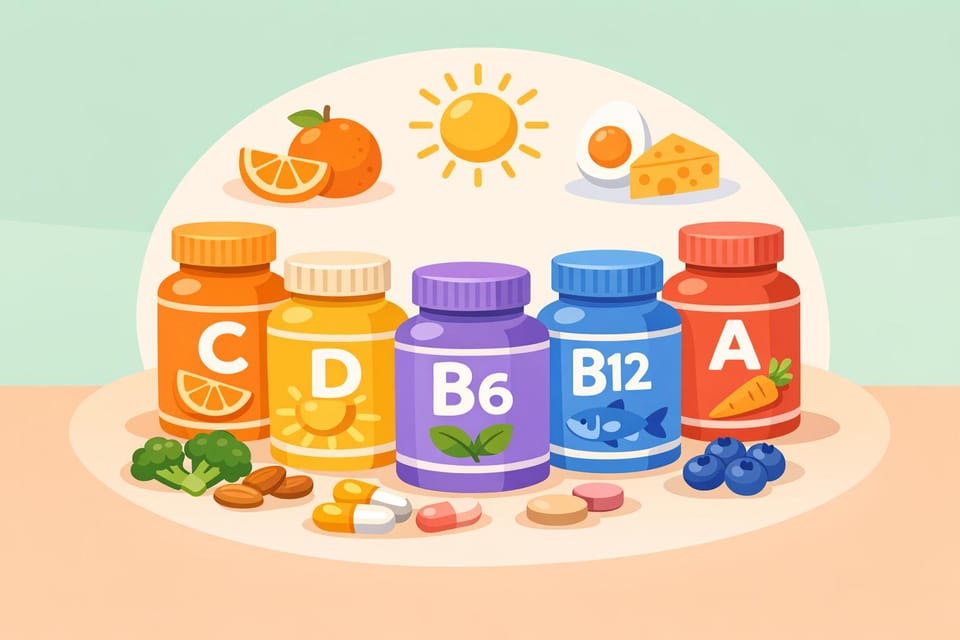
Vitamin C
Vitamin C, also known as ascorbic acid, is a powerful antioxidant essential for humans who cannot synthesize it. It plays a crucial role in tissue regeneration by aiding collagen synthesis, which is vital for wound healing and providing tensile strength to new tissue. Vitamin C supports immune defense by enhancing various cellular functions of both innate and adaptive immune systems. It accumulates in immune cells like neutrophils, promoting chemotaxis, phagocytosis, reactive oxygen species generation, and microbial killing, thereby helping to protect against infections. Deficiency in vitamin C leads to impaired immunity, delayed wound healing, and higher susceptibility to infections, including pneumonia. Supplementation of vitamin C has been shown to improve healing outcomes, particularly in conditions like pressure ulcers and surgical wounds, and it can reduce illness duration and promote recovery from infectious diseases and surgery. Its antioxidant properties help neutralize oxidative stress during immune responses, supporting cell protection. Vitamin C also enhances iron absorption and is involved in the synthesis of carnitine and catecholamines, contributing to overall health. Recommended daily intakes for maintaining adequate plasma levels for immune function and recovery typically range from 100 to 200 mg/day, while higher doses may be required during active infections or recovery phases. Safety considerations include awareness of possible contraindications and ensuring product quality with certifications and allergen considerations when selecting supplements. Integrating vitamin C supplementation into daily routines for people recovering from illness can provide targeted immune support, promote faster wound healing, and help reduce the duration and severity of illness.
Top Recommended Supplements
- Emergen-C 1000mg Vitamin C Powder for Daily Immune Support
- Airborne Vitamin C 1000mg Citrus Chewable Tablets
- Nature Made Immune MAX Wellblends Gummies
- Nature Made Immune MAX Fizzy Wellblends Stick Pack
- Pure Encapsulations Liposomal Vitamin C Liquid
- NOW Supplements Orange Chewable Vitamin C-500
- Nordic Naturals Vitamin C Gummies
Key Benefits
- Supports immune function by enhancing cellular activities of both innate and adaptive immune systems, improving defense against infections.
- Acts as a potent antioxidant protecting cells from oxidative damage and regenerating other antioxidants.
- Essential for collagen synthesis, crucial for wound healing and tissue repair, promoting recovery from illness and surgery.
- Reduces severity and duration of common colds and respiratory infections, aiding faster recovery.
- Improves absorption of nonheme iron, supporting overall health during recovery.
- May reduce mortality and severity in viral infections like COVID-19 by modulating inflammation and oxidative stress.
- Enhances proliferation of dermal fibroblasts important for wound healing.
- Facilitates clearance of spent immune cells from infection sites, reducing tissue damage during recovery.
- Vitamin C deficiency impairs immunity and delays healing; supplementation supports recovery.
Evidence-Based Pros
- Vitamin C is essential for collagen biosynthesis, which is crucial for wound healing and tissue regeneration, providing tensile strength to new collagen and supporting repair processes (NIH ODS, PMC9405326).
- It acts as a powerful antioxidant, protecting cells from oxidative damage and regenerating other antioxidants such as vitamin E, which supports recovery from illness (NIH ODS, PMC5707683).
- Vitamin C supplementation has been shown to improve healing outcomes in conditions like pressure ulcers and may accelerate recovery from wounds and surgery (PMC9405326).
- It supports immune function by enhancing the activity of immune cells including neutrophils and lymphocytes, improving microbial killing and immune defense during recovery from infections (PMC5707683).
- Vitamin C reduces the severity and duration of common cold symptoms, especially severe symptoms, helping to shorten illness duration (PubMed).
- High-dose vitamin C has anti-inflammatory and immunomodulatory effects that may benefit critically ill patients, such as those with sepsis, potentially improving clinical outcomes (PMC9693906).
- Adequate vitamin C prevents deficiency-related delayed healing and impaired immunity, reducing susceptibility to infections during convalescence (NIH ODS, PMC5707683).
Evidence-Based Cons
- High doses of vitamin C can cause gastrointestinal side effects such as stomach cramps, nausea, heartburn, vomiting, and diarrhea, especially at doses above 2000 mg per day. These side effects increase with higher doses. (WebMD, Mayo Clinic)
- Long-term use of high-dose vitamin C supplements (over 2000 mg daily) may increase the risk of kidney stones, particularly in susceptible individuals. (WebMD, Mayo Clinic)
- Vitamin C supplementation is contraindicated or should be used with caution in individuals with certain blood disorders such as glucose-6-phosphate dehydrogenase (G6PD) deficiency, thalassemia, sickle cell disease, and hemochromatosis due to risk of hemolytic anemia or iron overload. (NCBI StatPearls, Mayo Clinic)
- Vitamin C can interact with certain medications, including chemotherapy drugs, statins, niacin, warfarin, and protease inhibitors, potentially reducing their effectiveness or causing adverse effects. (Mayo Clinic)
- High vitamin C intake may affect the accuracy of some medical laboratory tests, such as blood sugar and stool occult blood tests, leading to false results. (Mayo Clinic)
- In rare cases, vitamin C supplementation may cause headaches, flushing, dizziness, and insomnia. (WebMD, Vinmec)
Dosage Guidelines
- The Recommended Dietary Allowance (RDA) for Vitamin C for adults is generally 75 mg/day for women and 90 mg/day for men, with increased needs for smokers (+35 mg/day) and during pregnancy or lactation (85-120 mg/day) as per NIH guidelines.
- For people recovering from illness, higher doses of Vitamin C have been studied to support immune function and recovery, with doses ranging from 200 mg/day to 2,000 mg/day commonly used in research.
- Systematic reviews suggest that regular intake of at least 200 mg/day may reduce the duration of colds and support recovery from infectious diseases.
- The tolerable upper intake level (UL) is 2,000 mg/day for adults to avoid side effects such as gastrointestinal discomfort and risk of kidney stones.
- Vitamin C supplements should be taken with consideration of total intake from diet and supplements to avoid excessive dosing.
- It is generally safe to take Vitamin C supplements at recommended doses, but high doses above 2,000 mg/day are not advised due to potential side effects.
- For wound healing and immune support during recovery, Vitamin C can be integrated into daily routines with doses around 500 mg to 1,000 mg per day, divided into multiple doses if needed.
- Individuals with certain conditions or on medications should consult healthcare providers before high-dose supplementation.
These guidelines help optimize Vitamin C intake for people recovering from illness, balancing efficacy and safety based on current evidence from NIH, WebMD, Mayo Clinic, GoodRx, and Healthline sources.
Safety Considerations
Vitamin C is generally safe when taken at recommended doses, but there are important safety considerations for people recovering from illness:
- High doses (above 2,000 mg per day) can increase the risk of serious side effects such as kidney stones, especially in people prone to them.
- Common side effects at high doses include upset stomach, vomiting, diarrhea, heartburn, stomach cramps, bloating, headache, and insomnia.
- People with glucose-6-phosphate dehydrogenase (G6PD) deficiency should avoid high doses as it can cause hemolytic anemia.
- Vitamin C can interact with certain medications, including chemotherapy drugs (potentially reducing their effectiveness), aluminum-containing medications (increasing aluminum absorption), estrogen therapies (raising estrogen levels), protease inhibitors, statins, niacin, and blood thinners like warfarin.
- It enhances iron absorption, so caution is needed in conditions like hemochromatosis where iron overload is harmful.
- Smokers may require higher doses but should consult healthcare providers.
- Before medical tests, inform healthcare professionals about vitamin C supplementation, as it can interfere with some blood sugar and stool tests.
- People recovering from illness should follow recommended daily allowances (typically 75-90 mg for adults) unless otherwise directed by a healthcare provider.
These safety considerations help ensure vitamin C supplementation supports recovery without causing adverse effects or interactions. Consultation with a healthcare provider is advised for personalized dosing and to avoid contraindications.
Common Side Effects
Typical side effects of Vitamin C, especially relevant for people recovering from illness, include stomach cramps, nausea, heartburn, diarrhea, and headache. High doses (above 2000 mg daily) can increase the risk of kidney stones and severe diarrhea. Other possible side effects are vomiting, bloating, tiredness, insomnia, and in rare cases, hemolytic anemia in individuals with G6PDH deficiency. It is generally safe when taken at recommended doses, but high doses may cause more severe adverse effects and interact with certain medications. Patients should consult healthcare providers for personalized advice and inform them before medical tests, as Vitamin C can affect test results. (WebMD, Mayo Clinic)
Product Selection Advice
When choosing a Vitamin C supplement for people recovering from illness, prioritize high-quality products from reputable brands that ensure purity and potency without unnecessary fillers or binders. Consider the form of Vitamin C: liposomal Vitamin C offers enhanced absorption and cellular delivery, making it ideal for maximizing effectiveness; buffered Vitamin C (combined with minerals like calcium or magnesium) is gentler on the stomach and suitable for sensitive individuals; standard ascorbic acid is effective but may cause gastrointestinal discomfort at higher doses. Look for supplements that include bioflavonoids to improve absorption and mimic natural sources. Opt for non-GMO, allergen-free, and vegan-certified products to accommodate dietary restrictions. Take Vitamin C with food to enhance absorption and reduce stomach upset. Avoid doses above 2,000 mg daily to minimize side effects such as kidney stones and gastrointestinal issues. Consult a healthcare professional if you have specific health conditions or are on medications that may interact with Vitamin C. Check for third-party testing or certifications to ensure product quality and safety. This approach ensures effective, safe supplementation tailored to recovery needs, supporting immune function, wound healing, and antioxidant protection.
Integration Tips
For people recovering from illness, Vitamin C can be easily integrated into daily routines by consuming Vitamin C-rich foods such as citrus fruits (oranges, grapefruit), bell peppers, strawberries, spinach, and kiwifruit regularly. These foods can be eaten raw, added to meals, or blended into smoothies to boost intake naturally. When supplements are needed, take Vitamin C with meals to enhance absorption and follow recommended doses (typically 60-90 mg daily, with higher doses under medical advice). Opt for high-quality, time-release supplements for steady absorption throughout the day. Collaborate with healthcare providers to tailor Vitamin C intake based on individual recovery needs and dietary restrictions. Avoid exceeding 2,000 mg per day to prevent side effects like stomach upset or kidney stones. This approach supports collagen production, immune function, and antioxidant protection essential for recovery.
Vitamin D
Vitamin D is a fat-soluble vitamin essential for regulating immune defense and supporting overall health. It promotes immune function by modulating inflammatory responses and enhancing the body's ability to fight infections. Extensive research and clinical guidelines from the National Institutes of Health (NIH) highlight Vitamin D's role in faster recovery and improved outcomes in respiratory and other infections, especially in people recovering from illness. Studies suggest that sufficient serum levels of Vitamin D may protect against acute respiratory infections by inducing antimicrobial peptides like cathelicidin, which help combat pathogens. Clinical trials indicate that maintaining adequate Vitamin D levels is linked to fewer respiratory infection diagnoses and reduced illness severity in convalescent patients. Vitamin D supplementation is recommended to support immune health and recovery, with doses tailored to individual needs and conditions, making it a critical supplement for those recovering from illness.
Top Recommended Supplements
- Transparent Labs Vitamin D3 + K2
- Source Naturals Vitamin D-3 Liquid Drops
- Nordic Naturals Vitamin D3 Gummies Sport
- Thorne Vitamin D
- Now Vitamin D3
- Sports Research Vitamin D3
Key Benefits
- Regulates and supports the immune system to help prevent infections and promote healing during recovery.
- Linked to faster recovery and improved outcomes in respiratory and other infections, especially in convalescent patients.
- Enhances calcium absorption to maintain bone strength, which is important for overall health during recovery.
- Helps reduce the risk of autoimmune diseases that can complicate recovery, such as inflammatory bowel disease, lupus, multiple sclerosis, rheumatoid arthritis, and type 1 diabetes.
Evidence-Based Pros
- Vitamin D helps regulate the immune system, supporting the body's ability to fight infections and promoting healing in people recovering from illness.
- Adequate vitamin D levels are linked to faster recovery and improved outcomes in respiratory and other infections, especially in convalescent patients.
- Vitamin D promotes calcium absorption and bone health, which is crucial during recovery to prevent bone loss and support healing.
- Vitamin D reduces inflammation, aiding recovery by modulating the inflammatory response.
- Vitamin D supports muscle function and coordination, beneficial for regaining strength after illness.
- Optimal vitamin D levels accelerate fracture healing and reduce complications, important for recovery from injury or illness-related bone issues.
- Vitamin D deficiency is associated with increased risk of infections and autoimmune diseases, so maintaining sufficient levels supports immune defense during recovery.
- Vitamin D3 is the preferred form for supplementation due to better absorption and efficacy, important for convalescent patients.
Evidence-Based Cons
- Taking too much vitamin D can cause side effects such as weakness, dry mouth, nausea, and vomiting.
- Long-term use of vitamin D in doses higher than 4000 IU (100 mcg) daily is possibly unsafe and may lead to very high levels of calcium in the blood, which can cause health issues.
- Vitamin D supplementation should be used cautiously in people with lymphoma as it might increase calcium levels, potentially leading to kidney stones and other problems.
- High doses of vitamin D during pregnancy or breastfeeding might be unsafe and could harm the infant.
- Vitamin D supplementation does not seem to prevent heart disease, fractures in older people without osteoporosis, or improve symptoms of psychosis, indicating limited benefits in some conditions.
- Incorrect dosing and not reassessing vitamin D levels can lead to ineffective or unsafe supplementation.
Dosage Guidelines
For people recovering from illness, especially respiratory infections, Vitamin D supplementation is often recommended to support immune function and recovery. Clinical studies suggest daily doses ranging from 400 to 2000 IU of Vitamin D can be effective. Specifically, doses of 400 to 1000 IU daily have been shown to reduce the risk and severity of viral upper respiratory infections and aid faster recovery. Higher doses such as 2000 IU daily do not necessarily provide additional benefits over 400 IU for infection recovery. It is important to avoid exceeding the upper limit of 4000 IU per day to prevent toxicity. Supplementation should be tailored based on individual vitamin D status, with serum 25(OH)D levels ideally maintained above 20 ng/mL (50 nmol/L) for optimal immune support. Consulting a healthcare provider for personalized dosing and monitoring is advised, especially in convalescent patients with potential vitamin D deficiency or malabsorption issues. Safety considerations include avoiding excessive doses that can cause hypercalcemia and interactions with certain medications.
Safety Considerations
Vitamin D is generally safe when taken in recommended amounts, but there are important safety considerations for people recovering from illness or with specific health conditions. Taking too much vitamin D over a long period can lead to hypercalcemia (too much calcium in the blood), which may weaken bones and damage kidneys and the heart. The tolerable upper intake level is 100 micrograms (4,000 IU) daily for adults and children over 11 years, with lower limits for younger children and infants. People with certain medical conditions such as kidney disease should use vitamin D cautiously, as it may increase calcium levels and risk of vascular calcification.
Vitamin D supplementation should be tailored to individual needs, especially in convalescent patients, to avoid toxicity. It is important to follow dosing guidelines and consult healthcare providers if higher doses are recommended. Vitamin D is likely safe during pregnancy and breastfeeding at recommended doses but higher doses may pose risks. Common side effects of excessive intake include weakness, nausea, and vomiting. Vitamin D status is best monitored by serum 25(OH)D levels to avoid deficiency or excess.
In summary, key safety considerations include avoiding overdose, monitoring calcium levels in at-risk patients, and consulting healthcare professionals for personalized dosing, especially during recovery from illness.
Common Side Effects
Typical adverse effects of Vitamin D supplementation, especially relevant for people recovering from illness, include symptoms related to vitamin D toxicity or overdose such as hypercalcemia (high calcium levels in the blood), which can cause upset stomach, vomiting, weakness, frequent urination, bone pain, and kidney issues like kidney stones. In elderly or sensitive individuals, over-supplementation may also lead to delirium, abdominal distension, muscle weakness, and electrolyte imbalances. These side effects underscore the importance of adhering to recommended doses and consulting healthcare professionals before use to avoid toxicity and ensure safe recovery.
Product Selection Advice
When selecting a Vitamin D supplement for people recovering from illness, it is important to first assess individual vitamin D status through serum 25-hydroxyvitamin D testing to determine the appropriate dosage. The NIH recommends 600-800 IU daily for most adults, but higher doses (1500-2000 IU or more) may be needed to achieve optimal blood levels, especially in those with deficiency or limited sun exposure. Vitamin D3 (cholecalciferol) is preferred over D2 (ergocalciferol) due to better efficacy in raising and maintaining serum levels. Consider supplement forms such as pills, liquids, sublingual, or buccal; sublingual or buccal may be better for those with malabsorption issues. Look for products with clear labeling, third-party testing, and certifications like non-GMO, vegan, or allergen-free if relevant. Avoid excessive doses beyond recommended upper limits without medical supervision to prevent toxicity. For those with dietary restrictions, plant-based D2 supplements may be suitable, while D3 often comes from lanolin or fish oil. Taking supplements with meals containing fat can enhance absorption. This personalized and evidence-based approach supports safe and effective vitamin D supplementation for recovery and immune health.
Integration Tips
To effectively integrate Vitamin D supplementation into daily routines for people recovering from illness, it is recommended to take 4,000 to 6,000 IU of a high-quality Vitamin D3 supplement daily, especially if blood levels are below 30-40 ng/ml. Vitamin D is fat-soluble, so take it with meals containing fat for better absorption. Aim for about 30 minutes of daily sunlight exposure without sunscreen to naturally boost Vitamin D production. Include dietary sources such as fatty fish (salmon, mackerel, sardines), cod liver oil, fortified almond milk, and eggs. After starting supplementation and lifestyle changes, have Vitamin D blood levels rechecked in 4 to 6 weeks to ensure they reach the therapeutic range of 50-80 ng/ml, which supports immune function and recovery. This combined approach helps rebuild health, regulate inflammation, and improve outcomes in convalescent patients.
Vitamin B6 Vitamin B6 is essential for the synthesis of immune-related proteins and effective immune coordination. It plays a critical role in over 100 enzyme reactions, including those involved in protein metabolism and immune function, such as promoting lymphocyte and interleukin-2 production. Health authorities like the CDC and NIH emphasize Vitamin B6's importance in supporting immune health and energy, especially for individuals recovering from illness. Recommended daily intakes vary by age and condition, with typical adult doses around 1.3 to 1.7 mg, and higher needs during pregnancy and lactation. Vitamin B6 is found naturally in foods like poultry, fish, organ meats, potatoes, and some fruits, and is also available in supplements, commonly as pyridoxine hydrochloride. Safety considerations include avoiding excessive intake from supplements, as high doses over time can cause nerve damage. When selecting products, look for reputable brands with clear labeling and appropriate dosage forms. Integrating Vitamin B6 into daily routines can support recovery by enhancing immune response and energy metabolism.
Vitamin B6 is essential for the synthesis of immune-related proteins and effective immune coordination, playing a critical role in immune function and energy metabolism, especially for those recovering from illness. Health authorities such as the CDC and NIH emphasize its importance in supporting immune health. Vitamin B6 is naturally present in many foods including poultry, fish, organ meats, potatoes, and fruits, and is available in dietary supplements typically as pyridoxine. Recommended daily intake varies by age and condition, with adults generally needing 1.3 to 1.7 mg per day. While most people get enough from diet, certain groups, including those with kidney problems or autoimmune disorders, may require supplementation. Safety considerations include avoiding high doses from supplements over long periods, which can cause nerve damage. Vitamin B6 supports immune system coordination and energy, making it particularly beneficial for people recovering from illness.
Top Recommended Supplements
- ONNIT Alpha Brain Nootropic Brain Supplement for Men & Women (contains Vitamin B6)
- NEURIVA Ultra Decaffeinated Nootropic Brain Supplement (includes Vitamins B6 and B12)
- Nature's Bounty Vitamin B6 100mg Tablets
- Nature Made Vitamin B6 100mg Tablets
- Solgar Vitamin B6 25mg Tablets
- Best Naturals Vitamin B-6 25mg Tablets
- 365 Everyday Value Vitamin B6 50mg Tablets
- Pure Encapsulations P5P 50 Active Vitamin B6 Capsules
- Nutricost Vitamin B6 (Pyridoxine HCl) 100mg Capsules
- Vitamin B6 100 mg Premium Vitamin B6 Supplement Tablets
Key Benefits
- Supports immune system function by promoting lymphocyte and interleukin-2 production, which are critical for immune coordination and defense during recovery from illness.
- Acts as a coenzyme in over 150 biochemical reactions including metabolism of carbohydrates, lipids, amino acids, and nucleic acids, thereby supporting energy production and overall metabolic recovery.
- Helps reduce inflammation by influencing inflammasome activity and maintaining immune homeostasis, which can aid in controlling viral replication and inflammatory responses during illness recovery.
- Contributes to the synthesis of neurotransmitters and hemoglobin formation, supporting cognitive function and oxygen transport essential for healing and recovery.
- Vitamin B6 deficiency is linked to weakened immunity and increased inflammation, so adequate intake supports restoring immune competence and reducing recovery time.
Evidence-Based Pros
- Vitamin B6 plays a crucial role in immune function by promoting lymphocyte and interleukin-2 production, essential for effective immune coordination during recovery from illness. (NIH Office of Dietary Supplements)
- It is involved in over 160 enzymatic reactions including amino acid metabolism, glucose synthesis, neurotransmitter production, and immune system maintenance and repair. (ScienceDirect)
- Vitamin B6 deficiency is linked to weakened immune function; supplementation helps restore immune health, especially in immune-compromised or chronically ill individuals. (ScienceDirect)
- It aids hemoglobin formation, helping prevent anemia common in recovery. (NIH, Cleveland Clinic)
- Supports neurotransmitter synthesis, improving mood and reducing anxiety and depression symptoms during recovery. (Cleveland Clinic)
- Maintains normal homocysteine levels important for cardiovascular health and recovery. (Cleveland Clinic)
- Has antioxidant and anti-inflammatory properties reducing oxidative stress and inflammation during recovery. (Cleveland Clinic, ScienceDirect)
- Recommended supplementation for those with malabsorption syndromes, kidney disease, or autoimmune disorders impairing recovery. (Mayo Clinic)
- Supports DNA repair and cellular function critical for tissue repair and recovery after illness. (ScienceDirect)
Evidence-Based Cons
- Excessive intake of vitamin B6 from supplements can cause peripheral neuropathy, a condition characterized by nerve damage leading to numbness, tingling, pain, muscle weakness, loss of coordination, and difficulty walking, which can be permanent in some cases.
- High doses of vitamin B6 supplements may cause side effects such as ataxia (lack of muscle control or coordination), painful and disfiguring skin lesions, heartburn, nausea, and photosensitivity (sensitivity to sunlight).
- Vitamin B6 supplements can interact with certain medications, potentially reducing their effectiveness, such as chemotherapy drugs (altretamine), central nervous system depressants (barbiturates), anticonvulsants (phenytoin), and Parkinson's disease medication (levodopa).
- Vitamin B6 toxicity is linked only to supplement use, not to dietary intake from food sources, and toxicity risk increases with prolonged high-dose supplementation.
- Recovery from vitamin B6 toxicity can be slow, taking months or years, and in some cases, nerve damage may be irreversible, emphasizing the importance of adhering to recommended dosages especially in people recovering from illness.
Dosage Guidelines
Recommended Dosage Guidelines for Vitamin B6 for People Recovering from Illness
-
General Adult RDA:
- Adults 19-50 years: 1.3 mg daily
- Adults 51+ years: 1.5 mg (women) to 1.7 mg (men) daily
-
Supplemental Dosage for Immune Support and Recovery:
- Typical supplemental intake ranges from 10 to 25 mg daily, which supports immune function and energy metabolism during recovery.
-
Higher Therapeutic Dosages (under medical supervision):
- For specific conditions related to immune function such as anemia or neuropathy, dosages may range from 50 to 200 mg per day.
- These higher doses are used in clinical contexts and require healthcare provider guidance due to potential toxicity risks.
-
Special Considerations:
- Vitamin B6 is water-soluble and excess amounts are usually excreted, but very high doses can cause nerve damage.
- People recovering from illness should consult healthcare providers before starting high-dose supplementation.
- Supplement forms include pyridoxine hydrochloride and active coenzyme forms like pyridoxal 5'-phosphate.
-
Integration Tips:
- Vitamin B6 supplements can be taken with or without food.
- Consistency in daily intake helps maintain adequate plasma levels to support immune protein synthesis and coordination.
These guidelines align with recommendations from the NIH Office of Dietary Supplements and clinical research summarized by health information sources such as PeaceHealth.
Safety Considerations
Vitamin B6 is generally safe when taken in appropriate doses, with 100 mg daily or less considered safe for most people. Doses between 101-200 mg daily are possibly safe, but doses of 500 mg or more daily are possibly unsafe and can cause serious side effects such as nerve damage, including peripheral neuropathy, ataxia, and brain problems. Common side effects at normal doses may include nausea, stomach pain, loss of appetite, and headache. Special precautions should be taken during pregnancy and breastfeeding; high doses are not recommended as they may cause newborn seizures and other risks. People recovering from illness should avoid excessive doses and consult healthcare providers, especially if taking medications such as amiodarone (which increases sun sensitivity), levodopa (interaction depends on co-medication), phenobarbital, or phenytoin, as Vitamin B6 can alter their effects. Additionally, avoid combining Vitamin B6 with folate and B12 after coronary stent placement due to increased risk of blood vessel narrowing. Integration into recovery routines should focus on recommended dietary allowances and avoiding high-dose supplements unless supervised by a healthcare professional. Monitoring for neurological symptoms is advised if high doses are used for therapeutic purposes.
Common Side Effects
Common side effects of Vitamin B6 for people recovering from illness include nausea, stomach pain, loss of appetite, headache, heartburn, and dizziness. High doses (above 250 mg daily) can cause more severe effects such as peripheral neuropathy, which manifests as tingling, burning, or numbness in the hands and feet, lack of muscle control or coordination (ataxia), painful skin lesions, and nerve damage symptoms like numbness or pain in the arms and legs. It's important to follow recommended dosages to minimize risk of these side effects.
Product Selection Advice
When selecting a Vitamin B6 supplement for people recovering from illness, prioritize products that contain pyridoxine hydrochloride (HCl), the most common and bioavailable form, or pyridoxal 5' phosphate (PLP), the active coenzyme form. Choose supplements from reputable brands that adhere to Good Manufacturing Practices (GMP) and have third-party certifications such as USP, NSF, or ConsumerLab to ensure purity and potency. Look for non-GMO, allergen-free, and vegan certifications if these are relevant to your dietary needs or sensitivities. Avoid products with unnecessary fillers, artificial colors, or additives that may cause allergic reactions or sensitivities. Dosage should align with recommended dietary allowances (RDAs) for adults recovering from illness, typically around 1.3 to 1.7 mg daily, unless otherwise advised by a healthcare professional. Be cautious of high-dose supplements exceeding the tolerable upper intake level (UL) of 100 mg per day, as excessive intake can cause neurological side effects such as neuropathy. Consult with a healthcare provider before combining Vitamin B6 supplements with medications, especially for individuals on anticonvulsants, chemotherapy drugs, or Parkinson’s disease treatments, to avoid interactions. Integrate Vitamin B6 supplementation into daily routines by taking it with meals to enhance absorption and reduce gastrointestinal discomfort. Overall, select a product that balances efficacy, safety, and your specific health needs during recovery, supported by evidence-based guidance from health authorities like the CDC and NIH.
Integration Tips
To effectively integrate Vitamin B6 into daily routines for people recovering from illness, consider the following tips:
- Aim to meet the Recommended Dietary Allowance (RDA) for your age and sex, typically around 1.3 to 1.7 mg per day for adults, as advised by health authorities like the NIH.
- Include Vitamin B6-rich foods in your diet such as poultry, fish, beef liver, potatoes, chickpeas, bananas, and fortified cereals to naturally boost intake.
- If dietary intake is insufficient or absorption is impaired due to illness, consider a Vitamin B6 supplement in the form of oral capsules, tablets, or liquids, preferably under healthcare provider guidance.
- Take supplements with meals to enhance absorption and reduce potential gastrointestinal discomfort.
- Avoid exceeding the upper intake level (generally 100 mg/day) to prevent side effects like nerve damage.
- Monitor for any adverse effects such as numbness or coordination issues and consult a healthcare professional if they occur.
- Coordinate Vitamin B6 supplementation with your healthcare provider, especially if you are on medications that may interact with Vitamin B6 (e.g., certain anticonvulsants, levodopa).
- Consistency is key: integrate Vitamin B6 intake into your daily meal or supplement routine to support immune function and energy during recovery.
These practical steps help ensure safe and effective Vitamin B6 use tailored to the needs of those recovering from illness, supporting immune protein synthesis and overall recovery.
Vitamin B12
Vitamin B12 is a water-soluble vitamin essential for DNA synthesis, healthy red blood cell formation, and neurological function, making it vital for people recovering from illness. It acts as a cofactor for enzymes involved in converting homocysteine to methionine, which is necessary for forming S-adenosylmethionine, a universal methyl donor for DNA, RNA, proteins, and lipids. This biochemical role supports cellular regeneration and energy production, helping reduce post-illness fatigue. Vitamin B12 is also crucial for the development, myelination, and function of the central nervous system, aiding neurological recovery after illness. Deficiency in Vitamin B12 can lead to fatigue, neurological changes, and anemia, which are common concerns during recovery. The vitamin is naturally found in animal-based foods and fortified products, with supplements available to ensure adequate intake. Recommended dietary allowances range from 2.4 to 2.8 mcg for adults. Vitamin B12 supplementation is generally safe when taken within recommended doses, but absorption requires intrinsic factor, and deficiency diagnosis may involve measuring serum levels and metabolites like methylmalonic acid. This makes Vitamin B12 a key supplement for supporting recovery by enhancing energy, red cell regeneration, and neurological health, backed by NIH and clinical evidence.
Top Recommended Supplements
- Pure Formulas Pure Encapsulations Methylcobalamin 1000 mcg
- Garden of Life MyKind Organics Vegan B12 Spray
- Nature Made Vitamin B12 Softgels - 1000 mcg
- NOW Supplements Vitamin B-12 1,000 mcg with Folic Acid
- HUM Nutrition B12 TURBO
- Dr Vegan Vitamin B12 capsules
- Viridian High Potency B12 capsules
- Wild Nutrition Food Grown Vitamin B12 Plus
- Zooki Vitamin B12 capsules
- ZipVit vitamin B12 1000mcg tablets
- Vitabright Dual Active B12 1000mcg tablets
- Holland & Barrett Slow-Release Vitamin B12 1000mcg tablets
- Viridian Liquid B12
- BetterYou Boost 1200mcg B12 Daily Oral Spray
- Novomins Vitamin B12 Gummies
Key Benefits
- Reduces post-illness fatigue by supporting energy production and combating weakness.
- Supports neurological recovery by nourishing the brain and nervous system and aiding in DNA synthesis.
- Promotes red blood cell regeneration, improving oxygen delivery and overall vitality.
- Enhances immune function by supporting red blood cell production and oxygenation necessary for immune cells.
- Aids in efficient wound healing and cell regeneration, helping the body recover faster from illness-related tissue damage.
- May improve cognitive function and slow decline in neurological symptoms related to vitamin B12 deficiency.
- Supports metabolic functions that convert food into usable energy, helping restore strength after illness.
Evidence-Based Pros
- Vitamin B12 helps balance immune responses to better fight viral infections, supporting recovery from illness. (https://pmc.ncbi.nlm.nih.gov/articles/PMC8689946)
- Vitamin B12 promotes axon growth of neuronal cells after nerve injury, improving nerve repair and functional recovery, which benefits neurological recovery post-illness. (https://www.frontiersin.org/journals/pharmacology/articles/10.3389/fphar.2019.00406/full)
- Vitamin B12 deficiency is linked to symptoms such as fatigue, muscle weakness, nerve damage, and anemia; supplementation helps alleviate these symptoms, supporting energy and red blood cell regeneration during recovery. (https://www.mayoclinic.org/drugs-supplements-vitamin-b12/art-20363663)
- Vitamin B12 supplementation in hospitalized COVID-19 patients showed potential curative effects by lowering inflammatory markers and supporting immune function, indicating its role in recovery from severe illness. (https://pmc.ncbi.nlm.nih.gov/articles/PMC10500256)
- Vitamin B12 adjuvant therapy effectively improved neurological recovery after replantation of severed fingers, demonstrating its role in nerve repair and functional restoration. (https://e-century.us/files/ijcem/11/6/ijcem0072288.pdf)
Evidence-Based Cons
- Taking high doses of vitamin B12 can cause side effects such as headache, nausea, diarrhea, weakness, and tingling sensations in the hands and feet.
- Excessively high levels of vitamin B12 may increase the risk of cancer or bone fractures such as hip breaks.
- Certain medications like aminosalicylic acid, antiseizure drugs, colchicine, metformin, gastric acid inhibitors, vitamin C supplements, and bile acid sequestrants can interfere with vitamin B12 absorption, potentially complicating supplementation during illness recovery.
- Some individuals may experience a temporary worsening of neuropathy symptoms before improvement when starting vitamin B12 treatment, which can be concerning during recovery.
- Vitamin B12 supplementation should be taken under healthcare professional guidance, especially at higher doses, to avoid adverse effects and interactions.
Dosage Guidelines
Vitamin B12 dosage for people recovering from illness varies depending on the severity of deficiency and absorption ability. For general maintenance, the Recommended Dietary Allowance (RDA) is 2.4 micrograms (mcg) daily for adults, with slightly higher needs (2.6 to 2.8 mcg) during pregnancy and lactation. Older adults may require 10 to 12 mcg daily due to decreased absorption. For treating deficiency or supporting recovery from illness, therapeutic doses are much higher, typically 1000 mcg (1 mg) administered intramuscularly or subcutaneously once per week for 4 weeks, followed by monthly injections of 1000 mcg. Oral supplementation at high doses (1000 to 2000 mcg daily) may also be effective, especially in cases of malabsorption. Vitamin B12 is generally safe at these doses, but supplementation should be guided by healthcare professionals, especially in individuals with neurological symptoms or confirmed deficiency. Common side effects are rare but may include headache, nausea, and tingling sensations. Integration into recovery routines should consider the form (injection vs oral), timing, and adherence to prescribed schedules to optimize neurological recovery and reduce post-illness fatigue.
Safety Considerations
Vitamin B12 supplements are generally safe when taken at recommended doses, typically 2.4 mcg daily for adults and higher for older adults due to decreased absorption. Side effects can include headache, nausea, diarrhea, weakness, and tingling sensations. Excessively high levels may increase risks such as cancer or bone fractures. Individuals allergic to cobalt or cobalamin should avoid Vitamin B12. Certain medications (aminosalicylic acid, antiseizure drugs, colchicine, metformin, gastric acid inhibitors, vitamin C, bile acid sequestrants) may interfere with absorption or effectiveness. Pregnant and breastfeeding women should adhere to recommended doses. Overdosage should be avoided, and allergic reactions like rash, itching, or swelling require immediate medical attention. People with absorption issues, older adults, vegetarians, and vegans may need supplementation under medical supervision. Always consult healthcare providers before high-dose use. (Sources: Mayo Clinic, NIH ODS, Cleveland Clinic, WebMD)
Common Side Effects
Typical adverse effects of taking Vitamin B12 supplements, especially relevant for people recovering from illness, include headache, nausea, diarrhea, weakness, and tingling sensation in the hands and feet. These side effects are generally mild and occur when taking doses of Vitamin B12 beyond the recommended amounts. It is important to follow healthcare professional recommendations for dosing to avoid these effects. Additionally, having excessively high Vitamin B12 levels may raise risks such as cancer or bone fractures, so monitoring and proper dosing are advised.
Product Selection Advice
Choose products that clearly specify bioavailable forms (methylcobalamin or adenosylcobalamin), which support neurological recovery and energy production (Verywellfit, SupplementsStudio). Look for minimal, purposeful ingredients and avoid fillers such as magnesium stearate, silicon dioxide, artificial colors, flavors, preservatives, or vague proprietary blends (SupplementsStudio). Prefer formulations enriched with whole-food cofactors—like the 23-fruit-and-vegetable blend in Garden of Life’s Vitamin Code Raw B-12—to enhance absorption (GardenofLife). Choose supplements with third-party verifications such as Non-GMO Project Verified, NSF Certified Gluten-Free, Certified Vegan, Star K Kosher, or USP Verified to ensure purity and potency (GardenofLife, Verywellfit). Consider sublingual forms (lozenges or sprays), like Nature Made Sublingual B-12, for enhanced absorption and ease of use (Verywellfit). Be cautious of artificial sweeteners (e.g., sucralose, mannitol) that may trigger digestive upset (Verywellfit). Always consult a healthcare professional before starting supplementation, particularly if you’re on medications (e.g., acid inhibitors or metformin) that can impair B12 uptake (Verywellfit). Recommended brands include Nature Made Sublingual B-12 (USP Verified) and Garden of Life Vitamin Code Raw B-12 (Non-GMO, Vegan, Gluten-Free, Kosher) for clean, science-backed options (Verywellfit, GardenofLife).
Integration Tips
To effectively integrate Vitamin B12 supplementation into the daily routine of people recovering from illness, consider the following tips:
- Consult Healthcare Provider: Before starting supplementation, consult with a healthcare professional to determine the appropriate dosage, especially if you have absorption issues or other health conditions.
- Choose the Right Form: Vitamin B12 supplements come in various forms such as tablets, sublingual (under the tongue) tablets, nasal sprays, or injections. For those with absorption difficulties (common post-illness), sublingual or injectable forms may be more effective.
- Consistent Timing: Take Vitamin B12 supplements at the same time each day to build a routine, preferably with a meal to enhance absorption and reduce any stomach discomfort.
- Dosage Adherence: Follow recommended dosages—typically 2.4 mcg daily for adults, with higher doses (10-12 mcg) for older adults or as advised by a healthcare provider.
- Monitor Symptoms and Levels: Regularly monitor symptoms of fatigue and neurological function, and have periodic blood tests to check Vitamin B12 levels to ensure adequacy.
- Dietary Sources: Complement supplementation with Vitamin B12-rich foods such as meat, fish, dairy, or fortified cereals to support recovery.
- Avoid Interactions: Be aware of medications or supplements that may interfere with Vitamin B12 absorption, such as metformin or proton pump inhibitors, and discuss these with your healthcare provider.
- Ease of Use: Use pill organizers or set reminders on your phone to maintain consistent intake, which is crucial for recovery support.
These steps help ensure that Vitamin B12 supplementation is safe, effective, and seamlessly integrated into the recovery process, aiding in reducing fatigue and supporting neurological health.
Vitamin A
Vitamin A is a vital micronutrient essential for epithelial repair and immune cell activity, playing a key role in maintaining mucosal integrity and supporting recovery from infections. It exists in forms such as retinol, retinal, and retinoic acid, with retinoic acid being the most biologically active. Vitamin A stimulates epidermal turnover, accelerates re-epithelialization, and restores epithelial structure in wounded tissue. It enhances immune function by regulating cellular and humoral immune responses and cytokine production, thus acting as an anti-inflammatory agent. Deficiency in Vitamin A impairs immune function and delays wound healing. Recognized by global health organizations and the NIH, Vitamin A is crucial for maintaining mucosal barriers and effective recovery from illness. Supplementation should be carefully dosed to avoid toxicity, with attention to product quality and individual health needs.
Top Recommended Supplements
- Pure TheraPro Rx Vegan A-D-K Full Spectrum Drops
- Swanson Beta Carotene
- Nordic Naturals Arctic Cod Liver Oil
- Carlson Wild Norwegian Cod Liver Oil
- Swanson Vitamin A Softgels
- NOW Foods Vitamin A 10,000 IU
- Klaire Labs Micellized Vitamin A Liquid
- Pure Encapsulations Macular Support Formula
- Walgreens Vitamin A 2400 mcg Softgels
- Nature's Way Vitamin A 10,000 IU Softgels
- Codeage ADK Vitamins 5000 IU
- Walgreens Free & Pure Beta Carotene 7500 mcg Softgels
Key Benefits
- Supports epithelial repair and regeneration, essential for healing damaged tissues during recovery from illness.
- Enhances immune cell activity, boosting the body's ability to fight infections.
- Maintains mucosal integrity, protecting against pathogens and aiding recovery from infections.
- Stimulates production and function of white blood cells to clear bacteria and pathogens from the bloodstream.
- Has anti-inflammatory properties that help repair mucosal epithelium damaged by infection.
- Promotes wound healing by stimulating epithelial growth, fibroblasts, and granulation tissue formation.
- Recognized by global health organizations and the NIH as vital for effective recovery from infections.
Evidence-Based Pros
- Vitamin A supports epithelial repair and mucosal integrity, which is critical for recovery from infections and maintaining barrier defenses.
- It enhances immune function by regulating cellular immune responses and humoral immunity, helping the body fight infections more effectively.
- Vitamin A has anti-inflammatory properties that aid in reducing inflammation during recovery from illness.
- It plays an important role in all stages of wound healing, stimulating epithelial growth, fibroblast activity, collagen synthesis, angiogenesis, and tissue repair.
- Supplementation with Vitamin A has been shown to reduce severe morbidity and mortality from infectious diseases, especially in populations with deficiency.
- Vitamin A supports the normal formation and maintenance of organs such as the lungs and eyes, which can be vulnerable during illness.
- It is recognized by global health organizations and the NIH as essential for effective recovery from infections and immune system support.
Evidence-Based Cons
- Excessive intake of vitamin A supplements can cause nausea, vomiting, fatigue, dizziness, and blurry vision.
- Long-term intake of more than 10,000 mcg/day of oral vitamin A supplements can lead to balance issues, liver damage, headache, hair loss, dry skin, joint and bone pain, and in rare cases, death.
- High doses of vitamin A during pregnancy have been linked to birth defects and should be avoided.
- Vitamin A supplements can interact with hepatotoxic medicines, increasing the risk of liver damage.
- Vitamin A supplements may interact with medications like orlistat, retinoids, and warfarin, potentially causing adverse effects or increased risk of bleeding.
- Vitamin A toxicity (hypervitaminosis A) can result from excessive supplementation or medication use, causing acute symptoms like headache, dizziness, irritability, and chronic symptoms including bone pain and increased intracranial pressure.
- People recovering from illness should be cautious about vitamin A dosage to avoid toxicity, especially if they have liver conditions or are pregnant.
Dosage Guidelines
Vitamin A is vital for immune function and recovery from illness, supporting epithelial repair and mucosal integrity. For adults recovering from illness, the Recommended Dietary Allowance (RDA) is 900 mcg RAE (retinol activity equivalents) per day for males and 700 mcg RAE per day for females, with an upper intake level (UL) of 3,000 mcg RAE daily to avoid toxicity. In clinical settings, higher doses may be used temporarily under medical supervision, especially for treating vitamin A deficiency or infections like measles.
For children (6-59 months) at risk of deficiency or recovering from illness, WHO recommends high-dose vitamin A supplementation of 100,000 to 200,000 IU (approximately 30,000 to 60,000 mcg RAE) given orally every 4 to 6 months to improve recovery and reduce mortality risk. Mild side effects such as loose stools or irritability may occur but typically resolve within 1-2 days.
Postpartum women can safely receive high-dose vitamin A supplementation within six weeks after delivery to enhance breast milk vitamin A content, but high-dose supplementation is avoided during pregnancy due to teratogenic risks.
When integrating vitamin A into recovery routines, it is important to adhere to recommended doses, avoid chronic high intake to prevent toxicity, and consider timing with meals for better absorption. Consultation with healthcare providers is advised for personalized dosing, especially in cases of illness recovery or deficiency treatment.
References:
- NIH Office of Dietary Supplements Vitamin A Fact Sheet
- WHO Vitamin A Supplementation Guidelines
Safety Considerations
Vitamin A is essential for immune function and epithelial repair, making it beneficial for people recovering from illness. However, safety considerations are critical. Excessive intake of vitamin A, especially in supplement form, can lead to toxicity with symptoms including nausea, vomiting, dizziness, headache, fatigue, blurry vision, hair loss, dry skin, joint and bone pain, and liver damage. Chronic high doses above 10,000 mcg (about 33,000 IU) daily can cause serious adverse effects and even death. Pregnant individuals should avoid high doses due to the risk of birth defects. Vitamin A supplements can interact with hepatotoxic medications, weight-loss drugs like orlistat, retinoids, and blood thinners such as warfarin, increasing risks of liver damage or bleeding. Dietary sources are preferred, and supplementation should be carefully dosed and monitored by healthcare professionals, especially in vulnerable groups such as children, pregnant people, and those with malabsorption conditions. Carotenoids from food sources do not cause toxicity but may cause harmless skin yellowing if consumed in very high amounts. Overall, vitamin A supplementation for recovery should be personalized, with attention to dosage, potential interactions, and contraindications.
Common Side Effects
Common side effects of Vitamin A, especially for people recovering from illness, include nausea, vomiting, headache, dizziness, fatigue, blurred vision, dry or sore mouth, dry skin, cracking or peeling of lips, hair loss, and joint or bone pain. High doses or prolonged use can cause more severe effects such as liver damage, increased intracranial pressure (headaches, vomiting), bone fractures, irritability, and in rare cases, coma or death. Vitamin A toxicity symptoms may also include cheilitis (inflammation of the lips), dryness of mucous membranes, peeling of the skin on palms and soles, and hair shedding (telogen effluvium). Safety considerations include avoiding excessive intake, especially during pregnancy, as high doses can cause birth defects. Most side effects reverse upon discontinuation of excess Vitamin A intake. These side effects highlight the importance of adhering to recommended dosages and medical supervision during supplementation (NCBI, Mayo Clinic, Merck Manuals, Drugs.com).
Product Selection Advice
When selecting a Vitamin A supplement for people recovering from illness, consider the following guidance:
- Choose between provitamin A (beta-carotene) and preformed vitamin A (retinyl palmitate). Provitamin A is plant-based and safer as the body converts only what it needs, making it suitable for general wellness and long-term use. Preformed vitamin A is animal-based, more bioavailable, and better for targeted deficiency support but carries a higher risk of toxicity if overdosed.
- Opt for products that are third-party tested to ensure purity, accurate dosing, and limited additives or fillers.
- Look for supplements formulated with fat or oil to enhance absorption since Vitamin A is fat-soluble.
- Consider certifications such as non-GMO, vegan, allergen-free, or organic based on personal dietary needs and preferences.
- Be cautious with dosage: the recommended daily allowance is about 900 mcg RAE for men and 700 mcg RAE for women. Excessive intake can cause serious side effects, including liver damage and birth defects during pregnancy.
- Consult a healthcare professional before use, especially if pregnant, breastfeeding, on medications (e.g., retinoids, warfarin), or with conditions affecting nutrient absorption (e.g., Crohn's disease, celiac disease).
- Available forms include capsules, softgels, liquid drops, and cod liver oil. Liquid drops offer convenient dosing.
- For recovery from illness, Vitamin A supports immune function and epithelial repair, but supplementation should complement a balanced diet and medical advice.
- Choose reputable brands with transparent ingredient sourcing and adherence to industry best practices to ensure safety and efficacy.
Integration Tips
For people recovering from illness, integrating Vitamin A supplements into daily routines should focus on supporting immune function and epithelial repair safely. Aim to meet but not exceed the Recommended Dietary Allowance (RDA): about 900 mcg RAE (3,000 IU) for men and 700 mcg RAE (2,300 IU) for women. Vitamin A is fat-soluble, so take supplements with meals containing fat to improve absorption. Prefer beta-carotene forms when possible, as they are safer and the body regulates conversion to active vitamin A. Avoid high doses above 10,000 IU daily to prevent toxicity risks such as liver damage and bone loss. Include vitamin A-rich foods like liver, eggs, dairy, and colorful vegetables daily to complement supplements. People with special conditions or pregnancy should consult healthcare providers before starting supplementation. Regular monitoring may be needed if high doses are used. This balanced approach helps optimize recovery while minimizing side effects.