
Best Vitamins for People Seeking Better Sleep
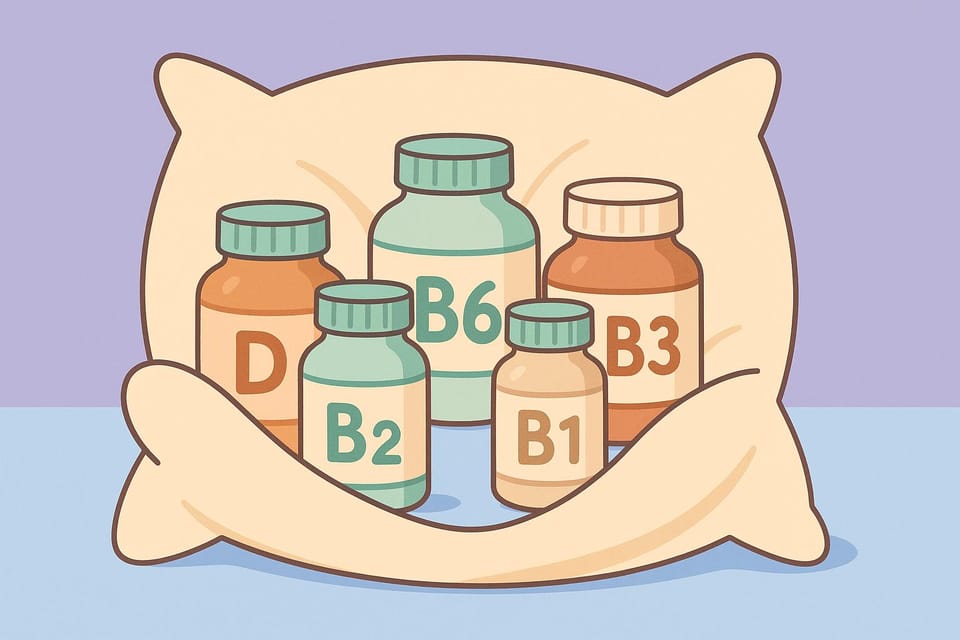
Vitamin D Vitamin D influences sleep-wake cycles through its action on brain receptors and is associated with improved sleep duration and quality. Numerous studies have linked vitamin D deficiency to poor sleep, underscoring its critical role in sleep regulation. It is a fat-soluble vitamin that the body produces when exposed to sunlight and is also obtained from certain foods and supplements. Vitamin D promotes calcium absorption and maintains bone health, but it also modulates neuromuscular and immune functions, which can impact sleep. Recommended dosages typically range from 600 to 800 IU daily for most adults, with upper intake levels generally not exceeding 4000 IU to avoid toxicity. Excessive intake can lead to elevated calcium levels, which may harm kidneys and disrupt calcium metabolism. Therefore, individuals with kidney disorders or calcium metabolism issues should use vitamin D supplements cautiously and under medical supervision. Vitamin D is suitable for most adults seeking better sleep, but safety considerations include avoiding excessive doses and monitoring for side effects such as nausea, weakness, or kidney problems. Integration into daily routines can involve taking vitamin D supplements with meals containing fat to enhance absorption or ensuring adequate sunlight exposure. This supplement is a valuable option for improving sleep quality, especially for those with low vitamin D levels or deficiency.
Vitamin D plays a critical role in regulating sleep-wake cycles through its action on brain receptors, particularly in sleep-related regions such as the suprachiasmatic nucleus, which governs circadian rhythms. It influences neurotransmitter systems, neuroimmune regulation, and the expression of circadian clock genes, contributing to improved sleep quality and duration. Numerous studies have linked vitamin D deficiency to poor sleep outcomes, and supplementation has been shown to significantly enhance sleep quality, especially in populations like the elderly and those with chronic pain. Recommended daily dosages vary by age, with typical adult supplementation ranging from 600 to 800 IU, while avoiding excessive intake above 4,000 IU daily to prevent toxicity. Safety considerations include potential side effects such as stomach upset, muscle weakness, and risks of hypercalcemia, particularly in individuals with kidney or calcium metabolism disorders. Users should consult healthcare providers before starting supplementation, especially if they have underlying health conditions or are taking medications that may interact with vitamin D. Overall, vitamin D is suitable for most adults seeking better sleep, with tailored advice on dosage and product selection to optimize benefits and minimize risks.
Top Recommended Supplements
- Pure Encapsulations Vitamin D3
- NOW Foods Vitamin D3
- HUM Vegan D3
- Thorne Vitamin D-5000
- NatureWise Vitamin D3
Key Benefits
- Regulates the sleep-wake cycle by influencing brain receptors and hormones that control sleep timing, including melatonin production.
- Improves sleep duration and quality, reducing sleep latency and enhancing subjective sleep measures.
- Supports mood regulation and mental health, which can positively impact sleep quality.
- Addresses vitamin D deficiency linked to poor sleep, highlighting its critical role in maintaining healthy sleep patterns.
Evidence-Based Pros
- Vitamin D helps control the sleep-wake cycle by influencing brain areas and hormones that regulate sleep timing, including melatonin production.
- Vitamin D deficiency is linked to poor sleep quality and shorter sleep duration, indicating its critical role in sleep regulation.
- Vitamin D supplementation has been shown in multiple studies to improve sleep quality and reduce sleep disorders.
- Vitamin D supplementation is a low-cost intervention that may decrease sleep latency, improve sleep efficiency, and increase sleep duration.
- Vitamin D receptors are present in brain regions involved in sleep regulation, supporting its biological role in maintaining optimal sleep.
Evidence-Based Cons
- Excessive intake of vitamin D can lead to toxicity, causing symptoms such as confusion, excessive urination, excessive thirst, nausea, vomiting, kidney stones, bone demineralization, and skeletal pain.
- Vitamin D toxicity may result in kidney injury or kidney failure due to hypercalcemia induced by high vitamin D levels.
- Individuals with kidney disease or calcium metabolism disorders should be cautious as vitamin D supplementation can increase calcium levels and risk of arterial hardening.
- High doses or abuse of vitamin D supplements have been associated with acute kidney injury.
- Calcium metabolism imbalances from vitamin D supplementation can adversely affect cardiovascular and renal health.
Dosage Guidelines
Vitamin D supplementation is associated with improved sleep quality, with studies showing benefits in sleep duration and efficiency. For most adults, the recommended daily dosage is 600 to 800 international units (IU), with 600 IU for adults up to age 70 and 800 IU for those over 70. Supplementation should be maintained for at least 4 weeks to observe effects on sleep. Higher doses, such as 4000 to 6000 IU daily, have been studied for achieving optimal serum levels but should only be taken under medical supervision due to toxicity risks.
Special considerations apply for individuals with kidney or calcium metabolism disorders, as excessive vitamin D can lead to hypercalcemia and kidney damage. Such individuals should consult healthcare providers before supplementation.
Safety guidelines advise not exceeding 4000 IU daily without medical advice, as excessive intake can cause side effects like nausea, vomiting, muscle weakness, confusion, heart rhythm issues, and kidney stones. Regular monitoring of vitamin D blood levels is recommended for those on high-dose supplementation.
In summary, for people seeking better sleep, a daily dose of 600 to 800 IU vitamin D is generally safe and effective, with caution advised for those with underlying health conditions affecting calcium or kidney function.
Safety Considerations
Vitamin D is generally safe when taken in recommended doses, but excessive intake can cause toxicity with symptoms like upset stomach, vomiting, weight loss, muscle weakness, cognitive issues, heart rhythm problems, kidney stones, and kidney damage. People with kidney disease or calcium metabolism disorders should be cautious due to risk of hypercalcemia (high blood calcium). Vitamin D interacts with medications such as digoxin, blood pressure drugs, anticonvulsants, cholesterol-lowering drugs, steroids, and diuretics, which can affect vitamin D metabolism or increase side effects. Pregnant and breastfeeding women should avoid doses above 4,000 IU unless advised by a healthcare provider. Children have age-specific upper limits, and long-term high doses may be unsafe. Users should follow dosage guidelines and consult healthcare professionals before use, especially if they have kidney or calcium metabolism issues or take interacting medications.
Common Side Effects
Common side effects of vitamin D supplementation, especially when taken in excessive amounts, include upset stomach, vomiting, weight loss, muscle weakness, confusion or difficulty thinking clearly, heart rhythm disturbances, kidney stones, and potential kidney damage. Excessive intake can lead to hypercalcemia (high blood calcium levels), which may cause gastrointestinal symptoms such as nausea, vomiting, constipation, and abdominal pain. High doses over long periods can be harmful and even deadly. Typical safe daily doses are up to 4,000 IU, with higher doses requiring medical supervision. Special caution is advised for individuals with kidney or calcium metabolism disorders. These side effects are particularly relevant for adults seeking to improve sleep through vitamin D supplementation, as maintaining appropriate dosing is critical to avoid toxicity while supporting sleep regulation.
Product Selection Advice
When choosing a Vitamin D supplement to support better sleep, look for products that have third-party certifications such as USP (United States Pharmacopeia) or NSF International to ensure quality and purity. Opt for Vitamin D3 (cholecalciferol), which is more effective at raising and maintaining vitamin D levels compared to D2. For those following vegan or plant-based diets, select vegan-certified Vitamin D3 sourced from lichen rather than animal-derived lanolin. Non-GMO and organic certifications can be additional indicators of product quality. Trusted brands recommended by experts include Ritual, Mindbodygreen, NOW Foods, and Persona Nutrition, which offer formulations tailored for optimal absorption and minimal additives. Avoid supplements with excessive dosages to reduce the risk of toxicity; typical doses range based on individual needs but generally do not exceed 4,000 IU daily without medical supervision. Always consult with a healthcare professional before starting supplementation, especially if you have kidney or calcium metabolism disorders. Additionally, consider product forms that fit your lifestyle, such as chewable tablets or capsules, and check for allergen-free labels if you have sensitivities.
Integration Tips
To effectively integrate Vitamin D supplementation for better sleep, take it with a meal containing healthy fats to enhance absorption, regardless of the time of day. Morning sunlight exposure (10-20 minutes) helps boost natural Vitamin D production and supports circadian rhythm regulation, promoting better sleep. Incorporate Vitamin D-rich foods such as fatty fish, egg yolks, and fortified products into your diet. For those with limited sun exposure or darker skin, consider Vitamin D3 supplements, which are more potent and longer-lasting. Monitor your body's response to timing; some individuals sensitive to supplements or with sleep issues may prefer morning dosing to avoid potential melatonin interference. Consult a healthcare provider for personalized dosage, especially if you have kidney or calcium metabolism disorders or are on high-dose therapy. Consistency in supplementation and maintaining good sleep hygiene, such as regular sleep schedules and reduced screen time before bed, will maximize Vitamin D's sleep benefits. (St. Vincent's Medical Center, Performance Lab, Healing Hydration & Wellness, Vitamin Shoppe, Mito Health)
B6 (pyridoxine)
Vitamin B6 (pyridoxine) supports neurotransmitter and melatonin synthesis, helping to reduce sleep disturbances such as restless leg syndrome. It is a cofactor in the synthesis of serotonin, GABA, and tryptophan, which are crucial for sleep regulation. Studies show vitamin B6 supplementation improves sleep initiation and quality, particularly in those with low B6 levels. Dosage ranges from 5 mg to 240 mg daily, with an upper recommended limit of 100 mg to prevent neuropathy. Side effects are minimal at recommended doses but may include neurological symptoms at high doses. Vitamin B6 is often combined with magnesium and melatonin for enhanced sleep benefits. Product selection should consider dosage, ingredient quality, and allergies. Incorporating B6 supports better sleep by enhancing key neurotransmitters and melatonin production.
Top Recommended Supplements
- B6 (pyridoxine)
Key Benefits
- Supports synthesis of neurotransmitters such as serotonin and GABA, which promote relaxation and reduce brain activity to facilitate sleep.
- Aids melatonin biosynthesis, helping regulate the sleep-wake cycle and improve sleep initiation and quality.
- Helps reduce symptoms of restless leg syndrome (RLS), which can disrupt sleep, by improving sleep quality and reducing RLS severity.
- May improve mood and reduce symptoms of insomnia linked to vitamin B6 deficiency.
- Supports overall brain health and nervous system function, contributing to better sleep patterns.
- Effective dosage ranges from 5-240 mg, with a recommended upper limit of 100 mg daily to avoid neuropathy risk.
Evidence-Based Pros
- Vitamin B6 supports neurotransmitter (GABA, serotonin) and melatonin synthesis, reducing brain activity and promoting sleep initiation and quality. (Performance Lab, PMC)
- Supplementation with vitamin B6 has been shown to significantly improve restless leg syndrome symptoms, which often disrupt sleep. (PMC)
- Studies show that combining melatonin with vitamin B6 can shorten sleep onset latency, helping people fall asleep faster. (ScienceDirect)
- Vitamin B6 acts as a coenzyme in melatonin biosynthesis, and its deficiency has been associated with sleep disorders, underscoring its role in healthy sleep patterns. (MDPI)
- Vitamin B6 deficiency has been linked to insomnia, suggesting that adequate B6 levels are important for normal sleep regulation. (Performance Lab)
Evidence-Based Cons
- High doses of vitamin B6 (above 100 mg daily) can cause neuropathy, including symptoms like numbness, loss of sensation, and coordination problems.
- Vitamin B6 toxicity may lead to brain and nerve issues, such as ataxia and painful skin lesions, especially at doses of 500 mg or more daily.
- Common side effects include nausea, headache, stomach pain, loss of appetite, drowsiness, mild numbness or tingling, heartburn, and photosensitivity.
- Vitamin B6 can interact with medications like levodopa, phenobarbital, phenytoin, and amiodarone, potentially reducing their effectiveness or increasing side effects.
- High doses during pregnancy or breastfeeding may be unsafe, potentially causing seizures in newborns; supplementation should be supervised by a healthcare provider.
Dosage Guidelines
Vitamin B6 (pyridoxine) supports neurotransmitter and melatonin synthesis, helping improve sleep quality and reduce sleep disturbances such as restless leg syndrome (RLS). For adults seeking better sleep, typical daily dosages range from 5 mg up to 40 mg as studied for RLS symptom relief. The recommended dietary allowance (RDA) for adults is about 1.3 to 1.7 mg daily for general nutritional needs. Therapeutic doses for specific conditions like RLS or deficiency treatment may range from 25 mg to 100 mg daily. However, to avoid the risk of peripheral neuropathy (nerve damage), the tolerable upper intake level (UL) is set at 100 mg per day for adults. Products containing more than 10 mg daily must carry warnings about neuropathy risk. Long-term intake above 100 mg daily is not recommended. It is advised to consult a healthcare provider before taking high doses, especially if taking multiple supplements or medications. Integrating vitamin B6 into a sleep routine should consider these dosage limits and individual health status to safely benefit sleep initiation and quality improvements (NIH, DrOracle, TGA, Performance Lab, The Conversation).
Safety Considerations
Vitamin B6 (pyridoxine) is generally safe when taken within recommended doses (5-100 mg daily) for sleep improvement. However, long-term use of high doses above 100 mg per day can cause peripheral neuropathy, presenting as tingling, burning, numbness, or muscle weakness, especially in the hands and feet. Other side effects may include dermatoses, photosensitivity, dizziness, and nausea. To prevent neuropathy and other adverse effects, it is important to avoid exceeding the upper limit of 100 mg daily. Individuals with pre-existing neuropathy or those on other medications should consult a healthcare professional before use. Monitoring for neurological symptoms during supplementation is advised to ensure safety.
Common Side Effects
Common side effects of vitamin B6 (pyridoxine) supplementation, especially when taken above recommended doses, include peripheral neuropathy (nerve damage symptoms such as tingling, numbness, or trouble walking), nausea, headache, dizziness, stomach pain, loss of appetite, dermatoses, photosensitivity, and drowsiness. These side effects are more likely with doses exceeding 100 mg daily and with long-term use. To prevent neuropathy and other adverse effects, it is recommended to keep daily intake below 100 mg. Users should monitor for symptoms of nerve issues and consult healthcare providers if they experience side effects. Vitamin B6 is generally safe at lower doses and when consumed through food sources.
Product Selection Advice
When selecting a vitamin B6 (pyridoxine) supplement for better sleep, prioritize brands that are transparent about their ingredient sourcing and manufacturing processes. Look for products that have third-party certifications such as USP (United States Pharmacopeia) or NSF International, which verify that the supplement contains the labeled amount of B6 and is free from harmful contaminants. Avoid supplements with exaggerated health claims or proprietary blends that do not disclose exact ingredient amounts. Choose products that specify the form of B6 used (e.g., pyridoxine hydrochloride) and check for allergen-free, non-GMO, or vegan certifications if these are important to your lifestyle. Be cautious of supplements that exceed the recommended upper limit of 100 mg daily to prevent neuropathy. Consulting a healthcare professional before starting supplementation is advised, especially if you have underlying health conditions or take other medications. This approach ensures safety, efficacy, and alignment with your specific health needs.
Integration Tips
To effectively integrate vitamin B6 (pyridoxine) into daily routines for people seeking better sleep, consider the following tips:
- Take vitamin B6 as part of a balanced diet rich in natural sources such as salmon, chicken, eggs, milk, and carrots, or as a supplement if dietary intake is insufficient.
- The recommended daily intake for adults generally ranges from 1.3 to 2.0 mg, depending on age and sex, with an upper limit of 100 mg daily to avoid neuropathy.
- Vitamin B6 supports neurotransmitter synthesis (serotonin, GABA) and melatonin production, which are crucial for sleep initiation and quality.
- It is best to take vitamin B6 earlier in the day or in the evening but not too close to bedtime, as high doses may affect sleep quality or cause vivid dreams.
- Combining vitamin B6 with other sleep-supportive nutrients like magnesium and melatonin may enhance benefits.
- Choose high-quality supplements that use bioactive forms like pyridoxal 5'-phosphate (P5P) for better absorption.
- Consult a healthcare provider before starting supplementation, especially if pregnant, nursing, or on medication.
- Monitor for any side effects such as tingling or numbness, and avoid exceeding recommended doses to prevent neuropathy.
These tips help ensure vitamin B6 is safely and effectively incorporated into routines to support better sleep outcomes for individuals with low B6 levels or sleep disturbances.
Vitamin B12 Crucial for melatonin synthesis and neurological health. Research shows that deficiency leads to sleep disruptions, while supplementation may improve sleep patterns. Typical doses are 250-500 mcg. Generally safe; should be monitored to avoid excess.
Vitamin B12 is a water-soluble vitamin essential for neurological health and the synthesis of melatonin, the hormone that regulates circadian rhythms and sleep-wake cycles. Deficiency in Vitamin B12 has been linked to sleep disruptions such as insomnia and excessive daytime sleepiness, particularly in specific groups like the elderly, females, and obese individuals. Supplementation with Vitamin B12 may improve sleep patterns by supporting melatonin production and neurological function. Typical supplementation doses range from 250 to 500 mcg, which are generally considered safe. The recommended daily allowance for adults is about 2.4 mcg, with higher needs in older adults due to decreased absorption. Vitamin B12 supplements are usually well tolerated but can cause side effects such as headache, nausea, diarrhea, weakness, and tingling sensations in hands and feet if taken in excess. Monitoring is advised to avoid excessive intake. Additionally, Vitamin B12 absorption can be affected by certain medications like metformin, antiseizure drugs, and gastric acid inhibitors, so interactions should be considered. Overall, Vitamin B12 is a valuable supplement for people seeking better sleep, especially those at risk of deficiency or with neurological concerns.
Top Recommended Supplements
- Thorne Vitamin B12 as Methylcobalamin
- Nature Made Vitamin B12 (3000 mcg)
- Nature's Bounty Vitamin B12 (2500 mcg)
- Vitafusion Vitamin B12 (1000 mcg)
- Garden of Life Vitamin B12 (500 mcg)
- Natrol Vitamin B12 (5000 mcg)
- Dr Vegan Vitamin B12 Capsules
- Viridian High Potency B12 Capsules
- Wild Nutrition Food Grown Vitamin B12 Plus
Key Benefits
- Supports melatonin synthesis, which regulates sleep-wake cycles and improves sleep patterns.
- Helps regulate circadian rhythm and biological sleep rhythms.
- May reduce sleep disturbances and improve sleep quality, especially in cases of deficiency.
- Supports neurological health important for normal sleep function.
- May help reduce stress and anxiety, promoting better sleep.
Evidence-Based Pros
- Vitamin B12 supplementation in individuals with deficiency significantly increases sleep duration.
- Vitamin B12 reduces the time it takes to fall asleep, improving sleep onset latency.
- Supplementation improves overall sleep quality as measured by the Pittsburgh Sleep Quality Index (PSQI).
- Vitamin B12 treatment positively impacts quality of life alongside sleep improvements.
- Vitamin B12 supports neurological health, which may contribute to better sleep patterns.
Evidence-Based Cons
- High doses of Vitamin B12 can lead to insomnia or disrupted sleep patterns in some individuals, particularly if taken late in the day. (Mayo Clinic, Medical News Today)
- Studies have linked elevated Vitamin B12 levels with reduced sleep duration and an increased risk of insomnia, though findings are mixed. (Nature, Medical News Today)
- Common side effects of B12 supplementation include headache, nausea, diarrhea, weakness, and paresthesia in hands and feet. (Mayo Clinic)
- Vitamin B12 may have small negative effects on sleep quality in specific subgroups, such as sensitive individuals or those with normal baseline levels, but evidence is not definitive. (ScienceDirect)
Dosage Guidelines
Vitamin B12 is crucial for melatonin synthesis and neurological health, supporting better sleep patterns. For people seeking better sleep, therapeutic doses used in studies for sleep-wake rhythm disorders are around 1.5 mg (1500 mcg) daily, often divided into multiple doses. Typical dietary recommendations for adults are much lower, at 2.4 mcg daily, with older adults advised to consume 10 to 12 mcg due to decreased absorption. Supplementation at higher doses (250-1500 mcg) may be used to address deficiency-related sleep disruptions. Vitamin B12 is generally safe when taken at recommended doses, but monitoring is advised to avoid excessive intake, which could cause side effects such as headache, nausea, diarrhea, weakness, or tingling sensations. People with specific health conditions or on certain medications should consult healthcare professionals before high-dose supplementation.
Safety Considerations
Vitamin B12 is generally safe for most people, even in large doses, when taken by mouth, applied to the skin, or sprayed into the nose. However, both low and high levels of vitamin B12 have been linked to sleep disturbances such as insomnia, so supplementation should be carefully monitored. It is best to take vitamin B12 earlier in the day rather than before bedtime due to its energizing effects which may interfere with sleep. People with allergies or sensitivities to cobalt or cobalamin should avoid vitamin B12 supplements. Individuals with Leber's disease should not take vitamin B12. Pregnant and breastfeeding women should follow recommended doses (2.6 mcg and 2.8 mcg daily respectively), as the safety of higher doses is unknown. Excessive intake of B vitamins can cause overstimulation and insomnia, so supplementation should be done under medical supervision. Consulting a healthcare professional is advised to determine the appropriate dose and timing for individual needs.
Common Side Effects
Typical side effects of taking vitamin B12 supplements include headache, nausea, diarrhea, weakness, and tingling sensations in the hands and feet. These side effects are generally mild and occur when taking doses higher than the recommended amounts. Vitamin B12 is generally considered safe when taken at recommended doses, but excessive levels may increase the risk of cancer or bone fractures. People seeking better sleep who consider vitamin B12 supplementation should monitor intake and consult healthcare professionals, especially if taking high doses or other medications that may interact with B12 absorption.
Product Selection Advice
When selecting Vitamin B12 supplements for better sleep, consider the following guidance to ensure quality and safety:
- Choose products from reputable brands or nationally recognized companies that invest in quality and have a long-term commitment to consumers.
- Look for clear labeling that specifies the exact amount of Vitamin B12 (e.g., 250-500 mcg for sleep support) rather than vague terms like "proprietary blends" which may contain minimal active ingredient.
- Prefer supplements with third-party certifications such as USP Verified, NSF International, or GMP (Good Manufacturing Practices) certification. These seals indicate the product contains the ingredients listed on the label, in the specified potency and amounts, and is free from harmful contaminants.
- Check the ingredient list for the form of Vitamin B12 used; common forms include cyanocobalamin and methylcobalamin. Methylcobalamin is often preferred for neurological and sleep benefits.
- Avoid products with meaningless claims like "pharmaceutical grade" or "FDA approved laboratory" as these are often marketing terms without regulatory backing.
- Be cautious of supplements making drug-like claims or promising instant results; Vitamin B12 supports sleep by aiding melatonin synthesis but is not a sedative.
- Watch for red flags such as lack of ingredient transparency, absence of certification seals, or companies with no verifiable contact information or history.
- Consider certifications for dietary preferences or allergies, such as vegan, non-GMO, or allergen-free labels if these are relevant to your lifestyle.
- Consult a healthcare provider before starting supplementation, especially if taking other medications, as Vitamin B12 can interact with certain drugs.
This approach helps ensure you select a safe, effective Vitamin B12 supplement tailored to support better sleep patterns while minimizing risks and maximizing benefits.
Integration Tips
To effectively integrate Vitamin B12 supplementation into daily routines for people seeking better sleep, it is best to take Vitamin B12 in the morning, ideally on an empty stomach, to maximize absorption and avoid interference with sleep. Vitamin B12 supports melatonin production, stress reduction, energy levels, and circadian rhythm regulation, which collectively help improve sleep quality. Using the methylcobalamin form of Vitamin B12 is recommended due to its superior bioavailability. Combining Vitamin B12 with a full B-complex supplement and supporting gut health with probiotics or digestive enzymes can enhance absorption and overall benefits. Avoid taking Vitamin B12 late in the day to prevent increased alertness that may disrupt sleep. For those with low or borderline B12 levels, injectable methylcobalamin shots may provide rapid and effective supplementation. Integrating Vitamin B12 supplementation with consistent sleep hygiene practices can help achieve better sleep patterns and wakefulness.
B3 (niacin)
Vitamin B3 (niacin) is involved in energy production and has potential benefits for sleep regulation by supporting healthy circadian rhythms. Clinical and pre-clinical studies, particularly with nicotinamide riboside (a form of vitamin B3), show improvements in sleep duration and quality, including increased REM sleep and improved sleep efficiency. Niacin influences molecular clock genes that regulate circadian rhythms, which tend to decline with age, contributing to sleep disturbances. The recommended dosage for adults is 14-16 mg daily, with a maximum safe intake of 35 mg to avoid side effects. High doses can cause flushing (redness and warmth in the face and neck) and liver concerns. Safety considerations include taking niacin with food to reduce stomach upset, avoiding alcohol and spicy foods to minimize flushing, and consulting healthcare providers before use, especially if taking medications or having liver or cardiovascular conditions. Niacin supplementation should be carefully managed to balance benefits for sleep with potential side effects.
Top Recommended Supplements
- B3 (niacin)
Key Benefits
- Supports healthy circadian rhythms by modulating core clock gene activity, which helps regulate sleep-wake cycles.
- Improves sleep quality and efficiency, including increasing REM sleep and reducing fatigue and drowsiness.
- Involved in energy production by aiding the conversion of food into usable energy, helping to reduce tiredness and fatigue.
- May alleviate cognitive impairment related to chronic sleep deprivation by reducing oxidative stress and mitochondrial dysfunction.
- Supports nervous system function, which is important for overall sleep health.
- Recommended dosage is 14-16 mg; caution advised with high doses due to potential flushing and liver concerns.
Evidence-Based Pros
- Vitamin B3 (niacin) supports sleep regulation by increasing tryptophan availability for melatonin production, a key hormone for sleep regulation.
- Niacinamide supplementation inhibits tryptophan breakdown, enhancing melatonin synthesis and improving sleep quality.
- Niacin stimulates prostaglandin D2 synthesis, a powerful sleep-promoting molecule.
- Vitamin B3 activates immune cells (macrophages) that support sleep maintenance after sleep loss.
- Clinical evidence shows high-dose niacin (3 grams/day) increases REM sleep and sleep efficiency in women with insomnia.
- Nicotinamide activates benzodiazepine receptors, promoting healthy sleep.
- Nicotinamide riboside, a form of vitamin B3, boosts NAD+ levels, which regulate circadian rhythms and sleep homeostasis.
- Supplementation with nicotinamide riboside improves sleep quality, increases REM sleep, reduces fatigue, and enhances sleep efficiency in human and pre-clinical studies.
Evidence-Based Cons
- Skin flushing, redness, and warmth around the face and neck, especially when starting niacin or at higher doses, which can be uncomfortable though generally harmless.
- Potential liver damage and liver toxicity with high doses or prolonged use, requiring medical monitoring.
- Gastrointestinal issues such as upset stomach, nausea, vomiting, diarrhea, and abdominal pain.
- Changes in blood sugar levels, which can complicate management in people with diabetes or glucose intolerance.
- Increased risk of gout due to elevated uric acid levels (hyperuricemia), posing risks for individuals with gout.
- Possible interactions with medications like blood thinners, diabetes drugs, statins, and others, increasing side effect risks.
- High doses (2,000 to 6,000 mg daily) can cause serious side effects including rapid heartbeat, severe flushing with dizziness, rash, and muscle damage (rhabdomyolysis).
- May exacerbate existing conditions such as liver disease, peptic ulcers, low blood pressure (hypotension), gallbladder disease, and certain thyroid disorders.
- Alcohol consumption with niacin increases the risk of liver damage and worsens side effects like flushing and itching.
Dosage Guidelines
Dosage Guidelines for B3 (Niacin) for People Seeking Better Sleep
- Recommended Dosage: 14-16 mg of niacin equivalents (NE) daily for adults, aligning with the Recommended Dietary Allowance (RDA).
- Forms: Niacin is available as nicotinic acid and nicotinamide; nicotinamide riboside (NR), a form of vitamin B3, has clinical evidence supporting its role in improving sleep quality and circadian rhythm.
- Sleep Benefits: NR supplementation has been shown to increase REM sleep, improve sleep efficiency, and reduce fatigue and drowsiness, particularly in young to middle-aged adults and older adults.
- Safety Considerations:
- Avoid high doses above 35 mg/day from supplements to prevent side effects such as flushing, itching, headaches, and potential liver damage.
- High doses (500 mg/day or more) can cause serious side effects including liver toxicity.
- Flushing can be minimized by taking niacin with meals or at bedtime with a low-fat snack.
- Special Advice:
- Consult a healthcare provider before starting niacin supplementation, especially if taking medications or having liver conditions.
- For sleep improvement, nicotinamide riboside (NR) may be preferred due to fewer side effects and evidence of sleep benefit.
These guidelines help integrate niacin supplementation safely and effectively into routines aimed at better sleep and circadian rhythm support.
Safety Considerations
Safety Considerations for B3 (Niacin) Supplementation for Better Sleep:
- Niacin is generally safe at recommended doses (14-16 mg daily) but high doses can cause side effects such as skin flushing (redness and warmth, especially in face and neck), itching, dizziness, upset stomach, vomiting, and diarrhea.
- High doses (above 2,000 mg daily) pose serious risks including liver damage, gout, low blood pressure (hypotension), and potential worsening of peptic ulcers.
- People with liver conditions, peptic ulcers, low blood pressure, gout, diabetes, or thyroid conditions should use niacin cautiously and under medical supervision.
- Niacin can affect blood sugar control, so diabetics should monitor glucose levels closely and adjust medications as needed.
- Taking niacin with alcohol increases the risk of liver damage and worsens flushing and itching side effects.
- Niacin may interact with medications such as blood thinners, blood pressure drugs, gout medications (allopurinol), statins, and supplements like zinc and chromium, potentially increasing side effects or altering drug effectiveness.
- Pregnant or breastfeeding individuals should avoid high-dose prescription niacin for cholesterol but niacin for deficiency prevention/treatment is likely safe under healthcare provider guidance.
- To reduce flushing, niacin can be taken with food, aspirin, or ibuprofen, and alcohol or spicy foods should be avoided.
- Always consult a healthcare professional before starting niacin supplementation, especially for sleep, to ensure safe dosage and avoid interactions.
These considerations help ensure safe use of niacin for sleep support while minimizing risks and side effects based on current clinical evidence and expert guidance.
Common Side Effects
Common side effects of B3 (niacin) include skin flushing (warmth, redness, or tingling sensation around the face and neck), which is usually not dangerous but can be uncomfortable. Other side effects may include mild dizziness, itching, dry skin, stomach upset such as nausea, vomiting, heartburn, indigestion, and hiccups. High doses may cause liver concerns and should be used with caution. Niacin can also lower platelet levels, increasing bleeding risk, especially if taken with blood thinners. These side effects are relevant for people seeking better sleep to consider when using niacin supplements.
Product Selection Advice
When choosing a B3 (niacin) supplement for better sleep, select non-flushing forms like niacinamide or inositol hexanicotinate to avoid flushing side effects. Look for third-party certifications such as Non-GMO, vegan, gluten-free, and halal to ensure quality and suitability for dietary restrictions. Prefer reputable brands with GMP certification to ensure safety and consistency. Check ingredient lists for allergens and opt for vegetarian or vegan capsules if needed. Stick to recommended doses of 14-16 mg daily to minimize risks like flushing, headaches, dizziness, or liver concerns. Avoid niacin if you have liver disease, active peptic ulcers, or hypersensitivity. Consider user reviews and bestseller rankings to identify trusted products. Examples include NOW Foods Niacinamide 500 mg Veg Capsules and Thorne Niacinamide non-flushing supplements.
Integration Tips
To effectively integrate B3 (niacin) supplementation for people seeking better sleep, follow these tips:
- Take niacin supplements at bedtime after a low-fat snack to minimize flushing and enhance absorption, especially with extended-release formulations.
- Start with a low dose (around 14-16 mg for general health; therapeutic doses can be higher but should be supervised) and gradually increase if needed, monitoring tolerance.
- To reduce flushing, consider taking aspirin or ibuprofen about 30 minutes before niacin and avoid alcohol, hot drinks, and spicy foods around dosing time.
- Incorporate niacin-rich foods such as leafy greens, mushrooms, tomatoes, red meat, poultry, fish, and eggs into your diet to support supplementation.
- Be cautious with high doses; excessive niacin can cause flushing, liver issues, and other side effects, so medical supervision is recommended for doses above the nutritional range.
- For those with insomnia or sleep difficulties, some evidence suggests taking niacin about 30 minutes before bedtime may help reduce sleep onset time and improve sleep quality.
- Ensure proper hydration and consider lifestyle habits that support detoxification, such as light exercise and sweating, to assist in managing niacin's detoxifying effects.
- Regularly consult with a healthcare provider to monitor liver function and overall response to supplementation.
These steps help safely and effectively incorporate niacin into daily routines for better sleep, balancing benefits with safety considerations. (Mayo Clinic, Jinfiniti, WebMD, Lam Clinic)
B1 (thiamin)
Vitamin B1 (thiamin) deficiency is directly associated with sleep disturbances. Clinical studies indicate that adequate thiamin intake improves sleep quality by supporting proper nervous system function, which aids restful sleep. The recommended dose is approximately 1.2-1.5 mg daily for adults, which is considered safe at these levels. Thiamin is a water-soluble B vitamin essential for carbohydrate metabolism and nervous system health. Deficiency symptoms include neurological and cardiac issues, and prolonged deficiency can lead to serious conditions such as beriberi and Wernicke-Korsakoff syndrome. Thiamin is naturally found in foods like whole grains, pork, nuts, and fortified cereals. Supplementation is advised for individuals with increased needs or impaired absorption to maintain adequate blood levels and promote better sleep.
Top Recommended Supplements
- B1 (thiamin) - Recommended dose 1.2-1.5 mg daily, supports proper nervous system function aiding restful sleep, deficiency linked to sleep disturbances, safe at recommended levels
Key Benefits
- Helps regulate sleep patterns and reduces sleep disturbances, including oversleeping, by ensuring adequate thiamine intake as supported by clinical studies.
- Supports proper nervous system function, which is essential for restful and restorative sleep.
- May alleviate fatigue and improve sleep quality in populations with marginal thiamine deficiency.
- Safe and effective at recommended doses of 1.2-1.5 mg per day, with no known adverse effects at these levels.
- Helps the body produce energy by breaking down carbohydrates, supporting overall brain and body function important for sleep regulation.
- May help mitigate sleep issues related to stress by supporting nervous system health and reducing inflammation.
Evidence-Based Pros
- Thiamine (vitamin B1) supplementation is associated with improved sleep quality, including falling asleep faster, waking less during the night, and feeling more rested upon waking.
- Vitamin B1 intake helps reduce perceived stress, which is linked to better sleep quality and daytime alertness.
- Clinical trials show that combined supplementation of vitamins B1 and B2 significantly improves sleep quality and daytime alertness in young adults experiencing moderate stress.
- Thiamine supports proper nervous system function, which is essential for restful sleep.
- Low thiamine intake is associated with sleep disturbances such as oversleeping, and supplementation can reverse fatigue and improve sleep patterns.
- Thiamine has a protective role against stress-induced cortisol response, which can negatively impact sleep.
Evidence-Based Cons
- Thiamin supplementation can cause mild allergic reactions such as skin rashes, itching, and hives, which although not severe, can be uncomfortable and may require medical consultation if persistent.
- In rare cases, serious allergic reactions (anaphylaxis) may occur, characterized by difficulty breathing, swelling of face or throat, rapid heartbeat, and require immediate emergency treatment.
- High doses of thiamin may lead to gastrointestinal issues including nausea, stomach pain, and diarrhea; taking the supplement with food can help minimize these effects.
- Excessive intake over extended periods can potentially cause thiamin toxicity, with symptoms such as headache, irritability, and insomnia, indicating that adherence to recommended doses is important for safety.
- Some studies suggest that vitamin B complex supplementation, which includes thiamin, might negatively affect sleep maintenance and increase insomnia rates in certain cases, thus caution is advised for those seeking better sleep.
- Individuals with certain medical conditions like liver disease, kidney problems, or alcohol dependence should consult healthcare providers before supplementation due to altered thiamin metabolism and risk of adverse effects.
- Pregnant or breastfeeding women should seek medical advice before taking thiamin supplements to avoid potential negative effects on mother or baby.
- Thiamin can interact with certain medications (e.g., diuretics, chemotherapy drugs), potentially affecting their efficacy or increasing side effects, so medical supervision is recommended when combining treatments.
Dosage Guidelines
For adults seeking better sleep, the recommended daily dose of vitamin B1 (thiamin) is 1.2 to 1.5 mg for males and 1 to 1.1 mg for females. Pregnant women should take about 1.5 mg daily, and breastfeeding women about 1.6 mg daily. These doses are safe and help ensure proper nervous system function, which supports restful sleep. Clinical studies indicate that adequate thiamin intake can improve sleep quality. It is important to follow healthcare professional advice for individual needs and integrate thiamin through diet or supplements accordingly.
Safety Considerations
Thiamin (vitamin B1) is generally safe when taken at recommended doses (1.2-1.5 mg daily for adults). Common side effects include nausea, diarrhea, and stomach ache, which can be minimized by taking thiamin with or after meals. Serious allergic reactions are rare but require immediate medical attention; symptoms include swelling of lips, mouth, throat, difficulty breathing, skin discoloration, confusion, dizziness, or unconsciousness. People with alcohol use disorder, liver disease, or undergoing hemodialysis may require thiamin supplementation under medical supervision. Thiamin may interact with certain medications such as trimethoprim and some chemotherapy drugs, so consult a healthcare provider before use. Safety during pregnancy and breastfeeding is likely at dietary levels, but higher doses lack sufficient data. Children and older adults are likely safe at normal recommended amounts, but higher doses should be supervised by a healthcare professional. Always follow dosing instructions and consult a healthcare provider before starting supplementation, especially if you have underlying conditions or take other medications. (WebMD, NHS, Mayo Clinic)
Common Side Effects
Common side effects of vitamin B1 (thiamin) include nausea, diarrhea, and stomach ache, which can often be mitigated by taking the supplement with or after meals. Serious allergic reactions are rare but may involve swelling of the lips, mouth, throat, or tongue, difficulty breathing, and skin rashes, requiring immediate medical attention. Overall, thiamin is well tolerated at recommended doses with most people experiencing no or only minor side effects (NHS, WebMD, Mayo Clinic).
Product Selection Advice
When selecting a B1 (thiamin) supplement for better sleep, choose products from reputable brands such as NOW Foods, Solgar, Nutricost, Holland & Barrett, and Bluebonnet Nutrition, which offer quality assurance and transparency. Look for supplements that are Non-GMO, vegan or vegetarian-friendly, gluten-free, and free from common allergens like soy, dairy, nuts, and eggs to accommodate dietary restrictions. Certifications to consider include GMP (Good Manufacturing Practices), Kosher, and Halal. Prefer formulations with minimal fillers and artificial additives, and vegetable-based capsules for vegan compliance. The recommended dose for sleep support is around 1.2-1.5 mg daily, which is safe and effective. Follow label directions, take with meals for optimal absorption, and consult a healthcare provider if pregnant, nursing, or on medication. Ensure the product seal is intact before use and store supplements in a cool, dry place.
Integration Tips
To effectively integrate B1 (thiamin) supplementation for better sleep, consider adding nutritional yeast to your daily meals as a natural, vegan-friendly source rich in thiamin and other B vitamins. Nutritional yeast can be sprinkled on salads, stirred into sauces, or used as a topping for popcorn, making it easy to consume regularly. Additionally, adopting healthy lifestyle habits such as following a ketogenic diet and practicing intermittent fasting can help maintain optimal thiamin levels by reducing high glucose levels that deplete vitamin B1. Always aim for the recommended dose of 1.2-1.5 mg daily, and consult a healthcare professional before starting supplementation to tailor the dose to your individual needs. These steps support proper nervous system function, aiding restful sleep and potentially alleviating sleep disturbances related to thiamin deficiency.