
Best Vitamins for Wellness Seekers
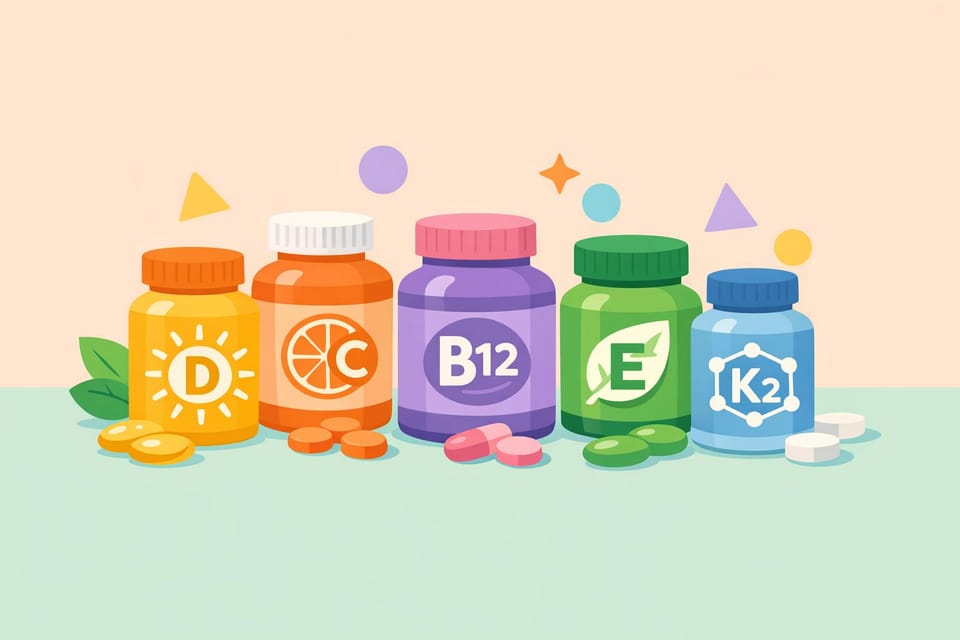
Vitamin D
Vitamin D is a vital nutrient essential for overall wellness, particularly supporting immune function and bone health by enhancing calcium absorption. It is especially important for individuals with limited sun exposure or dietary sources, such as older adults, people with darker skin, breastfed infants, and those with conditions affecting fat absorption. The body produces vitamin D3 (cholecalciferol) through skin exposure to sunlight, and it is also found in fortified foods and fatty fish. Vitamin D3 is preferred in supplements due to better efficacy compared to vitamin D2. Clinical trials and guidelines recommend supplementation to prevent deficiency-related illnesses like osteoporosis, rickets, and osteomalacia, with typical doses ranging from 400 to 800 IU daily, and an upper safe limit of 4,000 IU to avoid toxicity. Safety considerations include avoiding excessive intake that can cause hypercalcemia, kidney damage, and interactions with certain medications. Trusted supplement brands often provide third-party tested vitamin D3 products, sometimes combined with vitamin K2 for enhanced bone health. Actionable advice for wellness seekers includes choosing high-quality vitamin D3 supplements with verified purity and integrating them into daily routines to support immune and bone health effectively. (Mayo Clinic, Frontiers in Nutrition, Fortune)
Top Recommended Supplements
- Transparent Labs Vitamin D3 + K2
- Nutricost Vitamin K2 + Vitamin D3
- Thorne Vitamin D
- Now Vitamin D3
- Sports Research Vitamin D3
Key Benefits
- Supports immune function and helps modulate inflammation.
- Promotes bone health by aiding calcium absorption and maintaining bone mineral density, preventing rickets, osteomalacia, and osteoporosis.
- Improves muscle strength and reduces risk of falls, especially in older adults.
- May help reduce cognitive decline, though more research is needed.
- Long-term supplementation may lower risk of multiple sclerosis.
- Potential to reduce cancer mortality, though evidence is mixed.
- Essential for individuals with limited sun exposure, darker skin, obesity, or malabsorption issues to prevent deficiency.
- Vitamin D3 (cholecalciferol) is the preferred form for supplementation due to better absorption.
- Recommended dosages typically range from 600-800 IU daily for adults, with an upper safe limit of 4000 IU to avoid toxicity.
Evidence-Based Pros
- Helps the body absorb calcium, essential for strong bones and preventing osteoporosis.
- Supports muscle function and nerve signaling.
- Enhances immune system function to fight infections.
- Recommended supplementation for those with limited sun exposure, older adults, and people with dark skin.
- Vitamin D3 (cholecalciferol) is more effective than D2 in raising blood vitamin D levels.
- Improves bone mineral density and prevents rickets and osteomalacia.
- May modestly reduce cancer mortality and delay age-related bone loss in deficient individuals.
- Potential to regulate blood pressure and cholesterol, though evidence is mixed.
- Anti-inflammatory effects through immune modulation.
- Improves glycemic control and reduces inflammation in certain chronic conditions.
- Possible neuroprotective effects under study.
- Safe within recommended doses with clear toxicity guidelines.
Evidence-Based Cons
- Vitamin D supplementation in vitamin D-replete individuals does not provide overall health benefits, indicating unnecessary supplementation may be futile or wasteful. (pmc.ncbi.nlm.nih.gov)
- High bolus doses of vitamin D might transiently increase the risk of falls in older adults, posing a safety concern for this group. (pmc.ncbi.nlm.nih.gov)
- Vitamin D toxicity, usually caused by excessive supplementation, can lead to hypercalcemia, which may cause symptoms such as upset stomach, vomiting, weakness, frequent urination, bone pain, and kidney problems including kidney stones. (mayoclinic.org)
- The highest safe chronic daily intake of vitamin D for most healthy adults is not fully established, suggesting caution with high-dose long-term supplementation. (sciencedirect.com)
Dosage Guidelines
Vitamin D is recommended for wellness seekers to support immune function and bone health, especially for those with limited sun exposure or dietary intake. The general recommended daily dosage is 600 to 800 IU (15 to 20 mcg) for adults, with 600 IU for ages 1 to 70 and 800 IU for those over 70 years old. For infants and children, 400 to 600 IU daily is advised. Vitamin D3 (cholecalciferol) is the preferred form due to better efficacy. Supplementation should be taken with dietary fat to enhance absorption. Safety considerations include not exceeding 4,000 IU daily to avoid toxicity, which can cause symptoms like upset stomach, muscle weakness, and kidney issues. Individuals with specific health conditions or on certain medications should consult healthcare providers before supplementing. Third-party tested brands are recommended for quality assurance. Regular blood level monitoring of 25(OH)D can help tailor dosage to individual needs and avoid deficiency or excess.
Safety Considerations
Vitamin D supplementation is generally safe when taken within recommended doses, typically 800–1000 IU daily for prevention or correction of deficiency. However, long-term use of large doses or intermittent high doses should be avoided due to potential harm. The main safety concern is hypercalcemia (excess calcium in the blood), which can weaken bones and damage kidneys and the heart. Toxicity is rare but can occur with excessive intake above 4,000 IU daily. It is important to use vitamin D3 (cholecalciferol) supplements with third-party testing for quality assurance. People should avoid taking vitamin D on an empty stomach and reassess their vitamin D levels periodically to adjust dosing. Combining vitamin D with vitamin K is generally safe if doses remain within recommended limits. Individuals with certain medical conditions or those taking specific medications should consult healthcare providers before supplementation to avoid interactions and contraindications.
Common Side Effects
Common side effects of vitamin D supplementation, especially at high doses, include nausea, vomiting, upset stomach, constipation, muscle weakness, loss of appetite, dry mouth, fatigue, headaches, and confusion. Excessive intake can cause elevated blood calcium levels (hypercalcemia), leading to kidney stones, kidney damage, heart rhythm issues, bone pain, and frequent urination. It is important to follow recommended dosages to avoid toxicity.
Product Selection Advice
When selecting a Vitamin D supplement, choose products with vitamin D3 (cholecalciferol) as it is more effective and naturally produced in the body. Look for third-party tested supplements to ensure quality, potency, and purity. Certifications such as Informed Choice, USDA Organic, non-GMO, vegan, and allergen-free (gluten-free, soy-free, dairy-free, nut-free) are important for safety and suitability. Consider supplements that include vitamin K2 (MK-7) to enhance absorption and utilization. Available forms include softgels, liquid drops, gummies, and vegan softgels—select based on personal preference and ease of use. Dosages typically range from 1,000 IU to 5,000 IU daily; consult a healthcare provider for personalized dosing. Avoid products with artificial ingredients, fillers, or allergens. Recommended brands include Transparent Labs (vegan, Informed Choice certified), Nordic Naturals (transparent, non-GMO, third-party tested), Thorne (purity tested, liquid form), and NatureWise (budget-friendly, third-party tested). Liquid forms allow dose customization but may have less precise dosing. Vegan options are available with plant-based vitamin D3 and appropriate certifications.
Integration Tips
For wellness seekers, integrating Vitamin D supplementation into daily routines can be done effectively by following these tips:
- Take Vitamin D3 (cholecalciferol) supplements consistently in moderate daily doses (around 800 to 2000 IU) rather than infrequent large doses.
- Always take Vitamin D with a meal rich in healthy fats such as avocado, nuts, seeds, or fatty fish to enhance absorption.
- Include magnesium in your diet or as a supplement since it helps activate and metabolize Vitamin D.
- Consider pairing Vitamin D with vitamin K2 (MK-7 form) to support bone and cardiovascular health by directing calcium to bones.
- Incorporate Vitamin D-rich foods like salmon, mackerel, fortified dairy or plant-based milk, and UV-exposed mushrooms.
- Get regular morning sunlight exposure before 10 a.m. when possible to naturally boost Vitamin D synthesis.
- Monitor your Vitamin D levels with blood tests to tailor supplementation and ensure optimal status.
- Support gut health with probiotics and digestive enzymes if you have digestive issues that may impair absorption.
These steps help wellness seekers maintain optimal Vitamin D levels, supporting immune function, bone strength, mood, and overall health safely and effectively.
Vitamin C
Vitamin C, also known as ascorbic acid, is a vital water-soluble vitamin necessary for the formation of blood vessels, cartilage, muscle, and collagen in bones, and plays a key role in healing. It acts as a powerful antioxidant protecting cells from damage caused by free radicals, which are harmful molecules generated by metabolism, tobacco smoke, or sunlight exposure. Multiple clinical trials have demonstrated Vitamin C's efficacy in reducing the severity and duration of common illnesses by supporting immune function. It also enhances iron absorption and supports cardiovascular and skin health through collagen synthesis.
Vitamin C cannot be synthesized by the human body and must be obtained through diet—found abundantly in citrus fruits, berries, broccoli, peppers, and other vegetables—or supplements. Ester-C and buffered Vitamin C forms are well tolerated, especially by those with sensitive stomachs, as they reduce acidity and gastrointestinal discomfort. Buffered Vitamin C combines ascorbic acid with minerals like calcium and magnesium to neutralize acidity.
Recommended daily intake is 90 mg for adult men and 75 mg for adult women, with higher needs for smokers and pregnant or breastfeeding women. Supplements are generally safe within upper intake limits (up to 2000 mg/day). Excessive intake may cause side effects such as stomach upset, diarrhea, heartburn, and in rare cases, kidney stones or hemolytic anemia in individuals with G6PD deficiency. Vitamin C may interact with certain medications, including chemotherapy agents, statins, and blood thinners.
When selecting products, consumers should consider reputable brands, ingredient quality, certifications, and allergen considerations. Vitamin C supplements are available in various forms, including capsules, chewables, and powders, with buffered forms suitable for sensitive individuals and those preferring powder formats. Integrating Vitamin C into daily routines supports antioxidant defenses, immune health, and overall wellness tailored to individual lifestyle needs.
Top Recommended Supplements
- Performance Lab Vitamin C - a clean, vegan capsule with 250 mg of vitamin C per serving and added bio-quercetin for enhanced absorption and antioxidant benefits. Suitable for daily users wanting efficient absorption and a science-backed formula.
- Nutricost Ascorbic Acid Powder - a budget-friendly, pure ascorbic acid powder providing 1,000 mg per 1/4 teaspoon dose. Ideal for those who want flexible dosing, high doses, or prefer powder supplements without fillers.
- Thorne Vitamin C with Flavonoids - a capsule form supplement with added flavonoids for antioxidant support.
- Nordic Naturals Vitamin C Gummies - a gummy form supplement suitable for those preferring chewable vitamin C.
- Mary Ruth’s Megadose Vitamin C - a liquid vitamin C supplement for those preferring liquid form.
- Bulk Supplements Vitamin C - a vegan vitamin C supplement suitable for vegans.
- Life Extension Vitamin C and Vio Quercetin - a vitamin C supplement formulated for enhanced absorption.
- Garden of Life Vitamin C - a vitamin C supplement with added antioxidants.
- Emergen-C - a vitamin C supplement formulated for hydration support.
- Megafood Ultra-C - a vitamin C supplement with whole food ingredients.
Key Benefits
- Supports immune system function by enhancing white blood cell production and function, helping the body fight infections.
- Acts as a powerful antioxidant protecting cells from damage caused by free radicals, reducing oxidative stress and risk of chronic diseases.
- Promotes collagen synthesis essential for healthy skin, bones, blood vessels, and wound healing.
- Improves absorption of non-heme iron from plant foods, aiding in prevention of iron deficiency anemia.
- May reduce severity and duration of common illnesses like colds and flu.
- Supports eye health by potentially slowing progression of cataracts and age-related macular degeneration.
- Contributes to overall tissue growth, development, and repair.
- May support cardiovascular health and serve as adjunct in cancer treatment, pending further research.
Evidence-Based Pros
- Vitamin C is a potent antioxidant that protects important biomolecules from oxidative damage caused by normal metabolism and environmental toxins.
- It supports immune defense by enhancing various cellular functions of both the innate and adaptive immune system, including promoting the activity of phagocytic cells like neutrophils.
- Vitamin C supports epithelial barrier function against pathogens and promotes skin antioxidant activity, potentially protecting against environmental oxidative stress.
- It enhances chemotaxis, phagocytosis, generation of reactive oxygen species, and microbial killing by immune cells.
- Vitamin C is needed for apoptosis and clearance of spent neutrophils from infection sites, reducing tissue damage.
- It enhances differentiation and proliferation of B- and T-cells, supporting adaptive immunity.
- Vitamin C deficiency impairs immunity and increases susceptibility to infections.
- Supplementation can help prevent and treat respiratory and systemic infections, with prophylactic doses of 100–200 mg/day optimizing plasma and tissue levels, and higher doses used for treatment of established infections.
Evidence-Based Cons
- Taking high doses of vitamin C (above 2,000 mg per day) can cause gastrointestinal issues such as diarrhea, nausea, stomach cramps, vomiting, and heartburn.
- Excessive vitamin C intake may increase the risk of kidney stones, particularly in individuals predisposed to kidney disorders.
- Long-term use of high-dose vitamin C supplements can lead to serious side effects like hemolytic anemia in people with G6PD deficiency, a genetic condition.
- Vitamin C can interact with certain medications, potentially reducing their effectiveness or causing adverse effects, including chemotherapy drugs, protease inhibitors, statins, niacin, and blood thinners like warfarin.
- High vitamin C intake may increase aluminum absorption from medications containing aluminum, which can be harmful for people with kidney conditions.
- Excessive vitamin C can interfere with some medical test results, such as blood sugar and stool tests, complicating diagnosis or monitoring.
- Individuals with iron overload disorders (e.g., hereditary hemochromatosis) should be cautious, as vitamin C increases iron absorption and may worsen their condition.
Dosage Guidelines
For wellness seekers, the recommended daily intake of Vitamin C is generally 90 mg for adult men and 75 mg for adult women, with increased needs during pregnancy (85 mg) and lactation (120 mg). Smokers require an additional 35 mg per day. Vitamin C absorption is highest at moderate doses (30-180 mg/day), with 70-90% absorption, but decreases significantly at doses above 1 gram per day. The tolerable upper intake level (UL) is set at 2,000 mg/day to avoid adverse effects. Ester-C and buffered Vitamin C products are well tolerated and widely recommended for better gastrointestinal tolerance. Vitamin C is water-soluble and sensitive to heat, so consuming it through raw fruits and vegetables is beneficial. For immune support or specific health goals, higher doses may be used but should be discussed with a healthcare provider to ensure safety and efficacy.
Safety Considerations
Vitamin C is generally safe for wellness seekers when taken within recommended dosages. The tolerable upper intake level (UL) for adults is 2000 mg per day. Exceeding this amount can cause side effects such as nausea, upset stomach, diarrhea, and abdominal cramps due to limited absorption. High doses may increase the risk of kidney stones, especially in susceptible individuals. Vitamin C enhances iron absorption, so people with iron overload disorders (e.g., hemochromatosis) should be cautious. Excessive intake during pregnancy may affect the baby's vitamin C levels after birth. Vitamin C can interact with certain medications, including those for heart disease and cancer, so consultation with a healthcare provider is advised before supplementation. Overall, vitamin C supplements should be taken within recommended limits and preferably integrated with a balanced diet rich in fruits and vegetables to minimize risks and maximize benefits.
Common Side Effects
Typical adverse effects of Vitamin C for wellness seekers include gastrointestinal disturbances such as diarrhea, nausea, abdominal cramps, upset stomach, vomiting, heartburn, bloating, and abdominal pain. Some users may also experience headaches, tiredness, or insomnia. High doses may rarely contribute to kidney stones and excess iron absorption, but these risks are generally low in healthy individuals. It is important to stay hydrated if diarrhea occurs to prevent dehydration. Individuals with certain blood disorders or health conditions should use caution with Vitamin C supplementation.
Product Selection Advice
When selecting a Vitamin C supplement for wellness seekers, it is best to choose buffered forms like Calcium Ascorbate or Magnesium Ascorbate, which are less acidic and gentler on the stomach. Ester-C formulations are highly recommended due to their patented buffered ascorbic acid with metabolites that enhance retention and bioavailability. Look for products that include bioflavonoids such as rutin or citrus bioflavonoids for added antioxidant and vascular support. Opt for brands that are vegan, non-GMO, and allergen-free to accommodate dietary preferences and sensitivities. Avoid gelatin-containing capsules if vegetarian or vegan options are required. Trusted brands include Allergy Research Group, Pure Encapsulations, and American Health. Consider dosage forms like capsules, powders, chewables, or gummies based on personal preference. Ensure products adhere to clinical upper intake limits for safety and seek third-party testing or certifications for quality assurance. This guidance helps wellness seekers select effective, well-tolerated Vitamin C supplements aligned with their lifestyle and health goals.
Integration Tips
To effectively integrate Vitamin C into a wellness seeker's daily routine, take it on an empty stomach, ideally first thing in the morning or at least 30 minutes before meals, to maximize absorption. For higher doses, split intake into two or three smaller doses throughout the day to maintain stable blood levels. Pair Vitamin C with iron-rich meals (e.g., spinach, chickpeas) to enhance iron absorption. Stay well-hydrated throughout the day to support nutrient absorption. Avoid taking Vitamin C close to bedtime to prevent potential sleep disturbances. Complement supplementation with whole foods rich in Vitamin C, such as citrus fruits, red and green peppers, kiwi, strawberries, and broccoli. Choose high-quality, well-tolerated forms like Ester-C or buffered Vitamin C for immune support and collagen synthesis.
Vitamin B12
Vitamin B12 is a water-soluble vitamin essential for energy metabolism, neurological health, healthy red blood cell formation, and DNA synthesis. It is especially important for vegetarians, older adults, and people with absorption difficulties. Vitamin B12 naturally occurs in animal-derived foods and fortified products but not in plant foods. It supports the central nervous system and acts as a cofactor for enzymes critical to metabolic processes. Absorption requires release from food proteins and binding to intrinsic factor in the gut. Deficiency symptoms include fatigue, neurological issues, anemia, and cognitive decline.
Recommended daily intake is 2.4 mcg for adults, with higher doses (10-12 mcg) recommended for older adults due to decreased absorption. Supplements typically contain methylcobalamin or cyanocobalamin, both clinically supported forms. Vitamin B12 supplementation is generally safe with robust safety data; high doses should be taken under medical advice. It is advised for vegetarians, vegans, older adults, pregnant or breastfeeding women, and those with malabsorption conditions. Safety considerations include potential drug interactions and the importance of proper dosing. Product selection should focus on allergen-friendly, certified supplements with quality ingredients. Actionable guidance includes integrating supplementation into daily routines tailored to individual lifestyle needs.
Top Recommended Supplements
- Dr Vegan Vitamin B12 capsules (methylcobalamin) - Best high-strength vitamin B12
- Viridian High Potency B12 capsules - Best vitamin B12 capsule for vegans
- Wild Nutrition Food Grown Vitamin B12 Plus - Runner-up vitamin B12 capsule for vegans
- Zooki Vitamin B12 capsules - Best tasteless vitamin B12 capsule
- ZipVit vitamin B12 1000mcg tablets - Best vitamin B12 supplement
- Vitabright Dual Active B12 1000mcg tablets (methylcobalamin and adenosylcobalamin) - Best value vitamin B12
- Holland & Barrett Slow-Release Vitamin B12 1000mcg tablets - Best budget vitamin B12
- Viridian Liquid B12 - Best overall vitamin B12 liquid
- Zooki Vitamin B12 Strawberry liquid - Best vitamin B12 for on the move
- BetterYou Boost 1200mcg B12 Daily Oral Spray - Best vitamin B12 for digestive issues
- Novomins Vitamin B12 Gummies (BB complex with 1000mcg vitamin B12) - Best chewable vitamin B12
Key Benefits
- Supports energy metabolism and helps reduce fatigue by aiding the conversion of food into usable energy.
- Essential for neurological health, including the development, myelination, and function of the central nervous system, protecting nerve function and supporting memory.
- Supports healthy red blood cell formation, preventing anemia and ensuring effective oxygen transport in the body.
- Necessary for DNA synthesis and cellular growth and repair.
- Important for older adults due to decreased absorption capacity with age, helping to maintain healthy cognitive and physical function.
- Crucial for vegetarians and vegans who may have limited dietary intake from animal sources, helping to prevent deficiency.
- Helps regulate homocysteine levels, which is associated with cardiovascular health.
- May contribute to bone health and reduce fracture risk.
- Supports overall brain health and may slow cognitive decline in certain populations with deficiency.
- Safe and well-supported by clinical guidelines for use where deficiency or absorption concerns exist.
Evidence-Based Pros
- Vitamin B12 is essential for energy metabolism and neurological health, supporting nerve function and DNA production, especially important for older adults and people with absorption concerns due to decreased absorption efficiency with age and certain health conditions. (https://www.jkv.org/blog/supplements-and-seniors, https://pmc.ncbi.nlm.nih.gov/articles/PMC5130103)
- Vitamin B12 deficiency prevention is critical in vegetarians and vegans since plant-based diets typically lack reliable sources of B12, and supplementation or fortified foods help maintain adequate serum B12 levels and prevent deficiency-related anemia and neurological issues. (https://pmc.ncbi.nlm.nih.gov/articles/PMC10030528, https://veganhealth.org/vitamin-b12/b12-status-of-older-vegetarians, https://www.healthministries.com/vitamin-b12-for-the-vegetarian)
- Vitamin B12 supports the synthesis of red blood cells and myelin sheaths around nerves, preventing symptoms such as macrocytic anemia, neuropathy, memory loss, and cognitive decline, which are reversible with supplementation if detected early. (https://www.healthministries.com/vitamin-b12-for-the-vegetarian, https://pmc.ncbi.nlm.nih.gov/articles/PMC5130103)
- Supplementation with methylcobalamin or cyanocobalamin forms is effective and supported by clinical guidelines, with cyanocobalamin being the most common and cost-effective form used in supplements and fortified foods. (https://pmc.ncbi.nlm.nih.gov/articles/PMC10030528, https://www.healthministries.com/vitamin-b12-for-the-vegetarian)
- Vitamin B12 supplementation is supported by robust safety data, with low risk of toxicity even at higher doses used to correct deficiency, making it a safe addition to wellness protocols for at-risk groups. (https://www.healthministries.com/vitamin-b12-for-the-vegetarian)
Evidence-Based Cons
- High doses of vitamin B12 supplementation can cause side effects such as headache, nausea, diarrhea, weakness, and tingling sensations in the hands and feet. (Mayo Clinic)
- Excessively high vitamin B12 levels may be associated with an increased risk of cancer or bone fractures such as hip fractures, although this risk is not fully established. (Mayo Clinic)
- Certain medications like metformin, antiseizure drugs, and gastric acid inhibitors can interfere with vitamin B12 absorption, complicating supplementation in older adults or those with absorption issues. (Mayo Clinic)
- Vitamin B12 absorption decreases with age and in conditions like pernicious anemia, celiac disease, or Crohn's disease, which may require medical supervision for supplementation to avoid ineffective dosing or complications. (NCBI)
- There is currently no established Tolerable Upper Intake Level (UL) for vitamin B12, meaning the long-term effects of very high doses are not fully understood, warranting caution especially in wellness seekers self-supplementing without professional guidance. (NCBI)
Dosage Guidelines
For wellness seekers, including vegetarians, older adults, and those with absorption concerns, the recommended Vitamin B12 dosages are:
- Adults (19+ years): 2.4 mcg daily (RDA).
- Older adults (50+ years): 10 to 12 mcg daily due to decreased absorption.
- Vegetarians and vegans: 500 mcg three to four times per week or 50 to 100 mcg daily supplementation.
- People with absorption issues: Higher doses (e.g., 1000 mcg daily) may be needed as only a small portion is absorbed passively.
Vitamin B12 supplements are generally safe with low toxicity risk, and tablets should be chewed or taken sublingually for better absorption.
Safety Considerations
Vitamin B12 supplements are generally considered safe when taken at recommended doses, which are 2.4 mcg daily for adults and 10 to 12 mcg for older adults due to decreased absorption with age. They are especially helpful for vegetarians, vegans, older adults, and people with absorption issues such as those with celiac disease or Crohn's disease. Potential side effects of high doses include headache, nausea, diarrhea, weakness, and tingling sensations in the hands and feet. Excessively high B12 levels may increase the risk of cancer or bone fractures.
Vitamin B12 can interact with several medications that reduce its absorption or effectiveness, including aminosalicylic acid, antiseizure drugs (phenobarbital, phenytoin, carbamazepine), colchicine, metformin, gastric acid inhibitors (omeprazole, lansoprazole), vitamin C supplements, and bile acid sequestrants. People taking these medications should consult healthcare professionals about supplementation.
High doses of vitamin B12 should only be taken under medical supervision. Pregnant and breastfeeding women who follow vegetarian or vegan diets are also advised to consider supplementation. Overall, vitamin B12 supplementation is safe and beneficial for at-risk groups when used appropriately and with attention to potential drug interactions and side effects.
Common Side Effects
Common side effects of Vitamin B12, especially for wellness seekers including vegetarians, older adults, and people with absorption concerns, include mild diarrhea, itching, nausea, vomiting, dizziness, headaches, and hot flashes. Injection site reactions such as pain, swelling, or itching can occur but are usually mild and temporary. Rare serious side effects may include allergic reactions like shortness of breath, swelling of the face or lips, rash, and hives. Some users may experience headache, fatigue, or nausea with oral forms. People with a history of gout should use caution as B12 supplementation might precipitate gout attacks in susceptible individuals. Overall, Vitamin B12 is considered safe with these side effects being uncommon and mild when they occur. (Healthline, NHS, Drugs.com, Mayo Clinic)
Product Selection Advice
When selecting a Vitamin B12 supplement, look for products that specify the form of B12 used, such as methylcobalamin, cyanocobalamin, or adenosylcobalamin, since these forms vary in absorption and effectiveness. Choose supplements with bioavailable forms and avoid those with vague labeling. Prioritize clean formulations without unnecessary fillers or additives like magnesium stearate, silicon dioxide, rice flour, artificial colors, flavors, or preservatives. Products enriched with whole foods (organic fruits, vegetables, herbs) and plant-based capsules are preferred, especially for vegans. Look for third-party certifications from reputable organizations such as USP Verified Mark, NSF International, UL, or Informed Choice, which indicate verified potency, purity, and manufacturing quality. Avoid products making drug-like claims or lacking transparent ingredient lists. Opt for trusted brands with independent lab testing and a commitment to quality, and purchase from reputable retailers to ensure safety and efficacy.
Integration Tips
To effectively integrate Vitamin B12 into daily routines for wellness seekers, consider these tips:
- Combine B12 supplementation with a balanced diet including animal-based foods or fortified plant-based alternatives for vegetarians and vegans.
- For those with absorption issues or higher needs (older adults, vegetarians, vegans), B12 injections offer rapid absorption and quick benefits, often within 24-72 hours.
- Oral and sublingual supplements are convenient but may have slower absorption compared to injections.
- Time B12 intake to align with fitness routines to boost energy, endurance, and recovery.
- Support B12 benefits with regular exercise, hydration, stress management (e.g., breathwork, yoga), and restful sleep.
- Engage in community wellness activities for motivation and holistic health.
- Monitor for deficiency symptoms and consult healthcare professionals for personalized dosing.
These strategies help wellness seekers seamlessly incorporate Vitamin B12 for optimal energy, cognitive function, and vitality.
Vitamin E
Vitamin E is a fat-soluble antioxidant vitamin essential for wellness seekers, known for its antioxidant support, skin health benefits, and cardiovascular protection. It naturally occurs in eight chemical forms, with alpha-tocopherol being the most biologically active and recognized form for human requirements. Supplements typically contain natural d-alpha-tocopherol or mixed tocopherols, which are preferred for their efficacy. Vitamin E protects cells from free radicals and reactive oxygen species, supports immune function, and helps maintain vascular health by inhibiting platelet aggregation and promoting vasodilation. The recommended daily allowance for adults is 15 mg, with higher needs during pregnancy and lactation. Dietary sources include nuts, seeds, vegetable oils, green leafy vegetables, and fortified cereals. Supplement use within safe limits is supported by research, but high doses may increase bleeding risk and interact with medications such as anticoagulants, statins, and chemotherapy agents. Common side effects are mild and include gastrointestinal discomfort and headache. Safety considerations advise consultation with healthcare providers, especially for individuals with bleeding disorders or those on blood-thinning medications. Product selection should focus on natural forms, purity, allergen considerations, and certifications. Vitamin E can be integrated into wellness routines through diet, supplements, or topical applications, tailored to individual lifestyle and health goals.
Top Recommended Supplements
- Life Extension Super Vitamin E (soft gel, 268 mg d-alpha tocopherol per serving) - natural form, third-party tested, affordable, easy to swallow
- NOW Foods Vitamin E-200 (soft gel, 134 mg natural vitamin E per serving) - affordable, relatively low dose, easy to swallow
Key Benefits
- Provides antioxidant support by scavenging free radicals that can damage cells, helping to protect against oxidative stress.
- Supports skin health by protecting skin cells from oxidative damage and promoting skin repair.
- Contributes to cardiovascular protection by enhancing immune function, preventing blood clots, and improving blood vessel health.
- Helps maintain immune system function, potentially reducing the risk of infections and supporting overall wellness.
- May reduce the risk of serious blood clots in legs and lungs, especially in older adults.
- Supports eye health by protecting retinal cells from damage.
- Generally safe within recommended doses, with well-documented safety and potential interactions, including caution with blood thinning medications.
Evidence-Based Pros
- Vitamin E is a potent lipid-soluble antioxidant that protects cells from oxidative stress and free radical damage, helping maintain cellular integrity and resilience against environmental and physiological stressors.
- It supports immune function by modulating T cell membrane integrity, signal transduction, and cell division, enhancing immune responses and reducing infection risk, especially in older adults.
- Vitamin E helps regulate inflammation by modulating inflammatory mediators and cell cycle, which is relevant for chronic low-grade inflammation associated with aging and metabolic conditions.
- Topical and dietary Vitamin E contributes to skin health by lowering peroxidation of skin surface lipids, decreasing erythema, providing photoprotection against UV-induced free radical damage, and potentially reducing inflammation in the skin.
- Vitamin E's antioxidant properties contribute to cardiovascular protection by neutralizing free radicals that can damage blood vessels and cells, although high-dose supplementation does not show clear cardiovascular event prevention and should be used within recommended limits.
Evidence-Based Cons
- High doses of vitamin E supplements may increase the risk of bleeding, including serious bleeding events such as intracranial hemorrhage, especially in people taking anticoagulant or antiplatelet medications or those with bleeding disorders.
- Vitamin E supplementation can interact with certain medications including blood thinners (e.g., warfarin), chemotherapy drugs, statins, niacin, and vitamin K, potentially altering their effectiveness or increasing side effects.
- Some research suggests that high-dose vitamin E supplementation may raise the risk of prostate cancer in men and may increase the risk of death in people with a history of heart attack or stroke.
- Common side effects of oral vitamin E supplements include upset stomach, diarrhea, headache, fatigue, blurred vision, and skin rash, particularly at higher doses.
- Vitamin E supplementation may not provide cardiovascular benefits and excessive intake above recommended levels (above 400 IU daily) may be harmful in certain populations, such as acute stroke patients.
- Vitamin E can interfere with vitamin K-dependent clotting factors, leading to increased bleeding risk, so it should be used cautiously in people with vitamin K deficiency or those undergoing surgery.
- There is limited evidence supporting benefits of vitamin E supplementation for some conditions, and most people get sufficient vitamin E from a balanced diet, making supplementation unnecessary for many wellness seekers.
Dosage Guidelines
For wellness seekers, the recommended daily allowance (RDA) of Vitamin E (alpha-tocopherol) is 15 mg (22.4 IU) for adults aged 14 and older, with 19 mg recommended during lactation. Natural d-alpha-tocopherol is preferred, with 1 mg equivalent to 1.49 IU. The tolerable upper intake level (UL) is 1000 mg (1490 IU) daily to avoid risks such as bleeding. Supplementation around 20 mg (30 IU) daily may be considered for those with poor dietary intake. Higher doses (200-300 IU daily) might be used for specific conditions like Alzheimer's or macular degeneration but should be avoided in smokers or those at risk for prostate cancer. Doses above 400 IU daily are generally discouraged due to potential adverse effects. Vitamin E supplements should be used cautiously with blood thinners and certain medications, and it is advisable to consult a healthcare professional before starting supplementation. Australian guidelines recommend not exceeding 300 mg daily. Overall, Vitamin E supplementation should be tailored to individual health status and lifestyle, prioritizing natural forms and safe dosing within established limits (NIH ODS, Mayo Clinic, University of Wisconsin, Healthdirect Australia).
Safety Considerations
Safety Considerations for Vitamin E Supplements for Wellness Seekers
- Dosage Limits: Vitamin E is generally safe when taken within recommended doses. However, high doses (greater than 1000 mg or about 1500 IU daily) can increase the risk of serious side effects and are considered possibly unsafe. Staying within the Recommended Dietary Allowance (RDA) of 15 mg (22.4 IU natural form) daily for adults is advised.
- Risk of Bleeding: Vitamin E can increase the risk of bleeding, especially at high doses. It may interfere with blood clotting and should be used cautiously by individuals with bleeding disorders or those taking anticoagulant or antiplatelet medications. It is recommended to stop taking Vitamin E supplements at least two weeks before surgery.
- Potential Side Effects: Common side effects at typical doses include nausea, fatigue, headache, upset stomach, loose stools, belly cramps, tiredness, weakness, blurred vision, and rash. High doses increase the likelihood of adverse effects.
-
Interactions with Medications: Vitamin E can interact with several medications, including:
- Anticoagulants and antiplatelet drugs (increased bleeding risk)
- Chemotherapy agents (alkylating agents and antitumor antibiotics)
- Statins and niacin (may reduce effectiveness of niacin)
- Vitamin K (may reduce vitamin K activity)
- Drugs metabolized by cytochrome P450 enzymes (e.g., omeprazole)
-
Health Conditions Requiring Caution: People with the following conditions should consult healthcare professionals before taking Vitamin E supplements:
- History of heart attack or stroke
- Bleeding disorders
- Diabetes
- Liver disease
- Eye conditions such as retinitis pigmentosa
- Head and neck cancer (high doses may increase risk of cancer recurrence)
- General Advice: Vitamin E supplements should not replace a balanced diet rich in natural sources of Vitamin E. Wellness seekers should consult healthcare providers to determine if supplementation is appropriate and to avoid potential risks, especially when taking other medications or managing chronic health conditions.
This guidance is based on current research and expert recommendations to ensure safe and effective use of Vitamin E in wellness regimens.
(WebMD, NIH ODS, Better Health Channel, Mayo Clinic)
Common Side Effects
Typical common side effects of Vitamin E supplements for wellness seekers include upset stomach, loose stools, belly cramps, tiredness, weakness, headache, blurred vision, and rash. Taking high doses may increase the risk of bleeding and other serious side effects, especially in people with heart disease or those on blood-thinning medications. It is important to consult a healthcare professional before starting Vitamin E supplements, particularly if you have bleeding disorders, diabetes, or are preparing for surgery. (Mayo Clinic, WebMD, Cleveland Clinic)
Product Selection Advice
When choosing a Vitamin E supplement, consider the following guidance to ensure quality, safety, and suitability for your lifestyle:
- Brand Recommendations: Opt for reputable brands that have been vetted by healthcare professionals and third-party testing labs to ensure purity and potency. Examples include Nordic Naturals, Deva Nutrition, and Naturelo.
- Ingredient Focus: Look for supplements that use natural forms of Vitamin E such as d-alpha-tocopherol and mixed tocopherols (including gamma, beta, and delta tocopherols) derived from plant sources like non-GMO sunflowers. Avoid synthetic all-racemic forms unless specifically advised.
- Certifications: Choose products that are non-GMO, vegan-certified (e.g., by the Vegan Society), gluten-free, soy-free, and free from common allergens. Kosher and Halal certifications are also beneficial for dietary compliance.
- Formulation and Additives: Prefer supplements with minimal additives and fillers. Vegan capsules and natural oils like sunflower oil are preferred over synthetic or animal-derived ingredients.
- Safety and Testing: Ensure the product is manufactured in FDA-registered facilities following Good Manufacturing Practices (GMP) and undergoes rigorous third-party testing for contaminants, heavy metals, and potency.
- Dosage and Usage: Common dosages include 400 IU per capsule, with instructions to take with food. Follow healthcare provider recommendations, especially if pregnant, nursing, or on medication.
- Red Flags: Avoid products with artificial colors, fragrances, soy, dairy, gluten, or animal byproducts if you have allergies or dietary restrictions. Be cautious of supplements lacking transparent ingredient sourcing or third-party verification.
- Additional Tips: For wellness seekers, products offering mixed tocopherols provide broader antioxidant support. Powdered forms like sunflower-sourced Vitamin E powder are ideal for functional food formulations and clean-label products.
This guidance helps wellness seekers select Vitamin E supplements that align with their health goals, dietary needs, and safety considerations, ensuring effective and trustworthy supplementation.
Integration Tips
To effectively integrate Vitamin E into daily routines for wellness seekers, consider these tips:
- Include Vitamin E-rich foods such as nuts (almonds, sunflower seeds), vegetable oils (olive, sunflower), and green leafy vegetables (spinach, kale) regularly in your diet.
- If supplementing, choose high-quality Vitamin E supplements containing natural d-alpha-tocopherol or mixed tocopherols for better absorption.
- Take Vitamin E supplements with meals containing fat to enhance absorption, as it is fat-soluble.
- For topical use, apply a few drops of Vitamin E oil gently to the skin, preferably at night, and on hair ends avoiding the scalp if oily.
- Maintain a holistic wellness approach by combining Vitamin E with other antioxidants like Vitamin C and selenium, balanced nutrition, exercise, stress management, and adequate sleep.
- Adhere to recommended dosages (about 15 mg or 22.4 IU daily for adults) and avoid exceeding the upper limit (1,000 mg daily) to prevent side effects.
- Consult healthcare providers before starting supplements, especially if on blood thinners or with health conditions, to ensure safety and personalized dosing.
These steps help wellness seekers safely and effectively incorporate Vitamin E to support antioxidant protection, skin health, immune function, and overall vitality.
Vitamin K2
Vitamin K2 is a vital nutrient embedded in modern wellness guidance for its synergistic effects on bone and cardiovascular health, especially when paired with vitamin D. It activates key proteins like osteocalcin and Matrix Gla Protein (MGP), which help direct calcium to bones and prevent arterial calcification, supporting bone strength and cardiovascular function. The two leading forms of Vitamin K2 recommended by research are MK-7 and MK-4. MK-7 has a longer half-life, allowing once-daily dosing, and is typically derived from fermented foods such as natto. MK-4 is the biologically active form produced in the body and found in animal products, usually requiring multiple doses per day. Clinical trials show that MK-7 supplementation (around 180 mcg/day) improves arterial elasticity and reduces arterial stiffness, while MK-4 (commonly dosed at 45 mg/day) significantly promotes healthy bone density. Vitamin K2 is generally safe, but individuals on anticoagulant medications like warfarin should consult healthcare providers before supplementation due to potential interactions. It is naturally found in fermented foods, organ meats, egg yolks, and certain cheeses. For optimal absorption, Vitamin K2 supplements should be taken with meals containing fat. Overall, Vitamin K2 is an expert-reviewed, evidence-backed supplement essential for wellness seekers focused on bone and cardiovascular health.
Top Recommended Supplements
- Vitamin K2 as MK-7 (MenaQ7) - Clinically studied form with a long half-life, effective in microgram doses once daily, supports bone and cardiovascular health by activating proteins that bind calcium to bones and prevent arterial calcification
- Vitamin K2 as MK-4 - Short half-life form requiring milligram-level dosing multiple times per day, also supports bone health but less convenient for daily use
- Combination supplements with Vitamins A, D3, K1, and K2 (MK-4 & MK-7) - for synergistic effects on bone and immune health
- Doctor's Best Natural Vitamin K2 Mk-7 with MenaQ7 - a popular MK-7 supplement supporting bone health
- Carlson Vitamin K2 as MK-7 180 mcg - uses MenaQ7, recognized for quality and effectiveness in bone and cardiovascular support
Key Benefits
- Supports bone health by preventing age-related bone loss and improving bone strength, primarily through the activation of vitamin K-dependent proteins that regulate calcium metabolism.
- Promotes cardiovascular health by inhibiting arterial calcification and improving arterial flexibility, reducing the risk of atherosclerosis and age-related cardiovascular decline.
- MK-7 form has a longer half-life and higher bioavailability, making it effective for sustained cardiovascular and bone benefits.
- Clinical trials show that daily supplementation with MK-7 improves vascular elasticity and prevents arterial stiffening in healthy adults.
- Vitamin K2 supports the activation of Matrix Gla Protein (MGP), which is crucial for preventing calcium buildup in arteries.
- Demonstrates a strong safety profile with no observed toxic effects even at high doses in toxicological studies, making it safe for long-term use.
- May have additional benefits for brain health, including protection against cognitive decline, due to its role in neural cell survival and sphingolipid synthesis.
Evidence-Based Pros
- Vitamin K2 supports bone health by activating osteocalcin, which binds calcium to bones, improving bone density and reducing fracture risk, especially in postmenopausal women and osteoporosis patients.
- Vitamin K2 improves cardiovascular health by activating Matrix Gla Protein (MGP), which inhibits arterial calcification and stiffening, maintaining vascular elasticity and reducing atherosclerosis risk.
- Vitamin K2 (especially MK-7) has a longer half-life than vitamin K1, allowing prolonged beneficial effects on bone and cardiovascular health.
- Clinical trials show daily supplementation with vitamin K2 (180 mcg MK-7) improves arterial flexibility and reduces arterial stiffness in healthy adults.
- Vitamin K2 may protect brain health by supporting brain cell survival, myelination, and sphingolipid synthesis, potentially slowing cognitive decline and neurodegenerative diseases like Alzheimer's.
- Vitamin K2 is generally safe with no serious adverse effects observed up to 375 mcg/day (MK-7), except for individuals on anticoagulants who should consult healthcare providers.
- Vitamin K2 supplementation reduces blood pressure and vascular stiffness in postmenopausal women, supporting cardiovascular health.
- MK-4 promotes healthy bone density in clinical studies, while MK-7 is favored for cardiovascular benefits; both forms are effective for overall wellness.
Evidence-Based Cons
- Vitamin K2 may interfere with blood-thinning medications such as warfarin, requiring consultation with a healthcare provider before use.
- Potential side effects include constipation or diarrhea, loss of appetite or bad taste in the mouth, nausea, heartburn, or upset stomach.
- More serious side effects that require medical attention include bloody diarrhea, severe stomach pain or vomiting, difficulty breathing, muscle stiffness, yellowing of eyes or skin, difficulty swallowing, fast or irregular breathing, lightheadedness or fainting, skin rash, hives, itching, swelling of eyelids, face, or lips, and tightness in the chest.
- Individuals with glucose-6-phosphate dehydrogenase (G6PD) deficiency should avoid vitamin K2.
- Excessive vitamin K2 intake may be harmful for those with kidney disease or receiving dialysis treatments.
- Vitamin K2 supplementation should be avoided or used with caution in people with heart disease, liver disease, kidney stones, overactive thyroid gland, bleeding disorders, or sarcoidosis, and during pregnancy or breastfeeding without medical advice.
Dosage Guidelines
For wellness seekers aiming to support bone and cardiovascular health, the recommended daily dosage of Vitamin K2 is 100-150 micrograms (μg). The MK-7 form is effective at 100-200 μg daily, while the MK-4 form is optimally dosed at 5 mg daily, with higher doses (e.g., 45 mg) showing no additional benefit. Individuals with osteoporosis may consider the higher MK-4 dose. Those on anticoagulant therapy such as warfarin should consult their healthcare provider before supplementing with Vitamin K2 due to potential interactions. Vitamin K2 should be taken daily due to its low storage capacity in the body. Co-administration with vitamin D and calcium is recommended for synergistic effects on bone health. There is no known toxicity at recommended doses, but doses below 100 μg may be insufficient to improve osteocalcin carboxylation.
Safety Considerations
Vitamin K2 is generally considered safe when taken at recommended doses, with no known toxicity reported even at high doses (up to 45 mg daily in studies). However, individuals on anticoagulant medications such as warfarin should maintain consistent vitamin K2 intake and consult healthcare providers before supplementation, as vitamin K2 can interfere with blood thinning effects. Other potential drug interactions include antibiotics (which may reduce gut bacteria producing vitamin K2), bile acid sequestrants, and orlistat, which can reduce absorption. Common side effects are mild and may include gastrointestinal issues like nausea, diarrhea, or upset stomach, and occasionally skin rash that resolves after stopping the supplement. There is no established upper intake level for vitamin K2, but excessive intake should be avoided without medical supervision. Quality supplements certified by independent organizations (USP, NSF, ConsumerLab) are recommended. Overall, vitamin K2 is safe for most wellness seekers but requires caution in those on blood thinners or with specific health conditions.
Common Side Effects
Typical side effects of Vitamin K2 for wellness seekers include gastrointestinal issues such as nausea, vomiting, heartburn, upset stomach, constipation, or diarrhea. Some individuals may experience loss of appetite or a bad taste in the mouth. High doses are generally well tolerated and serious adverse effects are rare. Excessive intake may lead to more severe symptoms like enlarged liver, pale skin, increased sweating, shortness of breath, muscle stiffness, and edema, but these are uncommon. Users should follow dosing guidelines and consult healthcare professionals if needed.
Product Selection Advice
When choosing a Vitamin K2 supplement, prioritize products containing the MK-7 or MK-4 forms, as these are the most studied and effective for bone and cardiovascular health. MK-7 has a longer half-life, allowing for lower dosing (around 180 mcg daily) compared to MK-4, which often requires higher doses. Look for supplements derived from non-GMO sources and with third-party certifications ensuring purity and potency. Many MK-7 supplements are soy-derived, so if you have soy allergies, seek brands using chickpea-based MK-7 or clearly labeled allergen information. Avoid products with unverified ingredient amounts or excessive added vitamin D unless advised by a healthcare provider. Vitamin K2 is fat-soluble, so take it with meals containing fats for better absorption. Consult a healthcare provider before use if you are on blood-thinning medications like warfarin, as Vitamin K2 can interfere with their effectiveness. Brands with quality certification programs, such as ConsumerLab's Quality Certification Program, are recommended for reliability and safety. The Council for Responsible Nutrition (CRN) has established a Highest Observed Intake (HOI) of 375 mcg/day for MK-7 in adults, which can guide dosing. Overall, select well-reviewed brands with transparent sourcing, clear dosing, allergen info, and third-party testing to ensure safety and efficacy for wellness seekers.
Integration Tips
To effectively integrate Vitamin K2 into daily routines for wellness seekers, take the supplement with a meal that contains moderate healthy fats such as eggs, avocado, olive oil, cheese, fatty fish, nuts, or seeds to enhance absorption since Vitamin K2 is fat-soluble. There is no specific best time of day to take it; consistency is key, so choose a mealtime that aligns with your usual fat intake, whether morning or evening. Pairing Vitamin K2 with vitamin D supplements during the same meal can simplify the routine and support optimal calcium utilization for bone and cardiovascular health. Always follow healthcare provider guidance on dosing, especially if taking medications or having health conditions that affect fat absorption or blood clotting. This approach ensures Vitamin K2 is absorbed well and supports bone strength, heart health, and calcium regulation effectively in wellness-focused lifestyles. (Verywell Health)