
How to Build a Hair Health Routine with Adaptogens
Hair thinning or shedding? Stress and hormones may be the culprits. Adaptogens - herbs like ashwagandha, ginseng, rhodiola, and saw palmetto - can help by balancing cortisol, reducing inflammation, and supporting hair growth. Research shows they improve hair density, thickness, and reduce shedding when used consistently. Here's how to create a routine:
- Identify the cause: Stress-related shedding? Try ashwagandha. Gradual thinning? Saw palmetto may help.
- Choose adaptogens: Combine oral (e.g., capsules) and topical forms for best results.
- Stick to a schedule: Use adaptogens daily for 8–12 weeks to see improvements.
- Support with habits: Eat nutrient-rich foods, manage stress, and care for your scalp.
Consistency is key, and tools like SlipsHQ can help you pick high-quality supplements. Start small, track progress, and adjust as needed for healthier hair.
How Stress and Hormones Affect Hair Health
Chronic stress can wreak havoc on your hair. Elevated cortisol levels, often a byproduct of prolonged stress, can push hair follicles from the growth phase (anagen) into the shedding phase (telogen). This shift can lead to up to a 30% increase in hair shedding, typically noticeable 2–3 months after a significant stressor like illness, surgery, or emotional turmoil.
Cortisol doesn't just trigger shedding - it also disrupts the hair follicle's stem cell function and causes scalp inflammation, weakening the follicle's protective barrier. Research published in Nature in 2021 found that elevated corticosterone (the rodent equivalent of cortisol) in mice kept hair follicle stem cells in a prolonged resting phase, halting new hair growth altogether. Once the hormone was removed, the stem cells reactivated, and hair growth resumed.
Androgens, particularly DHT (dihydrotestosterone), play a key role in progressive hair thinning. DHT binds to susceptible follicles, causing them to shrink over time. This process affects up to 50% of men by age 50 and around 40% of women by age 70. Interestingly, DHT levels in the scalp can be elevated even if blood androgen levels appear normal, underscoring the importance of local hormone activity over systemic levels.
Other hormonal shifts can also disrupt hair health. Postpartum estrogen drops, perimenopause, PCOS, thyroid disorders, and changes in birth control are all common triggers for hair thinning. For example, up to 90% of postpartum women experience increased shedding 2–5 months after giving birth, due to a sudden drop in estrogen. Thyroid disorders are another major factor - 50–60% of people with hypothyroidism report issues like diffuse hair loss or coarse, brittle strands. Recognizing these diverse triggers is essential for creating a targeted care routine that addresses the root cause.
These hormonal imbalances set the stage for promising solutions, including adaptogens, which can help regulate cortisol and androgen levels to support healthier hair.
How Adaptogens Support Hair Growth
Adaptogens offer a natural way to tackle the hormonal challenges that impact hair health. By lowering cortisol levels and stabilizing the hair growth cycle, they help reduce stress-induced shedding. When cortisol levels return to balance, fewer hair follicles are prematurely pushed into the resting phase, allowing the natural growth cycle to continue uninterrupted.
But adaptogens don’t stop at cortisol regulation. They also provide additional support for hair follicles by improving scalp blood flow, ensuring that follicles receive more oxygen and nutrients. Adaptogens also exhibit anti-inflammatory and antioxidant properties, which help protect follicle stem cells from damage and maintain a healthy growth cycle.
A systematic review of topical adaptogens in dermatology highlights their ability to restore hair, regulate skin and follicle cell activity, and strengthen the scalp barrier, creating an environment conducive to growth. Botanicals like ashwagandha and saw palmetto contain bioactive compounds that may soothe scalp irritation and balance sebum production. This can help address common issues like mild inflammation or itching, which often accompany thinning hair.
Why Hormonal Balance Matters
When cortisol and DHT levels are elevated or thyroid function is impaired, the effects on your hair are noticeable: increased shedding, a widening part, more visible scalp, and changes in hair texture. Strands may become finer, drier, or more brittle. Reducing cortisol and DHT levels can help improve hair density and texture over time. Clinical studies on ashwagandha-based treatments have shown increases in hair density and thickness, along with fewer shed hairs, when stress is managed effectively. While research on thyroid-focused adaptogens is still developing, addressing thyroid imbalances - often alongside medical treatment - can reverse thinning and promote healthier growth patterns.
Understanding the root cause of your hair changes is key to choosing the right adaptogens. Stress-driven hair loss often appears as sudden, diffuse shedding 2–3 months after a major stressor, pointing to telogen effluvium caused by cortisol imbalance. In contrast, androgen-driven hair loss - characterized by gradual thinning at the crown, a receding hairline, or finer strands over time - is typically linked to DHT activity.
This distinction is vital for creating a personalized regimen. If stress and diffuse shedding are the main concerns, cortisol-modulating adaptogens like ashwagandha and rhodiola may be most effective. For pattern thinning, a combination that targets both androgens (like saw palmetto) and stress may yield better results. Consulting with a medical professional can further refine your approach.
Best Adaptogens for Hair Health
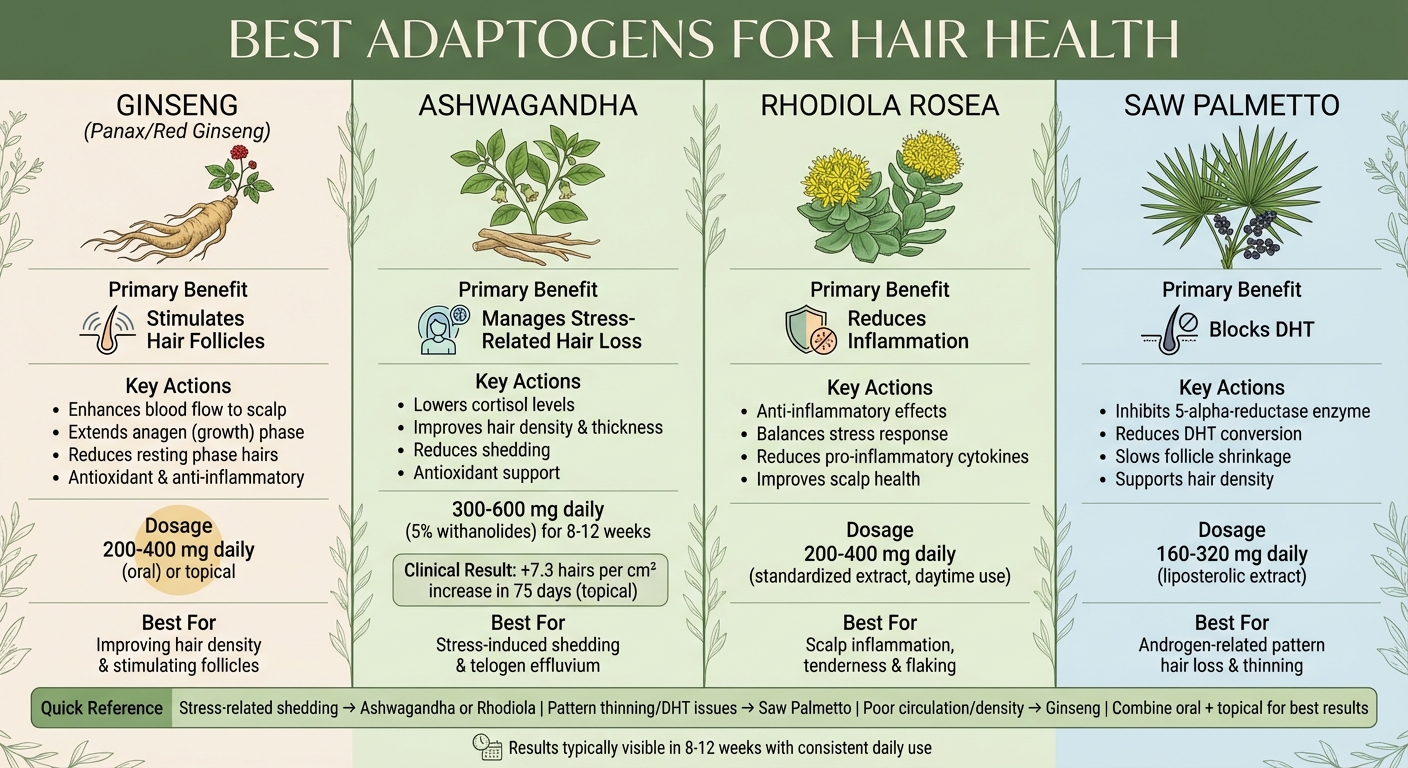
Best Adaptogens for Hair Health: Benefits, Dosages, and Uses
When it comes to tackling hair loss, adaptogens like ginseng, ashwagandha, rhodiola, and saw palmetto offer targeted benefits. Each of these adaptogens addresses specific factors like circulation, cortisol levels, inflammation, and DHT (dihydrotestosterone), which are often linked to hair thinning and shedding.
The key to choosing the right adaptogen lies in understanding the root cause of your hair concerns. For stress-induced shedding, ashwagandha may be your best bet due to its cortisol-lowering properties. If gradual thinning caused by androgen activity is the issue, saw palmetto’s ability to block DHT stands out. Meanwhile, ginseng boosts circulation and stimulates hair follicles, and rhodiola helps manage inflammation and stress-related scalp issues. Let’s dive deeper into how each of these adaptogens can support healthier hair.
Ginseng: Stimulating Hair Follicles
Panax (red) ginseng is packed with ginsenosides, compounds known to enhance blood flow to the scalp. This increased circulation delivers oxygen and nutrients to hair follicles, encouraging growth. Research indicates that ginseng can extend the anagen (growth) phase of hair and reduce the number of hairs in the resting phase, leading to improved hair density. On top of that, its antioxidant and anti-inflammatory properties protect follicular cells from damage. Ginseng can be taken orally or applied topically, with daily doses typically ranging from 200–400 mg. It’s a great addition to any routine focused on stimulating hair follicles and improving hair health.
Ashwagandha: Managing Stress-Related Hair Loss
Ashwagandha is a go-to adaptogen for stress-related hair issues, thanks to its ability to lower cortisol levels. Clinical studies have shown that using ashwagandha topically for 75 days can significantly improve hair density, growth rate, and thickness while reducing shedding. For oral supplementation, standardized extracts (containing about 5% withanolides) are commonly taken at doses of 300–600 mg daily for 8–12 weeks. Beyond stress management, ashwagandha also supports follicle health by offering antioxidant and anti-inflammatory benefits. If chronic stress is behind your hair concerns, this adaptogen is worth considering.
Rhodiola: Reducing Inflammation
Rhodiola rosea is well-known for its anti-inflammatory and stress-relieving effects. It helps balance the body’s stress response while reducing pro-inflammatory cytokines, which can harm hair follicles. This makes rhodiola particularly beneficial for those dealing with scalp tenderness, flaking, or other inflammation-related issues. Typically taken during the daytime, rhodiola is dosed at 200–400 mg of a standardized extract per day. Its ability to address both stress and inflammation makes it an excellent choice for improving scalp health and promoting hair growth.
Saw Palmetto: Blocking DHT
Saw palmetto (Serenoa repens) directly targets androgen-related hair loss by inhibiting the enzyme 5-alpha-reductase, which converts testosterone into DHT. High DHT levels can shrink hair follicles, leading to thinning hair. By lowering DHT activity, saw palmetto helps slow this process and supports hair growth. Clinical studies have shown that daily doses of 160–320 mg of liposterolic extract, taken in one or two doses, can lead to noticeable improvements in hair density and growth. For those experiencing pattern hair loss, saw palmetto is a powerful ally in the fight against thinning.
Choosing the Right Adaptogens and Dosages
Forms of Adaptogens: Capsules, Tinctures, and Topicals
Adaptogens come in several forms: capsules, tinctures, and topicals. Capsules are the easiest to use, offering precise, standardized doses. They provide a systemic effect, supporting stress management, hormone balance, and inflammation control throughout your body. However, they might interact with medications, so consulting a healthcare provider is important.
Tinctures, or liquid extracts, work similarly but allow for more flexible dosing. You can adjust the amount drop by drop, and they’re absorbed more quickly than capsules. These are a good option if swallowing pills is challenging or if you want to gradually increase your dose. Just keep in mind that tinctures often contain alcohol and have a strong taste.
Topicals - such as serums, scalp tonics, and conditioners - are applied directly to the scalp and hair follicles. A 2023 clinical study showed that using a topical ashwagandha serum daily for 75 days significantly improved hair density, growth rate, thickness, and the ratio of growing to resting hairs, all without serious side effects. Topicals are ideal for addressing specific areas of thinning or for those who prefer not to take oral supplements. Many people combine oral and topical adaptogens for a more comprehensive approach.
Once you’ve selected the form that works best for you, the next step is figuring out the right dosage.
Dosage Guidelines for Common Adaptogens
It’s best to start with a low dose and increase gradually. For ashwagandha, clinical studies typically recommend 300–600 mg per day of standardized root extract (containing about 5% withanolides). Doses up to 1,000 mg are considered safe for up to 12 weeks. For ginseng, general doses range from 1–3 grams per day of dried root or its extract. Rhodiola is commonly taken at 100–400 mg per day of standardized extract.
Begin at the lower end of the recommended range - for instance, 250–300 mg of ashwagandha daily - and take it with food to improve absorption and minimize stomach upset. Over one to two weeks, observe how your body responds. Look for changes in digestion, sleep, mood, or energy levels. If tolerated well, you can slowly increase toward the full daily dose. Track hair-related improvements, such as reduced shedding or better density, over several weeks or months. If you notice side effects like stomach discomfort, headaches, insomnia, or mood changes, reduce the dose or stop altogether and consult a healthcare professional.
Once your dosage is set, ensuring the quality of your adaptogen supplements is just as important.
Using SlipsHQ to Check Supplement Quality
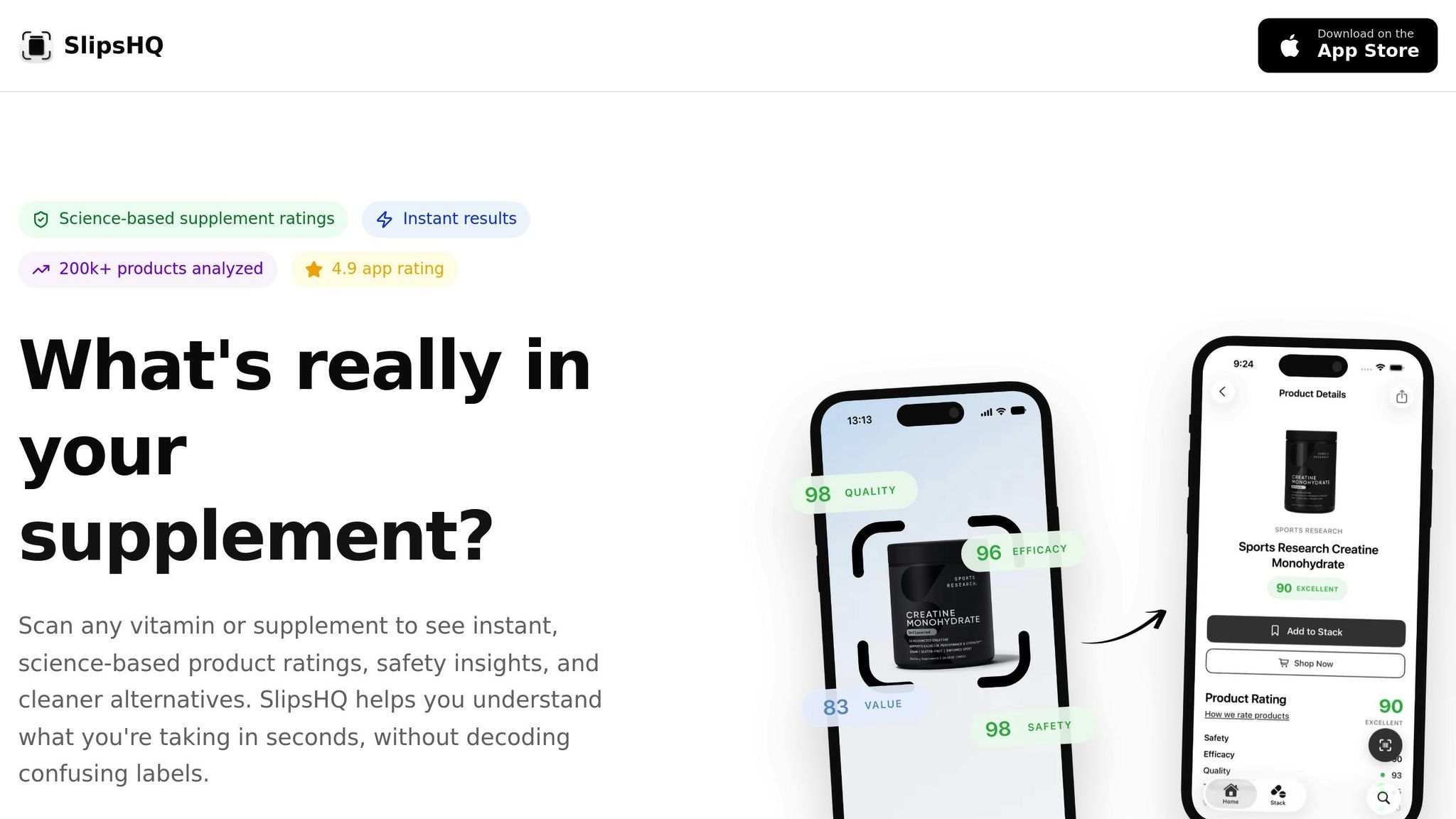
Not all adaptogen supplements are made equal. Variations in product quality, ingredient standardization, and third-party testing can make it tough to know if a supplement delivers what it promises. That’s where SlipsHQ comes in. This app lets you scan a supplement’s barcode and instantly provides a trust score (0–100) based on a 35-point evaluation of Safety, Efficacy, Quality, Transparency, and Value.
SlipsHQ breaks down each ingredient, highlighting whether the product includes standardized extracts (like ashwagandha with a specific percentage of withanolides). It also flags potential safety concerns, contaminants, or interactions with medications. Plus, you can compare prices across retailers to avoid overpaying or purchasing under-dosed products. With an analysis of over 200,000 supplements and a stellar 4.9 app rating, SlipsHQ is a reliable tool for building a personalized adaptogen regimen that fits your hair health goals and budget.
When shopping for supplements, look for third-party testing seals like NSF or USP and clear labeling of standardized extracts and dosages. Avoid proprietary blends that don’t disclose exact ingredient amounts. SlipsHQ helps you spot these details quickly, saving you hours of research and ensuring you make informed decisions.
Building Your Personalized Hair Health Routine
Identifying Your Main Hair Concerns
To create a personalized hair health plan, start by identifying your specific hair concerns. Spend two weeks observing your hair: take consistent weekly photos and track daily shedding to establish a baseline.
Pay attention to the pattern of hair loss. For example, a widening part or thinning at the temples and crown often suggests androgen-driven hair loss. In such cases, saw palmetto may provide some support over 18–24 weeks. On the other hand, if shedding is evenly spread across the scalp and began two to four months after a major stressor - like an illness, childbirth, job loss, or stopping birth control - you might be facing telogen effluvium. Here, stress management and adaptogens like ashwagandha could be more helpful.
Also, consider associated symptoms. High stress, poor sleep, and sugar cravings might indicate elevated cortisol levels, making ashwagandha a logical choice for its stress-reducing properties. If you're feeling low energy or "tired but wired", rhodiola could help improve daytime resilience. An oily scalp paired with thinning at the hairline may point to DHT involvement, where saw palmetto and topical treatments can play a role.
Once you’ve identified your main concern - say, "stress-related shedding" - and a secondary issue like "breakage" or "slow growth", focus your routine on addressing these. This targeted approach makes it easier to track results and adjust as needed.
Combining Adaptogens Effectively
When incorporating adaptogens, start with one primary oral adaptogen for four to six weeks before adding a second. Here’s a suggested daily schedule:
- Morning: Take rhodiola (100–200 mg standardized extract) and ginseng (200–400 mg) with breakfast to support energy and circulation. If addressing androgen-related thinning, add saw palmetto (160 mg).
- Evening: Take ashwagandha (300–600 mg root extract) with dinner or before bed to help manage stress, improve sleep, and lower cortisol levels.
For topical care, apply a daily ashwagandha serum to your scalp, massaging it in for three to five minutes. A 75-day study found that this practice significantly reduced shedding and improved hair density, growth rate, and thickness, with no serious side effects.
Stick to just two oral adaptogens and one topical treatment to keep things simple. Avoid taking stimulating adaptogens like rhodiola and ginseng late in the day, as they can cause restlessness or insomnia. Be consistent with your routine for eight to twelve weeks before adding more treatments, as hair growth cycles take time.
Pair these adaptogens with proper scalp care and lifestyle adjustments for the best results.
Adding Scalp Care and Lifestyle Habits
Adaptogens are most effective when combined with a nutrient-rich diet, proper scalp care, and stress management. Focus on building a stress-reduction routine that includes good sleep hygiene, breathwork, yoga, or therapy. Elevated cortisol levels are closely linked to increased hair shedding, so managing stress is key.
For scalp care, use gentle shampoos two to three times a week and include regular scalp massages to boost circulation. Avoid harsh chemical treatments, excessive heat styling, and tight hairstyles that can lead to breakage or traction alopecia. If your scalp feels dry or irritated, consider using non-irritating oils suited to your hair type to maintain scalp health.
Before adding any supplements, use tools like SlipsHQ to verify their quality and safety.
Give your routine - adaptogens, scalp care, and lifestyle changes - at least 8–12 weeks to show results. Track your progress every four to six weeks by noting changes in shedding, hair density, and scalp comfort. If hair loss is sudden, patchy, or accompanied by symptoms like fatigue or menstrual changes, consult a healthcare professional. A steady, measured approach combining adaptogens, quality supplements, and supportive habits can set the stage for healthier, more resilient hair over time.
Safety and What to Expect
Possible Side Effects and Interactions
Adaptogens used for hair health are generally well-tolerated, but mild side effects can sometimes occur. For instance, ashwagandha may lead to digestive issues like nausea, diarrhea, or bloating, as well as drowsiness. Taking it with food can help mitigate these effects. Ginseng might cause jitteriness, insomnia, or even increased blood pressure, particularly at higher doses or in individuals sensitive to stimulants. Rhodiola, if taken later in the day, could result in slight agitation, dry mouth, or trouble sleeping. Saw palmetto is typically safe but may occasionally cause mild stomach upset, and in rare cases, hormonal changes or reduced libido in men.
It's essential to consider potential drug interactions. Ashwagandha may interact with medications like thyroid treatments, sedatives, immunosuppressants, and drugs that lower blood sugar. Ginseng can increase bleeding risks if taken with blood thinners like warfarin or aspirin and may also lower blood sugar when combined with antidiabetic medications. Rhodiola could interact with antidepressants, such as SSRIs or MAOIs, potentially increasing the risk of serotonin syndrome. Saw palmetto may interfere with hormonal therapies and anticoagulants. If you have conditions like autoimmune diseases, thyroid disorders, or hormone-sensitive issues (such as prostate, breast, or uterine conditions), or if you're on long-term medications, it's crucial to consult a healthcare provider before adding adaptogens to your routine.
To reduce risks, start with lower doses and take adaptogens with meals. Avoid taking stimulating adaptogens like ginseng and rhodiola later in the day. Stop using them immediately if you notice persistent digestive problems, sleep disturbances, mood swings, allergic reactions (such as rash, swelling, or difficulty breathing), or unusual hormonal symptoms like menstrual changes or breast tenderness. Tools like SlipsHQ can help you evaluate products for safety, potential drug interactions, and ingredient risks using a comprehensive 35-point evaluation system covering aspects like efficacy, quality, and transparency.
Being mindful of safety and interactions lays the groundwork for successful results. But when can you expect to see changes?
When to Expect Results
Research shows that noticeable improvements - like reduced hair shedding, increased hair density, and thicker strands - usually take about 2 to 3 months of consistent daily use. For example, a 75-day clinical study on a topical ashwagandha root extract reported significant improvements in hair density (an increase of +7.3 versus +2.81 hairs per cm²), growth rate, thickness, and reduced shedding compared to placebo, with no serious side effects observed. This highlights the importance of patience and regular application.
You might notice initial changes, such as less shedding and a healthier scalp, within 6 to 8 weeks. However, more visible results, like thicker and denser hair, typically appear after 2 to 3 months. Full benefits can take 4 to 6 months to manifest. Staying consistent with your daily routine is key to achieving lasting improvements. If you experience sudden or patchy hair loss, or symptoms like fatigue or menstrual irregularities, it's best to consult a healthcare professional rather than relying solely on adaptogens.
Conclusion
Crafting a hair health routine with adaptogens targets the underlying issues of thinning and shedding - namely, chronic stress and hormonal imbalances. Research-backed adaptogens like ashwagandha, ginseng, rhodiola, and saw palmetto can help improve hair density, enhance thickness, and reduce shedding when used consistently over time. These herbs work by balancing cortisol levels, supporting hormonal stability, and reducing inflammation, all of which help maintain a healthy hair growth cycle.
However, adaptogens work best when paired with supportive lifestyle habits. Combining one or two adaptogens with practices like gentle scalp care, a nutrient-rich diet, stress reduction techniques, and quality sleep creates a well-rounded approach to hair health. It’s important to remember that adaptogens aren’t quick fixes - they’re most effective as part of a broader, consistent routine. Daily use, alongside topical treatments and healthy habits, offers the best chance for noticeable results.
When incorporating adaptogens, choosing high-quality supplements is crucial. Tools like SlipsHQ can help verify the quality of supplements with science-backed ratings.
If stress-related hair loss or early thinning is a concern, adding an adaptogen to your routine can be a practical, low-risk way to support your hair health. Start with one or two adaptogens that align with your specific needs, use them consistently for 8–12 weeks, and pair them with healthy habits. Pay attention to progress - reduced shedding often comes before visible thickening - and adjust your routine as necessary. With patience and the right combination of tools and habits, you can create a hair care strategy that delivers results.
FAQs
How can adaptogens help with stress-related hair thinning?
Adaptogens play a role in supporting hair health by helping the body handle stress more efficiently. Stress is often tied to elevated cortisol levels, a hormone that can contribute to hair thinning. By helping to regulate cortisol, adaptogens may reduce the effects of stress on the body, potentially preventing or lessening hair loss linked to prolonged stress or anxiety.
Adding adaptogens to your wellness routine could enhance not just your ability to manage stress but also the health of your scalp and hair over time. It's important to consult a healthcare professional to determine which adaptogens and doses are best suited for your individual needs.
Are there any side effects of using adaptogens for hair health?
While adaptogens are typically regarded as safe, they can occasionally lead to side effects like mild stomach upset, allergic reactions, or shifts in hormone levels. They may also interact with specific medications, so it’s important to approach their use carefully.
If you have existing health issues or are on medication, it’s a good idea to check with a healthcare professional before incorporating adaptogens into your hair care routine. This helps ensure they’re a safe and appropriate choice for you.
How long does it take for adaptogens to improve hair growth?
Results from using adaptogens to support hair growth usually become noticeable within 4 to 8 weeks of consistent use. However, this timeline can differ based on factors like your overall health, stress levels, and the type of adaptogens included in your routine.
The secret to seeing results? Consistency. Regularly incorporating adaptogens into your daily habits allows your body the time it needs to adapt and promote healthier hair growth. For even better outcomes, combine adaptogens with a nutritious diet and solid hair care practices.