
Complete Guide to Best and Worst Protein Sources
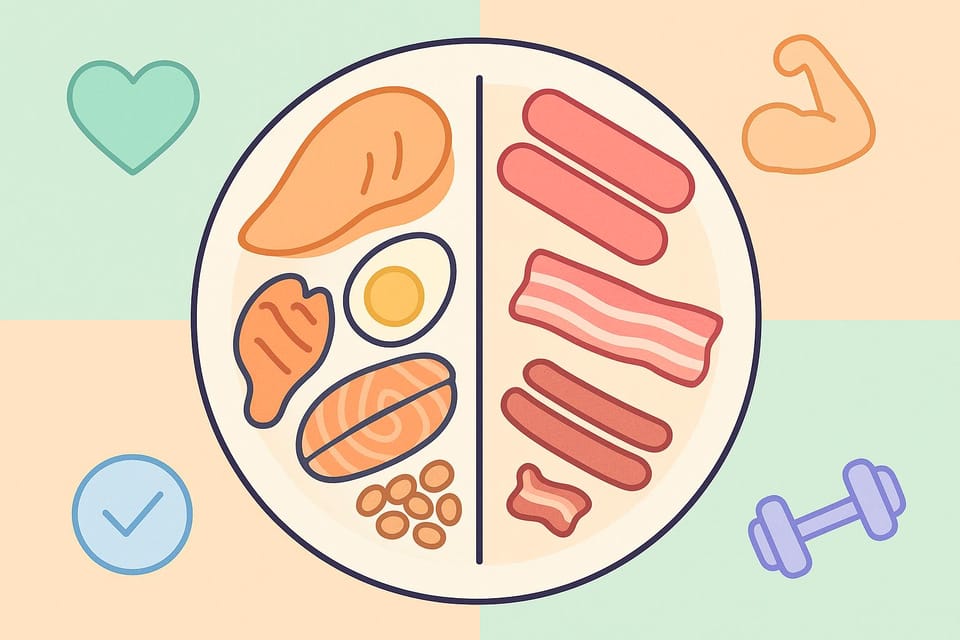
Protein is a cornerstone of a healthy diet, vital for muscle growth, recovery, energy, and overall wellness. Yet, not all protein sources are created equal. Some foods, despite being labeled as "protein-rich", may not provide the quality or digestibility your body needs, while others pack a nutritional punch beyond their protein content.
In this comprehensive guide, we’ll explore the best and worst protein sources, dissect their nutritional profiles, and help you make informed choices tailored to your health goals. Whether you're a fitness enthusiast, someone navigating the overwhelming supplement market, or simply looking to optimize your diet, this article will provide clarity.
Why Protein Quality Matters
Protein quality isn't just about how much protein is in a food - it’s about how well your body can digest, absorb, and utilize that protein. This is measured by the DIAAS (Digestible Indispensable Amino Acid Score), a scientific metric that evaluates protein digestibility and amino acid composition.
Great protein sources not only score high on the DIAAS scale but also come packed with essential vitamins, minerals, and complete amino acid profiles. Conversely, some foods, while high in protein, are bogged down by unhealthy additives, poor digestibility, or unfavorable fat-to-protein ratios.
Let’s dive into the protein rankings: the nutritional stars, the unexpected winners, and the options you might want to rethink.
The Best Protein Sources
1. Ground Beef
Ground beef is a nutritional powerhouse. With a DIAAS score of 121, it boasts a high concentration of easily digestible protein and essential nutrients. What makes it stand out?
- High creatine content for muscle recovery and anti-inflammatory effects.
- Zinc for immune health.
- Conjugated linoleic acid (CLA), a fat that supports fat metabolism in the mitochondria.
- Naturally rich in amino acids, making it a complete protein source.
If you’re looking for a versatile, nutrient-dense protein, ground beef is hard to beat.
2. Whey Protein Isolate
Often frowned upon for being processed, whey protein isolate is, surprisingly, one of the most efficient proteins available. It achieves a DIAAS score of 125, making it one of the best options for muscle repair and rapid recovery.
- Absorbs faster than casein protein by 122%, making it ideal for post-workout recovery.
- High in leucine, a key amino acid for muscle building.
While processed, its bioavailability and ease of use make it a top-tier supplement.
3. Venison
For those seeking lean, high-quality protein, venison is an incredible option. Wild game meats like venison offer a superior fatty acid profile compared to conventionally raised red meats.
- Low-fat content, making it a high-protein, low-calorie choice.
- Packed with creatine, zinc, and CLA, similar to ground beef.
- Naturally nutrient-dense, without the additives found in processed meats.
4. Eggs
Eggs are nature’s multivitamin, offering a balance of protein and essential nutrients:
- DIAAS score of 122, slightly lower than some other proteins but still excellent.
- Rich in choline, supporting brain health.
- Vitamins A, D, E, and K, plus healthy monounsaturated fats.
With their versatility and affordability, eggs remain a nutritional staple.
5. Icelandic Skyr
This creamy, cultured dairy product is similar to Greek yogurt but with a higher protein-to-fat ratio.
- Offers both whey and casein proteins, combining quick and slow-digesting benefits.
- High protein concentration with probiotics for gut health.
- A smooth, buttery texture makes it enjoyable to eat even in low-fat forms.
6. Sardines (in Water or Olive Oil)
Sardines are a nutritional gem when sourced properly:
- High-quality protein balanced with omega-3 fatty acids.
- Rich in vitamin D and calcium, especially if consumed with bones and skin.
- Affordable and sustainable compared to many other proteins.
7. Cottage Cheese (Additive-Free)
Cottage cheese deserves a spot in your diet, but only when it’s free of harmful thickeners like carrageenan.
- Slow-digesting casein protein for sustained energy and satiety.
- High in calcium, making it an excellent choice for bone health.
Protein Sources to Approach with Caution
1. Nut Butters
While often marketed as high-protein, nut butters are better classified as fat sources. Here’s why:
- Low DIAAS scores and incomplete amino acid profiles.
- High fat-to-protein ratios, which can dilute their protein value.
- Many contain oxidized oils or added sugars, reducing overall health benefits.
2. Bacon
Bacon is another food often incorrectly labeled as a "protein source."
- Protein is overshadowed by high fat content.
- Pork is frequently associated with inhumane farming practices and antibiotic use.
- Treat bacon as an occasional indulgence, not a daily protein staple.
3. Farm-Raised Tilapia
Farm-raised tilapia, while protein-rich, comes with significant downsides:
- Poor fatty acid profiles compared to other fish.
- High levels of antibiotics and contaminants in conventional farming practices.
- Opt for higher-quality fish like tuna or sardines instead.
4. Bone Broth
Bone broth is excellent for gut health and collagen support but not a reliable protein source.
- Lacks a complete amino acid profile.
- Should not be counted toward daily protein intake, though it has other health benefits.
5. Soy Protein
Soy protein, particularly in powder form, falls short compared to other plant-based options:
- DIAAS score of 98, which is low for a protein powder.
- Contains isoflavones, which may mimic estrogen in the body.
- A subpar choice for muscle building due to low leucine content.
Key Takeaways
- Best Protein Sources: Ground beef, whey protein isolate, venison, eggs, Icelandic skyr, sardines, and additive-free cottage cheese rank as top-tier options due to their digestibility, amino acid profiles, and nutrient density.
- Foods to Rethink: Nut butters, bacon, farm-raised tilapia, bone broth, and soy protein have limitations that make them less reliable for meeting protein needs.
- Wild Game Benefits: Venison and other wild meats offer exceptional protein quality with lower fat and superior fatty acid profiles.
- Dairy Done Right: Skyr and milk protein (as in additive-free cottage cheese) combine digestibility with slow and fast-releasing amino acids.
- Fish Choices Matter: Opt for nutrient-dense options like sardines and tuna over farm-raised tilapia.
Conclusion
Choosing the best protein sources for your diet isn’t just about picking foods high in protein - it’s about selecting options that your body can effectively use while supporting overall health. By prioritizing high-DIAAS proteins like venison, whey, and eggs, and avoiding misleading "protein traps" like nut butters or heavily processed options, you can optimize your nutrition for energy, focus, and longevity.
Whether you’re seeking muscle growth, recovery, or simply better health, this guide equips you to make smarter, more informed decisions about your protein intake. After all, food is fuel - choose the best for your body!
Source: "Best and Worst Protein Sources (ranked by science)" - Thomas DeLauer, YouTube, Jan 1, 1970 - https://www.youtube.com/watch?v=yA1OrLYaz5U