
Complete Guide to Plant Proteins Ranked by Nutrition
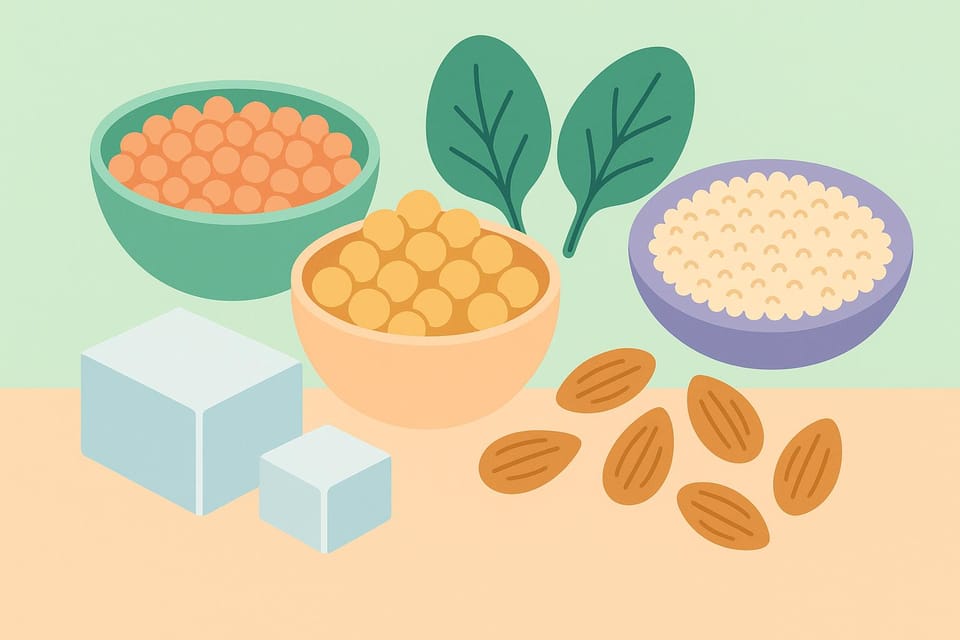
The world of plant-based proteins is vast, varied, and often overwhelming. Whether you're a health-conscious consumer looking to integrate more plant-based foods into your diet, or someone simply curious about the nutritional value of plant proteins, this guide serves as a one-stop resource for understanding the best options available. Based on an in-depth analysis of various plant protein sources, we’ll explore their nutritional profiles, strengths, shortcomings, and how they stack up against one another.
From the nutrient-packed superstars to the more modest contributors, the following article breaks down plant-based protein choices into tiers, helping you identify what works best for your health goals and dietary preferences.
Why Plant Proteins Matter
Plant proteins are not just for vegetarians or vegans. While animal-based foods are undeniably protein-rich and nutrient-dense, plant proteins offer their own unique benefits. Many plant-based protein sources are incredibly rich in fiber, antioxidants, vitamins, and minerals. They can complement animal proteins or even serve as stand-alone options for those looking to diversify their diets.
These foods also come with additional advantages like lowering LDL cholesterol, improving gut health, and offering heart-friendly fats. Whether you’re aiming for better energy levels, enhanced recovery, or long-term wellness, plant proteins can play an essential role in a balanced diet.
How Plant Proteins Were Ranked
In this analysis, plant proteins are evaluated not just on their protein content but also on their overall nutritional value. The focus is on a food’s protein quality (e.g., completeness of amino acids), micronutrient density, health benefits, and potential drawbacks like anti-nutrient content. Foods are grouped into tiers ranging from "Top Tier" to "D Tier" based on how they stack up.
The rankings aim to guide readers in making informed choices - whether you're looking for high-protein options or foods that supplement your diet with other health benefits.
Top Tier Plant Proteins: The Gold Standard
1. Lupin Beans
Lupin beans emerge as a standout plant protein, boasting a whopping 13 grams of protein per 100 calories. They offer a complete amino acid profile and are lower in anti-nutrients compared to most legumes. Additionally, lupin beans promote gut health and help regulate blood sugar. As a versatile and nutrient-dense food, they are poised to become a go-to option in plant-based nutrition.
2. Tempeh
A fermented soy product, tempeh is a powerhouse of bioavailable protein - with over 10 grams of complete protein per 100 calories. Its fermentation process enhances gut health, reduces anti-nutrient content, and makes vital nutrients like Vitamin B2 and Vitamin K2 more absorbable. Tempeh is a staple for those seeking a flavorful, versatile, and nutrient-packed protein source.
3. Textured Vegetable Protein (TVP)
Made primarily from defatted soy flour, TVP delivers an astounding 14 grams of complete protein per 100 calories. It’s also packed with fiber, potassium, and magnesium, making it an ideal option for anyone looking to maximize their protein intake without compromising on essential vitamins and minerals.
4. Natto
This fermented soybean product delivers over 9 grams of protein per 100 calories and is rich in probiotics, vitamin K2, and the enzyme nattokinase, which supports heart health. The fermentation process makes natto a gut-friendly and highly nutritious option.
5. Seitan
A concentrated wheat gluten, seitan leads the pack in protein density with up to 20 grams of protein per 100 calories. While it’s not suitable for those with gluten sensitivities, seitan is a low-fat, high-protein option that provides iron and selenium.
A Tier: Excellent Choices with Minor Trade-Offs
1. Edamame
Young soybeans, or edamame, pack 8 grams of protein per 100 calories and are rich in folate, Vitamin K, and isoflavones. They’re a great snack or addition to meals, although they don’t quite surpass the benefits of fermented soy products like tempeh or natto.
2. Miso
Miso offers 6–7 grams of protein per 100 calories, along with probiotics and improved nutrient bioavailability due to fermentation. However, its high sodium content makes moderation key.
3. Soybean Sprouts
A complete protein source offering nearly 11 grams per 100 calories, soybean sprouts are also rich in Vitamin K and isoflavones. Their low anti-nutrient content and enhanced digestibility make them a strong contender in plant-based nutrition.
B Tier: Balanced and Reliable
1. Lentils
Lentils deliver nearly 8 grams of protein per 100 calories, along with fiber, folate, and iron. Though not the most protein-rich option, they are a well-rounded and affordable staple.
2. Quinoa
Quinoa offers 4 grams of complete protein per 100 calories and is rich in antioxidants and resistant starch. Its versatility and prebiotic properties make it a valuable addition to many diets.
3. Hemp Seeds
Hemp seeds contain 6 grams of protein per 100 calories and are packed with heart-healthy omega-3s, magnesium, and zinc. Though fatty, they’re a nutrient-dense option for snacking or sprinkling.
C Tier: Good Foods with Limited Protein Density
1. Almonds
While almonds are nutrient-dense - offering healthy fats, Vitamin E, and magnesium - they only provide 3–4 grams of protein per 100 calories. Ideal as a snack, they’re not particularly protein-forward.
2. Chia Seeds
Chia seeds are fiber-rich and loaded with antioxidants and omega-3s. However, their protein density is modest at 3–4 grams per 100 calories.
3. Oats
Oats contain 3–4 grams of protein per 100 calories and are carbohydrate-dense with soluble fiber that helps manage cholesterol. While not protein-centric, they are a great breakfast option.
D Tier: Nutritional Stragglers
1. Falafel
While flavorful and popular, falafel is nutritionally underwhelming due to its reliance on frying. It provides about 4 grams of protein per 100 calories but carries potential carcinogenic risks when deep-fried.
Key Takeaways
- Top Performers: Lupin beans, tempeh, and textured vegetable protein (TVP) lead the pack with their protein density and nutrient profiles.
- Soy’s Versatility: Fermented soy products like natto, miso, tempeh, and tofu not only deliver protein but also improve gut health and nutrient absorption.
- Seeds and Nuts: Though not protein-centric, options like hemp seeds and almonds add valuable nutrients and healthy fats to your diet.
- Grains and Legumes: Quinoa, lentils, and oats offer fiber and micronutrients but fall short in protein density compared to top-tier options.
- Preparation Matters: Soaking, fermenting, and cooking plant proteins can reduce anti-nutrients and enhance bioavailability.
- Experiment with Variety: Incorporate a mix of high-protein options and nutrient-dense foods to achieve a balanced and sustainable diet.
Final Thoughts
Plant proteins are as diverse as they are nutritious. From traditional staples like lentils and quinoa to emerging stars like lupin beans and textured vegetable protein, there’s something for everyone. While certain foods stand out for their protein content, others excel in delivering complementary nutrients and health benefits. By understanding the strengths and limitations of each option, you can make empowered decisions that align with your dietary needs and wellness goals.
Whether you’re vegan, vegetarian, or an omnivore looking to add variety, plant proteins can be a valuable part of any diet. Try incorporating different sources, explore new recipes, and prioritize balance for long-term health and vitality.
Source: "Plant Proteins Ranked - Nutrition Tier Lists" - Talon Fitness, YouTube, Jan 1, 1970 - https://www.youtube.com/watch?v=GR4PhrFh-i4