
Mechanisms of Rhodiola in Stress Relief
Rhodiola rosea is a plant widely used for stress relief, energy, and mental clarity. Its effects are supported by clinical research and linked to key compounds - rosavins and salidroside - that regulate stress hormones, balance mood, and protect cells. Here's what you need to know:
- Stress Support: Rhodiola helps manage cortisol, the stress hormone, aiding recovery from physical and mental fatigue.
- Mood and Focus: Boosts serotonin, dopamine, and norepinephrine, improving mood, motivation, and concentration.
- Cell Protection: Activates heat shock proteins and reduces oxidative stress, improving energy and resilience.
- Quick Results: Benefits often appear within 1–4 weeks, with studies showing reduced fatigue and better focus.
Rhodiola is safe for most people when taken in standardized doses (200–600 mg/day). However, it may not be suitable for individuals with bipolar disorder, pregnant or breastfeeding women, or those on certain medications. Standardized supplements with 3% rosavins and 1% salidroside are recommended for consistent results.
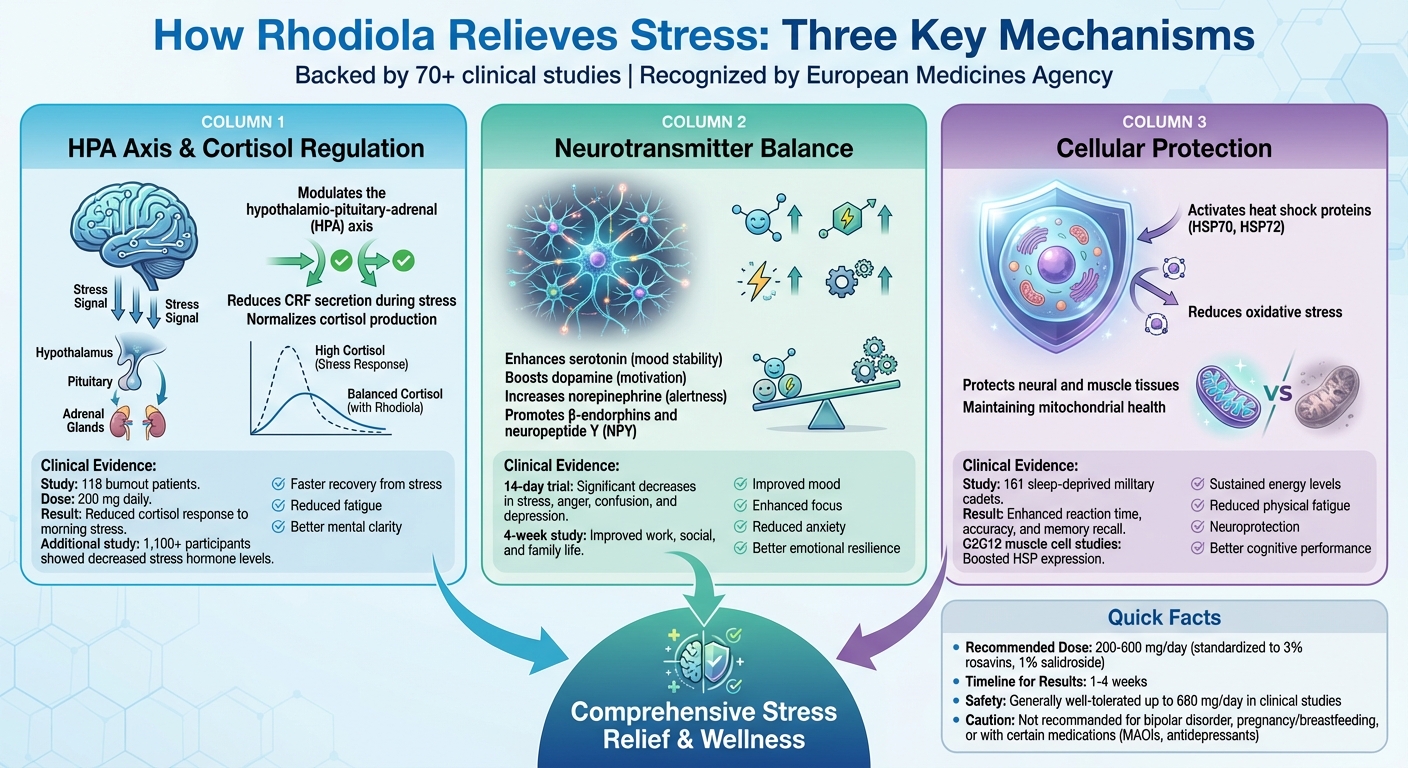
How Rhodiola Relieves Stress: Three Key Mechanisms
HPA Axis Modulation and Cortisol Regulation
The HPA Axis in Stress Response
The hypothalamic–pituitary–adrenal (HPA) axis acts as your body's command center for handling stress. When you're faced with a challenge - like a tight work deadline or an unexpected expense - the hypothalamus releases corticotropin-releasing factor (CRF). This prompts the pituitary gland to release ACTH, which signals your adrenal glands to produce cortisol, the primary stress hormone.
In situations of acute stress, cortisol levels rise quickly to provide energy and enhance focus. Once the stressor is gone, cortisol levels return to normal, allowing your body to reset. However, chronic stress - such as ongoing work pressures, long commutes, constant digital interruptions, or caregiving responsibilities - can keep the HPA axis in overdrive. This prolonged activation may result in elevated or irregular cortisol levels, leading to symptoms like fatigue, brain fog, mood changes, and burnout.
How Rhodiola Regulates Cortisol
Rhodiola works on multiple levels of the HPA axis, rather than simply suppressing stress responses. Research indicates that it can reduce CRF secretion during stress and lower corticosterone levels (the animal equivalent of cortisol). It also enhances the activity of stress-responsive genes in brain regions like the hippocampus and prefrontal cortex. Studies suggest that Rhodiola’s effects vary with dosage, helping to normalize cortisol production and interacting with key mediators such as heat shock proteins, JNK1, nitric oxide, β-endorphins, and neuropeptide Y.
Human studies back this up. For instance, in a study of 118 individuals experiencing burnout, taking 200 mg of Rhodiola extract daily resulted in a reduced cortisol response to morning stress, along with noticeable improvements in mental clarity and fatigue levels. Observational data from over 1,100 participants dealing with stress symptoms showed decreases in stress hormone levels after supplementation. What sets Rhodiola apart is that it doesn’t completely suppress the stress response. Instead, it helps your body recover more quickly, promoting a faster return to balance after stressful events.
Clinical Outcomes from HPA Modulation
By helping to control excessive or prolonged cortisol spikes, Rhodiola delivers tangible benefits. Clinical trials have shown improvements in fatigue levels, enhanced mental performance, and reduced exhaustion in individuals dealing with stress and burnout. Many participants report feeling less irritable and more focused within just 3 days, with more significant changes in burnout scores and cortisol patterns becoming evident after 2–4 weeks.
This regulation leads to steadier energy levels, sharper mental clarity, and better resilience to ongoing stressors. Rhodiola has been shown to help in both long-term stress situations, like burnout, and short-term high-stress scenarios. For example, sleep-deprived military cadets experienced improved reaction times, memory, and accuracy after Rhodiola supplementation. Unlike some pharmaceutical options, it achieves these benefits without causing drowsiness, making it a practical choice for staying alert and productive.
Neurotransmitter Effects and Mood Regulation
Neurotransmitter Modulation
In addition to regulating the HPA axis, Rhodiola plays a role in balancing neurotransmitter systems, which further supports mood and cognitive function.
Rhodiola enhances the activity of three key monoamine neurotransmitters: serotonin, dopamine, and norepinephrine. These neurotransmitters are essential for maintaining mood, motivation, and focus. Serotonin helps stabilize mood, dopamine drives motivation, and norepinephrine sharpens alertness. By increasing the activity of these neurotransmitters, Rhodiola not only helps manage stress but also combats emotional fatigue and mental fog.
This approach is distinct from how Rhodiola regulates the HPA axis. While cortisol control aids in recovering from stress, its impact on neurotransmitters directly boosts mood and energy levels. Together, these mechanisms work in harmony, amplifying the benefits. Clinical studies back these effects, highlighting Rhodiola’s ability to influence neurotransmitter activity. These adjustments also contribute to the production of mood-regulating peptides, which are explored in the next section.
β-Endorphins and Neuropeptide Y
Rhodiola also supports the production and activity of β-endorphins, natural opioid peptides that help mitigate stress. By optimizing the levels of these peptides, Rhodiola ensures their protective effects are sustained without overproduction.
Additionally, Rhodiola promotes the production and release of neuropeptide Y (NPY) in neuroglial cells. NPY is a neuropeptide that governs the expression of over 50 genes linked to mood, behavior, and depressive disorders. It also plays a role in G-protein-coupled receptor signaling and helps maintain balance within the HPA axis. By influencing NPY, Rhodiola enhances emotional resilience and stability, helping individuals maintain a steady mood even during prolonged challenges. These findings are supported by clinical research, which is outlined below.
Clinical Evidence for Mood and Emotional Benefits
Research shows that the neurotransmitter effects of Rhodiola translate into measurable improvements in mood and emotional well-being. For example, a 14-day intervention trial showed that participants with mild anxiety experienced significant decreases in stress, negative mood, anger, confusion, and depression. The benefits were most evident in individuals with mild symptoms, helping prevent further mood decline.
In another study involving 118 patients experiencing burnout, participants taking 200 mg of Rhodiola extract daily reported better concentration and mental performance, along with a reduction in cortisol awakening response. Similarly, an open-label study on individuals dealing with occupational stress showed improved overall well-being and reduced anxiety. The most notable benefits were seen in those with mild stress, rather than severe psychiatric conditions. After four weeks of treatment, participants reported meaningful improvements in their work, social, and family life. These findings highlight Rhodiola’s ability to provide quick and effective support for managing everyday stress and maintaining emotional balance.
Cellular Stress and Fatigue Reduction
Cellular Stress Pathways and Heat Shock Proteins
Rhodiola triggers stress-response pathways, especially heat shock proteins (HSP70 and HSP72), which are crucial for repairing damaged proteins and safeguarding cellular health.
In studies with C2C12 muscle cells, Rhodiola extract was shown to boost the expression of HSP70 and HSP72, shielding cells from oxidative harm. These proteins play a key role in stabilizing other proteins and cell membranes, ensuring cells continue to function effectively under stress.
Rhodiola also influences additional stress-related pathways, such as JNK signaling, FOXO transcription factors, and nitric oxide systems. Together, these pathways help the body adapt to stress rather than succumb to cellular damage, promoting higher energy levels and reducing feelings of fatigue.
Oxidative Stress and Neuroprotection
Rhodiola’s benefits go beyond heat shock proteins; it also offers antioxidant and anti-inflammatory properties that protect both neural and muscular tissues. Oxidative stress, caused by free radicals, can accumulate during prolonged stress, leading to impaired brain function, reduced muscle performance, and lower energy levels.
Research highlights Rhodiola’s ability to lower oxidative stress markers and prevent oxidative damage to muscle cells. In animal studies, Rhodiola extracts rich in tyrosol reduced oxidative stress while enhancing cognitive function, pointing to potential neuroprotective effects. These benefits help maintain mitochondrial health, support neuronal communication, and improve muscle function - all essential for clear thinking, emotional balance, and physical endurance.
These protective mechanisms create a foundation for the observed improvements in energy levels, mental sharpness, and overall performance.
Clinical Outcomes: Fatigue and Cognitive Performance
The cellular benefits of Rhodiola translate into real-world improvements in fatigue and mental performance. Clinical studies show that Rhodiola’s protective effects are linked to reduced fatigue, sharper focus, and better stress management.
In a placebo-controlled study of 161 military cadets undergoing sleep deprivation, Rhodiola was found to enhance reaction time, accuracy, and memory recall compared to the placebo group. Another trial demonstrated that after four weeks of Rhodiola supplementation, participants experienced lower fatigue levels and reported fewer disruptions in their work, social interactions, and family life.
These consistent results reflect Rhodiola’s ability to strengthen cellular resilience by protecting proteins, reducing oxidative damage, and maintaining neurotransmitter balance and energy production. The European Medicines Agency acknowledges Rhodiola for its role in providing temporary relief from stress-related symptoms like fatigue and exhaustion, thanks to its effects on the central nervous system and cellular protection.
Practical Applications and Quality Considerations
How Rhodiola Supports Stress Relief and Cognitive Benefits
Rhodiola offers a unique combination of calming and energizing effects, setting it apart from typical stimulants that often cause jitters. By regulating the HPA axis and lowering cortisol levels, it helps ease physical stress symptoms like irritability and fatigue. At the same time, it enhances neurotransmitters such as serotonin, dopamine, and norepinephrine, which boosts focus and improves mood. Additionally, Rhodiola provides cellular protection through heat shock proteins and antioxidant activity, contributing to sustained energy and mental clarity. This dual action addresses both the physical and mental aspects of stress, helping build resilience rather than just masking symptoms.
Safety and Dosing Guidelines
Rhodiola is generally well tolerated when used at recommended doses, with only occasional mild side effects reported. Clinical studies have tested doses as high as 680 mg per day without serious issues. The European Medicines Agency acknowledges Rhodiola for temporarily relieving stress-related symptoms like fatigue and exhaustion, with findings supported by over 70 clinical trials.
Most standardized extracts (containing 3% rosavins and 1% salidroside) are commonly used in doses ranging from 200 to 600 mg per day. Benefits typically appear within one to four weeks. To maintain effectiveness, some users opt for cycling their supplementation, such as taking Rhodiola for 4–6 weeks followed by a 1–2 week break. However, caution is warranted for certain groups, including individuals with bipolar disorder, pregnant or breastfeeding women, and those on antidepressants or MAOIs, as Rhodiola's effects on serotonin pathways could pose risks .
With these mechanisms and safety considerations in mind, choosing a high-quality supplement is vital for effective stress relief.
Evaluating Supplement Quality with SlipsHQ
The quality of Rhodiola supplements can vary significantly, with some products failing to provide the standardized extracts used in research. Variations in rosavin and salidroside content, purity, and manufacturing practices further complicate the selection process.
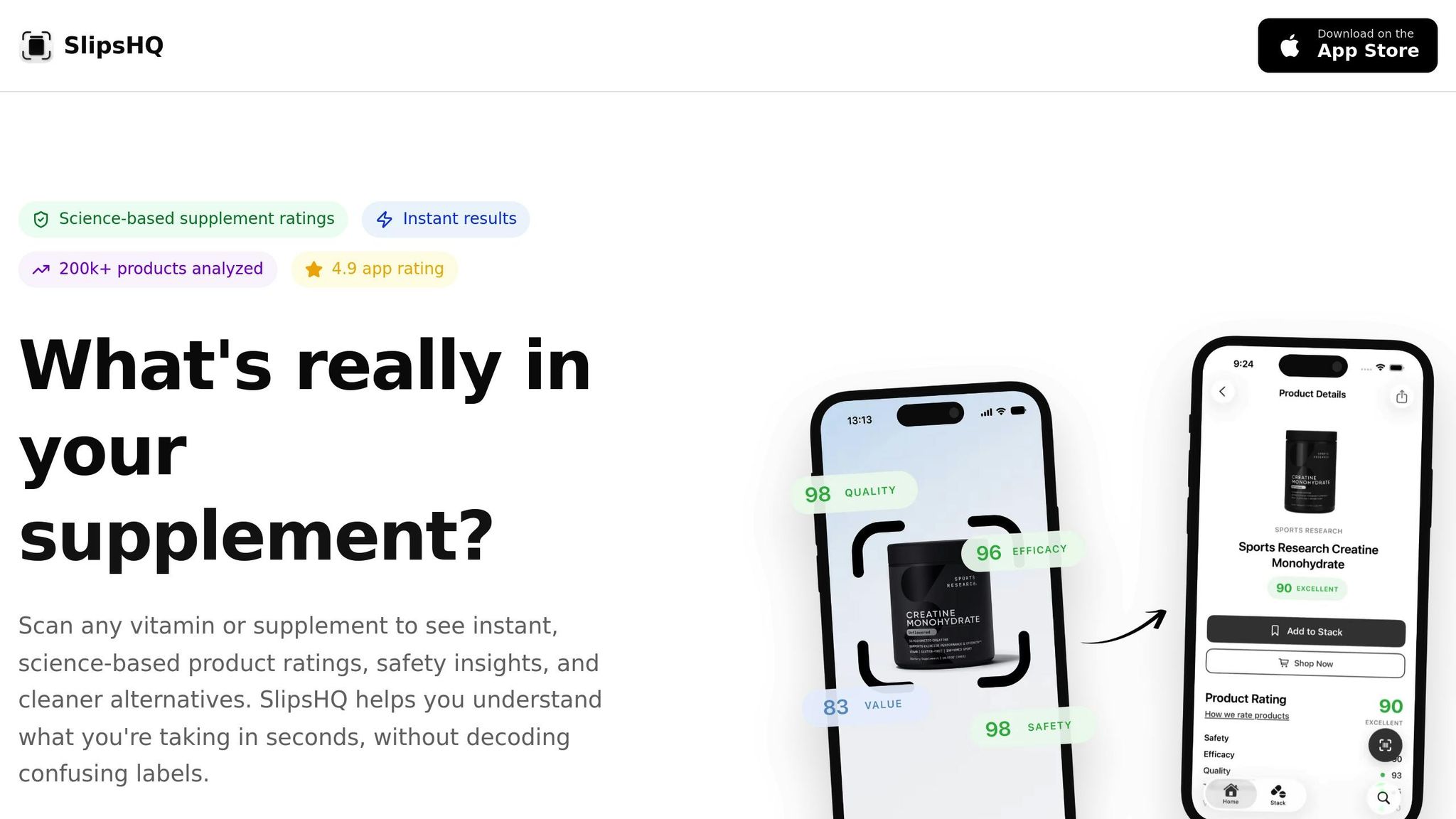
This is where SlipsHQ comes in. By scanning a supplement's barcode, the app provides instant, science-based ratings. It evaluates products against clinical study standards - such as ensuring they contain 3% rosavins and 1% salidroside - and flags any safety concerns, including risky ingredients or potential drug interactions. With this level of transparency, consumers can confidently choose supplements that align with the scientific evidence discussed here.
Conclusion
Rhodiola rosea has been extensively studied for its role in relieving stress and boosting mental performance, with findings from more than 70 clinical trials. It’s even recognized by the European Medicines Agency for helping with stress-related symptoms like fatigue and weakness. The plant’s effects come from several powerful mechanisms: balancing cortisol levels through HPA axis regulation, improving neurotransmitter activity (especially serotonin and dopamine), and protecting cells with heat shock proteins and antioxidant properties.
Clinical research backs these claims. Studies involving over 1,100 participants, including sleep-deprived military cadets and individuals experiencing burnout who took 200 mg daily, show consistent benefits. These include reduced irritability, better focus, and a more balanced cortisol response. This combination of mental and physical support makes Rhodiola a strong choice for managing stress.
One of Rhodiola’s standout qualities is how quickly it works. Its ability to both calm and energize makes it effective for mild to moderate stress, with noticeable improvements often seen within 1–4 weeks.
From cellular defense to mood regulation, Rhodiola offers a multi-faceted approach to stress relief. The evidence shows it’s especially helpful for those dealing with high-pressure situations, whether from demanding jobs, physical challenges, or mental exhaustion. By understanding how Rhodiola works, individuals can make smarter supplementation choices. With SlipsHQ ensuring product quality through rigorous clinical standards, consumers have a reliable way to select effective Rhodiola supplements.
FAQs
How does Rhodiola help regulate stress hormones like cortisol?
Rhodiola rosea is known for its ability to help the body manage stress by regulating cortisol levels. It works by supporting the hypothalamic-pituitary-adrenal (HPA) axis, which is central to controlling the body's stress response. By keeping cortisol levels in check, Rhodiola can ease both the physical and mental toll of stress, helping to promote a sense of calm and improved focus.
This herb is often praised for its role in boosting resilience during challenging times, making it a go-to option for those aiming to sharpen mental performance and maintain overall balance.
How does Rhodiola help with mental clarity and focus?
Rhodiola rosea is often praised for its ability to support mental clarity and focus, especially during stressful times. By helping to regulate cortisol levels, it can ease the mental fatigue that stress tends to bring.
Beyond that, Rhodiola may also enhance brain function by promoting better blood flow to the brain and supporting neurotransmitter activity. These effects can contribute to improved concentration and sharper cognitive performance. Its stress-balancing qualities make it a go-to option for people aiming to stay focused and mentally sharp when facing challenges.
What should I know about the safety of Rhodiola supplements?
When using Rhodiola supplements, safety should be a top priority. Pay attention to possible interactions with medications, as well as the supplement's stimulant-like effects or any potentially risky ingredients. To use these supplements safely, take time to examine the ingredient list, watch for any adverse reactions, and consult a healthcare professional before adding them to your routine. Tools that offer science-backed safety ratings can also make the process easier and give you extra confidence in your choices.