
Pre-Workout vs. Post-Workout Timing: Key Differences
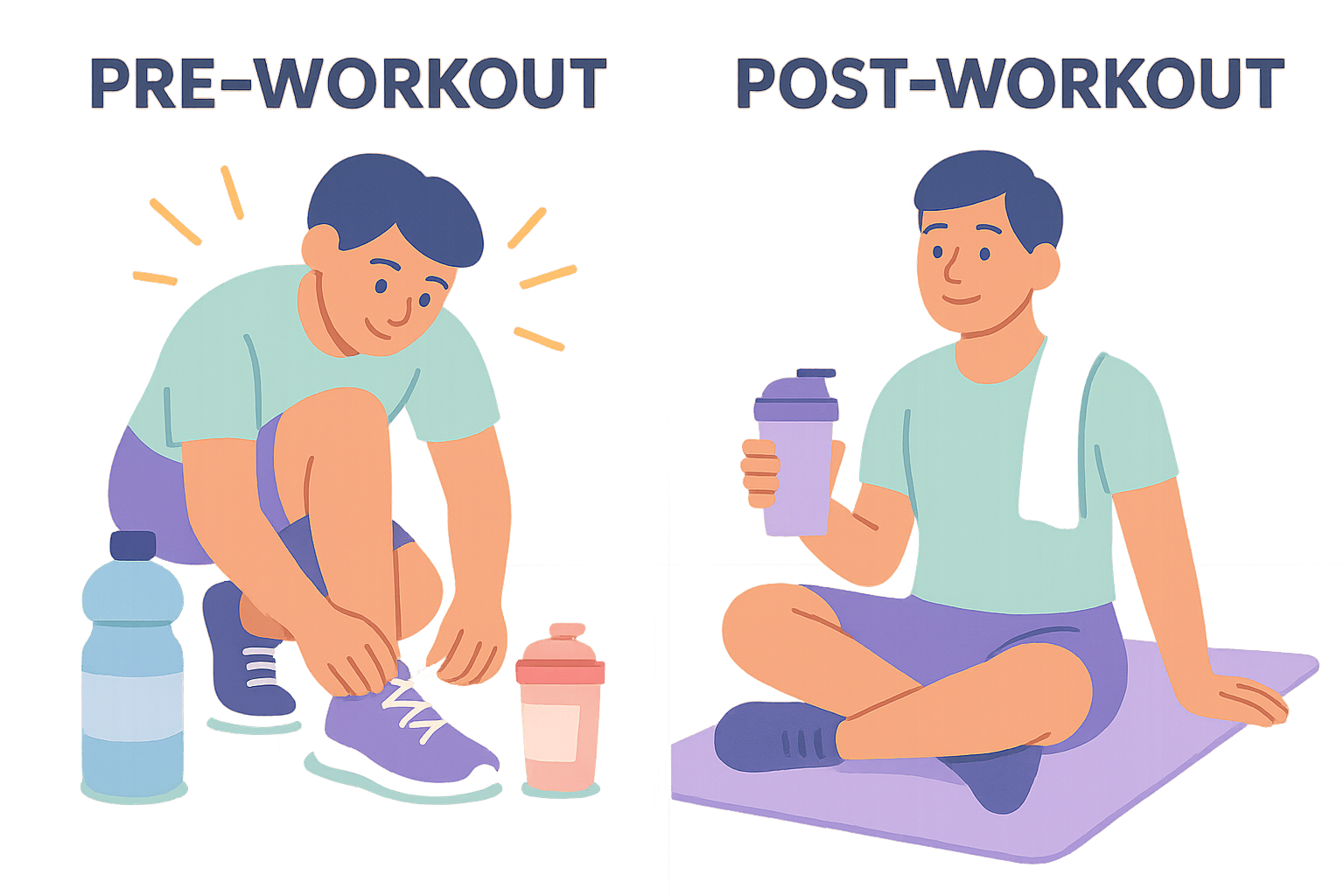
Timing matters when it comes to supplements. Pre-workout supplements are designed to boost energy and performance, while post-workout supplements focus on recovery and muscle repair. Proper timing ensures you get the most out of your efforts.
Key Points:
- Pre-Workout Timing: Take 20-60 minutes before exercise. Ingredients like caffeine, beta-alanine, and citrulline malate boost energy, focus, and blood flow.
- Post-Workout Timing: Consume within 45-60 minutes after exercise (or up to 2-3 hours). Protein, carbs, and BCAAs support muscle repair and glycogen replenishment.
- Main Difference: Pre-workout prepares your body for exertion; post-workout helps it recover and rebuild.
Quick Comparison:
| Aspect | Pre-Workout | Post-Workout |
|---|---|---|
| Timing | 20-60 minutes before exercise | Within 45-60 minutes (or up to 3 hrs) |
| Purpose | Boost energy and focus | Support recovery and muscle repair |
| Key Ingredients | Caffeine, creatine, beta-alanine | Protein, carbs, BCAAs |
Your supplement routine should align with your goals and schedule. Timing helps, but consistency and daily nutrition matter most.
Pre-Workout Supplement Timing
When to Take Pre-Workout Supplements
To get the most out of your pre-workout supplements, aim to take them 20-60 minutes before starting your warm-up. This timing aligns the peak effects of caffeine - typically 30 to 60 minutes after consumption - with the most demanding parts of your workout.
Caffeine's peak timing can vary depending on factors like your metabolism and when you last ate. By taking your supplement 30-60 minutes before training, you ensure that caffeine kicks in when you need it most: during those tough sets or high-intensity intervals.
However, if you're working out later in the day, avoid caffeine-containing pre-workouts within six hours of bedtime to prevent sleep disruptions. For evening sessions, consider switching to a caffeine-free option or adjusting your schedule to maintain proper recovery and sleep.
Now, let's break down the ingredients that make these supplements effective.
Common Pre-Workout Ingredients
Pre-workout supplements are packed with ingredients designed to enhance your performance. Here’s a closer look at the most common ones:
- Caffeine: This powerhouse ingredient is known for improving alertness, energy, and focus.
- Beta-alanine: Unlike caffeine, beta-alanine works over time by increasing muscle carnosine levels. With consistent use over 2-4 weeks, it can help improve endurance during high-intensity exercise.
- Creatine monohydrate: This staple supplement builds up in your muscles with daily use, boosting strength, power, and lean muscle mass over time. Taking creatine with carbohydrates can enhance its absorption by 25-50%, thanks to insulin-mediated transport.
- Citrulline malate: Known for increasing nitric oxide production, this ingredient improves blood flow, contributing to better muscle pumps during your workout. To maximize its benefits, take citrulline malate 30-60 minutes before training.
How Pre-Workout Timing Helps Performance
The timing of your supplements plays a crucial role in how effectively they support your workout. For instance, taking caffeine at the right time ensures heightened energy and focus when tackling your toughest sets or cardio intervals.
Citrulline malate’s ability to enhance blood flow means more oxygen and nutrients are delivered to your muscles, improving both performance and that sought-after muscle pump effect.
Beta-alanine, on the other hand, doesn’t provide immediate results. Instead, it builds up muscle carnosine levels with consistent daily intake, helping buffer acid during intense exercise. To avoid the tingling sensation beta-alanine can cause, consider splitting your daily dose of 3-6g across meals.
Consistency and timing are key to getting the most out of each ingredient. Tools like SlipsHQ can help you track your supplement schedule and create personalized stacks tailored to your training routine, making it easier to hit that optimal pre-workout window every time.
Post-Workout Supplement Timing
When to Take Post-Workout Supplements
The common advice is to take post-workout supplements within 45–60 minutes after finishing your workout. This timeframe, often called the "anabolic window", is thought to be when your body is most primed to absorb nutrients and kickstart muscle repair. However, newer studies suggest that this window might not be as rigid as once believed. In fact, the benefits of post-workout nutrition can extend up to 2–3 hours after exercising. So, while timing is important, staying consistent with your post-workout nutrition matters even more than rushing to get it in immediately.
Common Post-Workout Ingredients
Once you've nailed the timing, the next step is choosing the right ingredients for recovery. Post-workout supplements are designed to help your body recover, rebuild, and refuel. Here’s a breakdown of the key players:
- Protein: This is the cornerstone of recovery. Whey protein is a popular choice because it’s quickly absorbed and packed with essential amino acids that promote muscle repair. For a slower, steady release of nutrients, casein protein is a great option, especially for long-term recovery needs.
- BCAAs: Branched-chain amino acids (leucine, isoleucine, and valine) are known to support muscle protein synthesis. While they’re often included in supplements, you’ll also find them naturally in whole protein sources.
- Carbohydrates: These are essential for replenishing glycogen stores. Simple carbs like dextrose or maltodextrin provide quick energy recovery, while complex carbs offer a slower, more sustained release of fuel post-workout.
- Glutamine: Some supplements include glutamine, which may help with immune support and reducing muscle soreness.
- Electrolytes: Minerals like sodium, potassium, and magnesium are often added to replace what you lose through sweat and to support proper muscle function.
Each of these ingredients plays a role in helping your body recover faster and more effectively after a tough workout.
How Post-Workout Timing Helps Recovery
The timing of your post-workout nutrition directly impacts how well your body recovers. Protein helps repair muscle tissue by sustaining muscle protein synthesis for hours, while carbohydrates replenish glycogen stores and stimulate insulin release. This insulin spike improves the uptake of amino acids into your muscles, enhancing the recovery process.
Together, these nutrients not only repair muscles but also reduce soreness and improve recovery speed, helping you stick to your training schedule without unnecessary setbacks. Much like pre-workout planning, paying attention to post-workout timing ensures your body absorbs nutrients when your muscles are most ready to use them. Tools like SlipsHQ can be helpful for tracking your supplement timing and managing a recovery plan tailored to your needs, keeping your recovery process on track.
Pre-Workout vs Post-Workout: Main Differences
Side-by-Side Comparison Table
Here’s a quick breakdown of how pre-workout and post-workout supplements serve different purposes:
| Aspect | Pre-Workout | Post-Workout |
|---|---|---|
| Primary Timing | 15-45 minutes before exercise | Within 45-60 minutes after exercise |
| Main Goal | Boost energy and performance | Aid recovery and muscle repair |
| Key Ingredients | Caffeine, creatine, beta-alanine, citrulline | Protein, BCAAs, carbohydrates, glutamine |
| Physiological Effect | Enhances energy, focus, and blood flow | Promotes muscle repair and replenishes glycogen |
| Duration of Benefits | 1-3 hours during workout | 2-24 hours for recovery |
| Body State | Prepping for exertion | Rebuilding and recovery |
| Flexibility | Requires precise timing | Offers a broader timing window (up to 2-3 hours) |
Different Goals for Different Times
Pre-workout supplements are all about gearing up for action. They’re designed to fuel your body with energy, sharpen your focus, and get your blood pumping so you can tackle high-intensity training head-on.
On the flip side, post-workout supplements focus on recovery. After challenging your muscles, these supplements step in to repair tissue, restore glycogen, and prepare your body for future workouts. They’re essentially the tools your body needs to rebuild and recharge.
Timing is another key difference. Pre-workout supplements need to be taken at just the right moment - too early, and you risk running out of energy mid-session; too late, and you won’t feel the full effects. Post-workout supplements, however, are a bit more forgiving. While the old "anabolic window" suggested immediate consumption was crucial, newer research shows you have up to 2-3 hours to refuel effectively.
To get the most out of your training, tailor your supplement timing to match your goals. Pre-workout is ideal for boosting performance, while post-workout is essential for recovery and muscle growth. Many athletes rely on both, but understanding their distinct roles can help you prioritize and plan your regimen wisely.
For a more personalized approach, tools like SlipsHQ can help you organize your supplement timing and create stacks that fit your performance and recovery needs. By aligning your strategy with your goals, you’ll be better equipped to maximize your training results.
How to Choose and Time Your Supplements
What to Consider When Picking Supplements
Selecting the right supplements means aligning them with your workout style, fitness objectives, and day-to-day habits.
First, think about your workout type and intensity. If you're into high-intensity interval training or heavy lifting, pre-workout supplements with caffeine and creatine can provide the energy and strength you need. Meanwhile, endurance athletes might focus on post-workout options like carbohydrates and electrolytes to recover from long sessions.
Your fitness goals also play a big role. If you're aiming to build muscle, prioritize protein and amino acids after your workout. For a boost in energy or performance, pre-workout products with ingredients like beta-alanine or citrulline could be worth considering. On the other hand, those focusing on weight loss might need to tweak their supplement timing entirely.
Your dietary habits are just as important. For example, if you already get plenty of protein from food, you might not need as much from supplements. Vegetarians and vegans often benefit from specific amino acids that may be lacking in their diets. Timing meals and supplements together can also make a difference in how effective they are.
Don’t forget about your personal tolerance levels. Some people are sensitive to caffeine and need to avoid taking pre-workout supplements too late in the day to prevent sleep issues. Others may experience digestive discomfort with certain ingredients, requiring adjustments in dosage or timing.
Ultimately, tailoring your supplement routine to your schedule and body’s needs ensures you get the most out of them. It’s not just about what you take, but also when you take it.
Using SlipsHQ for Custom Timing Plans
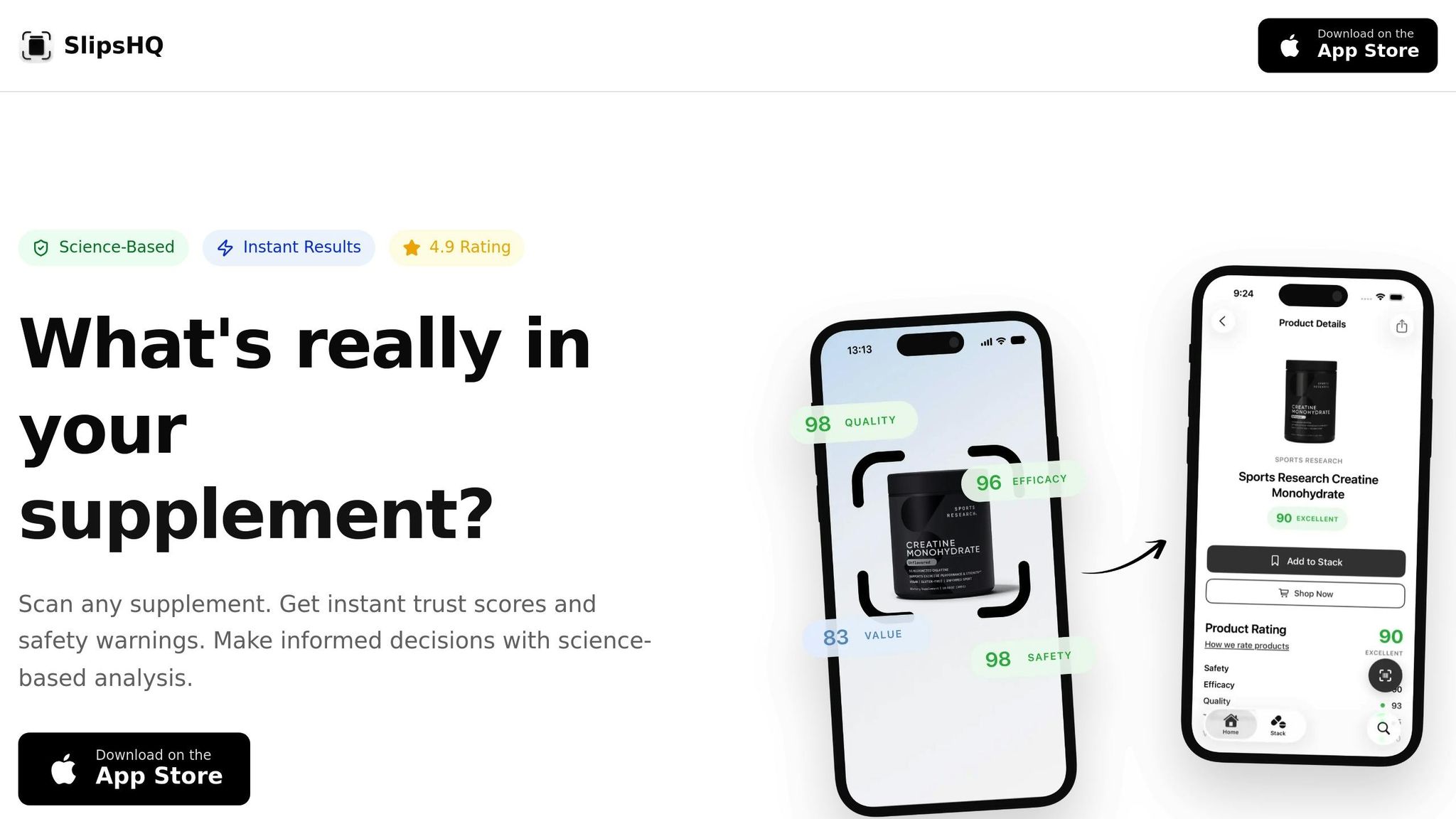
SlipsHQ’s mobile app simplifies the process of creating personalized supplement routines, helping you align your intake with your goals and lifestyle.
One standout feature is the app’s barcode scanner, which lets you quickly analyze any supplement. It provides science-backed trust scores and safety information, making it easier to compare products, especially when deciding between pre-workout or post-workout options.
Research shows that syncing supplement timing with your body’s natural rhythms can improve absorption by up to 50%. SlipsHQ’s personalized stack tool takes this into account, helping you organize supplements around your daily schedule. You can create separate stacks for pre-workout and post-workout needs, ensuring you’re taking the right supplements at the right times.
The app also helps avoid common supplement conflicts. For instance, taking calcium and iron together can reduce how well your body absorbs them. SlipsHQ flags these potential issues, guiding you to space out your supplements properly.
Dr. Andrew Brandeis, CEO of OK Capsule, highlights the importance of timing:
"The future of supplementation isn't just about what you take - it's about precisely when you take it. By combining chronobiology with AI-driven personalization, we're seeing unprecedented improvements in supplement efficacy."
Platforms like SlipsHQ are part of a broader shift toward more precise health solutions, analyzing hundreds of metrics to fine-tune supplement strategies. While SlipsHQ focuses on product analysis and timing, this level of customization is quickly becoming the standard.
The Truth About the 'Anabolic Window'
For years, people have fixated on the "anabolic window" - the idea that you must consume protein within 30 minutes of finishing a workout to maximize muscle growth. But newer research paints a different picture.
The post-workout window is actually 2-3 hours, not 30 minutes. This means you don’t need to sprint to the protein shake immediately after your last set.
In fact, pre-workout timing often matters more than post-workout timing. For example, caffeine needs time to take effect, so consuming it too close to your workout might not give you the boost you’re looking for. On the flip side, taking it too early could leave you feeling sluggish mid-session. Most pre-workout supplements work best when taken 15-45 minutes before exercise, leaving less room for error compared to post-workout timing.
What’s more important than timing is your overall daily nutrition. If you’re consistently eating enough protein and maintaining a balanced diet, the exact timing of your supplements becomes less critical. Instead of stressing over narrow windows, focus on consistency and quality.
Adopting this flexible approach can make it easier to stick with your routine. When you’re not obsessing over perfect timing, you’re more likely to stay consistent and see steady progress over time.
Pre- or Post-Workout Meals: What Science Says About Timing Your Nutrition
Conclusion: Timing Matters, but Make It Personal
Pre-workout supplements and post-workout supplements serve different purposes, and timing plays a key role in maximizing their benefits. Pre-workout supplements are most effective when taken 15–45 minutes before exercise, providing the energy, focus, and performance boost needed to power through your session. On the other hand, post-workout supplements focus on recovery and muscle building, offering a more flexible window - typically within 2–3 hours after your workout.
That said, timing isn’t a one-size-fits-all approach. Your daily routine and lifestyle should shape how you schedule your supplements. Whether you're an early riser or a night owl, finding a timing strategy that fits your schedule is more important than following rigid rules.
Even more essential than timing is consistency. A well-rounded, balanced diet does more for your overall fitness and energy levels than obsessing over the exact timing of supplements. Proper daily nutrition can often provide steadier energy than relying solely on pre-workout stimulants.
For those looking to simplify and personalize their supplement routine, tools like SlipsHQ can help. Its barcode scanning feature makes it easy to assess supplement quality and safety, while the personalized stack tool helps you organize your supplements around your workout schedule. This technology takes the guesswork out of timing and ensures your supplements work harmoniously with your routine.
FAQs
When should you take pre-workout supplements to maximize their benefits?
Timing is everything when it comes to pre-workout supplements. For the best results, take them about 15-30 minutes before your workout. This gives the ingredients enough time to kick in before you hit the gym. If your supplement includes caffeine, consider taking it 30-60 minutes before exercising to maximize energy and focus during your session.
Getting the timing right ensures that the key ingredients are working at their peak, helping you boost energy, improve endurance, and enhance overall performance right when it counts.
Why is the timing for post-workout supplements more flexible than pre-workout supplements?
After a workout, the timing for supplements isn’t as strict as it is before exercise. Post-workout supplements are mainly about helping your body recover - restoring glycogen levels and aiding muscle repair. These recovery processes don’t require immediate action and can happen over a longer period after your workout.
This means you have more leeway to fit post-workout supplements into your routine without feeling pressured, letting you prioritize recovery while keeping things convenient for your schedule.
What should I keep in mind when deciding between pre-workout and post-workout supplements?
When choosing between pre-workout and post-workout supplements, it all comes down to your fitness goals and how you structure your workouts.
Pre-workout supplements are all about giving you that extra push during your session. They’re packed with ingredients like caffeine for an energy boost and creatine to enhance strength and muscle performance. These can help you power through tough workouts with better focus and endurance.
On the flip side, post-workout supplements are designed to help your body recover and rebuild. They’re typically loaded with protein to aid muscle repair and carbohydrates to restore the energy you burned during exercise. If recovery and long-term muscle building are your focus, post-workout supplements are the way to go.
For a tailored supplement plan that aligns with your specific goals, tools like SlipsHQ can guide you in creating a personalized stack and schedule.