
Protein Powder Checklist: 8 Must-Have Features
When choosing a protein powder, it's not just about the protein content. The right product can support your fitness goals, health, and budget, while the wrong one can leave you with fillers, allergens, or even harmful ingredients. Here's a quick checklist of the eight key features to look for:
- Protein Quality: Ensure it contains all essential amino acids (complete protein). Whey, casein, and soy are excellent options. Look for at least 2.5–3g of leucine per serving for muscle growth.
- Transparent Labels: Avoid proprietary blends. Opt for clear ingredient lists with exact amounts and minimal additives.
- Third-Party Testing: Look for certifications like NSF, Informed Choice, or USP to confirm safety and label accuracy.
- Protein Content per Serving: Most powders offer 20–30g per serving. Match serving size to your fitness goals and daily protein needs.
- Added Ingredients: Check for sweeteners, allergens, and fillers. Natural options like stevia or monk fruit are better than artificial additives.
- Digestibility: Look for digestive enzymes (e.g., protease, lactase) or probiotics to reduce bloating and improve absorption.
- Dietary Preferences: Choose options that fit your needs - vegan, gluten-free, dairy-free, or keto-friendly.
- Price and Value: Calculate cost per serving and protein per dollar. Use tools like SlipsHQ to compare prices and quality.
Ultimate Protein Powder Guide (and What to AVOID)
1. Protein Quality and Amino Acid Profile
A good protein powder doesn’t just pack a lot of protein - it should also include all the essential amino acids your body needs for muscle repair and growth. Without these key amino acids, even a high protein count won’t deliver the full benefits.
Complete vs. Incomplete Proteins
Complete proteins contain all nine essential amino acids that your body can’t produce on its own. Whey protein, a milk-derived favorite, is one of the most studied and effective options. For a slower-digesting alternative, casein, also from milk, is ideal for nighttime recovery.
Plant-based proteins vary in completeness. Soy protein qualifies as a complete protein, while pea protein is often marketed as such, though it traditionally falls short in certain amino acids. Rice protein and hemp protein are considered incomplete but can be combined with other sources to create a more balanced amino acid profile.
Complete proteins are especially important because specific amino acids, such as leucine, directly influence muscle-building processes.
Key Amino Acids for Muscle Growth
Among amino acids, three stand out: leucine, isoleucine, and valine - known as branched-chain amino acids (BCAAs). Leucine is particularly important because it activates muscle protein synthesis, essentially kickstarting muscle repair and growth.
Research suggests that consuming 2.5–3 grams of leucine in a single serving is optimal for muscle protein synthesis. A 25-gram serving of whey protein typically hits this target. However, plant-based proteins may require a larger serving - around 30 grams or more - to achieve the same leucine levels.
Other amino acids, such as lysine, methionine, and threonine, also play critical roles. Lysine, for instance, supports protein synthesis and immune health but is often limited in plant-based proteins like rice or wheat.
When choosing a protein powder, check if the product provides an amino acid profile on its label or website. Transparent information helps you assess whether the protein aligns with your fitness goals.
Protein Digestibility and Quality
Digestibility is just as important as composition. The Protein Digestibility Corrected Amino Acid Score (PDCAAS) measures protein quality on a scale from 0 to 1, with 1.0 being the highest. Proteins like whey, casein, and soy often score a perfect 1.0, while some plant proteins score lower due to reduced digestibility.
Your choice of protein should match your training goals. For heavy resistance training, prioritize proteins rich in leucine and BCAAs. Endurance athletes, on the other hand, may benefit from a more diverse amino acid profile to support recovery and sustained energy levels.
2. Clear Ingredient Labels and Transparency
When it comes to protein powders, reading the label should feel straightforward. A clear, detailed label ensures you know exactly what you're consuming and helps you steer clear of products that use vague terms or misleading claims to mask questionable ingredients.
The protein powder market in the U.S. reached a staggering $9 billion in 2023. But with such a huge industry comes concerns about product quality. Some manufacturers use deceptive tactics to make their products appear better than they really are. That’s why ingredient transparency is your best defense. Here’s how to evaluate a label effectively.
Avoid Proprietary Blends
One of the biggest red flags on any supplement label is the term "proprietary blend." These blends group multiple ingredients together under a single weight, without specifying how much of each ingredient is included. For instance, a label might list "Muscle Building Blend: 5,000mg" and then name five ingredients, leaving you guessing whether you're getting an effective dose of the key components or mostly filler.
This lack of clarity can also hide practices like nitrogen spiking, where non-protein ingredients are added to inflate the protein content. While the label might claim 25 grams of protein per serving, the actual muscle-building protein could be much lower.
Choosing products with transparent labels - those that list exact ingredient amounts, such as "25g whey protein isolate" - ensures you’re getting what you pay for. Transparent labeling isn’t just about clarity; it’s a sign of a company’s commitment to quality.
Choose Simple Ingredient Lists
Another important tip: prioritize products with short, straightforward ingredient lists. High-quality protein powders don’t need a laundry list of additives. For example, a premium whey protein might include just whey protein isolate, natural flavoring, and a natural sweetener like stevia. Compare that to products with 20 or more ingredients, including artificial colors, synthetic preservatives, and hard-to-pronounce chemicals.
A study by the Clean Label Project revealed that nearly half of popular protein powders exceeded certain regulatory safety levels.
"The food industry owes their customers an open, honest, and transparent view of how clean their ingredients are." – Jaclyn Bowen, Clean Label Project
When scanning labels, keep an eye out for fillers that add little to no nutritional value. Common culprits include maltodextrin, corn syrup solids, and various gums. While small amounts of natural thickeners like xanthan gum are acceptable for texture, they shouldn’t dominate the ingredient list.
To further ensure quality, look for verified claims from independent third-party certification programs like Informed Protein. These programs can confirm that a product contains what the label promises. Brands that share testing results for contaminants, offer detailed nutritional breakdowns, and provide certificates of analysis or third-party lab results demonstrate confidence in their product’s quality.
3. Third-Party Testing and Safety Standards
Independent third-party testing plays a key role in ensuring the safety and quality of protein powders. Unlike prescription drugs, dietary supplements don’t require pre-market approval, which makes this extra layer of verification essential for protecting consumers.
Third-party testing confirms the protein content and checks for harmful contaminants like heavy metals, pesticide residues, and bacteria. This process ensures products meet strict safety and quality benchmarks, helping consumers make informed choices.
Trusted Certification Programs
Third-party testing not only supports label transparency but also solidifies a product's reliability. Look for certification seals from well-known organizations to ensure you're getting a safe product. For example:
- NSF International offers the Certified for Sport program, which verifies that products are free from banned substances.
- Informed Choice and Informed Sport, managed by LGC Science Group, test both raw materials and finished products to confirm compliance with safety standards.
- USP (United States Pharmacopeia) focuses on verifying ingredient identity, strength, purity, and overall quality.
- BSCG (Banned Substances Control Group) certifies products to ensure they don’t contain prohibited substances.
When shopping, check for these certification marks on the packaging or the manufacturer’s website. Many trusted brands also provide Certificates of Analysis (COAs) to confirm batch-specific testing results.
Testing for Harmful Contaminants
Third-party testing isn’t just about verifying protein content - it also involves screening for contaminants that could pose health risks. Tests typically cover heavy metals, pesticide residues, and microbial agents, and may also identify unlisted substances. Opting for products that openly share their COAs can give you added confidence in their safety.
Comprehensive testing throughout the production process reflects a brand’s dedication to delivering safe, high-quality products.
4. Protein Content per Serving
The amount of protein in each serving plays a big role in how well a supplement supports your fitness and health goals. Picking the right serving size can help you get the most out of your protein intake and your money.
Standard Serving Amounts
Most protein powders provide 20-50 grams of protein per serving, with the average scoop offering around 25-30 grams. However, serving sizes can vary widely depending on the brand and type of protein. For example, whey protein isolates often pack a higher protein concentration, sometimes reaching 35-40 grams per serving. On the other hand, plant-based protein blends might deliver 20-25 grams due to their naturally lower protein density.
Pay close attention to scoop sizes, as they directly affect how many servings you get per container. A larger scoop might mean more protein per serving, but it could also reduce the total number of servings. To ensure you're getting the best value, check the total servings in the container and calculate the cost per gram of protein.
Some high-end brands offer concentrated formulas with 40-50 grams of protein per serving. These are a great option for serious athletes or anyone with higher protein needs.
Match Protein to Your Goals
Once you understand standard serving sizes, the next step is to align them with your individual protein requirements. Your ideal protein intake depends on factors like your body weight, activity level, and fitness goals. For general fitness, most people need about 0.8–1.2 grams of protein per pound of body weight daily. Strength athletes and bodybuilders may require more, typically around 1.2-2.0 grams per pound.
Here’s how serving sizes can fit into specific goals:
- Muscle building: Aim for 25–40 grams of protein per serving, especially post-workout. Research suggests that consuming this amount within two hours after exercise optimizes recovery and muscle growth. For instance, if you weigh 150 pounds and your goal is muscle gain, you’d need about 180-300 grams of protein daily. A couple of servings of protein powder can make reaching that target much easier.
- Weight management: Protein servings of 20–30 grams can help with satiety and controlling hunger.
- Endurance training: Spreading 20–25 grams of protein throughout the day supports recovery and energy levels.
- Older adults: To preserve muscle mass, aim for 25-30 grams per serving. Aging bodies require slightly more protein to achieve the same muscle-building benefits.
When choosing a serving size, think about your daily eating habits. If your meals are already rich in protein, a smaller 20-25 gram serving might be all you need. But if you find it hard to hit your protein goals through food alone, opting for larger servings of 30-40 grams can help fill the gap more effectively.
5. Added Ingredients: Sweeteners, Fillers, and Allergens
When choosing a protein powder, it’s not just about the protein content. Added ingredients like sweeteners, fillers, and allergens can play a big role in how the product affects your digestion and overall well-being. Carefully reading ingredient labels helps you avoid additives that might trigger allergies or cause stomach issues. Plus, it’s worth examining the sweeteners to see if they align with your health goals.
Natural vs. Artificial Sweeteners
Sweeteners are often used to enhance the flavor of protein powders, but the type of sweetener matters for both taste and health. Artificial sweeteners like sucralose, aspartame, and acesulfame potassium are popular because they’re low in calories. However, some people experience side effects like bloating, headaches, or digestive discomfort when consuming them.
Natural sweeteners provide an alternative that may be easier on the body. Stevia, derived from the stevia plant, offers a calorie-free sweetness that has been used safely for years. Monk fruit extract is another natural option, known for its intense sweetness without affecting blood sugar levels.
Some protein powders skip sweeteners altogether or use natural flavor enhancers like vanilla extract or cocoa powder. If you’re sensitive to artificial additives or prefer to avoid them, look for products that clearly feature natural sweeteners on the label.
Sugar alcohols, such as erythritol and xylitol, are another option. They add sweetness with fewer calories than regular sugar but can cause digestive discomfort in large quantities, especially for those with sensitive stomachs.
Check for Common Allergens
It’s also crucial to check for allergens in protein powders, especially if you have dietary restrictions or sensitivities. Labels should clearly list any potential allergens.
- Dairy: Whey and casein protein powders are common sources of dairy allergens. Even plant-based powders can sometimes be processed in facilities that handle dairy, which could lead to cross-contamination.
- Soy: Soy is another frequent ingredient in protein blends and can be problematic for those with soy allergies. Even if the product isn’t soy-based, soy lecithin is often used as an emulsifier.
- Gluten: While many protein powders are naturally gluten-free, certain flavoring agents or production methods might introduce gluten. If you have celiac disease or gluten sensitivity, look for certified gluten-free options.
- Tree Nuts and Peanuts: Flavored varieties, especially chocolate or nut-flavored powders, may contain tree nuts or peanuts. Even unflavored powders could be processed in facilities that handle nuts, so check for “may contain” warnings if you’re highly allergic.
- Egg: Egg protein, often labeled as albumin or egg white protein, can be an issue for vegans or those with egg allergies.
Be mindful of other additives like artificial colors and preservatives, which can also cause reactions. Ingredients such as Red Dye 40 or Yellow 5 have been linked to sensitivities in some people. Preservatives like BHA, BHT, and sodium benzoate are sometimes included to extend shelf life but aren’t necessary in high-quality products.
Lastly, avoid fillers like maltodextrin, dextrose, and excessive gums. These add calories but provide no real nutrition. The best protein powders keep it simple, with ingredient lists of fewer than 10 items. They focus on the protein source, natural flavoring, and possibly a natural sweetener. Always choose products with transparent labeling and detailed allergen information to ensure they meet your dietary needs.
6. Digestibility and Absorption Support
Even the best protein powder won't do much good if your body struggles to digest and absorb it. Poor digestion can lead to bloating, gas, or discomfort - problems that might discourage regular use. If your digestive system can’t efficiently break down protein into amino acids, you’re not getting the full benefit, especially if you're relying on protein powder to help with muscle growth, recovery, or weight management.
Digestive Enzymes and Probiotics
To help with absorption, many protein powders now include digestive aids. Digestive enzymes are natural proteins that break down food into smaller, absorbable parts.
- Protease is the key enzyme for protein digestion. It works by breaking protein molecules into peptides and amino acids that your body can absorb. Some powders include protease blends, like bromelain or papain, to improve how thoroughly proteins are broken down.
- Lactase is essential for those using dairy-based protein powders. It helps reduce lactose-related bloating and discomfort, making these powders easier to digest.
Probiotics, on the other hand, support gut health, which plays a big role in nutrient absorption. A balanced gut microbiome can enhance protein synthesis and reduce inflammation that might interfere with digestion. Look for powders that include well-researched probiotic strains like Lactobacillus acidophilus or Bifidobacterium lactis. These strains are known to survive the manufacturing process and stay active in powdered form. Effective probiotic doses typically range from 1 billion to 5 billion CFUs (colony-forming units) per serving.
Some high-quality protein powders combine multiple digestive aids, such as protease blends, probiotics, and even prebiotic fiber to nourish beneficial gut bacteria. This well-rounded approach can make digestion smoother and more effective.
Added Fiber for Better Digestion
Fiber might not be the first thing you think of when it comes to protein powder, but it can play a helpful role. Soluble fiber slows digestion, which can prevent the stomach upset that sometimes comes with consuming large amounts of protein too quickly. It also helps stabilize blood sugar levels and keeps you feeling full longer.
- Inulin, a prebiotic fiber often derived from chicory root, is a popular addition. It feeds the good bacteria in your gut, supporting the probiotics included in some powders. Plus, it has a mildly sweet flavor that doesn’t overpower the taste of the protein powder.
- Psyllium husk absorbs water and forms a gel-like substance, helping protein move through your digestive system more smoothly. This can be especially useful if you’re consuming multiple protein servings daily.
That said, too much fiber can cause bloating or gas, especially if your diet isn’t already high in fiber. Start with powders that contain 3-5 grams of fiber per serving and increase gradually if needed. If you already eat a fiber-rich diet, you might prefer powders with little to no added fiber.
For even better digestion, look for protein powders that include enzyme blends combining protease with enzymes like amylase (for carbs) and lipase (for fats). These can be helpful if you mix your protein powder with other ingredients like fruits, oats, or nut butters.
Timing also matters. If you’re prone to stomach issues, try drinking your protein shake between meals instead of right before or after eating. This gives your digestive system time to focus on breaking down the protein without competing with other foods.
Lastly, everyone’s digestive tolerance is different. What works for one person might not work for another. If you’re new to protein supplements or have a sensitive stomach, start with smaller serving sizes and gradually increase them. Choosing a product with digestive support ingredients can make this transition much easier.
7. Dietary Preferences and Restrictions
Once you've ensured your protein powder is high quality and easy to digest, the next step is to align it with your dietary needs. Whether you're vegan, lactose intolerant, or have specific food allergies, the growing variety of protein powders on the market means there’s likely an option that fits your lifestyle.
Plant-Based vs. Animal-Based Proteins
Animal-based proteins like whey, casein, and egg white are popular for their complete amino acid profiles. However, they can pose challenges for some people. For instance, if you're lactose intolerant, even whey isolate - which has very little lactose - might still cause digestive discomfort. Egg white protein is naturally free of lactose, but it’s not suitable for those with egg allergies.
Plant-based proteins have come a long way in terms of both taste and quality. Pea protein is a standout choice, offering a good amount of branched-chain amino acids (BCAAs) and being easy to digest. Hemp protein not only provides all essential amino acids but also includes omega-3 fatty acids. Rice protein is another option, especially for those with sensitivities, though it’s lower in lysine, an important amino acid.
To address the limitations of single plant proteins, many brands now offer protein blends. For example, combining pea protein (rich in lysine but low in methionine) with rice protein (high in methionine but low in lysine) creates a more balanced amino acid profile, making these blends a solid alternative to animal-based powders.
Advances in processing and the addition of digestive enzymes have also improved the digestibility of plant-based proteins. These innovations make them increasingly comparable to animal-based options in terms of absorption and bioavailability.
Options for Dietary Restrictions
Protein powders now cater to a variety of dietary restrictions, including gluten-free, dairy-free, soy-free, sugar-free/keto-friendly, and allergen-free needs. Here’s a closer look at some of these considerations:
- Gluten-Free: While most protein powders are naturally gluten-free, cross-contamination during manufacturing can be an issue. Look for certified gluten-free labels if this is a concern.
- Dairy-Free: Beyond plant-based options, some people can tolerate whey isolate due to its minimal lactose content. For those needing completely dairy-free choices, coconut-based proteins are becoming more common, though they may have lower protein content per serving.
- Soy-Free: Many plant-based blends now avoid soy entirely, focusing instead on sources like pea, rice, and hemp for those with soy allergies or preferences.
- Sugar-Free and Keto-Friendly: For low-carb diets, look for powders sweetened with stevia, monk fruit, or erythritol instead of sugar or artificial sweeteners. Some are specifically designed to meet ketogenic macronutrient ratios.
- Allergen-Free: If you have multiple food sensitivities, allergen-free formulations are essential. Common allergens like milk, eggs, soy, tree nuts, peanuts, and gluten are often avoided in these products. Some brands even use dedicated facilities to prevent cross-contamination.
Pay close attention to "contains" and "may contain" labels on packaging. These warnings are legally required and can help you avoid allergens that might be present due to shared manufacturing equipment.
For those prioritizing ingredient sourcing, organic and non-GMO certifications provide added assurance. While these options may come with a higher price tag, they appeal to consumers who value transparency in sourcing and production.
Finding the right protein powder for your dietary needs can take some trial and error. Many companies now offer sample sizes or variety packs, allowing you to test different options without committing to a full-size container. This is especially helpful if you’re navigating multiple dietary restrictions. Ultimately, the best choice is one that aligns with your health goals, dietary needs, and taste preferences.
8. Price Comparison and Value
Once you've found protein powders that align with your dietary needs, the next step is figuring out which one gives you the best bang for your buck. Don’t let the price tag on the container fool you - what really matters is the cost per serving and how much actual protein you’re getting.
Calculate Cost per Serving
The smartest way to compare protein powders is by looking at the cost per serving, not just the total price on the label. For example, a $60 container might seem pricey compared to a $30 one, but if the $60 option has twice as many servings, they’re actually equivalent in value.
Here’s how to do the math: divide the total price by the number of servings. For instance, a $45 container with 30 servings costs $1.50 per serving, while a $35 container with 20 servings costs $1.75 per serving. In this case, the $45 option offers better value.
But there’s another layer to consider - protein content per serving. Let’s say Protein A costs $1.20 per serving and provides 20g of protein, while Protein B costs $1.50 per serving but delivers 30g of protein. If your goal is 30g of protein post-workout, you’d need 1.5 servings of Protein A (costing $1.80) versus just one serving of Protein B ($1.50). Suddenly, the “cheaper” option isn’t such a bargain.
It’s also crucial to verify that the protein content listed on the label matches what’s actually in the product. If a label exaggerates the protein per serving, you’re essentially paying for something you’re not getting, which can waste your money.
Use SlipsHQ for Price Comparison
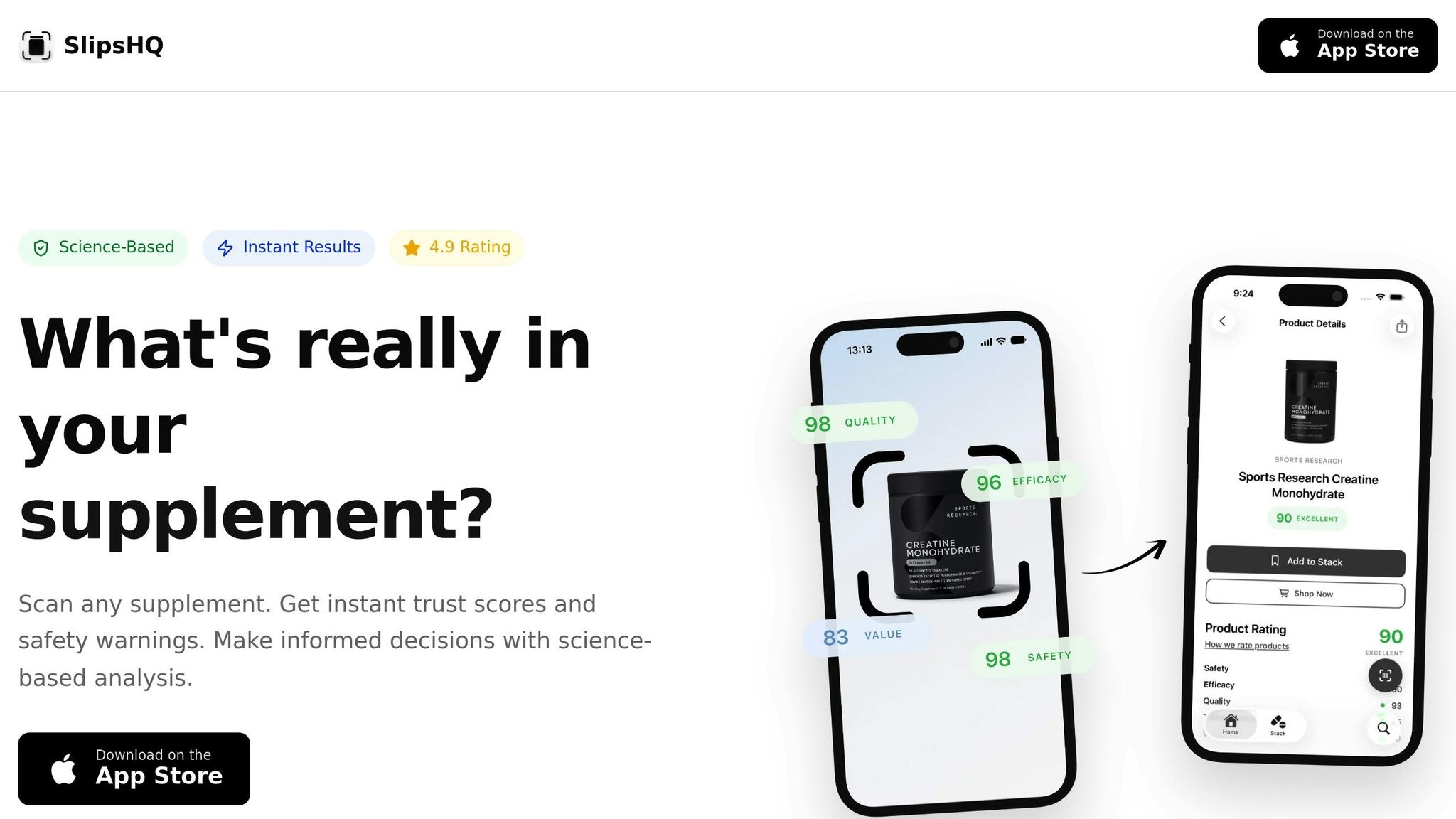
Manually crunching the numbers across dozens of protein powders can be tedious and time-consuming. That’s where tools like SlipsHQ come in handy. This app simplifies the process with features like barcode scanning, which instantly pulls up product details such as serving sizes and protein content. It also compares current prices across multiple retailers, saving you the hassle of bouncing between different websites.
What makes SlipsHQ stand out is its value rating system. Instead of just flagging the cheapest option, it considers factors like protein quality, serving size, and cost to generate a value score from 0–100. This helps you make smarter choices, balancing cost and quality. Sometimes, spending a little more on a higher-quality protein can be worth it in the long run.
Keep in mind that getting enough protein per meal is essential for muscle protein synthesis and meeting your body’s metabolic needs. If you’re not consuming enough protein per serving, even the most affordable option could be a waste of money.
Finally, think about container size relative to your usage. While larger containers often have a lower cost per serving, they’re only a good deal if you can finish them before they expire. Always check expiration dates, especially when buying in bulk or taking advantage of sales.
Conclusion
This guide highlights eight key features - from amino acid content to smart pricing - that can help you pick the right protein powder for your health and budget. Keep these tips in mind to make smarter supplement choices.
Since protein powders aren't regulated by the FDA, there's a chance they could include impurities or unlisted ingredients. Look for products with clear, transparent labels to avoid hidden additives and know exactly what you're putting into your body.
Remember, a high price tag doesn't always mean better quality. Focus on protein powders that offer clean, easily absorbed protein to support muscle growth, recovery, and your daily nutritional needs.
For a more efficient shopping experience, tools like SlipsHQ can simplify your search. By scanning a barcode, you can instantly access safety ratings, detailed product insights, and real-time price comparisons - saving you time while ensuring you choose a product that meets your standards for quality and value.
FAQs
How do I know if a protein powder has the right amino acids for my fitness goals?
When evaluating a protein powder for your fitness goals, it's essential to examine its amino acid profile. Specifically, make sure it contains all the essential amino acids: histidine, isoleucine, leucine, lysine, methionine, phenylalanine, threonine, tryptophan, and valine. These are vital for muscle repair, growth, and maintaining overall health.
You should also pay attention to the Protein Digestibility Corrected Amino Acid Score (PDCAAS). This score measures how well the protein's amino acids meet human nutritional needs and how easily the body can digest them. A higher PDCAAS indicates superior protein quality, making it a reliable metric when choosing a product to support your fitness journey.
Why is it important to choose protein powders with third-party testing certifications?
Choosing protein powders with third-party testing certifications is a smart way to ensure you're getting a product that meets strict safety and quality standards. These certifications confirm that the powder is free from harmful contaminants like heavy metals, pesticides, and banned substances, giving you peace of mind about what you're putting into your body.
Certified products also guarantee that the ingredient list on the label is accurate, so you know exactly what you're consuming. This is particularly important for athletes, individuals with specific dietary needs, or anyone focused on maintaining clean and effective nutrition.
What impact do sweeteners and fillers have on the quality and digestibility of protein powders?
Sweeteners and fillers in protein powders play a big role in their quality and how your body processes them. Artificial sweeteners or an overload of fillers can lead to bloating, discomfort, and might even lower the product's nutritional benefits. Plus, these additives are often used to hide lower-quality protein sources or unnecessary extras.
To make a smarter choice, opt for protein powders with fewer additives and clear, detailed labeling that lists every ingredient. This way, you can pick a product that truly supports your health and wellness goals.