
Protein Supplements for Teens: Safe or Risky?
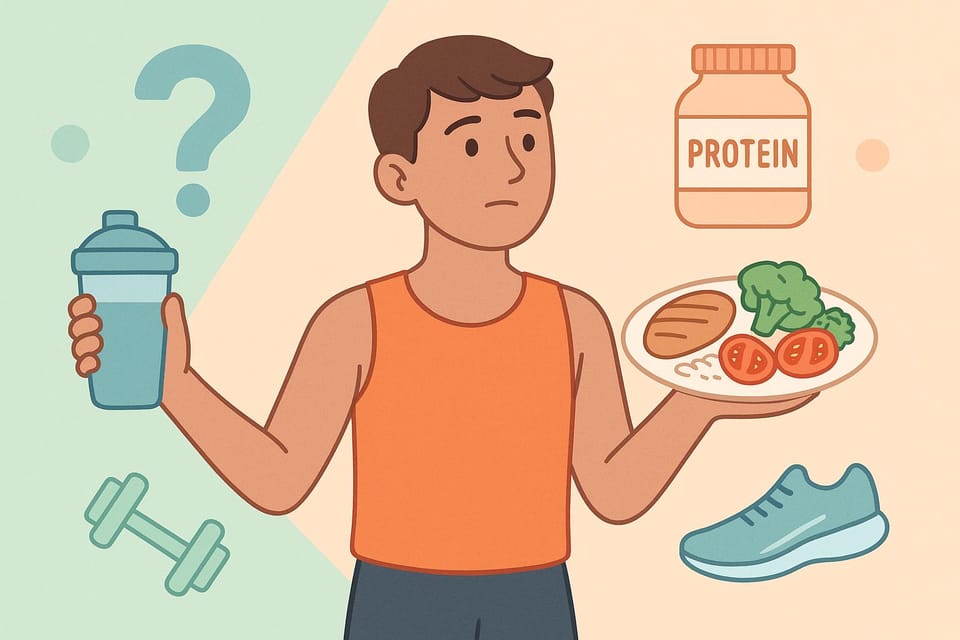
Most teens don’t need protein supplements. A balanced diet with foods like chicken, eggs, beans, and dairy already provides enough protein for healthy growth and athletic performance. But for student-athletes, vegans, or those with specific dietary needs, supplements can fill gaps when whole foods aren’t practical.
Key takeaways:
- Protein needs: Non-athlete teens need ~0.45 grams per pound of body weight daily; athletes may require 0.6–0.8 grams.
- Risks of supplements: Many powders and bars contain heavy metals, added sugars, or caffeine. Overuse can strain organs or displace nutrient-rich foods.
- Whole foods vs. supplements: Whole foods offer protein plus vitamins, minerals, and fiber. Supplements are convenient but lack these extras.
- Cost: Whole foods like eggs and beans are cheaper per gram of protein than supplements.
If you choose supplements, pick products with minimal additives and around 20 grams of protein per serving. Tools like SlipsHQ can help you check for safety and quality. But remember, supplements should complement - not replace - balanced meals.
1. Protein Supplements
Protein supplements - like whey, casein, plant-based options, shakes, and bars - promise benefits such as muscle growth, quicker recovery, and improved athletic performance. Typically, they provide 20–40 grams of protein per serving.
Nutritional Benefits
When used thoughtfully, protein supplements can be a practical option for certain teens. For instance, busy student-athletes balancing school, sports, and part-time jobs might find a protein shake or bar a convenient way to support muscle repair and recovery. While non-athlete teens generally need about 0.45 grams of protein per pound of body weight daily (around 45 grams for a 100-pound teen), teen athletes may require more - about 0.6–0.8 grams per pound (60–80 grams for a 100-pound teen).
Having 20–25 grams of protein along with 30–60 grams of carbohydrates shortly after exercise can help with recovery, especially if a full meal isn’t possible within one to two hours. This makes supplements particularly useful after late practices, during travel, or when access to nutrient-rich food is limited. For teens with high training demands, small appetites, restrictive diets (like vegetarian or vegan), or medical conditions that limit food intake, a quality protein supplement can help fill nutritional gaps that regular meals might not cover.
However, experts caution that adding extra protein through supplements doesn’t lead to bigger or faster muscle gains once daily protein needs are met. The body can only process so much protein at a time, so it’s important to use these supplements wisely.
Safety Profile
In the U.S., protein supplements are classified as dietary supplements, not medications, meaning they don’t need FDA approval before hitting shelves. This lack of regulation can lead to inconsistent quality across brands.
Investigations have revealed that many protein powders contain trace amounts of heavy metals like lead, arsenic, and cadmium, which can build up in growing bodies. Additionally, some products marketed as "muscle boosters" have been found to include anabolic steroids or experimental drugs like SARMs (Selective Androgen Receptor Modulators). These substances can lead to failed drug tests in sports and may pose unknown long-term health risks.
Beyond contamination, protein shakes and bars often contain added sugars, which can lead to excessive calorie intake, blood sugar spikes, and dental problems when consumed frequently. Some also include caffeine or other stimulants that may raise heart rates, increase blood pressure, or disrupt sleep.
Overuse of protein supplements can create other challenges. Many products offer 40–60 grams of protein per serving, far more than most teens need at one time. Consuming too much protein can lead to dehydration, strain on the kidneys and liver, and stomach discomfort, while also displacing nutrient-dense foods in the diet. Experts describe excessive protein supplementation as a "double-edged sword" for teens: while moderate use can help fill gaps, chronic or high-dose use may carry risks for heart, kidney, and metabolic health.
Parents and coaches should watch for warning signs like teens relying on shakes instead of meals, rapidly increasing their supplement intake, using unregulated "muscle-building" products, or combining protein powders with other risky supplements like pre-workouts or creatine without professional advice.
Tools like SlipsHQ can help families make safer choices. This app allows users to scan barcodes to check product safety, providing science-based trust scores, ingredient details, and alerts for risky additives or excessive stimulants. With over 200,000 supplements analyzed through a 35-point evaluation system, the app can flag products with high sugar content, harmful additives, or contamination risks, helping families avoid unsafe options.
Cost-Effectiveness
Protein supplements aren’t always the most budget-friendly choice. A large tub of protein powder costs between $25 and $60, which works out to about $0.75 to $2.00 per serving. Ready-to-drink shakes and protein bars are even pricier, typically ranging from $2 to $4 each.
When compared to whole foods, supplements often cost more per gram of protein. For example, a dozen eggs costing $3.00 provides about 72 grams of protein (roughly $0.04 per gram). Meanwhile, a $40 tub of protein powder with 30 servings at 25 grams each offers 750 grams total, or about $0.05 per gram. However, whole foods like eggs, milk, beans, chicken, and peanut butter also provide essential vitamins, minerals, and healthy fats that supplements lack.
Apps like SlipsHQ can help families evaluate whether a product’s price is reasonable for its quality, comparing costs across retailers to ensure better value. Still, the convenience of supplements comes with its own trade-offs.
Convenience
Protein supplements are undeniably convenient. For a teen juggling school, sports, and work, a protein bar or a quick shake can be far easier than preparing a full meal. This convenience is especially helpful after practice when the next meal might be more than an hour away.
However, relying too heavily on supplements can lead to unintended consequences. Teens might skip balanced meals in favor of quick shakes, turning supplements into meal replacements rather than occasional nutritional aids.
The key is to use supplements wisely. They should be reserved for times when a meal or snack isn’t readily available. Pairing shakes with fruits or whole grains can boost their nutritional value, and simple high-protein foods like Greek yogurt, trail mix, or turkey roll-ups can offer similar convenience without compromising diet quality. A well-chosen supplement can act as a short-term solution until the next balanced meal, but it should never replace a healthy eating pattern.
Families can also use tools like SlipsHQ to create personalized supplement routines that align with a teen’s actual protein needs. Striking the right balance between convenience and proper nutrition is essential for supporting a teen’s overall health.
2. Whole-Food Protein Sources
When it comes to meeting a teenager's protein needs, whole foods are the clear winner. Unlike supplements, they provide a natural balance of nutrients that support growth and development. Foods like chicken, fish, eggs, dairy, beans, and nuts not only deliver protein but also come packed with essential vitamins, minerals, and fiber - all vital during adolescence.
Nutritional Benefits
Whole-food protein sources offer a nutrient profile that supplements simply can't replicate. For example:
- Chicken breast: Delivers protein along with B vitamins and selenium.
- Beans: Provide protein, fiber, and complex carbs for steady energy.
- Greek yogurt: Packs 15–20 grams of protein per serving and adds calcium for bone health.
- Eggs: Contain all nine essential amino acids, making them a complete protein source.
These nutrients work together to support muscle growth, bone strength, immune health, and overall development. According to the Academy of Nutrition and Dietetics, most teens can meet their protein needs through a balanced diet, without relying on supplements. Whole foods naturally provide the full spectrum of nutrients needed for healthy growth - no extras required.
Safety Profile
Whole foods come with built-in safety and transparency. When you buy eggs, chicken, or beans, you know exactly what you're getting - no hidden ingredients or surprises. On the other hand, protein supplements can carry risks. Many are unregulated and may contain contaminants, excessive sugar, or even caffeine, which aren't ideal for teens. Sticking to whole foods eliminates these concerns, ensuring a safer, more trustworthy choice.
Cost-Effectiveness
Whole-food protein sources are also much easier on the wallet. Staples like eggs, canned beans, peanut butter, and chicken are affordable and widely available. For instance, a dozen eggs can provide multiple servings of high-quality protein for a fraction of the cost of a tub of protein powder. Plus, whole foods offer more bang for your buck - you're not just paying for protein but also for vitamins, minerals, and other nutrients. By focusing on these nutrient-rich options, families can stretch their grocery budgets while ensuring teens get the best nutrition.
Convenience
While supplements are often marketed as quick and easy, many whole-food protein options are just as convenient. Think trail mix, beef jerky, Greek yogurt, cheese sticks, nuts, chocolate milk, or hard-boiled eggs. These require little to no prep and are perfect for busy school days, sports practices, or on-the-go snacks.
For athletes, whole foods can be an excellent post-workout choice. A peanut butter sandwich with fruit or Greek yogurt with granola provides the recommended 20–25 grams of protein and 30–60 grams of carbs for muscle recovery. Even chocolate milk, with its ideal protein-to-carb ratio, outperforms protein powders as a recovery option.
With just a bit of planning, teens can have nutritious, portable snacks ready to go. Packing a small cooler with yogurt, cheese sticks, and hard-boiled eggs ensures they have easy access to whole-food options, reducing the temptation to rely on supplements as meal replacements.
Pros and Cons
Let's break down the differences between protein supplements and whole-food sources to help you weigh the benefits and drawbacks of each.
| Factor | Protein Supplements | Whole-Food Protein Sources |
|---|---|---|
| Nutritional Density | Provide concentrated protein (15–30 grams per serving), ideal for muscle recovery after workouts. However, they often lack the naturally occurring vitamins, minerals, fiber, and healthy fats that whole foods offer. | Deliver high-quality protein along with essential nutrients like B vitamins, calcium, and fiber, which are crucial for overall growth and hormonal health. These nutrients help prevent gaps in the diet. |
| Safety Profile | Since they are not pre-approved by the FDA, some products may contain contaminants like heavy metals. Overuse and inaccurate labeling are also concerns. | Whole foods adhere to established food-safety standards and have a long history of safe consumption, with no risks of contamination or mislabeling. |
| Cost-Effectiveness | A tub usually costs $20–$60, averaging $1–$2 per serving. While convenient, daily use can add up quickly. | Foods like eggs, beans, canned tuna, peanut butter, and milk often provide more protein per dollar, along with essential nutrients, making them a more budget-friendly choice over time. |
| Convenience | Easy to carry and require little to no preparation, making them a practical option for teen athletes needing quick post-workout nutrition or those with busy schedules. | Options like string cheese, yogurt, jerky, or peanut butter sandwiches are portable and nutrient-rich. With some planning, families can pack these grab-and-go choices for similar convenience. |
This comparison underscores an important point: the best choice depends on individual needs. While whole foods provide a broader spectrum of nutrients essential for teen development, supplements can serve as occasional aids in specific situations. For instance, busy athletes or teens with restricted diets may benefit from supplements when their regular meals fall short.
Most teens in the U.S. can meet their protein needs through balanced meals. Supplements should only be used under the guidance of a pediatrician or registered dietitian. If supplements are necessary, look for products with around 20 grams of protein per serving, minimal additives, and verified purity. Tools like SlipsHQ can help families make informed decisions by offering barcode scanning, ingredient reviews, safety alerts, and price comparisons across retailers.
It’s also important to remember that supplements should complement - not replace - nutrient-rich meals that include fruits, vegetables, whole grains, and healthy fats. When teens do use supplements, encourage them to stay hydrated and watch for signs of digestive discomfort or other symptoms that might indicate overuse.
Conclusion
Most healthy teens in the U.S. get all the protein they need from balanced meals and snacks, making protein supplements unnecessary for those with a well-rounded diet. Whole foods like chicken, eggs, dairy, beans, and nuts provide not just protein but also essential vitamins, minerals, and fiber - nutrients often missing in protein powders and bars. For the majority of teens, focusing on whole-food protein sources at each meal and spreading intake throughout the day is enough to meet the recommended 0.45 grams of protein per pound of body weight for non-athletes, or 0.6–0.8 grams per pound for athletes.
That said, there are certain situations where supplements might be helpful. Teens who are serious athletes with intense training schedules, those following vegetarian or vegan diets, or those who are underweight or have medical conditions that limit food intake may benefit from a protein shake or bar - typically around 20 grams of protein after a workout. Consulting with a healthcare professional can help determine if supplements are necessary, set individualized protein goals, and monitor for any potential side effects.
It’s important to recognize the risks of overusing protein supplements. Consuming too much protein can lead to dehydration, digestive problems, organ strain, and unwanted weight gain. Additionally, unregulated supplements might contain harmful contaminants like heavy metals, mislabeled ingredients, or even anabolic steroids. Many teens in the U.S. already eat more protein than their bodies require, and adding powders or shakes on top of a typical diet can easily push intake beyond what’s healthy. Products with high levels of added sugar or caffeine can also negatively impact sleep, mood, and weight management.
If your family decides to use supplements, it’s essential to make informed choices. Look for products with around 20 grams of protein per serving, minimal additives, and certifications from third-party testing organizations. Tools like SlipsHQ can simplify this process by letting you scan barcodes to review safety and quality scores, compare ingredient purity, and check pricing across U.S. stores. This transparency ensures that any supplements used are selected thoughtfully and ideally reviewed with a healthcare professional.
FAQs
Are protein supplements safe for teenagers, and what risks should they watch out for?
Protein supplements can be a safe option for teenagers if used thoughtfully, but there are some risks worth keeping in mind. Overdoing it with supplements can lead to consuming too much protein, which might put stress on the kidneys and cause digestive discomfort, like bloating or an upset stomach. Plus, certain products may include additives, contaminants, or unverified ingredients that could be harmful.
To minimize these risks, teens should focus on getting their protein from whole foods such as lean meats, eggs, dairy products, beans, and nuts. If supplements are deemed necessary, it's important to select products from trusted brands with clear labeling and third-party testing for safety. Tools like SlipsHQ can also help parents and teens assess the quality and safety of supplements, offering science-based insights to guide their choices. As always, consulting a healthcare provider before adding supplements to a teenager's diet is a smart move.
How can teens and parents make sure their protein supplements are safe and effective?
When choosing protein supplements, teens and parents should focus on a few key factors: look for clear ingredient labels, steer clear of unnecessary additives, and research the product's safety and effectiveness. SlipsHQ simplifies this process by offering science-based ratings, detailed safety information, and insights into ingredient quality. With features like barcode scanning and tailored recommendations, it empowers users to select supplements that match their health objectives with confidence.
When might teens need protein supplements, and how can they use them safely alongside a balanced diet?
Protein supplements can be useful for teens who have higher protein demands due to intense sports, physical activities, or dietary restrictions that make meeting those needs through food alone difficult. That said, they should never take the place of whole foods like lean meats, dairy, eggs, beans, or nuts, which offer much more than just protein - they're packed with essential vitamins and nutrients.
For safe use, teens should talk to a healthcare provider or nutritionist to figure out if they actually need supplements and which type would work best. Overdoing it with protein supplements can lead to unnecessary calories or even put extra strain on the kidneys. The priority should always be a well-rounded diet, with supplements acting as a backup when absolutely necessary.