
5 Red Flags That Show Your Supplements Are Fake
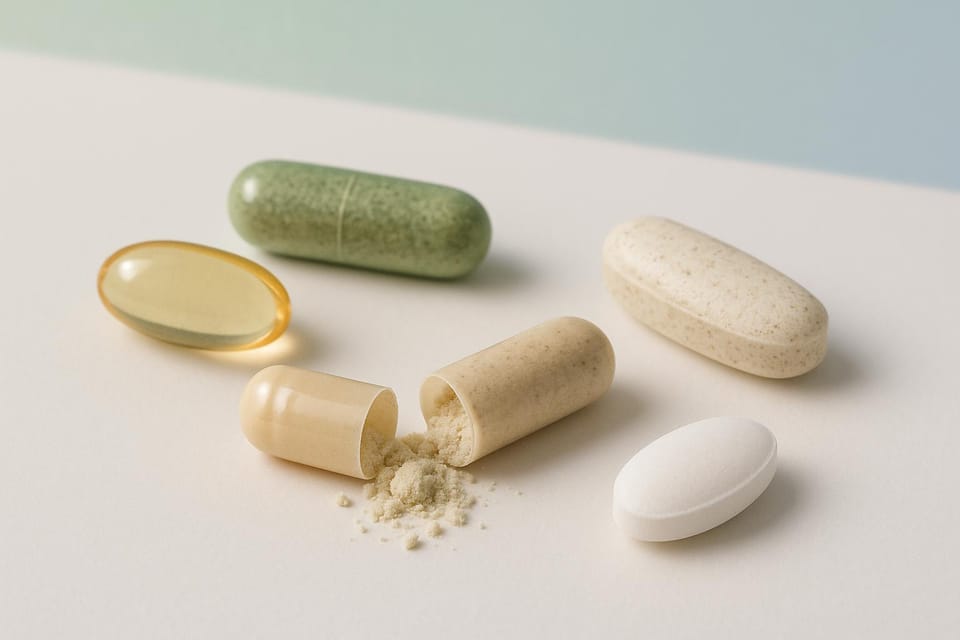
Fake supplements are a growing problem, putting both your health and money at risk. Counterfeit products often look convincing but may lack active ingredients or contain harmful substances. Here are five key signs to help you identify fake supplements:
- Poor Labeling: Look for typos, blurry text, or missing details like ingredient lists or expiration dates.
- No Third-Party Testing: Trusted brands display certifications like USP, NSF, or ConsumerLab.com to confirm product quality.
- Suspiciously Low Prices: If the price seems too good to be true, it likely is. Counterfeits often cut corners with cheap or harmful ingredients.
- Lack of Transparency: Reliable companies provide clear sourcing, manufacturing, and batch tracking information. Avoid brands hiding these details.
- Odd Appearance or Smell: Pills or powders should look and smell consistent. Cracked tablets, strange odors, or clumpy powders are warning signs.
Stay safe by inspecting labels, verifying certifications, and trusting your instincts. When in doubt, choose brands with a proven track record and transparency.
How to detect a scam supplement (3 easy tests) | Dr. Jen Gunter
1. Poor or Inconsistent Labeling
Take a close look at the label - errors here can be a clear sign of a counterfeit product. Pay attention to the packaging details and the information provided to verify its legitimacy.
Signs of Counterfeit Packaging or Labeling Errors
Mistakes like spelling errors, mismatched fonts, or low-quality printing on supplement packaging are major warning signs of fake products. Be on the lookout for misspelled ingredient names or unclear instructions. If the text style or size seems inconsistent, or if the printing looks blurry and unprofessional, it could indicate subpar manufacturing.
Transparency and Completeness of Product Information
Beyond how the label looks, the information it provides is just as important. A legitimate supplement label will include detailed and accurate product information. Missing details, like a complete ingredient list, dosage instructions, or an expiration date, can be a red flag. For instance, a proper ingredient list should name each active component clearly, avoiding vague or generic terms. Additionally, precise dosage instructions are critical to ensure safe use.
2. Missing Third-Party Testing or Certification
Third-party testing plays a key role in confirming a supplement's contents. When companies skip this step, it leaves you guessing about what’s actually in the bottle. This kind of verification is essential for building trust and ensuring the product matches its claims.
Presence or Absence of Third-Party Certifications
Reputable supplement manufacturers proudly display third-party certification seals on their packaging. These seals aren’t just for show - they signify that an independent organization has verified the product’s ingredients and safety standards.
Look for seals from trusted organizations like US Pharmacopeia (USP), NSF International, ConsumerLab.com (CL), or UL Solutions. Each certification focuses on specific quality checks. For instance, USP verification ensures the product contains the listed ingredients in the stated amounts and is free from contaminants like heavy metals or microbes. Similarly, NSF/ANSI 173 certification confirms that experts, including chemists and toxicologists, have validated the supplement’s label accuracy. ConsumerLab.com also conducts independent testing to check for contamination and adulteration across various brands.
"A USP-verified product means it contains the listed ingredients at the strength indicated - and is not contaminated with any other substances, such as heavy metals or microbes."
- Dr. Simon Yeung, Pharmacist and Herbalist, Memorial Sloan Kettering
Transparency of Company Details and Traceability
Beyond certifications, transparency is another hallmark of trustworthy supplement brands. Reliable companies openly share details about their sourcing, manufacturing processes, and third-party testing on their websites. Many even publish their testing results, allowing you to verify the information firsthand.
A lack of independent certifications is a serious warning sign. Without third-party testing, there’s no assurance that the product is safe, free from harmful substances, or even contains the ingredients listed on the label. These certifications help bridge regulatory gaps, offering an extra layer of protection for your health and your money.
3. Unusually Low Prices or Unrealistic Claims
Spotting a supplement with an unusually low price? That’s a major red flag for counterfeits. These fake products are often sold at steep discounts to lure in unsuspecting buyers, but the reality behind these bargains is concerning.
Take a moment to familiarize yourself with standard supplement prices. If you stumble upon a product priced significantly lower than what reputable brands typically charge, it’s worth pausing to question its authenticity. Counterfeiters manage these rock-bottom prices by cutting corners - using cheap, low-quality, or even harmful ingredients. Sometimes, they skip the active ingredients altogether, dodging proper manufacturing protocols, quality checks, and regulatory compliance. And it’s not just budget items; even high-end supplements are rarely sold at a fraction of their usual price, especially by unknown sellers.
If the price seems too good to be true, it probably is. Your next step? Check if the product provides clear information about its sourcing and traceability.
4. Missing Transparency or Traceability
Transparency of Company Details and Traceability
When it comes to supplements, transparency isn't just a bonus - it's a necessity. Counterfeit products often thrive in the shadows, concealing their origins and leaving consumers at risk.
Reputable manufacturers make it easy to verify their credibility. They provide a physical address and phone number, share details about how and where their ingredients are sourced, and include batch numbers with expiration dates that can be traced back to specific production runs. On the flip side, companies that rely on vague P.O. box addresses, omit contact information, or fail to disclose sourcing details raise immediate red flags. These gaps in transparency often signal an unwillingness to be held accountable. Just like third-party testing, traceability plays a critical role in ensuring a product is safe to use.
Some trustworthy brands go a step further by offering QR codes or online portals for batch tracking. With these tools, you can enter your product's batch number and access detailed information about that specific bottle - everything from manufacturing processes to ingredient origins and quality test results. This level of openness is quickly becoming the industry standard.
Without proper traceability, you're left in the dark. You can't confirm if a product has been recalled, if it’s contaminated, or if it was manufactured under unsafe conditions. Knowing what you’re putting into your body - and where it came from - is essential for your health.
If a company refuses to provide clear, verifiable information about their product's journey from raw materials to your shelf, it’s a strong signal to take your business elsewhere.
5. Strange Appearance, Smell, or Texture
Physical Quality and Consistency of the Product
Your senses can be your first line of defense when it comes to spotting counterfeit supplements. Genuine products are made with precision, showing consistent quality, while counterfeits often reveal themselves through visible flaws.
Pills should look uniform, with smooth surfaces and consistent coloring. Be cautious if your tablets appear cracked, have a bubbled coating, or crumble easily. Capsules, too, should be intact, without dents or uneven shapes.
"Legitimate pills will always have a factory-made appearance. If your tablets are cracked, have a bubbled-up coating, or are crumbly, take notice. Moldy pills or jars containing excess powder or crystals should also be considered suspicious." - Amy Callanan, Global Intelligence Lead, Pfizer Global Security
Powder supplements need careful inspection as well. They should have a free-flowing consistency, without clumps or unexpected textures. Signs like mold, unusual crystals, or excessive moisture are clear indicators of contamination. For instance, in February 2024, a ConsumerLab.com member shared an alarming experience with Horbaach glycine powder purchased on Amazon. Unlike the dry, fine texture of other glycine powders they had used, this one felt like "wet sand" and was "very moist." After experiencing a return of joint pain, they contacted Horbaach and were advised to stop using it immediately. Amazon refunded their purchase, even though the return window had expired.
Pay attention to smell and taste as well. Authentic supplements typically have mild, neutral odors and tastes. If a product smells overly strong or has an unpleasant aftertaste, it’s worth questioning its authenticity.
"Whether it's a powder or capsule, examine the supplement for an abnormally pungent smell or irregular texture. A patient taking a counterfeit supplement may report that the product has an unusual smell or bad aftertaste." - Jayelah Bush, BScN, Fullscript
Compare with previous purchases when possible. If you've used the same supplement before, check for changes in color, size, or shape. Counterfeit products often fail to match the exact specifications of the original, making these differences easier to spot.
Careful examination of your supplements can help you steer clear of potentially harmful counterfeits. Trust your senses - they can reveal more than you think.
Comparison Table
Let’s take a closer look at how digital verification through SlipsHQ enhances traditional inspection methods. While manual methods can identify some red flags, they often fall short in terms of efficiency and depth. Here's a side-by-side comparison of manual methods and SlipsHQ in spotting key red flags:
| Red Flag | Manual Detection Method | SlipsHQ Features | U.S. Regulatory Support |
|---|---|---|---|
| Poor or Inconsistent Labeling | Inspecting packaging for typos, blurry text, or missing FDA disclaimers | Barcode scanning gives instant access to verified product details and trust scores (rated 0-100) | FDA mandates specific labeling standards under DSHEA; violations can be reported through FDA MedWatch programs |
| Missing Third-Party Testing | Manually searching manufacturer websites or contacting companies for certification details | Access to a database of over 200,000 supplements with quality ratings and transparency scores | NSF International and USP offer voluntary certifications; FDA does not require pre-market testing |
| Unusually Low Prices | Comparing prices across retailers and checking against suggested retail prices | Real-time price comparisons paired with value ratings to flag suspiciously low discounts | FTC monitors deceptive pricing practices, and consumers can report issues through FTC Consumer Sentinel |
| Missing Transparency | Researching company background, manufacturing locations, and ingredient sourcing via online searches | Transparency ratings on manufacturing practices, ingredient origins, and company information | FDA enforces current Good Manufacturing Practices (cGMP) compliance; facilities are subject to inspections |
| Strange Appearance or Texture | Relying on physical inspection | Safety alerts and drug interaction warnings supplement physical inspection findings | FDA’s adverse event reporting system (FAERS) tracks health concerns linked to supplements |
This comparison highlights the advantage of using modern digital tools alongside traditional inspection methods. Digital tools provide instant access to databases, real-time safety notifications, and personalized insights, all of which save time and reduce the risk of missing critical details.
For the most reliable results, combine digital analysis for thorough reviews with physical inspections for quick, on-the-spot evaluations. Together, they create a more dependable system for verifying supplement safety and authenticity.
Conclusion
To safeguard your health, it's crucial to verify every supplement you consider. In today’s crowded market, counterfeit products are a growing concern. The five red flags we’ve outlined - poor labeling, missing third-party testing, suspicious pricing, lack of transparency, and unusual physical characteristics - are essential warning signs to help you steer clear of potentially harmful supplements.
Beyond recognizing these red flags, take advantage of verification tools to ensure your safety. Combine traditional inspection methods with digital solutions like SlipsHQ, which can quickly analyze and flag potential issues. These tools provide a reliable way to confirm a product’s authenticity and quality.
Be proactive before making your next purchase. Check barcodes, verify certifications, and trust your instincts. Legitimate supplement companies embrace scrutiny - they prioritize clear labeling, rigorous testing, and transparency because they believe in the quality of their products.
As counterfeiters become more sophisticated, staying informed and using trusted verification methods is more important than ever. By recognizing the red flags and relying on both physical checks and digital tools, you’re not just protecting your wallet - you’re actively safeguarding your health and ensuring that the supplements you choose truly support your wellness journey.
Don’t take chances - verify every supplement before buying. Stay vigilant, verify before you buy, and rely on tools designed to keep you safe.
FAQs
How can I tell if a supplement has been tested by a trusted third-party organization?
To determine if a supplement has been third-party tested, start by examining the label for certifications from well-known organizations like the U.S. Pharmacopeia (USP) or ConsumerLab. These marks confirm the product has been independently evaluated for its quality, purity, and ingredient accuracy.
If you don’t see any clear mention of third-party testing on the packaging, head over to the manufacturer’s website or reach out to them directly for clarification. Brands that prioritize quality are typically open about their testing procedures and certifications.
How can I make sure the supplements I buy online are authentic and safe?
When it comes to ensuring your supplements are safe and genuine, it's best to stick with the brand's official website or trusted, authorized retailers. If you're shopping on platforms like Amazon, make sure the product is either sold directly by the brand or through an authorized seller - and ideally shipped by Amazon for added security.
Keep an eye on the packaging. Things like misspellings, odd fonts, or inconsistent design can be red flags for counterfeit products. Also, prioritize supplements that have been tested and certified by reputable third-party organizations such as NSF International or the United States Pharmacopeia (USP). Lastly, take some time to dig into the brand's practices - learn about how they source their ingredients and handle manufacturing. This extra step can give you better insight into their commitment to quality and transparency.
How can I verify if a supplement is authentic and safe before purchasing it?
To make sure a supplement is both genuine and safe, it’s best to stick with reputable retailers or buy directly from brands you trust. Take a close look at the packaging - any signs of tampering, mistakes, or missing details are red flags. A professional-looking label should clearly list the ingredients, expiration date, and the manufacturer’s contact information.
Check for third-party testing certifications like USP or NSF, which show the product has been independently reviewed for quality. It’s also a good idea to consult the FDA’s health fraud database to see if there have been any warnings or recalls related to the product. Lastly, spend some time researching the brand and reading customer reviews to help you make a well-informed choice.