
Top 7 Risks of Unapproved Supplement Ingredients
Unapproved supplement ingredients can pose serious health risks. Here’s what you need to know:
- Hidden Pharmaceuticals: Many supplements contain undeclared drugs like sildenafil, sibutramine, or steroids, leading to severe side effects.
- Heart and Organ Damage: Contaminated products have caused heart issues, liver toxicity, kidney damage, and even death.
- Regulatory Gaps: Supplements aren’t tested like prescription drugs, and the FDA lacks authority to mandate recalls.
- Repeated Violations: Some manufacturers reformulate products with new unapproved ingredients, even after FDA warnings.
- Undisclosed Interactions: Hidden drugs can dangerously mix with medications, putting users at risk.
- Athlete Risks: Contaminated products have led to anti-doping violations and career setbacks.
- Consumer Harm: Over 339 deaths and nearly 4,000 hospitalizations have been linked to tainted supplements.
Protect yourself by consulting healthcare providers, checking FDA databases, and using tools like SlipsHQ to verify supplement safety before purchase.
1. Heart Problems from Sexual Enhancement Supplements
Sexual enhancement supplements can pose serious health risks. Between 2007 and 2016, the FDA identified 353 contaminated sexual enhancement supplements out of 776 adulterated products - nearly half of all flagged supplements during that period. These products often contain hidden pharmaceutical ingredients that are not disclosed to consumers.
Hidden Ingredients in Contaminated Supplements
One of the most common undeclared ingredients is sildenafil, the active component in Viagra. The FDA found sildenafil in 47% (166 out of 353) of the tainted sexual enhancement supplements they analyzed. Manufacturers often include sildenafil to mimic the effects of prescription drugs while avoiding FDA scrutiny. Alarmingly, 20.2% of these adulterated supplements (157 products) contained more than one hidden pharmaceutical ingredient. This means users could unknowingly ingest a combination of drugs, significantly raising the risk of harmful interactions or overdose.
Even after receiving FDA warnings, some manufacturers continue their illegal practices by reformulating their products to include new undisclosed ingredients. In some cases, these reformulations occur repeatedly, further endangering consumers.
These undeclared ingredients can lead to serious cardiovascular issues.
Health Risks Linked to Undeclared Ingredients
Sildenafil works by dilating blood vessels and lowering blood pressure. While this mechanism can be beneficial for certain medical conditions, it becomes dangerous when the drug is taken unknowingly. For individuals with pre-existing heart conditions or those using nitrate medications, hidden sildenafil can cause life-threatening drops in blood pressure. The combination of sildenafil and nitrates is particularly hazardous, as it can result in severe cardiovascular complications.
Because these ingredients are hidden, consumers are often unaware they are taking them. This lack of knowledge prevents proper communication with healthcare providers, making it impossible to monitor for adverse effects or adjust other medications accordingly. Additionally, the risk of accidental overdose increases when users combine multiple supplements or mix them with prescribed drugs.
Reported Health Consequences
The health consequences of using contaminated sexual enhancement supplements can be devastating. Since April 20, 2022, the FDA has received reports of over 30 cases where individuals experienced severe health complications from products branded with names like "Artri" and "Ortiga", which contained undisclosed pharmaceutical ingredients. Documented adverse effects include irregular heart rhythms, spikes in blood pressure, sudden weight gain, gastrointestinal damage (including bleeding and ulcers), elevated blood sugar levels, adrenal dysfunction, liver toxicity, and even death in some cases.
Regulatory Actions and Challenges
To address these risks, the FDA has taken action against companies distributing these dangerous products. On October 28, 2022, the FDA issued warning letters to Amazon, Walmart, and Latin Foods Market for selling unapproved and misbranded products labeled as "Artri" and "Ortiga". Following these warnings, Walmart and Latin Foods Market initiated voluntary recalls. However, the problem persists. Since January 5, 2022, the FDA has received reports linking Artri King products to serious adverse events, including liver toxicity and fatalities.
Despite these efforts, many contaminated supplements remain available through online platforms and international mail. From 2014 to 2016, 38.6% of adulterated samples were detected through online purchases, while 34.3% were identified from international mail shipments. These distribution channels make enforcement difficult and leave consumers with limited access to accurate safety information.
Additionally, supplements containing hidden drug ingredients often fail to meet good manufacturing practices. The FDA’s limited authority to enforce recalls on these tainted products creates a regulatory gap, allowing dangerous items to stay on the market. This ongoing issue underscores the need for stronger oversight and consumer awareness.
2. Harmful Effects from Banned Appetite Suppressants
Weight-loss supplements are often among the riskiest dietary products on the market. A review by the FDA spanning 2007 to 2016 revealed that over 700 over-the-counter dietary supplements contained hidden, potentially dangerous ingredients. Among weight-loss supplements, the banned substance sibutramine was found in 269 out of 317 products tested (84.9%). On top of that, 157 products (20.2%) contained multiple unapproved ingredients, and 28 products managed to sidestep detection by altering their formulations.
Health Risks Linked to Unapproved Ingredients
Sibutramine, once used as a weight-loss drug, was pulled from the market due to its severe side effects. It can increase blood pressure and heart rate, significantly raising the risk of heart attacks and strokes. Beyond sibutramine, contaminated supplements have been tied to various health issues, including gastrointestinal damage like bleeding and ulcers, unexpected weight gain, elevated blood sugar levels, blood disorders, and kidney or liver complications.
Real-World Consequences for Consumers
The human toll is staggering. Reports include over 339 deaths and nearly 4,000 hospitalizations tied to these products. Young adults are particularly at risk. What makes this even more alarming is that these hidden pharmaceutical ingredients are not listed on product labels, leaving consumers unaware of the dangers they may be exposing themselves to.
FDA Oversight and Regulatory Challenges
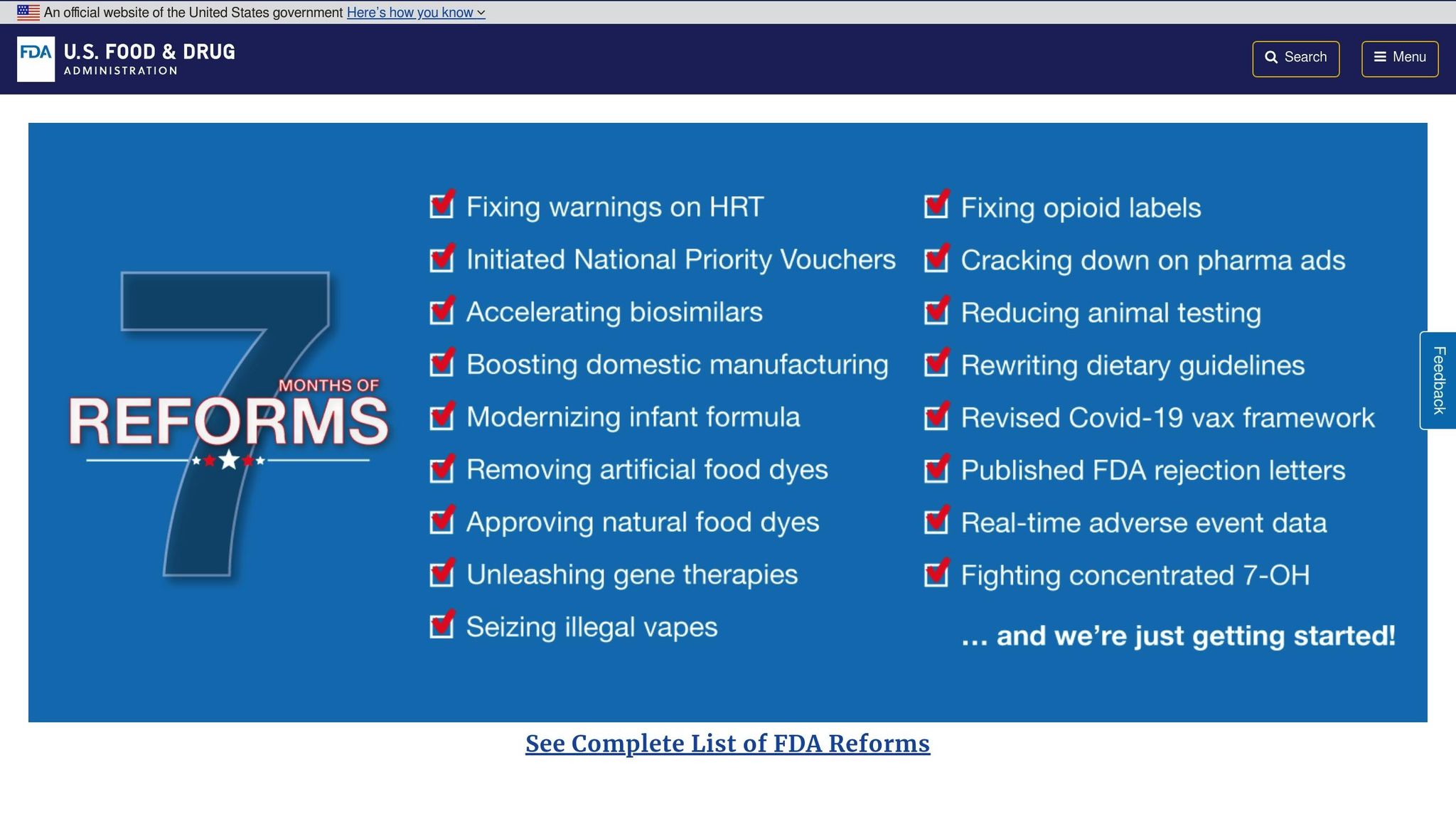
The FDA maintains a database called Tainted Products Marketed as Dietary Supplements, which catalogs recalls, warning letters, and public alerts about contaminated supplements. However, dietary supplements don't face the same rigorous pre-market testing or mandatory recall rules as medications. This regulatory gap allows many harmful products to slip through the cracks. Some manufacturers exploit loopholes, like the GRAS (Generally Recognized as Safe) exemption, to sidestep scrutiny, even when their products contain unapproved substances. These shortcomings highlight the uphill battle consumers face in identifying safe supplements.
3. Liver and Kidney Damage
The liver and kidneys work tirelessly to filter out toxins from the body, but contaminated supplements can overwhelm these organs. This is especially true when supplements include hidden and potent prescription drugs that are not disclosed on the label.
Hidden Prescription Drugs in Contaminated Supplements
Unauthorized supplements have been found to contain several prescription drugs. Examples include dexamethasone (a strong corticosteroid), diclofenac (a non-steroidal anti-inflammatory drug), and omeprazole (a proton pump inhibitor). In May 2024, Health Canada flagged UMARY brand Hyaluronic Acid supplements for containing undeclared diclofenac and omeprazole. The product also lacked the required Natural Product Number (NPN). Later, in August 2024, a newer version called "UMARY USA Hyaluronic Acid" was found to also contain dexamethasone, further compounding the risk.
Risks of Hidden Ingredients
These undisclosed drugs come with serious health risks. Dexamethasone, for instance, can cause blood disorders, severe liver and kidney damage, tissue breakdown, and withdrawal symptoms. It’s particularly dangerous for people with heart problems, gastrointestinal conditions, or electrolyte imbalances. Similarly, unapproved omeprazole has been linked to kidney and liver damage, bone fractures, vitamin B12 deficiency, and electrolyte disturbances. Diclofenac, on the other hand, can lead to gastrointestinal bleeding and ulcers, which can indirectly strain kidney function.
Real-Life Consequences for Consumers
The dangers of hidden ingredients are not just theoretical - they’ve caused serious harm. Since April 20, 2022, the FDA has documented over 30 cases of severe adverse events linked to products like "Artri" and "Ortiga." These incidents range from sudden weight gain to life-threatening liver toxicity, underscoring the real risks of using supplements with undisclosed ingredients.
Regulatory Challenges and Consumer Safety
Despite FDA warnings and voluntary recalls - such as those issued in October 2022 to major retailers like Amazon, Walmart, and Latin Foods Market - contaminated supplements with active pharmaceuticals continue to surface. This regulatory gap makes it essential for consumers to stay vigilant. To verify a product’s safety, check for an eight-digit Drug Identification Number (DIN), Natural Product Number (NPN), or Homeopathic Drug Number (DIN-HM). Tools like SlipsHQ can also help assess the safety of supplements instantly.
4. Steroids and Hormone Imbalances in Muscle-Building Products
Muscle-building supplements, like other supplement categories, often carry hidden risks due to undisclosed ingredients. These unlisted components can jeopardize consumer safety, particularly when users unknowingly ingest substances aimed at delivering rapid muscle growth. Among supplement types, muscle-building products are especially prone to contamination with unapproved pharmaceutical ingredients, including potent steroids that can disrupt hormonal balance and harm overall health.
Hidden Ingredients in Muscle-Building Supplements
Between 2007 and 2016, the FDA conducted an analysis of 92 muscle-building supplements and discovered that 82 of them - an alarming 89.1% - contained synthetic steroids or steroid-like compounds. These substances, often omitted from product labels, can include multiple undeclared ingredients, compounding the risks. For example, dexamethasone, a prescription steroid used to treat inflammatory conditions like arthritis and severe allergic reactions, has been found in unauthorized supplements. The inclusion of such hidden steroids significantly increases the potential for serious health complications.
Health Risks Tied to Undisclosed Steroids
Undeclared steroids in supplements can lead to a range of health problems, such as irregular heart rhythms, high blood pressure, ulcers, blood disorders, and tissue damage. Dexamethasone, in particular, can cause adrenal dysfunction, interfering with the body’s natural hormone production. These hormonal disruptions can affect metabolic and developmental processes. Additionally, hidden steroids may cause electrolyte imbalances, such as dangerous shifts in potassium levels, and contribute to blood disorders. The risks are even higher for vulnerable groups, including children under 16, pregnant women in their third trimester, and individuals with severe heart, liver, or kidney conditions. To make matters worse, sudden discontinuation of dexamethasone can trigger withdrawal symptoms, making proper medical tapering impossible for those unknowingly exposed.
Real-World Consequences of Contaminated Supplements
The dangers of steroid contamination aren’t just theoretical - they’ve been documented in real-life cases. Over 30 individuals reported severe health effects after using products labeled as "Artri" or "Ortiga." These included sudden weight gain, gastrointestinal damage with bleeding and ulceration, elevated blood sugar levels, liver toxicity, and even fatalities. Athletes have also been affected, unknowingly consuming these hidden substances and subsequently failing anti-doping tests. This has led to sanctions, including long periods of ineligibility. On a larger scale, supplements linked to these adverse effects have been associated with 339 deaths and nearly 4,000 hospitalizations. Young adults, particularly those seeking rapid physical changes, are among the most affected.
Challenges in Regulation and Consumer Protection
Despite regulatory efforts, contaminated muscle-building supplements continue to reach consumers. The FDA maintains a database of tainted products marketed as dietary supplements, but even after warnings, some products with active pharmaceuticals remain available. A significant issue lies in the FDA's limited authority; unlike drugs, dietary supplements cannot be subjected to mandatory recalls. Manufacturers often exploit legal loopholes, such as the generally recognized as safe (GRAS) exemption, to self-certify their ingredients without thorough oversight. Furthermore, these products frequently fail to meet standard good manufacturing practices, leading to inconsistent dosages and contamination with unknown chemicals.
To protect yourself, verify that products carry proper authorization numbers and follow established guidelines. Tools like SlipsHQ can help ensure the supplements you use are safe and free from hidden pharmaceuticals.
5. Hidden Drug Interactions and Medication Conflicts
Unapproved supplement ingredients come with a host of risks, and hidden drug interactions are among the most alarming. When supplements contain undisclosed prescription drugs, they can interact dangerously with medications a person is already taking. These unpredictable interactions significantly increase the health risks associated with such products.
Health Risks Linked to Unapproved Ingredients
Some of the most commonly hidden drugs in supplements - like diclofenac, omeprazole, and dexamethasone - can lead to serious health issues, including cardiovascular problems, gastrointestinal damage, and metabolic complications. The danger is even greater when these hidden drugs mix with prescribed medications. Without knowing about these undeclared ingredients, users can't monitor dosage or watch for potential side effects. Worse yet, their doctors can't make necessary adjustments to their treatment plans because the hidden drugs are completely off their radar.
How Common Are Hidden Ingredients?
Between 2007 and 2016, the FDA tested over 700 over-the-counter dietary supplements and found many contained undeclared and potentially dangerous ingredients. These hidden components show up across all types of supplements, and the risks multiply when several of these drugs are combined in a single product. Alarmingly, 28 products were flagged in multiple FDA warnings more than six months apart, with new unapproved ingredients being discovered in subsequent tests. This pattern suggests that some manufacturers persist in adding prohibited drugs, even after being caught.
Real-Life Consequences for Consumers
The dangers aren't just theoretical - there are documented cases of harm. For instance, recent tests on UMARY supplements revealed repeated instances of undeclared prescription drugs, mirroring broader issues identified by the FDA. Since January 5, 2022, the FDA has received reports of adverse effects tied to Artri King products, including severe outcomes like liver toxicity and even death. By April 20, 2022, over 30 additional cases of serious health issues had been reported, prompting the FDA to issue warning letters to major retailers like Amazon, Walmart, and Latin Foods Market. While Walmart and Latin Foods Market initiated voluntary recalls, the damage had already been done.
Consumers have experienced irregular heart rhythms, high blood pressure, stomach ulcers, and blood disorders. These aren't minor inconveniences - they're life-threatening conditions that demand immediate medical attention.
FDA Warnings and Regulatory Challenges
In response to these risks, the FDA has issued ongoing alerts and maintains a "Tainted Products Marketed as Dietary Supplements" database. This resource lists products with hidden ingredients, along with details like the product name, company, and category. Despite these efforts, hidden pharmaceuticals continue to appear in supplements, especially those marketed for sexual enhancement or weight loss.
The root of the problem lies in the lack of stringent regulation. Unlike medications, supplements aren't required to undergo rigorous testing for purity or effectiveness before hitting the market. Many of these products fail to meet good manufacturing practices, leading to inconsistent levels of active ingredients and the potential introduction of harmful impurities.
To reduce your risk, always check for proper authorization on supplement labels. Look for identifiers like an eight-digit Drug Identification Number (DIN), Natural Product Number (NPN), or Homeopathic Drug Number (DIN-HM). Additionally, consult your healthcare provider before starting any supplement, especially if you're already taking medications. Tools like SlipsHQ can also help by scanning supplements for safety and providing warnings about potential drug interactions and high-risk ingredients before you make a purchase.
6. Untested Ingredients with Unknown Safety Data
Some supplement ingredients make it to store shelves without undergoing proper safety evaluations. Unlike prescription drugs that face years of rigorous testing before approval, supplements bypass this process, leaving consumers exposed to potential risks. This lack of oversight creates a regulatory gap that could jeopardize public health.
Health Risks Linked to Untested Ingredients
When ingredients aren't thoroughly tested, their side effects, toxic dosages, and long-term impacts remain a mystery. These unknowns can lead to serious health problems, including liver toxicity, kidney damage, cardiovascular issues, and, in extreme cases, death. The risks increase significantly for individuals with pre-existing conditions or those taking prescription medications. Without comprehensive safety studies, there's no established guidance on proper dosages, who should avoid these ingredients, or how they might interact with other substances. This uncertainty adds to concerns raised in earlier reports about supplement adulteration.
The Scope of Unapproved Ingredients in Supplements
FDA investigations have uncovered a troubling pattern: many supplements contain unapproved and potentially harmful ingredients. In fact, 776 dietary supplements were found to include unapproved pharmaceutical substances. Some products, flagged multiple times in FDA warnings, were later reformulated to include new, unapproved ingredients. This cycle highlights the persistent challenge of regulating such products.
Real-Life Cases of Adverse Effects
The dangers aren't hypothetical. Over 30 individuals suffered severe health consequences after using contaminated sexual enhancement products, such as "Artri" and "Ortiga." Tests revealed these products contained undisclosed pharmaceuticals. Reported side effects included sudden weight gain, gastrointestinal damage with bleeding and ulcers, increased blood sugar levels, liver toxicity, and even death.
Athletes have also fallen victim to untested ingredients. Cyclist Flavia Oliveira tested positive for oxilofrine, a stimulant banned by the World Anti-Doping Agency (WADA), during a major race. The substance, listed on the product label under its synonym "methylsynephrine", led to her disqualification. Similarly, a young athlete named Abby faced a three-month suspension after unknowingly consuming a supplement contaminated with ostarine during manufacturing. These cases underscore how unregulated ingredients can derail lives and careers.
Regulatory Challenges and FDA Warnings
The FDA has taken steps to address these issues, maintaining a "Tainted Products Marketed as Dietary Supplements" database. This resource lists products with hidden ingredients and provides information on recalls, public warnings, and enforcement actions. However, the FDA's powers are limited compared to its authority over prescription drugs. For instance, the agency cannot mandate recalls for supplements, allowing some dangerous products to remain on the market. Manufacturers often exploit the "generally recognized as safe" (GRAS) loophole to self-certify ingredient safety without independent testing. Despite repeated warnings, active pharmaceuticals continue to appear in supplements, particularly those marketed for weight loss or sexual enhancement.
To safeguard your health, look for supplements with proper authorization markers like an eight-digit Drug Identification Number (DIN), Natural Product Number (NPN), or Homeopathic Drug Number (DIN-HM). Be especially cautious with products boasting extreme claims about muscle building, weight loss, or sexual enhancement. Tools like SlipsHQ can help identify high-risk ingredients and alert you to potentially unsafe products. This lack of oversight and regulation highlights the unpredictable risks associated with untested supplements.
7. Products Remaining on Shelves After FDA Warnings
One of the most concerning issues in supplement safety is the persistence of harmful products on store shelves - even after the FDA issues warnings. This happens because the FDA lacks the authority to mandate recalls for supplements, a power it does have for prescription drugs. Instead, the agency can only request voluntary compliance, leaving contaminated products available in stores and online marketplaces for indefinite periods.
FDA Warnings and Regulatory Gaps
Supplements operate under a regulatory framework that leaves significant gaps in enforcement. Unlike prescription drugs, which require FDA approval before hitting the market, supplements can bypass this process. Through the "generally recognized as safe" (GRAS) exemption, manufacturers can self-certify the safety of dietary ingredients without independent testing or verification.
Without the ability to enforce recalls, the FDA relies on public warnings, letters to manufacturers, and requests to retailers to voluntarily remove unsafe products. Unfortunately, these measures often fall short. Studies have shown that many tainted supplements remain on the market despite regulatory actions.
Adding to the problem, some manufacturers are repeat offenders. Research found that 28 products appeared in multiple FDA warnings issued more than six months apart, often reformulated with new unapproved ingredients to sidestep previous warnings. This cycle allows companies to continue profiting while putting consumers at risk of exposure to hidden pharmaceutical ingredients.
Commonly Contaminated Supplement Categories
Certain types of supplements are more prone to contamination. Studies reveal that products marketed for sexual enhancement, weight loss, and muscle building are among the most frequently adulterated:
- Sexual enhancement supplements: 45.5% contain unapproved ingredients, with sildenafil found in 47.0% of tested products (166 out of 353).
- Weight-loss supplements: 40.9% are tainted, with sibutramine detected in 84.9% of tested products (269 out of 317).
- Muscle-building supplements: 11.9% are contaminated, with synthetic steroids or steroid-like substances present in 89.1% of tested products (82 out of 92).
Additionally, 20.2% of contaminated supplements (157 products) contained more than one unapproved ingredient, compounding the health risks for consumers unaware they are ingesting a cocktail of prescription drugs.
Real-World Consequences for Consumers
The dangers of tainted supplements are not hypothetical - they have caused real harm. For instance, over 30 people suffered serious health effects after using contaminated sexual enhancement products branded as "Artri" or "Ortiga." These products contained undeclared prescription drugs, leading to issues like sudden weight gain, gastrointestinal bleeding, liver toxicity, increased blood sugar, and even death.
Wider data paints an even grimmer picture: supplements containing unapproved pharmaceutical ingredients have been linked to 339 deaths and nearly 4,000 hospitalizations. Many consumers unknowingly take these products, leading to accidental overdoses, harmful interactions with other medications, or exacerbation of pre-existing health conditions.
Risks of Unapproved Ingredients in Circulation
The case of the UMARY Hyaluronic Acid Dietary Supplement highlights how dangerous products continue to circulate despite warnings. In May 2024, Health Canada discovered undeclared prescription drugs - diclofenac and omeprazole - in this product. By August 2024, another version of the product, labeled "UMARY USA Hyaluronic Acid", was found to contain dexamethasone, a potent prescription drug. Despite these findings, the product remained available on various online platforms.
The risks associated with these undeclared drugs are severe:
- Dexamethasone: Can cause irregular heartbeat, high blood pressure, stomach ulcers, and damage to bones and muscles. It is especially dangerous for individuals with infections, certain heart conditions, or bleeding disorders.
- Diclofenac: Poses a higher risk for elderly patients and those with asthma or allergies to NSAIDs, potentially causing severe reactions.
- Omeprazole: Linked to vitamin deficiencies, kidney and liver problems, and rare but severe skin reactions.
Online platforms make enforcement even more challenging. Sellers can easily rebrand products or slightly alter their names to evade detection, allowing the same contaminated supplements to reappear under different guises. The decentralized nature of e-commerce complicates regulatory oversight, making it nearly impossible to track and remove all unsafe products.
To protect yourself, always check for proper authorization on supplement labels. Look for identifiers like a Drug Identification Number (DIN), Natural Product Number (NPN), or Homeopathic Drug Number (DIN-HM). Be especially cautious with supplements marketed for sexual enhancement, weight loss, or muscle building, as these categories have high contamination rates. Tools like SlipsHQ can help you stay informed about FDA warnings and safety alerts, offering an extra layer of protection when purchasing supplements. These steps are crucial for navigating a marketplace where unsafe products can linger despite regulatory concerns.
How to Protect Yourself from Unsafe Supplements
The supplement market can be tricky to navigate, but there are practical ways to avoid products with unapproved or harmful ingredients. With more than half of U.S. adults using dietary supplements, many people remain unaware of the risks involved - especially since supplements aren't held to the same strict testing standards as prescription drugs. By following these steps, you can make safer choices and protect your health.
Verify Product Details Before Buying
Start by ensuring the supplement you're considering has proper labeling and authorization. In the U.S., legitimate products should display clear manufacturer information and a transparent list of ingredients with precise dosages. Be cautious of products with vague or translated labels and steer clear of those making exaggerated claims, like promising to cure diseases or deliver miraculous results. Studies have shown that many over-the-counter supplements - especially those marketed for sexual enhancement, weight loss, and muscle building - contain undeclared and potentially harmful ingredients.
Take the extra step to cross-check the product in FDA databases to confirm its legitimacy and check for any warnings or recalls. This simple precaution can save you from serious health risks.
Talk to Your Doctor
Before adding any supplement to your routine, consult a healthcare provider - especially if you're on medications or have existing health issues. A doctor can help determine whether you actually need the supplement or if your nutritional needs can be met through diet. They can also identify potential drug interactions that could lead to serious complications.
Ask about the supplement's safety, proper dosage, and how long you should use it. This is particularly important if you have conditions like heart disease, gastrointestinal issues, bleeding disorders, or kidney or liver problems - or if you're pregnant or breastfeeding. If you’ve already taken a questionable product and are experiencing symptoms, contact your doctor immediately and provide details such as the brand name, ingredients, and when you took it.
Modern tools can also complement professional advice by providing quick safety checks.
Leverage Technology for Safety Checks
Technology makes it easier than ever to verify supplement safety. For instance, SlipsHQ offers a barcode scanning feature that provides instant safety information for over 200,000 supplements. By scanning a product's barcode, you’ll get a trust score based on factors like safety, efficacy, quality, transparency, and value.
The app breaks down each ingredient and flags potential risks, such as stimulant-heavy formulas or conflicts with other supplements or medications. With a 4.9 rating and availability in the U.S. and Canada, SlipsHQ also helps you manage your supplement routine, track what you're taking, and identify overlaps or gaps. Importantly, the platform operates independently - it doesn’t sell products or accept paid placements. You can try it free for three days, then continue for $4.99 per week or get lifetime access for $20.
Choose Trusted Retailers
Where you buy supplements is just as important as what you buy. Stick to reputable retailers with established track records, and avoid unfamiliar online platforms. Many contaminated products are sold online, where sellers can easily rebrand or tweak product names to bypass detection.
Look for products with clear expiration dates, traceable batch numbers, and proper packaging. Suspiciously low prices often indicate counterfeit or low-quality goods. Research the manufacturer's reputation by checking for FDA warnings or recalls and reading independent reviews.
Remember, labels like "all-natural" don’t guarantee safety. Supplements aren’t regulated like prescription drugs, so they may reach consumers without thorough testing for purity or effectiveness. In some cases, they can be contaminated during manufacturing or contain hidden substances under misleading names.
Even when a product seems legitimate, staying cautious is key.
Report Contaminated Products
If you suspect a supplement is contaminated or unapproved, report it to help protect others. In the U.S., you can file a report through the FDA’s MedWatch program - online, by phone, or by mail. Include details like the product name, manufacturer, lot number, symptoms you experienced, and any medical treatments you received.
Also, note where you purchased the product. This information helps authorities trace distribution channels and take action against sellers of unsafe products. If you still have the product, return it to your local pharmacy for safe disposal.
Stay Updated on FDA Warnings
Regularly checking the FDA’s "Tainted Products Marketed as Dietary Supplements" database can keep you informed about products flagged for hidden ingredients. This resource lists product names, companies, and the specific warnings issued. Some supplements repeatedly appear in these warnings, often reformulated with new unapproved ingredients to sidestep previous alerts.
Supplements with hidden pharmaceutical ingredients have been linked to 339 deaths and nearly 4,000 hospitalizations. By verifying product details, consulting healthcare professionals, and using reliable safety tools, you can take meaningful steps to reduce your risk of exposure to dangerous supplements.
Conclusion
The lack of strict regulation in the supplement industry has allowed unapproved and untested ingredients to slip through the cracks, putting consumers at risk. Despite warnings from the FDA, unsafe products often remain on the market, sometimes reformulated to sidestep previous alerts. Shockingly, these tainted supplements have been tied to 339 deaths and nearly 4,000 hospitalizations. Products marketed for sexual enhancement, weight loss, and muscle building are especially problematic, with many found to contain multiple undeclared pharmaceutical ingredients.
These unsettling facts highlight the urgent need for consumers to stay vigilant. Protecting your health means taking proactive steps to ensure the safety of any supplement you consider.
Don't leave your well-being to chance. Before introducing a supplement into your routine, check its safety using reliable resources and consult your healthcare provider to address any potential risks or interactions. Tools like SlipsHQ can simplify this process - by scanning product barcodes, the app provides instant safety evaluations based on scientific analysis of over 200,000 supplements, helping you identify harmful ingredients before they pose a threat.
FAQs
How can I check if a supplement is safe before buying it?
When choosing a supplement, the first step is to check its ingredients and confirm they’ve been properly tested for safety. Tools like SlipsHQ make this process easier by allowing you to scan a product’s barcode and instantly access science-backed safety ratings, ingredient purity information, and any potential warnings. This way, you can make smarter choices and steer clear of supplements that might be unsafe or unapproved. Always rely on clear, trustworthy information to protect your health.
What are the risks of hidden pharmaceutical ingredients in supplements, especially when combined with prescribed medications?
Hidden pharmaceutical ingredients in supplements can create serious health concerns, especially when they interact with prescription medications. These interactions can trigger unexpected side effects, weaken the effectiveness of your medication, or even lead to severe health problems. For instance, some unapproved substances might intensify or diminish the effects of your prescribed drugs, potentially resulting in complications like irregular heart rhythms, changes in blood pressure, or liver damage.
To stay safe, it's essential to verify the safety and transparency of supplement ingredients before taking them. Tools like SlipsHQ can assist by evaluating ingredient purity, highlighting safety warnings, and checking compatibility with your health conditions. Being proactive and informed can help you steer clear of harmful interactions while ensuring your supplements genuinely support your well-being.
Why can’t the FDA fully enforce recalls on unsafe supplements, and how can supplement safety be improved?
The FDA's ability to enforce recalls on dietary supplements is limited due to the Dietary Supplement Health and Education Act (DSHEA) of 1994. Under this law, supplements are treated more like food than drugs, leaving manufacturers responsible for ensuring their products are safe and accurately labeled. The FDA typically intervenes only after a product is proven unsafe, which can delay necessary actions.
To enhance supplement safety, stricter regulations and pre-market testing could ensure products meet safety and quality standards before they hit the shelves. Meanwhile, tools like SlipsHQ offer a way for consumers to take control by providing reliable, science-based insights on supplement safety, ingredient purity, and regulatory compliance - helping you make smarter choices for your health.