
7 Supplements You Should Never Combine
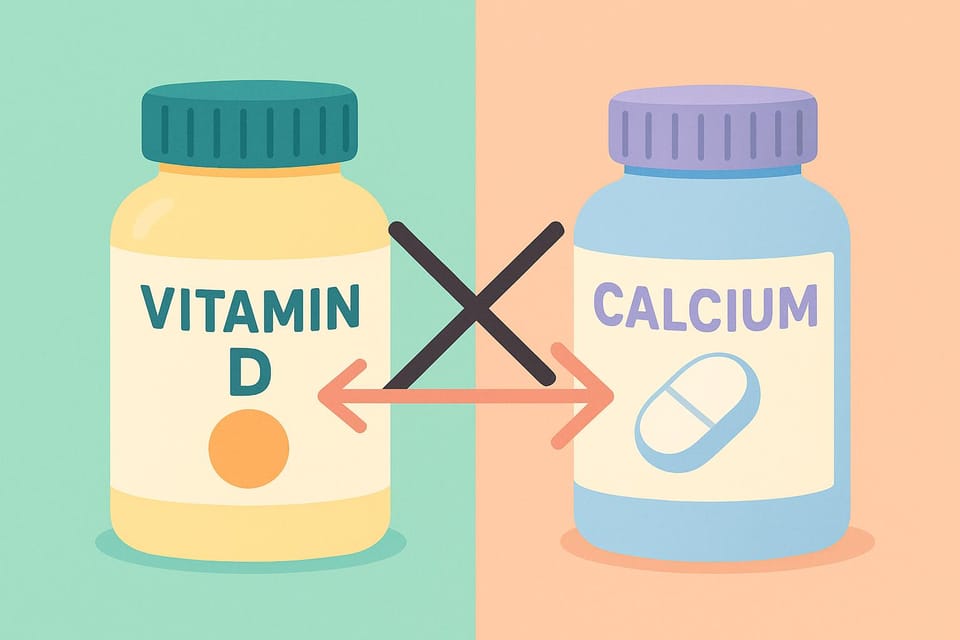
Mixing supplements without proper knowledge can be risky. Some combinations interfere with absorption, increase toxicity, or disrupt medications. For example, ginkgo biloba and omega-3 fish oil can dangerously thin your blood, while calcium and magnesium may block each other’s absorption. Below are seven combinations to avoid:
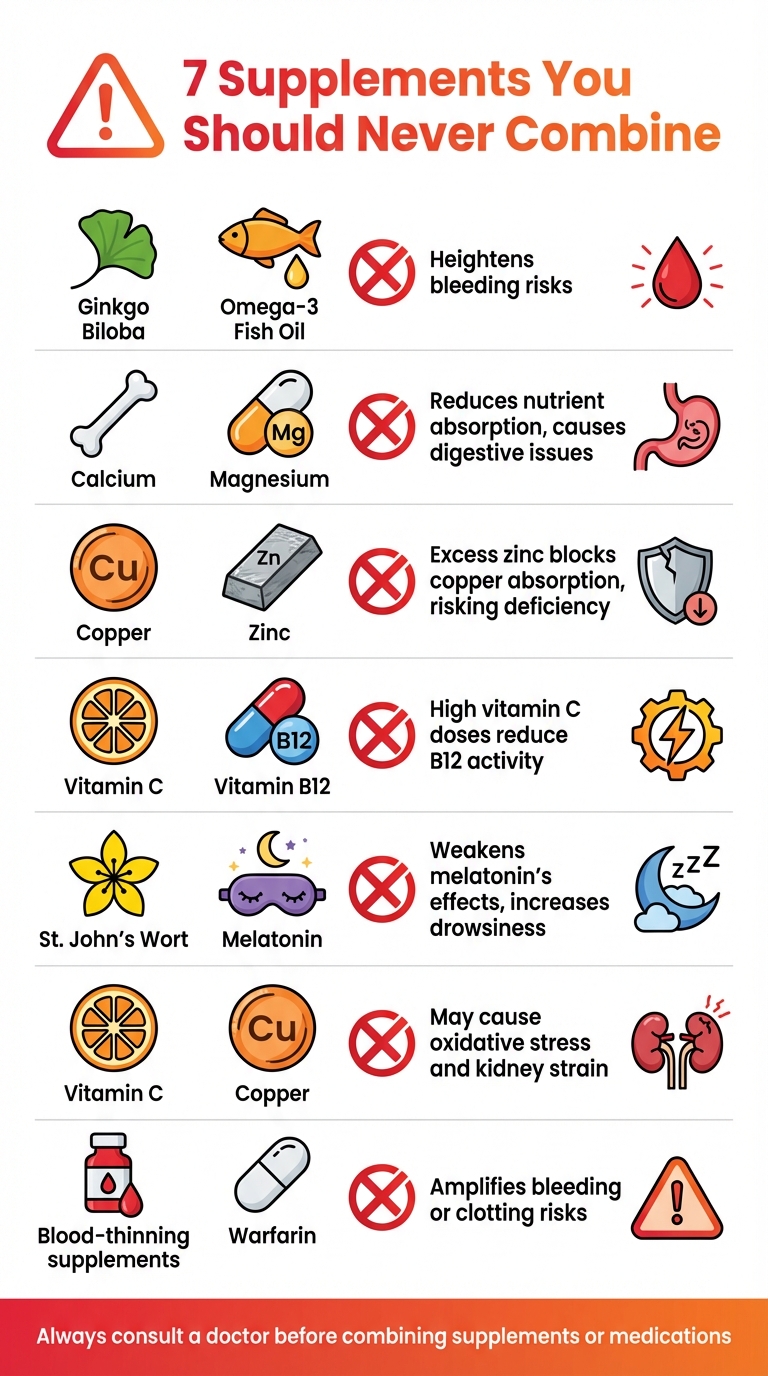
- Ginkgo Biloba + Omega-3 Fish Oil: Heightens bleeding risks.
- Calcium + Magnesium: Reduces nutrient absorption, causes digestive issues.
- Copper + Zinc: Excess zinc blocks copper absorption, risking deficiency.
- Vitamin C + Vitamin B12: High vitamin C doses reduce B12 activity.
- St. John's Wort + Melatonin: Weakens melatonin’s effects, increases drowsiness.
- Vitamin C + Copper: May cause oxidative stress and kidney strain.
- Blood-Thinning Supplements + Warfarin: Amplifies bleeding or clotting risks.
Pro Tip: Always consult a doctor before combining supplements or medications. Tools like SlipsHQ can help identify unsafe pairings.
7 Dangerous Supplement Combinations to Avoid
1. Ginkgo Biloba and Omega-3 Fish Oil
Potential for Harmful Interactions
Ginkgo biloba and omega-3 fish oil are both known to thin the blood naturally. When used together, they can intensify this effect, increasing the risk of uncontrolled bleeding or even stroke - similar to the risks associated with prescription anticoagulants. The FDA has cautioned against mixing blood-thinning agents without medical oversight. Despite their widespread use, it’s important to remember that just because a supplement is “natural” doesn’t mean it’s free of risks. Ginkgo biloba works much like medications such as warfarin or aspirin, and combining it with fish oil can amplify its blood-thinning properties.
Risk of Side Effects or Toxicity
The combined blood-thinning action of these supplements can lead to serious health concerns, particularly an increased chance of significant bleeding events, including internal hemorrhages. This effect can pose a major issue for individuals with conditions like atrial fibrillation, clotting disorders, heart valve replacements, or those recovering from surgeries like knee or hip replacements. Be alert for warning signs such as unexplained bruising, prolonged bleeding from small cuts, or unexpected blood in your urine or stool.
Never take these supplements together without consulting your healthcare provider. If you’re already on blood-thinning medication or have risk factors for bleeding, it’s safer to avoid combining them altogether unless specifically instructed by a medical professional.
If a healthcare provider recommends using both, follow their dosing instructions carefully. Keep an eye out for any adverse symptoms, and stop use immediately if your condition worsens.
2. Calcium and Magnesium
Impact on Nutrient Absorption or Effectiveness
Calcium and magnesium rely on the same pathways for absorption, which means taking high doses of both at the same time can reduce how well your body absorbs them. This issue becomes more noticeable when calcium intake exceeds 1,000 mg or magnesium goes over 400 mg in a day. For instance, consuming 500 mg of calcium alongside 300 mg of magnesium in one meal can interfere with magnesium absorption, potentially leading to deficiency symptoms. This is why timing your supplements properly is so important.
Risk of Side Effects or Toxicity
To minimize these absorption problems, it’s best to space out your doses by at least two hours. Taking both together can overwhelm your digestive system, leading to side effects like stomach discomfort, bloating, diarrhea, nausea, or constipation.
For optimal results, experts recommend taking calcium with food in the morning and magnesium in the evening.
If you’re older, pregnant, or using medications such as diuretics, it’s crucial to consult your healthcare provider before combining these supplements. Poor magnesium absorption could worsen electrolyte imbalances or interfere with heart medications.
Timing matters - mismanaging calcium and magnesium intake can reduce the effectiveness of both supplements.
3. Copper and Zinc
Impact on Nutrient Absorption or Effectiveness
Copper and zinc are both essential for immune health and wound repair, but they don't always play nicely together. High doses of zinc can interfere with how your body absorbs copper. For instance, research shows that taking 50 mg of zinc daily for 10 weeks can reduce copper absorption by as much as 50% in healthy adults.
This issue becomes even more pronounced when zinc intake exceeds 50 mg per day. Over time, this can lead to a copper deficiency, especially in people who rely on high-dose zinc supplements for conditions like acne or frequent colds. The competition between these two nutrients highlights the importance of balancing their intake to avoid potential health problems.
Risk of Side Effects or Toxicity
When copper levels drop due to reduced absorption, a range of health issues can follow. Copper deficiency can lead to anemia, chronic fatigue, a weakened immune system, neurological symptoms like numbness or tingling in the hands and feet, slower wound healing, and even heart-related issues. This makes proper management of zinc and copper intake crucial.
Real-world cases back this up. For example, bodybuilders taking up to 150 mg of zinc daily without adding copper to their regimen developed anemia and neutropenia (a dangerously low white blood cell count). Once copper was reintroduced, these conditions improved.
To avoid such risks, aim for a zinc-to-copper ratio between 10:1 and 15:1, such as 15 mg of zinc paired with 1–2 mg of copper daily. Also, avoid exceeding 40 mg of zinc per day unless you're monitoring your copper levels. To minimize absorption issues, try spacing your zinc and copper supplements at least 2 hours apart. If you're a vegetarian, an athlete, or deal with malabsorption issues, it’s a good idea to check with your healthcare provider before combining these supplements, as you may be more prone to copper deficiency.
4. Vitamin C and Vitamin B12
Impact on Nutrient Absorption or Effectiveness
When it comes to combining vitamin C and vitamin B12, timing is everything. Taking high doses of vitamin C - typically 500–1,000 mg or more - at the same time as B12 can interfere with how your body absorbs B12. This happens because vitamin C can chemically alter B12 during digestion, turning it into forms that are less active.
Interestingly, this issue doesn’t arise when vitamin C is consumed from whole foods. So, having an orange alongside your breakfast eggs? No problem. The concern is primarily with supplement-level doses, especially for those who rely on oral B12 supplements to meet their needs. If high doses of vitamin C are consistently taken alongside B12, it could reduce the amount of active B12 entering your bloodstream, potentially leading to a deficiency over time.
Risk of Side Effects or Toxicity
While this interaction doesn’t cause immediate harm, it can gradually lead to a B12 deficiency. Signs of this include fatigue, weakness, numbness, memory problems, or even tongue inflammation. Blood tests can confirm whether these symptoms are linked to low B12 levels.
Certain groups are more vulnerable to this issue, such as older adults with lower stomach acid levels, vegans and vegetarians who depend on B12 supplements, and individuals with gastrointestinal conditions that affect nutrient absorption. To minimize the risk, many health experts recommend spacing out vitamin C and B12 supplements by at least two hours. For example, you could take B12 with breakfast and save your vitamin C for lunch or an afternoon snack.
If you’re using a multivitamin, don’t worry - most formulas contain moderate amounts of vitamin C (around 120–250 mg), which isn’t enough to cause significant interference.
5. St. John's Wort and Melatonin
Potential for Harmful Interactions
Pairing St. John's Wort with melatonin can lead to some troubling side effects. The issue lies in how St. John's Wort speeds up the breakdown of melatonin by activating liver enzymes like CYP3A4. This faster breakdown can reduce melatonin's ability to promote sleep effectively. On top of that, both supplements have sedative properties, and taking them together might cause excessive drowsiness, dizziness, or even confusion.
There have been clinical reports of sleep disturbances that improved after stopping one or both supplements. Even standard doses - 300 mg of St. John's Wort taken three times a day and 0.5–5 mg of melatonin at night - can pose risks. These interactions not only make melatonin less effective but also increase the chance of unwanted side effects, so it’s wise to use caution.
Risk of Side Effects or Toxicity
Certain groups, like older adults, people with liver issues, pregnant or breastfeeding women, and children, face a higher risk because their bodies may process these supplements differently. If you’re also taking SSRIs or other antidepressants, the risks are even greater. St. John’s Wort can boost serotonin levels, which might lead to symptoms like anxiety, a rapid heartbeat, or muscle spasms.
To minimize these risks, experts suggest spacing out the use of these supplements by at least 2 to 4 hours or avoiding taking them together entirely. Since St. John's Wort interacts with many medications due to its enzyme-inducing effects, it’s crucial to check with a healthcare provider before combining it with any other supplement.
6. Vitamin C and Copper
Taking vitamin C and copper together might seem harmless, but improper dosing can lead to unexpected risks.
How They Affect Nutrient Absorption
Large doses of vitamin C can interfere with how copper binds in the gut, reducing its absorption. This could potentially lead to copper deficiency, especially if your diet is already low in this mineral. Copper plays a key role in supporting blood vessel health and antioxidant defenses. Thankfully, most Americans get enough copper through foods like nuts, seeds, shellfish, and whole grains. Unless a deficiency is confirmed by a doctor, additional copper supplements are usually unnecessary.
However, absorption isn’t the only concern - there’s more to consider when taking these two together.
Dangerous Interactions at High Doses
High doses of vitamin C and copper taken together can spark pro-oxidant reactions. These reactions may increase oxidative stress in the body and put extra strain on your kidneys. To reduce the chances of these issues, experts recommend spacing out vitamin C and copper supplements by 2–3 hours if you need to take both.
Watch for Side Effects or Toxicity
Combining high doses of vitamin C with copper can lead to kidney stress. Warning signs include fatigue, abdominal pain, dark urine, leg swelling, nausea, or pain in your side or back. If you notice any of these symptoms, stop taking the supplements immediately and consult your healthcare provider.
7. Blood-Thinning Supplements with Warfarin
If you're on warfarin (commonly known as Coumadin or Jantoven), mixing it with certain supplements can be extremely dangerous. Warfarin has a narrow therapeutic range, meaning even small changes in how it works can lead to serious problems - either excessive bleeding or harmful clotting.
Why These Interactions Are Risky
Some supplements can significantly increase warfarin's blood-thinning effects, putting you at risk for severe complications. According to the FDA, ingredients like ginkgo biloba, vitamin E, aspirin, fish oil, garlic, turmeric, and dong quai can heighten warfarin's impact, making internal bleeding or stroke more likely. Warning signs include frequent nosebleeds, easy bruising, blood in urine or stool, and, in severe cases, hemorrhagic stroke.
On the other hand, St. John's wort can reduce warfarin's effectiveness by speeding up how your liver processes the drug. This increases the chance of dangerous blood clots. The FDA also points out that St. John's wort can interfere with several other prescription medications, including heart medications, further complicating treatment.
Recognizing Symptoms and Staying Safe
Be alert for signs of bleeding, such as bleeding gums, prolonged bleeding from minor cuts, dark stools, or unusual urine color. More severe symptoms, like sudden headaches or one-sided weakness, could signal life-threatening brain bleeding. Even seemingly minor issues, like new bruising, might mean your warfarin dose needs adjusting.
To stay safe, always consult your doctor before starting any supplement while on warfarin. Bring your supplements to medical appointments and carefully read labels for hidden blood-thinning ingredients. Tools like SlipsHQ can help you scan barcodes to quickly check for potentially harmful interactions.
How SlipsHQ Helps You Avoid Dangerous Supplement Combinations
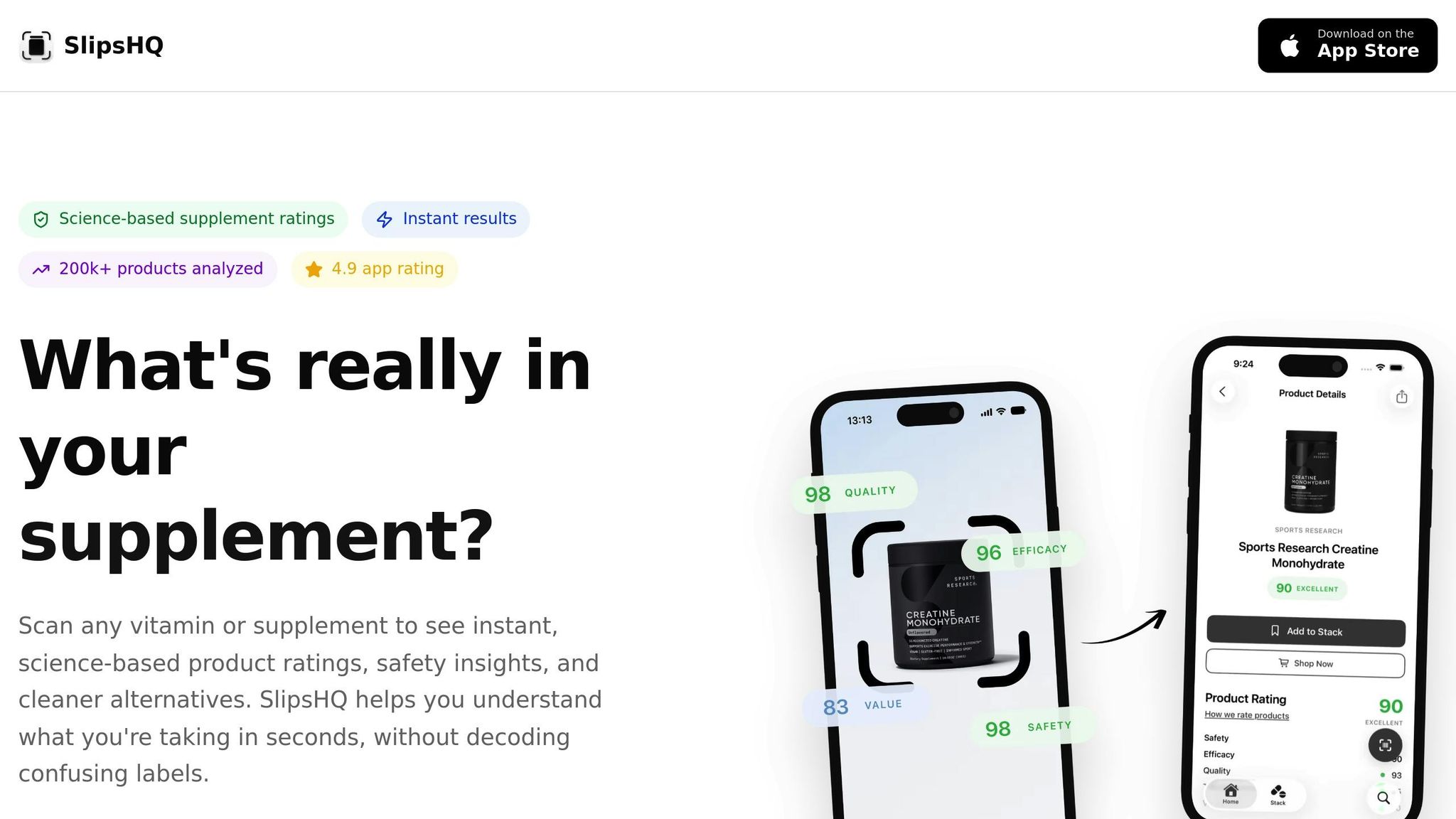
Managing supplement interactions can feel like a juggling act, especially when you're dealing with multiple bottles and complex ingredient lists. SlipsHQ takes the guesswork out of this process, helping you avoid risky combinations like ginkgo paired with fish oil or calcium with magnesium. By simply scanning a supplement's barcode, you can instantly access science-backed safety scores, detailed ingredient lists, and warnings about potential interactions - before you buy or use the product.
The app uses a robust internal database to flag known problematic pairings, such as supplements that thin blood or interfere with nutrient absorption. For instance, if you're on warfarin and scan a product containing fish oil, ginkgo, or vitamin E, the app immediately alerts you to consult your doctor. Similarly, if you log St. John's wort while taking an antidepressant, SlipsHQ warns you about its potential to reduce your medication's effectiveness - echoing concerns highlighted by the FDA.
SlipsHQ doesn’t just stop at one-time warnings. It helps you organize your entire supplement stack, allowing you to log what you take in the morning, afternoon, and evening. This feature makes it easier to spot overlapping ingredients - like multiple products containing zinc - that could lead to excessive intake. The app even provides tips on the best timing for taking your supplements, enhancing absorption and minimizing side effects, so you can create a safer, more effective routine.
The app also offers ongoing monitoring. Whenever you add a new prescription or pick up another supplement, SlipsHQ re-screens your entire stack for potential risks. This proactive approach helps prevent "stack creep", where adding new products over time can unintentionally create dangerous combinations. With a database covering over 200,000 supplements and a 4.9-star rating, SlipsHQ simplifies complex pharmacology into plain, actionable advice - like "may thin your blood too much" or "these minerals compete for absorption" - so you can make informed adjustments.
You can try SlipsHQ with a 3-day free trial, after which it costs $4.99 per week or $20 for a lifetime plan. With clear, evidence-based alerts aligned with FDA guidelines, the app ensures you stay on top of your supplement safety with just one scan.
Conclusion
Mixing supplements can be risky. Certain combinations - like ginkgo with fish oil, calcium with magnesium, or St. John's wort with melatonin or antidepressants - can have harmful effects. The FDA has issued warnings about these dangers, emphasizing the importance of caution.
It’s important to remember that just because something is labeled "natural" doesn’t mean it’s harmless. High doses of nutrients like vitamin C, copper, or zinc might seem safe but can lead to deficiencies, oxidative stress, or even kidney damage if not taken correctly or combined wisely. Always check for potential interactions when adding a new supplement, whether it’s a multivitamin, herbal powder, or a prescription medication.
To stay safe, regular check-ins with your healthcare provider are essential. Bring your supplements to your doctor or pharmacist and ask questions like: Do these interact with my prescriptions? Should I space them out? Are there any I can stop taking? If you experience unusual symptoms such as excessive bruising, severe fatigue, ongoing nausea, or anything out of the ordinary, stop non-essential supplements and consult a healthcare professional immediately.
You don’t need to memorize every possible risky combination or become an expert in pharmacology. Tools like SlipsHQ can help you quickly identify potential interactions. A simple scan followed by a conversation with your doctor can go a long way in avoiding serious issues.
The goal is to focus on a streamlined, evidence-based supplement plan. Having an overflowing cabinet of pills and powders isn’t better - it increases the chances of interactions, toxicity, and overlapping nutrients. By pairing reliable digital tools with professional medical guidance, you can enjoy the benefits supplements offer while prioritizing your health and safety.
FAQs
Is it safe to take ginkgo biloba and omega-3 fish oil together?
Combining ginkgo biloba with omega-3 fish oil isn't advised since both can thin the blood. Taking them together might heighten the risk of excessive bleeding or bruising, particularly if you're already on medications that influence blood clotting.
If you're thinking about adding these supplements to your routine, it's wise to consult a healthcare professional to make sure they're safe for your individual situation.
What’s the safest way to take calcium and magnesium supplements together?
To ensure you're taking calcium and magnesium supplements safely, avoid taking large amounts of both at the same time. These minerals can compete for absorption in your body. A better approach is to space them out by a few hours during the day. For tailored advice on supplement interactions and safety, consider consulting a healthcare professional or using SlipsHQ to assess your supplement regimen with ease.
Is it safe to take St. John's Wort and melatonin together?
Combining St. John's Wort with melatonin could amplify feelings of drowsiness and sedation, possibly resulting in excessive sleepiness or decreased alertness. Moreover, St. John's Wort may influence how your body metabolizes melatonin, which could impact its effectiveness or safety. To minimize risks and ensure safe usage, it's important to consult a healthcare professional before using these supplements together.