
Ultimate Guide to Lifestyle-Based Supplement Stacks

Want better health support tailored to your lifestyle? Supplement stacks - specific combinations of vitamins and nutrients - are designed to meet unique needs, whether you're desk-bound, active, or managing stress. Here's the quick takeaway:
- Sedentary Lifestyle: Focus on circulation, energy, and filling nutritional gaps with supplements like CoQ10, B vitamins, and green tea extract.
- Active Lifestyle: Prioritize recovery, performance, and hydration using creatine, protein, and electrolytes.
- High-Stress Lifestyle: Support stress relief, adrenal health, and sleep with ashwagandha, magnesium, and melatonin.
Start with core essentials like multivitamins, omega-3s, and probiotics, then customize based on your daily habits. Timing and consistency matter - take fat-soluble vitamins with meals and split water-soluble ones throughout the day. Tools like SlipsHQ can simplify choices by analyzing product quality and safety. Build a routine that works for you, step by step.
Core Supplements for All Lifestyles
Core supplements help cover common nutritional gaps and serve as the starting point for any supplement plan.
Basic Supplements for General Health
Multivitamins act as a nutritional safety net, filling in the gaps left by modern diets, which often lack key nutrients due to food processing and soil depletion. A good multivitamin provides essentials like B vitamins for energy, vitamin C to support your immune system, and trace minerals like zinc and selenium that help your body function at its best.
Omega-3 fatty acids are widely beneficial. Found in fish oil, EPA and DHA are the key components that support brain function, ease inflammation, and promote heart health. Aim for a supplement that delivers at least 1,000 mg of combined EPA and DHA daily.
Vitamin D3 is crucial for overall health, especially if you spend most of your time indoors. It plays a role in immunity, strengthens bones, and helps regulate mood. A daily intake of 1,000 to 4,000 IU is typically recommended.
Probiotics help maintain a healthy gut, which is vital since about 70% of your immune system resides there. These beneficial bacteria support digestion and overall wellness. Look for a multi-strain probiotic with at least 10 billion CFUs for the best results.
Magnesium is involved in more than 300 enzymatic reactions in your body, yet many people don’t get enough through diet alone. It supports muscle function, better sleep, and stress management. Magnesium glycinate or citrate forms are easier for your body to absorb compared to magnesium oxide.
These essentials provide a solid foundation that enhances the effectiveness of any additional supplements you choose to incorporate.
Building Your Base Stack
Before diving into specialized supplements, focus on addressing the most common nutrient deficiencies. Start with these core supplements and allow your body 4-6 weeks to adjust before adding anything tailored to specific needs.
Nutrient combinations can also improve effectiveness. For example, vitamin D helps with calcium absorption, while magnesium activates vitamin D, creating a synergistic effect that boosts overall benefits.
When selecting supplements, opt for products that are third-party tested, clearly labeled, and free from unnecessary fillers. While budget-friendly options may be tempting, they’re not always the best choice if the nutrients aren’t easily absorbed or utilized by your body.
Timing and consistency are key to getting the most out of your supplements. Fat-soluble vitamins (A, D, E, K) work best when taken with meals containing healthy fats, while water-soluble vitamins like B-complex and vitamin C can be taken on an empty stomach - though they might cause mild discomfort for some people.
Stick with this foundational stack for several weeks to establish a routine before adding supplements that address your specific lifestyle needs or challenges.
Supplement Stacks by Lifestyle Type
Tailor your supplement routine to match your lifestyle. By starting with a solid foundation of core supplements, you can adjust your stack to tackle the unique challenges of your daily activities. These adjustments fine-tune your regimen, helping you get the most out of your day-to-day routine.
Sedentary Lifestyle Stack
If your day involves long hours of sitting or minimal physical activity, focus on supplements that support metabolism, circulation, and filling nutritional gaps.
- Coenzyme Q10 (CoQ10): Helps with energy production and heart health, especially when physical activity is limited. Take 100–200 mg daily with a meal that contains fat.
- Alpha-Lipoic Acid: Enhances insulin sensitivity, which can be affected by prolonged sitting. Take 300–600 mg daily.
- Chromium Picolinate: Aids in maintaining healthy blood sugar levels. Take 200–400 mcg with meals.
- Ginkgo Biloba: Improves blood flow to the brain and extremities. Take 120–240 mg daily of standardized extracts containing 24% flavone glycosides and 6% terpene lactones.
- Green Tea Extract: Supports metabolism without the jittery effects of caffeine. Take 400–500 mg of standardized extract daily between meals.
- Extra B Vitamins: Adding a B-complex supplement, especially one high in B12 and folate, supports energy production at the cellular level.
This stack is designed to combat the effects of a sedentary lifestyle. Next, let’s explore supplements for those with more active routines.
Active Lifestyle Stack
For those who are physically active, the focus shifts to improving recovery, enhancing performance, and replenishing nutrients lost during exercise.
- Creatine Monohydrate: A proven supplement for boosting performance and regenerating ATP during high-intensity activities. Take 3–5 grams daily, either before or after workouts.
- Branched-Chain Amino Acids (BCAAs) or Essential Amino Acids (EAAs): Protects muscle tissue during long or intense training sessions. Take 10–15 grams of EAAs during or immediately after exercise.
- Electrolyte Replacement: Keeps you hydrated and helps prevent muscle cramps. Look for supplements with 200–300 mg sodium and 150–200 mg potassium per serving.
- Rhodiola Rosea: Helps manage physical stress and may improve endurance by reducing the perception of effort. Take 200–400 mg of standardized extract (3% rosavins, 1% salidroside) about 30 minutes before workouts.
- Tart Cherry Extract: Reduces inflammation and muscle soreness caused by exercise. Take 480 mg twice a day.
- Beta-Alanine: Delays muscle fatigue by buffering acid buildup during intense exercise. Take 3–5 grams daily in smaller doses to avoid tingling sensations.
- Whey or Plant Protein Powder: Ensures your body gets the protein it needs for muscle repair. Consume 20–30 grams within two hours after training.
This stack is geared toward maximizing performance and recovery. Now, let’s shift to supplements that help manage stress.
High-Stress Lifestyle Stack
If stress is a major factor in your life, focus on supplements that support adrenal health, calm the nervous system, and improve sleep quality.
- Ashwagandha: Helps balance cortisol levels and boosts resilience to stress. Take 300–600 mg daily of a standardized extract (≥5% withanolides).
- Phosphatidylserine: Regulates cortisol, especially if levels are high in the evening. Take 100–200 mg with dinner.
- L-Theanine: Encourages relaxation without making you drowsy by increasing alpha brain wave activity. Take 100–200 mg as needed or 200–400 mg in the evening.
- GABA: Eases an overactive nervous system, though individual absorption can vary. Try 500–750 mg about an hour before bed.
- Melatonin: Helps reset disrupted sleep patterns. Take 0.5–1 mg 30–60 minutes before bedtime.
- Adaptogenic Blends: A combination of herbs like rhodiola, holy basil, and schisandra can provide broader stress relief. Look for blends with standardized active ingredients.
- Additional Magnesium: Stress can deplete magnesium levels. Add 200–400 mg of magnesium glycinate in the evening.
- B-Vitamin Complex: Higher doses of B5 and B6 help the nervous system function better under stress. Opt for a stress-specific B-complex formula.
Each of these stacks is designed to address specific lifestyle needs, ensuring that your supplement routine works in harmony with your daily challenges.
Safety and Quality Guidelines
After tailoring your supplement stack, it’s critical to ensure that each product meets high standards for safety and quality. The effectiveness of any stack depends on the purity, reliability, and safety of the supplements you choose.
How to Check Supplement Quality
When evaluating supplements, pay close attention to labels, certifications, and ingredient details. Here are some tips to guide you:
- Look for third-party certifications like NSF, USP, or Informed Sport. These validations confirm that the product has been independently tested. Also, check for precise ingredient descriptions, such as "magnesium glycinate" or standardized extracts like "ashwagandha root extract standardized to 5% withanolides."
- Examine the "Other Ingredients" section for unnecessary fillers, artificial colors, or preservatives. If you have allergies or sensitivities, choosing products with minimal additives is especially important.
- Ensure the product is manufactured in FDA-registered, GMP-certified facilities. Clear expiration dates and lot numbers are also essential for traceability and quality assurance.
Why Transparency Matters
Transparency isn’t just a buzzword - it’s a critical factor in the supplement industry. Companies that prioritize transparency share detailed information about ingredient sourcing, testing methods, and the research behind their products. This openness not only helps you make informed choices but also builds trust in the brands you use.
For example, ingredient sourcing transparency lets you know if a company uses high-quality raw materials or opts for cheaper alternatives. Reputable manufacturers specify where their ingredients come from and how they’re processed. Additionally, companies that reference peer-reviewed research when explaining their ingredient choices and dosages demonstrate a commitment to evidence-based formulations. While most supplements themselves aren’t clinically tested, using published research as a foundation adds credibility.
Batch testing results are another hallmark of transparency. Some brands go the extra mile by publishing certificates of analysis (COAs) for each batch, showing actual test results for potency and any potential contaminants.
Using SlipsHQ for Supplement Analysis
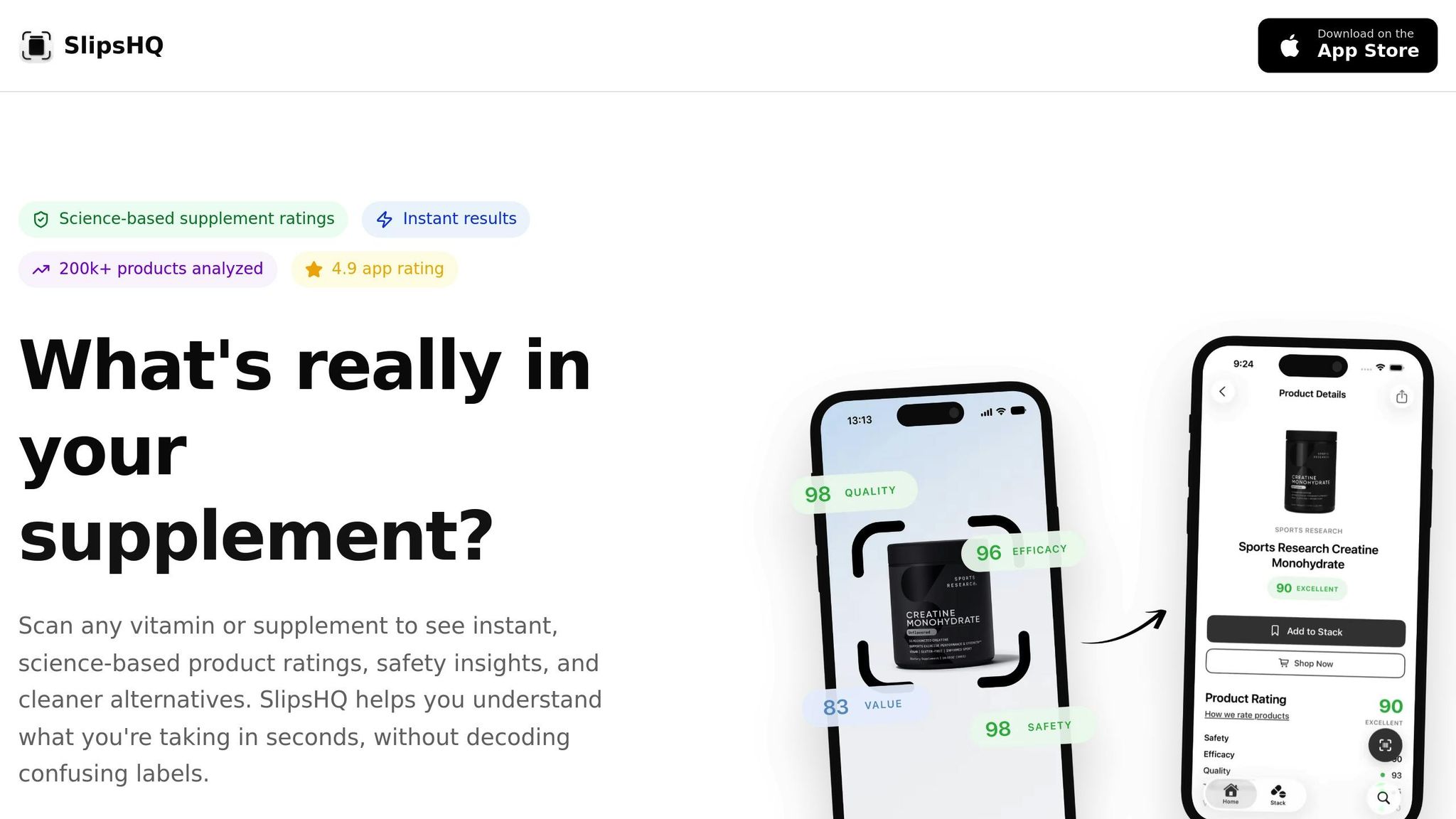
Technology has made evaluating supplements easier than ever, and tools like SlipsHQ bring science-backed insights directly to your fingertips. This app allows you to scan barcodes for instant access to detailed information on over 200,000 supplements, giving you a clear picture of their quality and safety.
SlipsHQ uses a trust scoring system that rates supplements on a 0–100 scale across five key areas: safety, efficacy, quality, transparency, and value. This system simplifies complex data, making it easier to identify products that suit your needs.
The app also includes a safety analysis feature, which flags potential drug interactions and side effects based on your current medications and health conditions. Additionally, it helps you compare prices across multiple retailers, ensuring you get good value without compromising on quality.
For personalized recommendations, SlipsHQ considers your lifestyle - whether you’re highly active, dealing with stress, or maintaining a more sedentary routine. It even evaluates ingredient purity by examining manufacturing standards, third-party testing, and contamination risks. By aligning these quality metrics with your specific needs, SlipsHQ helps you build a supplement stack you can trust to support your health effectively.
Daily Supplement Schedules and Dosing
Once you've chosen your personalized supplement stack, the next step is figuring out how to take them effectively. It's not just about picking the right products - timing matters too. Aligning your supplement intake with your body's natural rhythms can help you get the most out of them.
When and How Much to Take
For fat-soluble vitamins, like A, D, E, and K, pair them with meals that include healthy fats, such as eggs or avocado, to improve absorption. Water-soluble vitamins, on the other hand, such as B-complex vitamins and vitamin C, are not stored in the body for long. To maintain steady levels, split these into smaller doses throughout the day instead of taking them all at once.
Start your day with energizing nutrients. Many people find that taking B vitamins, vitamin D, or adaptogenic herbs like rhodiola in the morning helps with focus and energy. Taking these too late in the day, however, might interfere with sleep.
For those who work out, timing certain supplements around your exercise routine can make a difference. For example, beta-alanine can be taken before a workout to help manage exercise-induced sensations.
In the evening, focus on relaxation and recovery. Supplements like magnesium, melatonin, or ashwagandha can support a calming bedtime routine and promote better sleep.
Pay close attention to dosing as well. While multivitamins are designed to provide a balanced range of nutrients in one serving, individual supplements may contain higher doses than recommended. Always follow the dosage instructions on the label.
Sample Daily Schedules
Here are three general supplement schedules that you can adapt to your lifestyle:
-
Sedentary Lifestyle
Start your day with a multivitamin and a fat-soluble vitamin taken with a breakfast that includes healthy fats. Around midday, add a mineral supplement like magnesium to support energy and reduce tension from sitting for long periods. In the evening, take another dose of magnesium, possibly paired with an adaptogen, to help you relax and prepare for sleep. -
Active Lifestyle
Begin your morning with a multivitamin and vitamins D and C to support overall health. If you're using performance-focused supplements like creatine, you can take them at any time since their benefits aren't tied to timing. Before a workout, you might include a pre-workout supplement like beta-alanine, followed by a post-workout recovery shake with protein and other nutrients to aid recovery. -
High-Stress Lifestyle
Start your day with a multivitamin, key vitamins, and an adaptogenic herb to help balance cortisol levels. Later in the morning, consider L-theanine alongside your coffee to smooth out any caffeine jitters. A midday dose of magnesium can help maintain a steady mood, and another dose of magnesium with an adaptogen in the evening can support relaxation and deeper sleep.
These schedules are just starting points - adjust them to fit your routine and needs.
Building Consistent Routines
Consistency is the cornerstone of an effective supplement regimen. A routine that feels natural and easy to follow is far more sustainable than a complicated one. A simple strategy is to group your supplements into morning, midday, and evening doses. You could tie supplement intake to existing habits, like having coffee in the morning or eating dinner, and use a pill organizer to keep things on track.
If you're new to supplements, start small. Choose one or two products that align with your main health goals, and once they become part of your daily routine, gradually add more as needed. Take a few weeks to monitor how your schedule works and make adjustments if necessary.
The ultimate goal is a routine that supports your health without adding unnecessary stress. A straightforward, consistent approach is always better than an overly complicated one.
Conclusion
Building a supplement routine tailored to your lifestyle is simpler than it might seem. Whether your days are sedentary, active, or filled with stress, the right combination of supplements can help you feel and perform better. By focusing on what your body needs, you can create a plan that works specifically for you.
As mentioned earlier, starting with a strong foundation is key. From there, you can adjust your supplements to meet your unique challenges. For instance, if you’re less active, supplements that support circulation and energy might be beneficial. For those with a busy, active lifestyle, recovery and performance aids can make a big difference. And if stress is a constant factor, supplements that help manage cortisol and support your nervous system are worth considering.
Tools like SlipsHQ make this process even easier. With its barcode scanning feature, you can instantly check the purity and safety of ingredients in any supplement. Instead of relying on marketing claims, you get clear, science-backed ratings for safety, efficacy, transparency, and value. This means you can make informed decisions without second-guessing the quality of the products you’re using.
Timing also matters. For example, take fat-soluble vitamins with meals and spread water-soluble vitamins throughout the day for better absorption. Consistency is equally important - your age, activity level, stress levels, diet, and health goals all play a role in determining what your body needs. Tools like SlipsHQ can even provide personalized recommendations, helping you build a routine that suits your lifestyle rather than following general advice.
Start with a simple, manageable plan and expand it as needed. A routine that’s easy to stick with will always deliver better results than a complex one you can’t maintain. By keeping it personal and consistent, you’ll unlock the full benefits of a supplement stack designed just for you.
FAQs
How can I choose the best supplement stack for my lifestyle?
Choosing the right combination of supplements begins with understanding your personal goals and lifestyle. Start by pinpointing what you’re aiming for - whether it’s increasing energy, reducing stress, or enhancing your overall well-being. Then, think about how your daily habits - like whether you’re mostly sedentary, highly active, or under a lot of stress - affect your body and its nutritional needs. The key is to choose supplements that complement each other and align with your specific health priorities.
If you’re looking for a more customized solution, modern wellness apps can make this process easier. These tools can evaluate supplement quality and provide tailored recommendations based on your individual needs.
How can I assess the quality and safety of supplements?
When selecting supplements, it’s important to focus on quality and safety. Start by checking for third-party certifications such as NSF or USP. These certifications ensure the product meets established standards. Take a close look at the label - make sure it lists all ingredients clearly, includes proper dosages, and avoids ambiguous terms like "proprietary blends", which can obscure the actual amounts of ingredients.
Take the time to research each ingredient to understand its potential benefits and any possible side effects. Be wary of products that make bold, unverified claims or fail to provide transparency about their sourcing and manufacturing processes. By choosing supplements with clear labeling and recognized certifications, you can feel more confident in your choices.
What’s the best way to start a new supplement routine and stick with it?
To get started with a new supplement routine - and stick with it - begin by pinpointing your specific health goals. Are you looking to boost energy, sharpen focus, or manage stress? Once you’ve identified your goals, choose supplements that fit your lifestyle and address your body’s needs.
Keep things simple by integrating your supplements into your daily habits. For example, take them with breakfast or before bed, and store them in a spot that’s easy to see and access. Setting reminders can also help you stay consistent, which is crucial for seeing results. Try to take your supplements at the same time each day to build a steady routine.
If you’re unsure about which supplements to include, tools like SlipsHQ can guide you. These apps evaluate supplement quality, safety, and effectiveness, making it easier to create a plan tailored just for you.