
How to Use Supplements Safely for Sport Performance
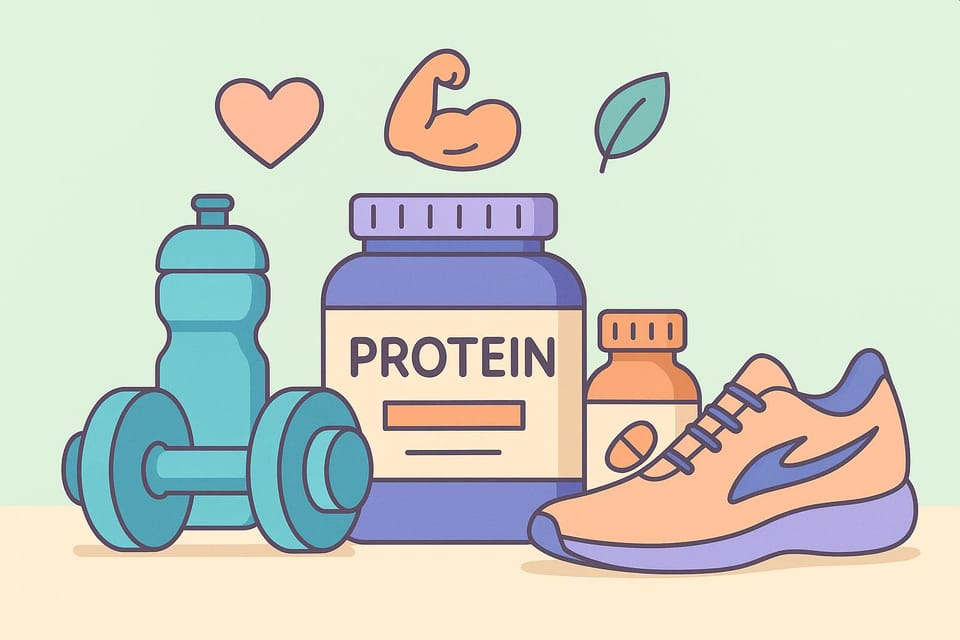
Navigating the supplement world can often feel overwhelming, with a wealth of conflicting advice, scientific claims, and influencers promoting unregulated products. For athletes and active individuals, understanding the role of supplements, their benefits, and their potential risks is essential to optimizing performance and recovery without compromising health. Two prominent experts in sports nutrition - Kim Mueller, a registered dietitian and specialist in sport dietetics, and Dr. Lonnie Lowry, an exercise physiologist and nutrition professor - recently shared their insights on safe supplement use for sport performance. This article synthesizes their expertise and actionable recommendations into a comprehensive guide.
Why Supplements Matter: A Balanced Perspective
Supplements can play a vital role in addressing nutrient gaps or enhancing performance, but they should complement a strong foundation of whole-food nutrition. As Dr. Lowry explains, "The definition of supplement is to add to, not replace, a balanced diet." Athletes often turn to supplements to improve recovery, endurance, strength, or energy, but prioritizing adequate calorie intake, macronutrient balance, and hydration is non-negotiable before incorporating any supplement into the mix.
Kim Mueller emphasizes, "Half the clients I see are under-fueled. Without adequate energy intake and macro distribution, even the most effective supplements won’t have the desired impact." This principle underscores the importance of mastering nutrition basics before venturing into the supplement market.
The Science of Choosing the Right Supplements
1. Distinguishing Experts from Misinformation
In an era of social media influencers, it’s critical to validate the credentials of anyone offering supplement advice. As Dr. Lowry notes, "Science literacy is key. Many influencers lack formal education in nutrition or exercise physiology, leading to misinformation." Registered dietitians (RDs) and professionals with advanced degrees in nutrition and exercise-related fields are more likely to provide evidence-based guidance.
Kim Mueller adds, "Consumers should research whether a supplement advisor has credible certifications or degrees. A weekend certification does not equate to decades of education and experience."
2. Focus on Evidence-Based Supplements
Scientific rigor should guide supplement choices. Clinical trials, systematic reviews, and meta-analyses are far more reliable than anecdotal evidence or observational studies. Dr. Lowry highlights a common pitfall: "Preclinical research, such as studies on animals, often shows exaggerated results that don’t translate to humans. Stick to supplements with robust human trials."
3. Third-Party Testing for Safety
Supplements are not FDA-regulated in the same way as food or drugs, making third-party testing essential to ensure purity and safety. Look for certifications such as NSF Certified for Sport, Informed Sport, or USP Verified. These labels verify that what’s on the label matches what’s in the bottle, free of contaminants and banned substances.
Supplements Athletes Should Consider
1. Creatine
Creatine stands out as one of the most researched and effective supplements for strength and recovery. It helps replenish the body’s stores of phosphocreatine, which supports short bursts of high-intensity activity. Dr. Lowry calls creatine "a rock-solid supplement", while Kim Mueller highlights its unique benefits for aging athletes: "Creatine helps preserve lean muscle mass and enhances recovery, particularly for women in menopause."
Dosage Recommendations:
- A daily dose of 5 grams (mixed with water, coffee, or a post-workout shake) is sufficient for most.
- Athletes should avoid unregulated brands and opt for third-party-tested creatine monohydrate.
Who Benefits Most:
- Strength athletes, such as weightlifters and sprinters.
- Endurance athletes, especially older individuals, to support recovery and muscle preservation.
2. Omega-3 Fatty Acids
Omega-3s (EPA and DHA) are critical for reducing inflammation, promoting cardiovascular health, and supporting recovery after intense exercise. Many people, especially athletes, have inadequate omega-3 intake from food alone.
Dosage Recommendations:
- Aim for approximately 1 gram of combined EPA and DHA daily, sourced from fish oil or algae-based supplements.
Notable Benefits:
- Improved joint health.
- Enhanced recovery and reduced muscle soreness.
3. Vitamin D
Vitamin D plays a key role in bone health, immune function, and muscle recovery. Athletes, especially those living in northern regions or training indoors, are at risk of deficiency.
Dosage Recommendations:
- 2,000 IU per day (or more under medical supervision, depending on blood levels).
4. Caffeine
As a natural stimulant, caffeine improves focus, endurance, and performance. However, it’s important to tailor caffeine use to the individual, as tolerance and sensitivity vary widely. "Caffeine is a drug, not a nutrient", Dr. Lowry reminds us, stressing the importance of consuming it responsibly.
Dosage Recommendations:
- 3–6 milligrams per kilogram of body weight, consumed about an hour before exercise.
- Avoid excessive doses, which can lead to jitters, GI distress, or heart rate irregularities.
Key Tip: Test caffeine supplementation in training sessions before race day to avoid surprises.
5. Protein (Whey or Plant-Based)
Protein is crucial for muscle repair and recovery, particularly after workouts. Whey protein, rich in all essential amino acids, is a convenient option for athletes looking to meet daily protein needs.
Dosage Recommendations:
- Consume 20–40 grams of protein post-workout, especially for menopausal athletes, who have higher protein needs.
6. Iron (For Certain Populations)
For endurance athletes, particularly women, maintaining sufficient iron levels is critical for energy and oxygen transport. Low ferritin (iron stores) can lead to fatigue and impaired performance.
When to Supplement:
- Only if blood tests reveal low ferritin levels.
- Consult a healthcare provider for appropriate dosing.
Special Note: Iron supplements should only be used under supervision, as excess intake can be harmful.
Key Takeaways
- Start with Nutrition Basics: Ensure adequate calorie, macronutrient, and hydration intake before considering supplements.
- Prioritize Evidence-Based Choices: Look for supplements supported by human clinical trials, not just preclinical or anecdotal data.
- Verify Safety with Third-Party Testing: Opt for NSF Certified for Sport, Informed Sport, or USP Verified products.
- Creatine and Omega-3 Are Top Picks: These supplements are well-researched and beneficial for recovery, muscle health, and performance.
- Caffeine Is Effective but Individual: Start with lower doses and test its effects during training.
- Consider Life Stage Adjustments: Female athletes, especially those in perimenopause or postmenopause, may benefit from creatine, higher protein intake, and vitamin D.
- Monitor Bloodwork for Deficiencies: Address issues like low ferritin with supplements only when medically indicated.
Conclusion
As the science of supplement use continues to evolve, athletes and health-conscious individuals must approach supplementation with care, education, and a commitment to foundational nutrition. While supplements like creatine, omega-3 fatty acids, and protein have clear and proven benefits, their effectiveness depends on proper use and individualized needs. By integrating expert insights, science-backed strategies, and safe supplementation practices, athletes can optimize their performance and recovery while safeguarding their health.
Remember: Supplements are a tool, not a shortcut. Always seek guidance from qualified professionals and use supplements to complement - not replace - a balanced and nutrient-rich diet.
Source: "The truth about dietary supplements for sport performance, with Dr. Lonnie Lowery and Kim Mueller" - Human Kinetics, YouTube, Oct 28, 2025 - https://www.youtube.com/watch?v=wpA1qz_LA7A